How to Grow Coleus from Seed: Simple Steps for Fast, Vibrant Results
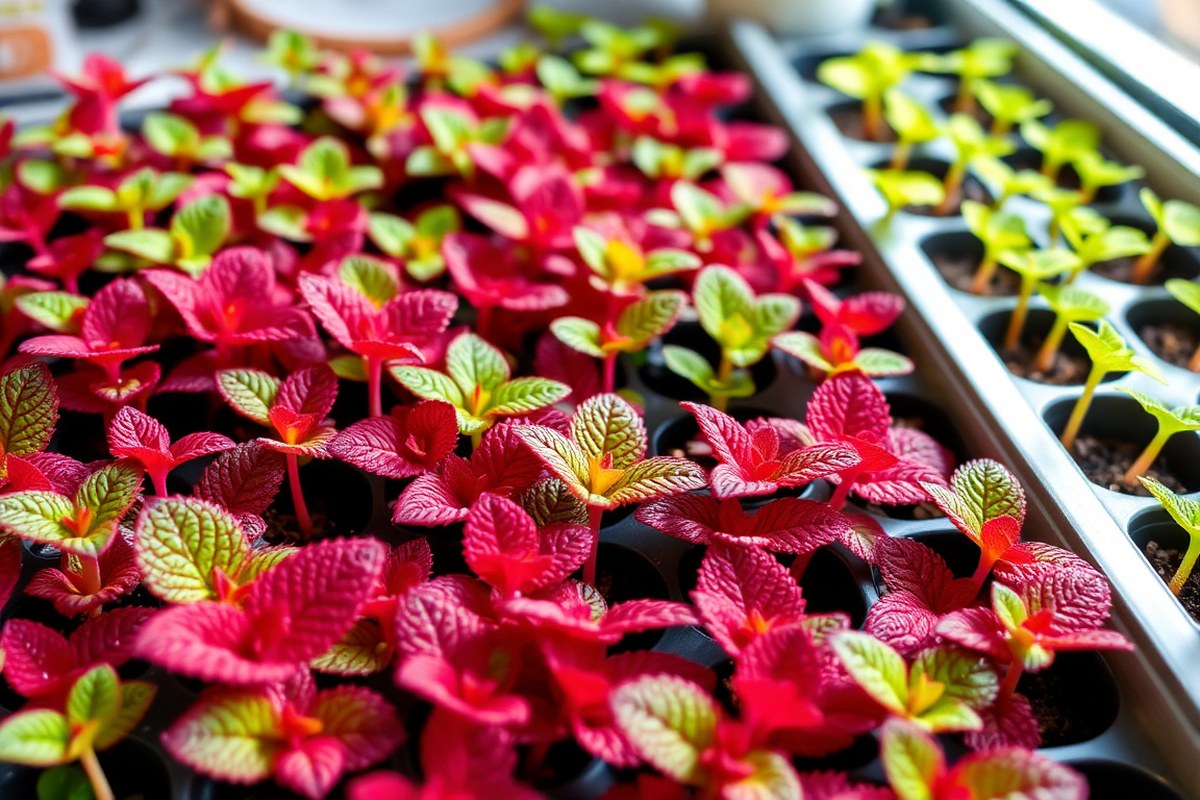
Learning how to grow coleus from seed is simple and rewarding. These plants sprout quickly, usually in 7 to 14 days.
They can grow as tall as 3 feet. Start with a warm spot, between 65 and 75 degrees Fahrenheit, to encourage fast sprouting.
Use a light, moist seed-starting mix to give seeds the right environment. Keep the mix consistently damp but not soaked. Cover it with plastic to maintain humidity.
Seedlings need bright, indirect light or grow lights. Provide this light for 12 to 14 hours each day. It helps them grow strong and healthy.
Start coleus seeds indoors about 4 to 6 weeks before the last frost. Keep seedlings well-lit to prevent them from stretching too tall. Patience and regular care are important for success.
Key Takeaways
- Start coleus seeds indoors 4 to 6 weeks before your last frost date.
- Keep soil temperature steady between 65 and 75°F for best germination.
- Use a moist, well-draining seed-starting mix to avoid seed rot.
- Provide 12 to 14 hours of bright, indirect light daily for seedlings.
- Cover seed trays with plastic to maintain high humidity during germination.
- Soaking seeds in warm water for 24 hours can help speed up sprouting.
How to Grow Coleus from Seed Successfully
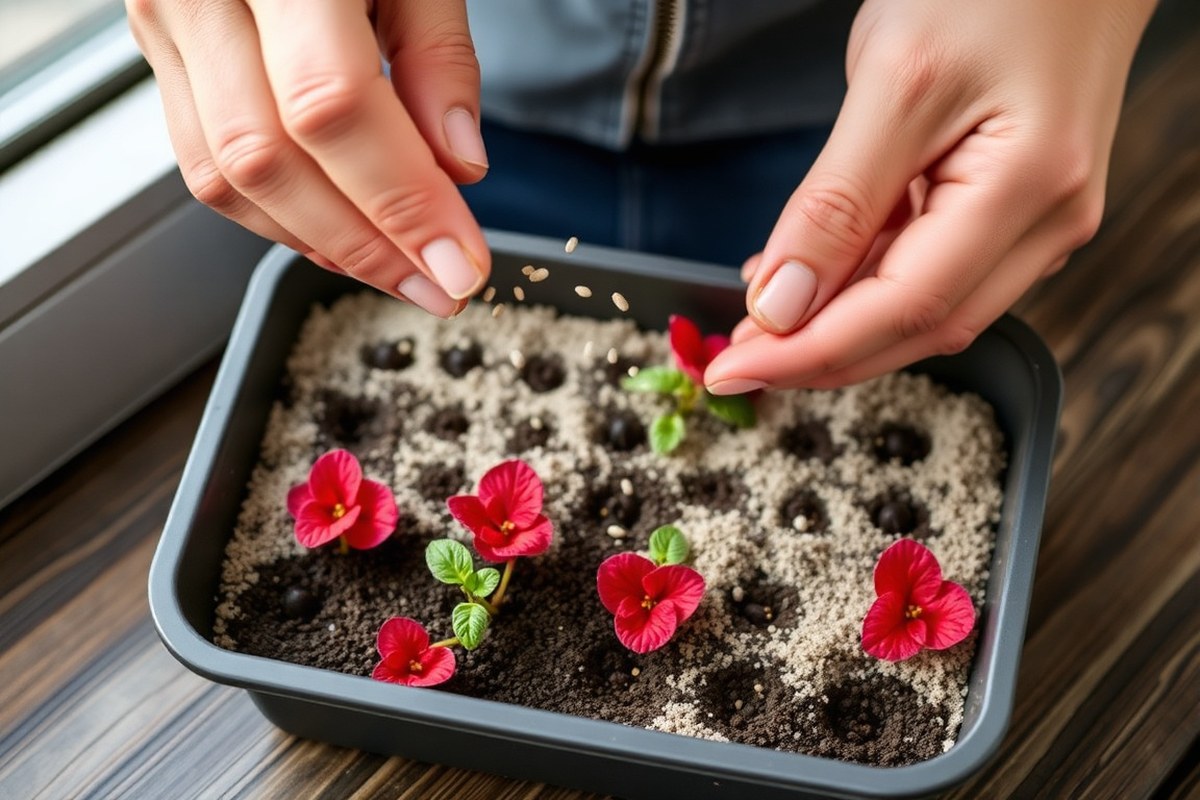
Starting coleus from seed takes patience and the right conditions. You need loose, fine seed-starting mix that holds moisture but drains well. Some gardeners soak seeds in warm water for 24 hours.
This softens the seed coat. It helps seeds sprout faster.
Keeping seeds evenly moist is key but avoid overwatering. You want damp soil that feels like a wrung-out sponge.
Covering the container with a plastic dome or wrap helps keep humidity high. Check every day so the soil stays moist but not soggy.
- Fill your container or seed tray with fine seed-starting mix. Use a mix designed for seeds or sift regular potting soil to remove larger bits.
- Moisten the soil until it feels damp, but without standing water. Let excess water drain before planting.
- You can soak coleus seeds in warm water for 24 hours before planting. Doing this might help them sprout sooner.
- Sprinkle one or two seeds gently on the soil surface in each cell or pot. Don’t bury them; coleus seeds need light to germinate.
- Press the seeds lightly into the soil to ensure contact without covering them fully.
- Use clear plastic wrap or a dome to trap moisture. Put the container in a warm place of 70°F to 75°F.
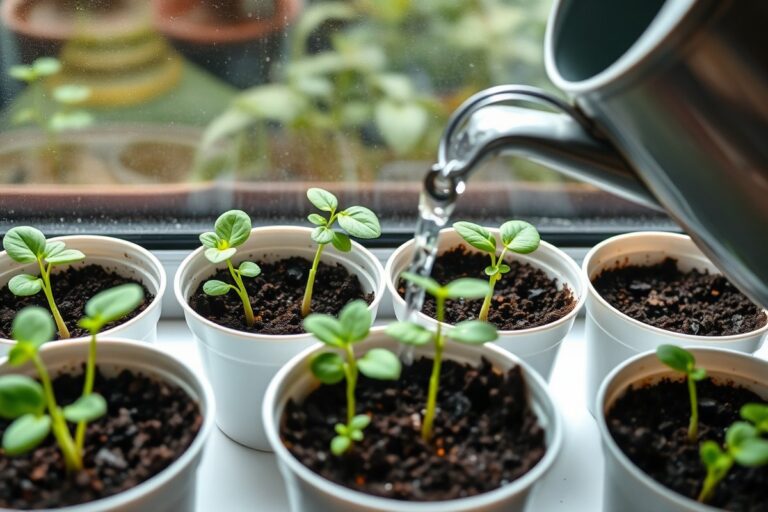
- Keep the soil evenly moist. Mist the surface daily or water from the bottom to avoid disturbing seeds.
- Remove the cover when seedlings show after 7 to 14 days to prevent mold. Move them to bright, indirect light for healthy growth.
You may need a heating mat if room temperature drops below 65°F. A steady warm temperature speeds up germination and reduces damping-off risk. Watch for soil drying out in warmer rooms, which can stop seeds from sprouting.
Using fine seed-starting mix matters because it holds moisture without compacting. Heavy potting soil can stay soggy and kill tender seeds. Good moisture control is why many growers prefer misting over pouring water directly.
When and Where to Start Coleus Seeds Indoors
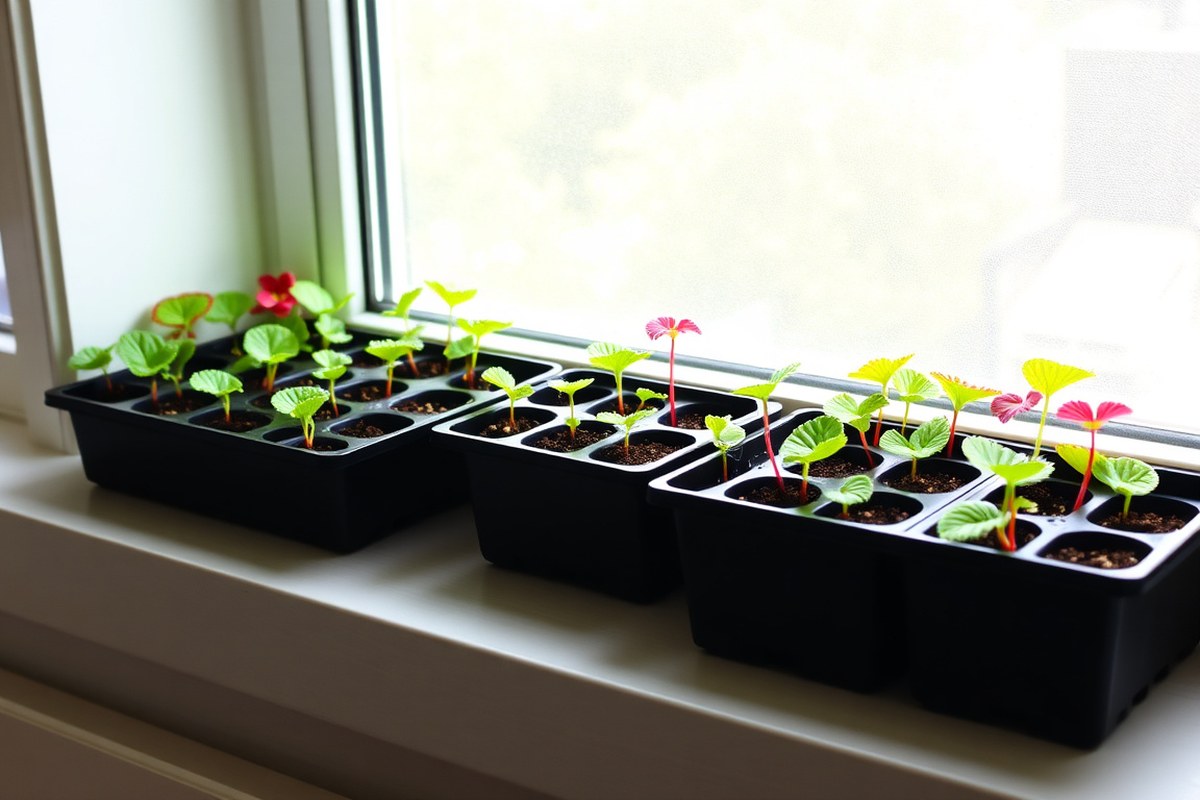
Start coleus seeds indoors about 6 to 8 weeks before your area’s last frost date. Keep them in a spot with steady temperatures between 65 and 75°F. Place seedlings where they get bright, indirect light for 12 to 14 hours daily.
Timing Based on Frost Dates
Start sowing coleus seeds indoors 6 to 8 weeks before your last frost. Count back from your USDA zone’s frost date. This timing helps seedlings grow strong.
For example, a last frost date of April 15 means starting seeds late February. Sow your seeds between late February and mid-March.
This gives the plants enough time to develop. Starting too early risks leggy seedlings if light is low.
You can also start coleus seeds any time if growing indoors as houseplants. Early spring works best because natural light becomes stronger, aiding seedling growth. Avoid sowing right before a dark winter to prevent weak plants.
Choosing the Right Indoor Location
Choose a bright spot that gets indirect sunlight for your seedlings. South-facing windows work well but avoid direct sun on the leaves. Move seedlings back a few inches or use a sheer curtain for protection.
In low-light rooms, supplement with a fluorescent or LED grow light about 4 inches above seedlings. Keep the light on for 12 to 14 hours daily.
Too close lighting can burn leaves. So raise it 12 to 18 inches if needed.
Maintaining Proper Temperatures
Coleus seeds need soil temperatures between 65 and 75°F to sprout well. Use a seed-starting heat mat if your room temperature is under 60°F. Set it to about 70°F underneath the seed tray.
This warmth helps seeds germinate more effectively. This helps speed up germination.
Place a small fan near seedlings if room temperature exceeds 80°F. Air movement prevents fungus and weak plant growth caused by warm, still air. Monitor temperatures closely, especially when using heat-producing grow lights.
Direct Sowing Outdoors Considerations
It’s possible to sow coleus seeds directly outdoors, but only after frost danger passes. Soil should be warm, around 70°F, and sunny to partly shaded.
Seeds need light to germinate. So just press them on the soil surface without covering with dirt.
Direct sowing exposes seeds to weather changes, which may lower germination rates. Starting indoors gives you stronger seedlings ready to transplant once outdoor conditions stabilize. Use this method if you want faster, more reliable results.
Press coleus seeds gently on soil without covering them because they need light to sprout.
Choosing and Preparing the Right Growing Medium
Choose a light, well-draining seed-starting mix for coleus seeds. The soil should hold moisture but not become soggy. Coleus roots may rot if the soil stays too wet.
Check soil often to keep it damp but not soaked. Use a mix including peat moss or coconut coir.
Add perlite or vermiculite to keep the soil loose. This helps air reach the roots.
Coleus seeds need light to start germinating, so don’t cover them with soil. Instead, press the tiny seeds gently onto the surface of the moistened mix. Keep the mix consistently moist but avoid waterlogging.
Mist the soil surface lightly with water before sowing. Cover the container with a clear plastic lid or wrap. This keeps the humidity high for seed germination.
Check that the soil pH is around 6.0 to 7.0, which is slightly acidic to neutral. Most seed-starting mixes fall in this range naturally. So you usually don’t need to add anything extra.
Your soil feels heavy or compacted, mix in more perlite. You can also sift some perlite out if too airy. Adjust until the soil feels loose and crumbly.
Sterilizing soil isn’t necessary if you buy a sterile seed-starting mix. Using garden soil? Bake it in the oven at 180°F for 30 minutes.
This will kill weed seeds and pathogens before use. Always let it cool before handling.
Before planting, prepare the seed-starting mix in a clean container. Moisten it evenly with water until the mix feels like a wrung-out sponge. Avoid soaking it, which can drown the seeds and cause mold.
Place the container where the temperature stays around 70°F for best germination. Keep the soil moist by checking daily and misting when needed.
A good seed-starting mix should be affordable and easy to find at garden centers or online. Typical bags cost between $10 and $20 and last through many plantings. Avoid garden dirt or potting soil meant for mature plants, as these can be too dense.
Using the right mix helps your coleus seeds sprout faster and grow stronger. Too wet or heavy soil may cause seed rot or poor growth.
Creating Ideal Light, Temperature, and Humidity for Seeds
Keep your coleus seeds warm between 70 and 75°F for best germination. Temperatures below 65°F slow growth and above 80°F may stress seedlings.
Use a heat mat under the seed trays if your room stays cool. These mats cost around $20 to $30 and plug into any outlet.
Once seeds sprout, place them where they get 12 to 14 hours of light. Use bright, indirect light every day for best growth. Sunlight through a window or a fluorescent light can work.
Use a grow light 4 to 6 inches above seedlings when natural light is weak. Adjust the height as plants grow to avoid burning or legginess.
Grow lights are helpful in winter or shaded rooms. LED or fluorescent tube lights cost between $30 and $50, lasting years.
Keep lights on timers for consistent daily hours. This steady lighting reduces stretchy stems and promotes strong leaves.
To keep humidity high, cover seeds with a humidity dome or plastic wrap. This helps moisture stay inside before sprouting.
Check daily to prevent mold by removing or slightly opening the cover once seedlings appear. This helps air circulate and stops excess dampness.
Coleus prefers average room humidity, so avoid misting after germination. Dry air may slow growth but too much moisture invites fungal problems.
Use a water tray near seedlings to increase humidity if your home is very dry. Make sure leaves do not get wet.
This setup works indoors on a sunny windowsill or under lights. Watch for leggy growth, which signals light or temperature issues. Adjust your setup by raising light time or heat to keep your coleus stocky and healthy.
Transplanting and Hardening Off Coleus Seedlings
Transplant coleus seedlings once they develop at least two sets of true leaves. Gradually expose them to outdoor conditions over 7-10 days to help them adjust and avoid shock. Use small pots around 7.5 cm to transplant young seedlings before moving them outside.
Signs Seedlings Are Ready to Transplant
Look for two sets of true leaves on your coleus seedlings. These leaves come after the first tiny, rounded seed leaves. When your seedlings have these, they are strong enough for transplanting into small pots.
Usually, coleus seedlings reach this stage in 3 to 4 weeks after sprouting. This means the plants have grown enough roots and leaves to handle a move. Avoid transplanting too early because fragile roots might break easily.
Step-by-Step Hardening Off Guide
Hardening off means slowly adjusting your seedlings to outdoor light, wind, and temperature. Doing this reduces transplant shock and helps the plants thrive once they move outside. Start this process after seedlings have grown strong in pots.
Follow these steps to harden off coleus seedlings over a week or 10 days:
- Place seedlings outside in a shaded spot for 2-3 hours on day one.
- Increase sunlight exposure by 1-2 hours daily, avoiding hot midday sun.
- Bring seedlings indoors overnight to protect from cold and wind.
- Gradually expose seedlings to gentle wind each day.
- Check moisture and water seedlings as needed to prevent drying out.
- After 7-10 days, leave seedlings outside longer, including a full day.
- Plant them in the garden once all frost danger passes.
Don’t rush the hardening off process; sudden sun or cold can stunt growth.
Potting Up: Choosing the Right Containers
Start by transferring seedlings into small pots about 7.5 cm wide. These pots give roots room to grow without overwhelming young plants. Use containers with drainage holes to prevent water buildup and root rot.
Choose lightweight plastic or peat pots for easy handling and transplanting. Keep soil moist but not soggy. Overwatering young coleus in small pots can cause diseases or slow growth.
Watering and Fertilizing Young Coleus Plants
Keep the soil of coleus seedlings moist by watering regularly without making it soggy. Check the soil surface every day by touching it; water when it feels dry. Avoid letting the soil dry out completely since seedlings need steady moisture to grow strong.
Overwatering can cause root rot or fungal problems. Puddles or waterlogged soil are signs you watered too much.
Drain excess water from trays and use pots with drainage holes. Yellow and limp leaves often show the plant is stressed by overwatering or underwatering.
Start feeding seedlings with a balanced, water-soluble fertilizer once they are 3 to 4 weeks old. Apply half-strength fertilizer every 3 to 4 weeks during spring and summer growth. Cut back or stop feeding in fall and winter when growth slows down.
Signs of nutrient deficiency include pale or slow-growing new leaves and yellow or browning edges. These symptoms mean the coleus needs more frequent or stronger feeding. Yellowing leaves and crusty soil suggest you need to dilute fertilizer more and feed less often.
Avoid strong fertilizers on seedlings since too much nitrogen can burn roots and stunt growth. Start with half or quarter strength and watch how the plants respond. Adjust the feeding schedule to three-week intervals if the plants show slow growth or fading color.
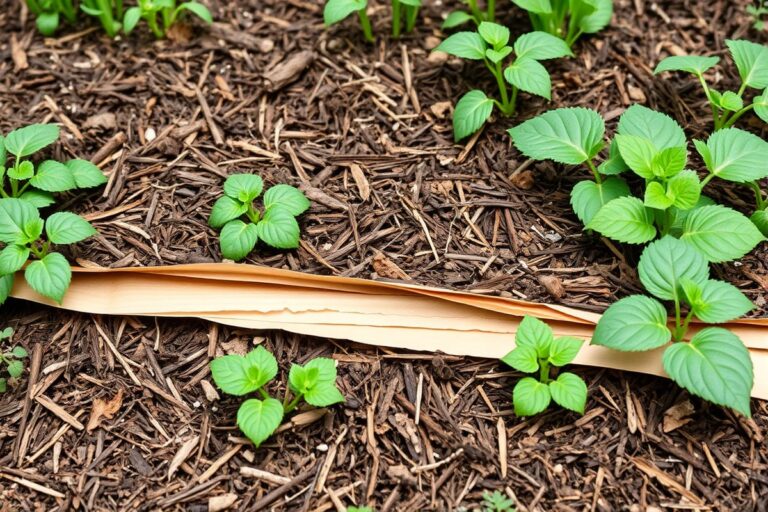
To keep moisture steady, mulch around mature coleus plants once transplanted outdoors. Mulching helps reduce watering frequency and suppresses weeds. In hot weather, check the soil moisture more often since coleus can dry out quickly.
Winter or dormant season call for less watering and feeding. Let soil dry out more between waterings to prevent fungal issues. Stop feeding completely if seedlings stop growing and show no new leaves for several weeks.
Pruning and Encouraging Bushier Coleus Growth
Pinch back coleus seedlings once they reach 4 to 6 inches tall. Remove the top 1 to 2 inches to make plants grow fuller and bushier. This stops legginess and keeps their colorful leaves looking vibrant.
When to Start Pinching Back Seedlings
Wait until your coleus seedlings have at least three sets of true leaves. This usually happens when they are 4 to 6 inches tall. Pinching too early can slow growth or damage the plant.
Once the seedlings look healthy and growing well, that’s the right time. Make sure the stems feel firm and not too fragile before you pinch them back.
How to Pinch Properly
Use your fingers or clean scissors to cut the top 1 to 2 inches. Remove only the top part of each stem carefully.
This encourages new branches to grow from lower nodes, making your coleus bushier. Avoid pinching off too much at once to prevent shock.
Stems that look stretched or leggy need trimming. Cut them back to just above a leaf node.
This will help the plant fill out more evenly. Keep the soil moist but not soggy to support healthy new growth.
- Check that seedlings are 4 to 6 inches tall with several leaf sets.
- Find the top 1 to 2 inches of the stem above a leaf node.
- Use fingers or scissors to pinch or cut off that growing tip cleanly.
- Remove any dead or weak leaves at the same time to focus growth.
- Water the seedlings gently to keep soil evenly moist after pruning.
- Repeat pinching every few weeks to keep plants compact and bushy.
Benefits of Pruning for Plant Shape and Color
Pruning coleus stops them from growing tall and leggy, which weakens stems. Pinching the top encourages side shoots that make plants bushier and fuller. Fuller plants show off more colorful leaves and interesting patterns.
Pinching also prevents early flowering, which pulls energy away from leaf growth. Plants that flower can lose leaf vibrancy and vigor quickly. Proper pruning leads to stronger, more attractive coleus for your garden or indoor display.
Common Problems and Solutions When Growing Coleus from Seed
Seeds may fail to sprout if the temperature or moisture is off. Coleus seeds need warmth around 70°F to 75°F (21°C to 24°C) and consistent moisture. Overwatering or drying out can both delay germination beyond the typical 7 to 14 days.
Leggy seedlings stretch because they do not get enough light. Place seed trays near a bright, south-facing window or use grow lights. Turn trays regularly to keep seedlings growing straight instead of leaning toward the light.
Damping-off kills seedlings with mold and rot, usually from fungus in damp conditions. Prevent it by watering from the bottom and avoiding too much moisture on the soil surface. Provide good airflow and use sterile potting mix designed for seed starting.
Don’t crowd seedlings; thin them to prevent rot and give each plant space.
Aphids, whiteflies, and powdery mildew may bother coleus indoors or in conservatories. Check your seedlings regularly for tiny bugs or white powder on leaves. Treat pests early with insecticidal soap or gentle sprays made for delicate seedlings.
Mealybugs and scale insects also show up on coleus grown inside. Look for white cottony spots or small bumps on stems. Use a cotton swab dipped in alcohol to remove them manually if infestations are small.
Poor germination often comes down to old seed or inconsistent watering. Use fresh seeds stored in a cool, dry place.
Keep soil evenly moist but not drenched, checking daily during germination. Follow seed packet instructions on sowing depth and soil type for best results.
Step-by-Step Action Plan for Growing Coleus from Seed
Follow these clear steps to start your coleus seeds successfully. Watch for signs that each step worked before moving on.
- Before you start: Choose fresh coleus seeds and soak them in warm water for 2 hours. The seeds should swell slightly, which helps with germination.
- Day 1: Fill seed trays with well-draining seed-starting mix. Lightly press seeds onto the surface without covering them, since they need light to sprout.
- Days 2, 14: Keep the soil moist but not soggy by misting daily. Place trays where they get bright, indirect light. Seeds should sprout within 10, 14 days.
- Week 3: Seedlings will have 2 sets of true leaves by this time. Snip weaker plants close to the soil to thin them. This helps the stronger ones grow better. This gives space for stronger seedlings to grow.
- Week 4: Start feeding seedlings weekly with half-strength balanced fertilizer. Continue bright light and keep soil evenly moist.
- Week 5: Start hardening off seedlings by placing them outside. Keep them in a shady spot for a few hours daily. Gradually increase their outdoor time each day. Increase outdoor time gradually over 7 days.
- After Week 6: Transplant hardened-off coleus seedlings into bigger pots or garden beds in partial shade. Water well and watch for steady leaf growth.
- Month 2 and beyond: Pinch new shoots regularly to encourage bushy growth. Keep watering when top inch of soil feels dry and watch for pests.
Frequently Asked Questions
How Long Do Coleus Seeds Remain Viable for Planting?
Coleus seeds typically stay viable for one to two years. Store them in a cool, dry place to keep their germination potential high.
Should I Pinch Off the First Flowers on Young Coleus Plants?
Yes, pinching off first flowers helps coleus put energy into leaf growth. This encourages bushier, fuller plants instead of early blooming.
Can I Sow Coleus Seeds Directly Outdoors Without Starting Indoors?
You can sow coleus seeds directly outside after the last frost. Soil must be warm, above 65°F, for good germination.
What Is the Best Way to Label Coleus Seedlings from Different Varieties?
Use small, waterproof labels and mark each variety’s name clearly. This keeps track when growing multiple coleus types in the same tray.
Is It Necessary to Thin Coleus Seedlings After Germination?
Yes, thinning prevents overcrowding and improves airflow around coleus seedlings. Keep the strongest seedlings spaced about 6 to 12 inches apart.
Can Coleus Seeds Be Harvested from Mature Plants for Next Season?
Yes, you can harvest seeds from mature coleus flowers. Allow the flower spikes to dry fully, then collect and store seeds in a paper envelope.
Key Points to Remember
Growing coleus from seed takes patience but gives you control over plant quality. Start your seeds as soon as you can.
Watch them thrive with good care. Enjoy growing vibrant coleus plants indoors or outdoors this season.