How to Support Tomato Plants: 8 Effective Methods for Strong Healthy Growth
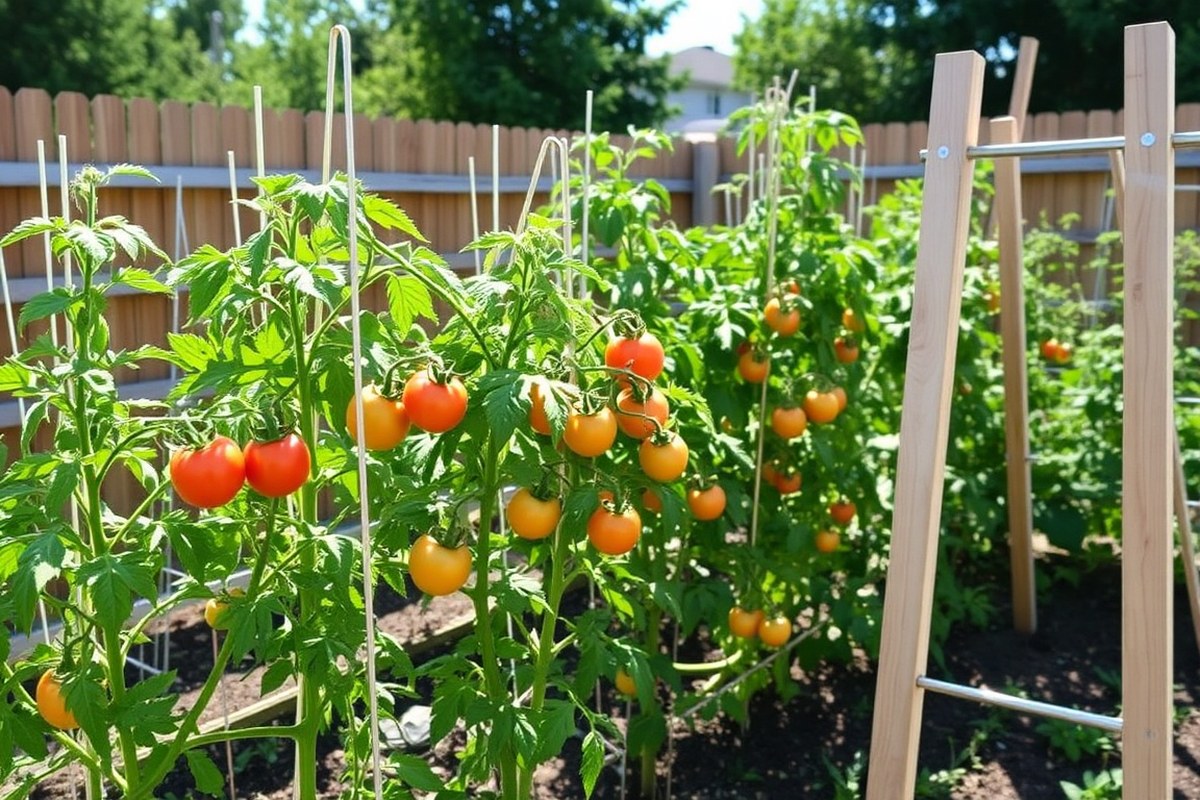
Figuring out how to support tomato plants can make your garden healthier and your harvest bigger. Tomato plants grow tall fast, sometimes reaching 6 to 10 feet. Without support, they flop over, causing broken stems and lost fruit.
Start supporting your tomatoes when they reach 10 to 12 inches high. This timing catches the plant before it grows too heavy or sprawling. Good support keeps stems upright and reduces pest and disease risks by improving air circulation.
Choosing sturdy stakes or cages depends on your tomato type and space. Stakes work well for indeterminate varieties that grow tall. Cages offer all-around support, especially for bushier determinate tomatoes.
Set support structures at least 12 inches deep in the soil for stability. Tie plants loosely with soft ties to avoid stem damage. This approach helps plants grow strong and supports heavy fruit loads through the season.
Key Takeaways
- Begin supporting tomato plants once they grow 10 to 12 inches tall.
- Use stakes at least 6 feet tall for indeterminate tomato varieties.
- Plant stakes 2 to 3 feet apart to give plants enough space.
- Place cages so they cover 3 to 4 tomato plants spaced about 2 feet apart.
- Sink stakes or cages at least 6 inches into the soil for stability.
- Tie main stems to stakes every 6 to 8 inches as plants grow.
1. Why Tomato Plants Need Proper Support
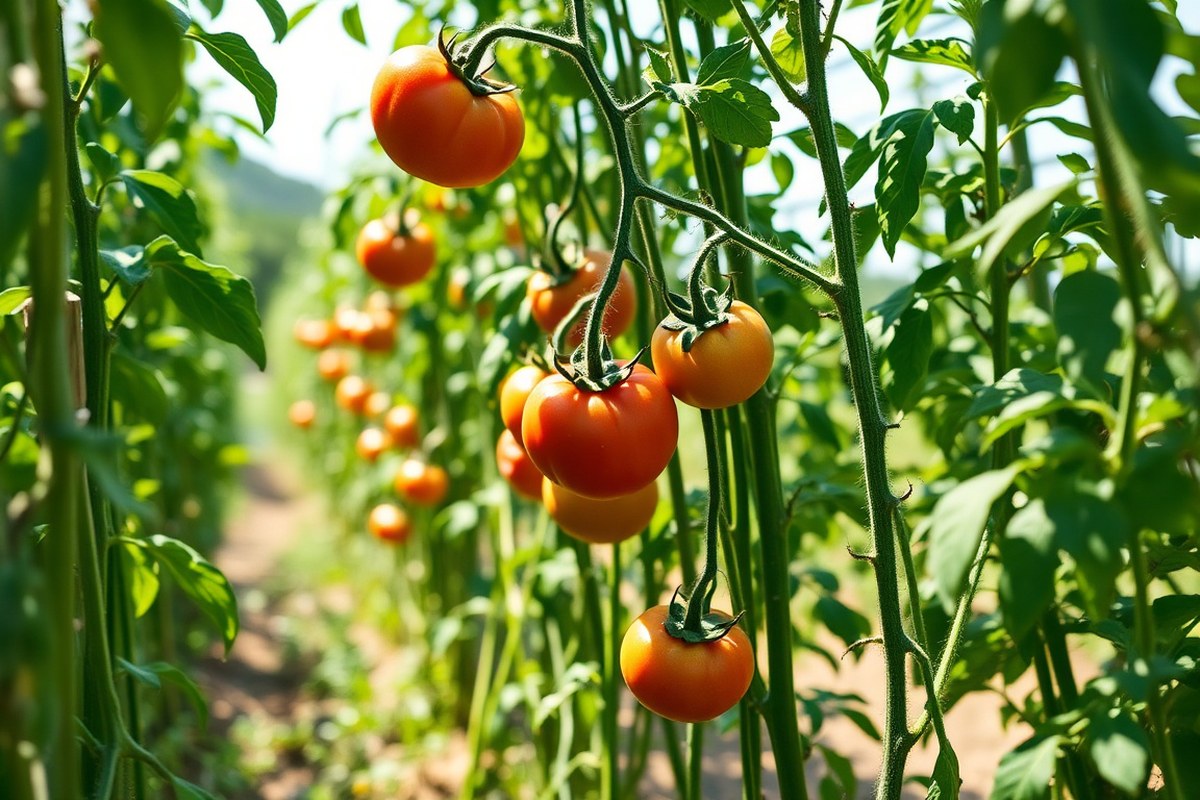
Tomato plants often grow quite tall, reaching 6 to 10 feet or more. Without support, their heavy stems can bend or even break under the weight of fruit. Fruit rests on the ground and risks rotting or being eaten.
Pests often find fruit lying on soil. This causes damage to your tomato harvest.
Supporting tomato plants keeps them upright, which improves air circulation around the leaves. Better airflow helps reduce diseases like blight and mildew. It also makes trimming and harvesting easier since you can clearly see and reach the fruits.
Supporting tomatoes helps the plant save energy. The plant then uses its strength to grow fruit. It doesn’t waste effort trying to stay upright.
This results in more fruit clusters along the stems and often larger, healthier tomatoes. Unsupported plants usually produce fewer fruits.
The fruits may end up smaller or bruised. Constant soil contact causes this damage.
2. How to Choose the Right Support for Your Tomato Variety

Tomato plants need different supports based on their growth habits. Determinate tomatoes, also called bush types, grow to a set height and stop.
Indeterminate tomatoes keep growing tall and produce fruit longer. So they need stronger, taller supports.
Choose a stake 3 to 4 feet tall for determinate tomatoes. These tomatoes mature in about 70 days or less. Use a stake that suits this growth period.
Indeterminate tomatoes grow up to 6 feet. So use stakes or cages that reach 5 to 6 feet tall. You can set stakes deeper in the soil for more stability.
| Tomato Type | Growth Habit | Typical Height | Support Type | Recommended Height for Support | Notes |
|---|---|---|---|---|---|
| Determinate | Bushy, stops growing when fruit sets | 3 to 4 feet | Short stakes, small cages | 3 to 4 feet | Early tomatoes <70 days often don’t need staking |
| Indeterminate | Vining, grows continuously during season | 5 to 6 feet or taller | Tall stakes, large cages, trellises | 5 to 6 feet+ | Heavy fruit clusters need sturdy support |
Cages are popular for tomatoes because they support the whole plant around. Small, flimsy cages work for determinate tomatoes but often fail with indeterminate vines. Indeterminate types benefit from custom cages made of strong wire or 5-foot concrete reinforcing mesh.
Stakes are the easiest support to set up and work well for all tomato types. You can add stakes anytime, wherever you plant a tomato. For indeterminate tomatoes, tie vines loosely as they grow to prevent damage and support heavy fruit.
Place supports when you plant tomatoes; adding them later can damage roots.
Treillis and arches suit indeterminate tomatoes because those plants can climb. Determinate varieties are too short and bushy for trellises and work better with cages or stakes. Think about your garden space and plant spacing first.
Pick supports that fit well in your garden. Make sure they will last through the season.
3. The 8 Proven Methods to Support Tomato Plants
Supporting tomato plants properly helps them grow straight and bear more fruit. There are eight ways to support these plants, each with its pros and cons. You can choose a method based on your garden space and tomato type.
Tomato Cages: Simple and 360-degree Support
Tomato cages give your plants support on all sides as they grow vertically. They work well for determinate tomatoes since these plants stay fairly compact. You set the cage over the young plant and let it grow inside.
They’re easy to install and need little maintenance. However, cages can sag or collapse if tomatoes get too heavy. Also, tying plants inside cages can be tricky since you must reach through the cage bars.
Use sturdy wire cages about 18 to 24 inches wide and 30 to 36 inches tall. Push the cage at least 6 inches deep into the soil. Place the cage early, before the plant grows too large for easier access.
Single Stakes and How to Tie Plants Correctly
Single stakes support the main stem of the tomato plant, perfect for tall indeterminate varieties. Drive a stake 1 to 2 inches wide near the plant. Push it 12 to 18 inches into the soil.
Place it close to the plant’s base for support. Tie the stem loosely at intervals of 8 to 12 inches.
This method uses less material and allows air flow around plants. But stakes can bend or break if the plant gets heavy or tall. So strong wood or metal stakes work best.
Tying tightly can damage stems. So use soft ties like cloth strips or horticultural tape.
- Choose a sturdy stake 6 to 8 feet tall for tall tomato varieties.
- Insert the stake 12 to 18 inches deep into the ground beside the plant.
- Start tying the plant to the stake when it’s about 12 inches tall.
- Use soft ties and wrap them loosely around the stem and stake.
- Add a new tie every 8 to 12 inches as the plant grows.
- Check and adjust ties regularly to prevent cutting into the plant.
Florida Weave for Row Planting
This method supports multiple tomato plants in a row using stakes and twine. Stakes go between every two or three plants. You weave twine back and forth around stakes to hold plants upright as they grow.
Florida weave is fast and cost-effective if you have many plants. You don’t tie individual plants, which saves time. It works best for determinate and compact indeterminate tomatoes planted in rows.
One downside is that twine may sag or break if plants get too big. You should start weaving when plants reach 10 to 12 inches tall. Use strong, weather-resistant twine and sturdy stakes 5 to 6 feet tall.
- Drive sturdy stakes about 1 foot into the ground between every 2 to 3 tomato plants.
- Begin tying twine to the first stake about 12 inches above the soil.
- Weave twine in front of and behind each stake along the row.
- Keep the twine taut but not too tight to avoid stem damage.
- Repeat weaving every 6 to 8 inches higher as the plants grow.
- Replace or tighten twine if it sags during the season.
Trellis Frames with Netting or String
Metal or wooden trellis frames with netting provide a vertical structure for tomatoes to climb. Plants wrap or are tied to the netting, enabling good air circulation and sun exposure. This suits indeterminate types nicely.
Trellises save garden space and deliver even plant support. Installation needs more effort and materials than cages or stakes. Netting may tear and supports should be secured firmly to prevent leaning.
Set up the trellis before planting or early in the growth stage. Attach netting tightly to the frame. Train plants upward by gently guiding vines into the mesh as they grow.
- Build or buy a frame that stands at least 6 feet. Make sure it’s wide enough for your plants. Use something sturdy to hold the plants up.
- Fasten durable garden netting or string tightly across the frame.
- Install the trellis securely into the ground near young tomato plants.
- As the plants grow, gently tuck vines into the netting or tie loosely.
- Keep guiding the plants upward regularly through the season.
- Inspect the netting and frame for damage and fix promptly.
Tomato Ladders and Towers for Heavy Plants
Tomato ladders and towers are strong, vertical supports designed for heavy or tall plants. They often combine horizontal bars or rings that hold branches apart and prevent breakage. This system suits large indeterminate varieties that bear heavy fruit clusters.
Ladders and towers are more expensive and may take more time to install. But they provide excellent support for strong plants and help with air flow and harvest access. They also reduce plant damage during windy weather.
Put ladders or towers around young plants for support. Tie the main stems to the bars or rings.
Do this as the plants start to climb. Use strong metal or treated wood to ensure durability.
- Select a ladder or tower support at least 6 feet tall for your tomato variety.
- Set the support firmly into the soil near the base of your tomato plant.
- Tie the main stem loosely to the vertical bars or rings using soft ties.
- Secure heavy branches with additional ties or clips.
- Check the structure regularly to adjust ties and ensure stability.
- Remove the supports carefully after the growing season ends.
4. How to Tie Tomato Plants to Support Structures Safely
Tying tomato plants properly means using soft, flexible materials that won’t choke or bruise the stems. Tie plants loosely to allow room for growth and avoid damaging the vines. Regularly check ties as plants grow and add new ties often enough to keep stems supported.
Choosing the Right Tie Materials
Use soft, stretchy materials like plant ties or cloth strips. Use garden twine to avoid cutting into stems. These materials keep stems safe and secure.
Avoid wire, thin string, or anything rough that might cut the plant bark. Garden shops sell special tomato ties made from stretchy tape.
Soft fabric ties also work well. These ties usually last through the whole season.
Recycled materials like old cotton T-shirts or strips of nylon stockings also serve as gentle ties. These options are inexpensive and soften with water, reducing the risk of damage. Soft ties protect fragile tomato stems from wind damage.
They also help when the fruit gets heavy. Using them keeps your plants safer.
Proper Tying Intervals and Methods
Tie tomato plants every 6 to 8 inches along the main stem and side branches. This spacing supports the plant evenly and keeps branches upright. Start tying when plants are about 12 inches tall and continue as they grow.
Tie your plants with a figure-eight method for support. Loop the tie around the stake first. Then gently loop it around the stem to form an eight shape.
This prevents rubbing and gives the stem room to move without damage. Always tie loosely enough to slide a finger between the stem and the tie.
- Position stakes or supports near each tomato plant.
- Cut a 6- to 8-inch length of soft tie material.
- Form a loop around the stake in a vertical line.
- Loop the tie loosely around the tomato stem, avoiding tightening it too much.
- Make the tie loops look like a figure-eight shape. One loop goes around the stake. The other loop goes around the tomato plant.
- Secure the loose end without knots that pinch the stem.
- Inspect ties weekly and adjust or add more as the plant grows.
Common Tying Mistakes and How to Avoid Them
Tying too tightly is the biggest mistake. It can girdle stems, stopping sap flow and causing damage. Always check ties every week and loosen or replace any that are tight.
Using rough or thin materials that cut into stems leads to wounds and infection. Stay away from wire or non-stretchy strings. Also, tying only at the base leaves the top heavy and prone to breaking.
Tie plants frequently, not just once. As stems grow thicker and branches sway, gaps in support cause stress or snapping. Adding more ties regularly keeps the plant stable throughout the season.
5. Pruning Tomato Plants to Complement Support Systems
Pruning tomato plants can lighten their weight and improve airflow, which helps your supports work better. Removing lower leaves and suckers reduces disease risk and frees up space. This also boosts fruit production by focusing energy on main stems and healthy branches.
Pruning Determinate vs Indeterminate Tomatoes
Determinate tomatoes grow in a bushy shape with a set height and fruit all at once. Pruning these plants lightly helps remove lower leaves but avoids heavy cutting. Indeterminate tomatoes keep growing taller and produce fruit continuously.
Indeterminate types benefit from more regular pruning, especially removing suckers. This focuses energy on fruit and makes plants easier to support. Heavy pruning on indeterminate plants reduces weight and keeps stems from sprawling over supports.
Techniques to Reduce Plant Weight on Supports
Trim away suckers, which grow between the main stem and branches. Removing these stops unnecessary growth that adds weight to supports. Also, cut off lower leaves that touch the soil to prevent disease.
Prune by picking off small shoots with your fingers or use sharp garden shears when needed. Thin out dense clusters of leaves to improve airflow through the plant. This reduces humidity and limits fungal problems.
- Remove all suckers below the first flower cluster on indeterminate tomatoes.
- Cut off leaves touching the ground or yellowing early, to reduce disease risk.
- Thin dense leaf clusters to increase sunlight and air circulation.
- Lightly prune determinate varieties by trimming only dead or damaged foliage.
- Pinch back long vines to keep them within your support frame.
- Tie main stems loosely to supports before heavier pruning to avoid stress.
Don’t over-prune determinate tomatoes; they need leaves to support rapid fruiting.
Timing Your Pruning During the Growth Cycle
Start pruning when plants reach about 12 inches tall to control shape early. Check plants every week to catch new suckers and remove them before they grow large. Avoid heavy pruning once flowers cluster tightly to prevent stress.
After fruit sets, keep pruning minimal to let tomatoes mature without issues. Prune lower leaves regularly through the season to cut disease chances. Doing small, steady pruning sessions helps keep plants balanced and your supports effective.
6. Supporting Tomatoes Grown in Containers or Small Spaces
Tomatoes can definitely be supported in containers. But the supports need to be smaller and sturdier. Small spaces like balconies or patios need compact designs.
These keep plants upright and avoid crowding. They work best for tight areas. Using stakes, cages, or mini trellises helps tomato plants grow tall without breaking or sprawling.
The key is to adapt traditional supports to fit container size and weight. For pots, use lightweight materials like bamboo stakes or small metal cages.
Place these close to the stems so they don’t take up too much room. Regularly check the supports and gently tie new growth to keep everything secure.
- Use a 3-foot bamboo stake for each plant in a 5-gallon pot.
- Try small, 12-to-18 inch tomato cages designed for containers.
- Build a simple trellis from wood and string for several plants.
- Secure supports firmly in the soil to prevent tipping.
- Tie plants loosely with soft cloth strips or garden ties.
- Check ties every week and adjust as plants grow.
Determinate, or bush, tomato varieties are easier in pots since they need less support. Cages work well for these without excessive training. Indeterminate tomatoes need more vertical support.
So consider thin trellises or taller stakes for containers. Avoid heavy or large supports that may tip the pot over in wind or movement.
Compact supports let you grow tomatoes in smaller spaces without losing yield. Your plants stay healthier with proper air circulation and light exposure too.
Adjust the support as plants grow and fruit develops to reduce stress on stems. Taking these steps makes container tomato gardening much easier and more productive.
7. Common Mistakes and Problems with Tomato Support Systems
One common mistake is waiting too long to add supports. Young tomato plants need a framework early to grow properly.
Delaying can cause plants to tangle or break. This stresses them and cuts down the harvest.
Unstable supports cause plants to lean or fall over when windy or wet. Signs include shaky cages or stakes leaning visibly. Drive stakes at least 12 inches deep into the soil.
Use strong materials like metal or pressure-treated wood. This helps support the plants better.
- Use tomato cages that fit the mature plant size, about 4 feet tall
- Secure trellises firmly with stakes sunk deep into the soil
- Tie plants loosely with soft twine every 8 to 12 inches up the stem
- Replace weak or rusty cages early in the season
- Check support systems weekly to catch loosening or damage
Plants that grow past their support need attention. Address it to protect your garden. Tie new growth higher or add extra supports like taller stakes or extended cages.
Prune extra branches to keep plants manageable. It stops them from growing beyond the frame. This makes care easier.
Another issue is tying plants too tightly. This can cut stems and block flow of nutrients.
Leave about a half-inch gap when looping ties to allow growth. When weaving vines around twine or cage bars, do so gently to avoid snapping stems.
Check supports after storms or high winds. Re-tie plants and reset stakes as needed.
Loose or broken supports give pests and disease easy access to damaged stems. Keeping your system strong helps tomatoes stay healthy and productive.
8. Maintaining and Adjusting Tomato Supports Through the Season
Check your tomato supports once a week to avoid damage. Plants grow fast and get heavy with fruit. Regular checks help you spot weak spots or loose ties early.
Keep supports clean and strong all season. Remove any bent or broken pieces from stakes, cages, or trellises.
Tighten ties that might have slackened as the plants grow taller. Doing this prevents wind or fruit weight from toppling your tomatoes.
Adjust your supports as the plants climb. Indeterminate tomatoes can grow taller than 6 feet. Add extra ties higher up the stem.
Space these ties every 12 to 18 inches. This keeps vines upright and stops branches from breaking under fruit loads.
- Plant supports about 6 inches from tomato stems for stability
- Drive stakes at least 12 inches into the soil for firm anchoring
- Use metal or sturdy bamboo stakes to resist wind and fruit weight
- Regularly remove suckers to reduce extra weight on vines
- Loosely tie heavy branches to supports to avoid stem damage
- Ensure cage bottoms sink 6 to 12 inches into soil for balance
- Replace broken or weak ties as soon as you notice them
Prepare for heavy fruit loads by reinforcing stakes with extra support, such as adding cross braces. Wind damage can snap or loosen supports, so secure all joints firmly. Keep mulch dry to avoid stakes rotting and immobilize cages if the soil is soft.
Always tie branches loosely; tight ties can cut into stems and harm plant growth.
Step-by-Step Action Plan to Support Your Tomato Plants
Follow these steps to help your tomato plants grow strong and produce better fruit. Watch for healthy stems and happy leaves as a sign of success.
- Before planting: Choose the right support type based on your tomato variety and space. This saves time and prevents damage later.
- Day 1: Install your supports firmly in the ground or pot. Check they don’t wobble when you gently shake them.
- Week 1: Start tying young tomato stems loosely to supports using soft ties. Make sure ties aren’t too tight.
- Week 3: Begin pruning lower leaves and suckers to improve airflow and focus growth. Watch for new shoots to keep trimmed.
- After 4 weeks: Adjust ties and supports as plants grow taller to avoid stem breakage. Supports should keep plants upright without bending.
- Mid-season: Remove any damaged or weak support material and replace if needed. Healthy supports reduce disease risk.
- Weekly: Inspect your plants and supports for signs of strain or pests. Fix problems quickly to keep tomatoes safe.
- Late season: Prepare supports to handle heavier fruit clusters. Add extra ties under heavy branches when needed.
Frequently Asked Questions
Can I Reuse Tomato Stakes from Last Year?
Yes, you can reuse stakes if they’re still sturdy and undamaged. Clean them with soapy water to remove pests or diseases before using again.
Should I Support Tomato Plants Before They Start Fruiting?
Support plants early, even when small, so they grow upright and avoid damage. Waiting can stress roots and make tying harder.
Is It Better to Tie Tomatoes Loosely or Tightly?
Tie stems loosely to avoid squeezing and damaging the plant. Use soft materials like cloth strips or twine for gentle support.
Can I Use Bamboo Poles to Support Tomato Plants?
Bamboo poles work well as long as they are tall and strong enough. They resist weather and blend nicely in the garden.
How Far Apart Should Stakes Be Placed for Tomatoes?
Space stakes about 12 to 18 inches apart to allow airflow and room for growth. Crowding stakes can stress plants and reduce yields.
Will Supporting Tomatoes Help Prevent Diseases?
Yes, support keeps vines off the ground, reducing contact with soil-borne diseases. It also improves air circulation, which limits fungal problems.
Wrapping Up
Good tomato support helps plants stay healthy and boost harvests. Start today by setting up strong supports right after planting. Keep watching your plants and adjust supports as they grow for best results.