How to Fix Alkaline Soil: 8 Effective Methods with Tips and Timelines
Fixing alkaline soil means safely lowering its pH. Adding acidic organic matter like peat moss works well over time. Pine needles also help balance soil pH slowly.
Mix in sulfur to address nutrient problems caused by high pH. Iron chloride sprays can help with specific nutrient issues. Use these carefully for the best results.
Begin by testing your soil’s pH before adding amendments. Avoid overcorrecting, which can damage plants or soil health. Work amendments into the top 6 to 8 inches where roots absorb nutrients.
Changing alkaline soil takes time, so be patient. Re-test every three months in the first year to track progress. This helps achieve better soil balance in your garden.
Key Takeaways
- Test soil pH before adding any amendments to confirm alkalinity levels.
- Work organic materials 6 to 8 inches deep for effective soil acidification.
- Add Canadian peat moss to lower pH slowly and naturally over time.
- Apply a 0.02% iron chloride spray to fix iron deficiency symptoms quickly.
- Sulfur is effective but requires several months to fully lower soil pH.
- Re-test soil every three months during the first year after amendments.
1. Effective Ways to Fix Alkaline Soil

Fixing alkaline soil means lowering its pH to make plants healthier. You can add elemental sulfur to your soil. Use acidic materials like peat moss.
Other acidifying amendments also help lower soil pH. These methods reduce the soil’s alkalinity and help plants take up nutrients better.
Using Elemental Sulfur Safely and Effectively
Elemental sulfur is a common way to lower alkaline soil pH. Soil bacteria slowly convert it to sulfuric acid, which acidifies the soil. This process takes time, so plan for gradual changes over weeks or months.
Apply sulfur by mixing it evenly into the top 6 to 8 inches of soil. Use about 1 to 3 pounds of sulfur per 100 square feet to start. Test your soil pH before and after application to track progress.
- Wear gloves and a dust mask to handle sulfur safely.
- Measure your garden area to estimate how much sulfur is needed.
- Spread the sulfur evenly across the soil surface.
- Use a garden fork or tiller to mix sulfur into soil. Go 6 to 8 inches deep.
- Water the area well after applying sulfur to start the chemical reaction.
- Wait 4 to 8 weeks and test the soil pH again.
- Repeat application if the pH is still too high, but don’t overapply.
Incorporating Organic Matter and Peat Moss
Adding organic matter helps change soil pH slowly and improves soil health. Peat moss is a good choice because it’s naturally acidic, with a pH between 3.0 and 4.5. It also improves drainage and texture.
Lay a 2-inch layer of sphagnum peat moss on the soil. Work it down 6 to 8 inches for best effect. Add 2 to 3 inches of organic matter when improving soil.
Organic matter like composted wood chips or sawdust also helps. Adding peat moss each year helps keep soil acidic. This is important for very alkaline soils.
Additional Acidifying Amendments Options
Other amendments include acidifying fertilizers like ammonium sulfate and acidic mulches. These help lower pH but usually work faster than sulfur. Use them carefully because they can harm plants if overapplied.
Mulches such as pine needles or oak leaves break down and acidify the soil slowly. They’re best for small garden beds and add nutrients at the same time. Combine these with sulfur or peat moss for better long-term results.
2. How to Test Soil to Confirm Alkalinity Levels
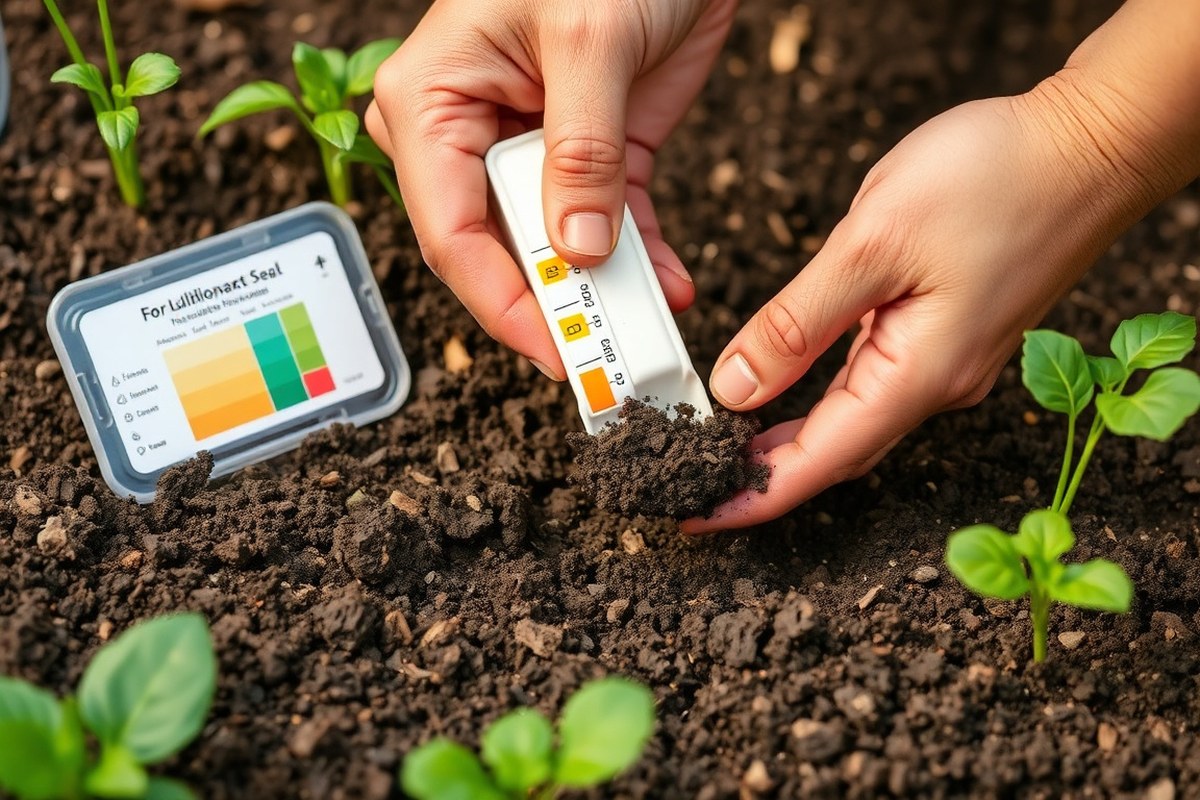
Testing your soil’s pH is the best way to know. It shows if your soil is alkaline or not. This helps before you start any treatment.
You can test soil pH yourself with home kits. Or send soil samples to a lab for better results. Labs give more precise pH numbers.
Knowing the soil pH helps you choose the right fix. You can also pick plants that fit your soil. This keeps your garden healthy.
Collecting Soil Samples Properly
Collecting soil samples carefully is key to getting an accurate pH reading. Use a clean tool to avoid contamination. Take soil samples from the root zone.
This is 4 to 6 inches deep. Most plants get nutrients from this area.
Collect soil from several spots in your garden to get a good overall sample. Mix these soil portions together in a clean container. This mix gives a more reliable pH value for your whole growing area.
- Use a clean spade or soil probe for samples. Dig 4 to 6 inches deep in different garden spots. This gives you a good soil mix to test.
- Take small soil samples from at least 5 to 10 locations to cover the area well.
- Remove debris like roots, grass, and stones from each sample.
- Mix all samples thoroughly in a clean bucket or bowl.
- Allow the mixed soil to dry if it’s wet. But do not bake or microwave it.
- Fill the soil test container or bag according to your test kit’s or lab’s instructions.
Don’t collect soil from just one spot; it won’t show the full garden’s condition.
Using Home pH Test Kits
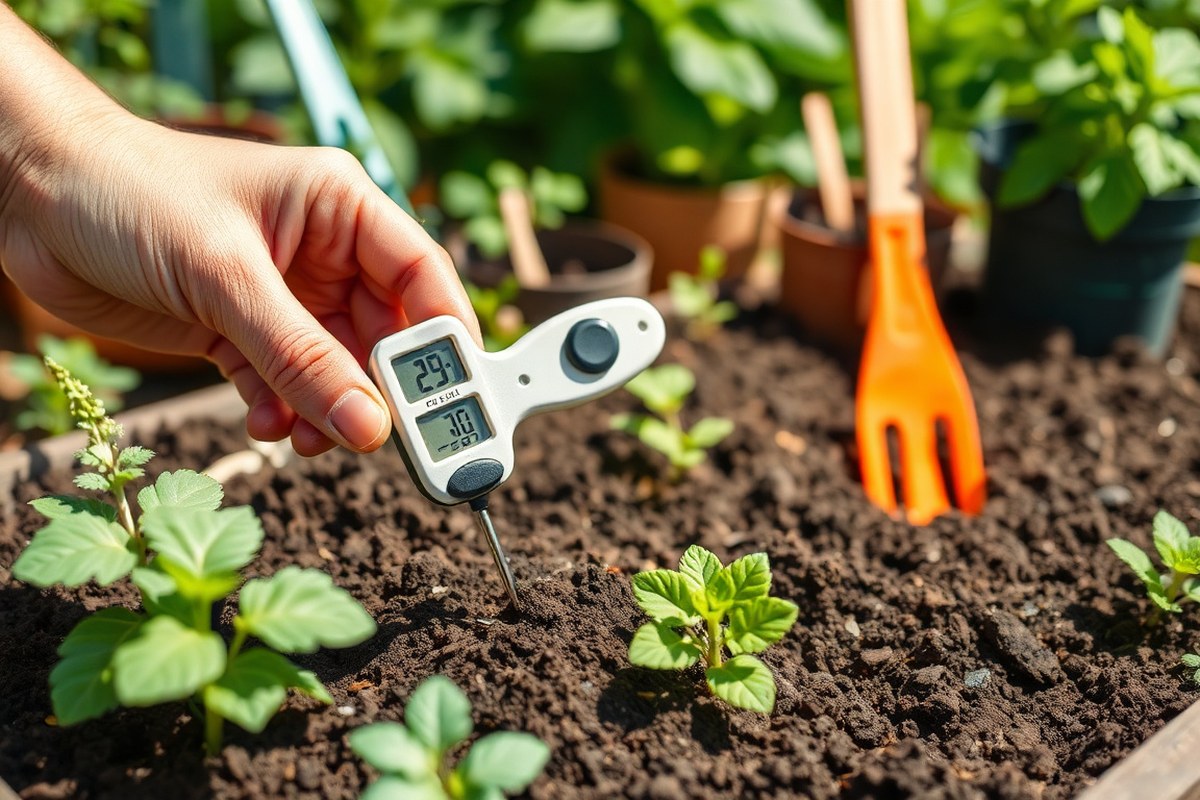
Home pH test kits give quick, general readings for alkaline soil. You just add a small soil sample to the kit. Then, apply the colour solution or digital sensor and wait a few minutes for results.
These kits are affordable, $10 to $20, and easy to find at garden stores. Soil test kits change color to show the pH. Digital readers show a number for soil status.
They tell if soil is acidic, neutral, or alkaline. Most gardeners find home kits good enough for routine checks.
Follow the kit’s instructions closely for accurate results. Some kits require you to mix soil with water before testing.
Others need dry soil. Check what your kit needs to avoid mistakes.
Rinse test containers between samples to prevent cross-contamination of pH readings.
Understanding Laboratory Soil Reports
Laboratory soil testing provides detailed and accurate pH readings. Labs measure pH precisely and may report additional soil nutrients and mineral levels. This data can guide exact soil amendments if needed.
Send soil samples to your local agricultural extension or a private lab. Prices vary from $15 to $50 for a full report. Labs usually require dry soil samples and offer instructions on how to collect and send them.
Lab reports show pH values where anything above 7 means alkaline soil. They might also explain the possible causes of your soil’s pH and advice on adjusting it. Professional results are your best bet if your garden has complex soil issues.
Dry your soil samples naturally and avoid contamination to get reliable lab test results.
3. Common Causes of Alkaline Soil Conditions
Soil turns alkaline mainly from natural processes and human activities. Parent rock high in calcium carbonate leaves behind lime as it breaks down. This lime raises the soil pH above 7, sometimes well over 8, where many plants struggle.
Alkalinity also comes from too many salts and minerals building up. This happens in dry climates or places that don’t drain well. These conditions cause the salts to stick around and increase alkalinity.
Climate affects soil pH because rainfall gradually washes away alkaline substances. In dry areas, less rain means fewer washes, leaving lime and salts in the soil. Deserts have very alkaline soils.
That’s because water doesn’t come often to wash minerals away. Without enough water, minerals build up and cause alkalinity. Cooler, wetter climates often have acidic or neutral soils.
Organic matter breaks down more in these places. Rain also washes minerals out, keeping soil less alkaline.
Irrigation water can raise soil pH if it contains hardness minerals like calcium and magnesium carbonates. Hard water adds lime gradually, which builds up in soil over time.
Using hard water constantly can push your garden’s soil pH higher than 7.5, causing nutrient problems for plants. Testing your irrigation water is a useful step if your garden soil is stubbornly alkaline.
Fertilizers also influence soil alkalinity. Ammonium sulfate helps lower pH by adding nitrogen that acidifies the soil. Meanwhile, potassium chloride and potassium sulfate supply nutrients and slightly balance alkaline soil.
Overusing lime can push pH too high. So choose fertilizers carefully for your soil’s needs. Adjusting your fertilizer plan helps manage pH without unexpected spikes in alkalinity.
4. Recognizing Plant Symptoms of Alkaline Soil Stress
Plants growing in alkaline soil often show nutrient deficiency symptoms. Leaves may turn yellow or pale green.
Growth tends to be slower than usual. The soil’s high pH, often above 7.5, causes minerals to become unavailable to the roots.
High pH changes how nutrients like iron, manganese, and phosphorus behave in the soil. These minerals become insoluble, so plants cannot absorb them properly.
Plants without enough nutrients often look weak or stunted. They struggle to grow healthy leaves and stems.
Other common signs include leaf curling and dead spots, especially if calcium is lacking. Root uptake of potassium and magnesium can also drop in alkaline conditions. These nutrient shortages reduce your plants’ ability to grow well, even if fertilizer is present.
Foliar feeding with seaweed extract can help supply lost nutrients. Fish emulsion also supports plants in alkaline soil.
You might notice improvements within a few days if done correctly. Still, adjusting the soil pH with amendments is usually needed to fix these problems long-term.
Some plants tolerate alkaline soil better than others. Lavender, lilac, clematis, and yarrow usually don’t show deficiency symptoms. Choosing these species can avoid issues if changing soil pH is difficult or expensive.
5. Comparing Soil Amendments: Pros, Cons, and Speed
Different amendments lower soil pH at different speeds and costs. Sulfur products take longer but last longer.
Organic matter like peat moss works slower but helps soil health. Some products act fast but may not last as long.
Elemental Sulfur vs. Aluminum Sulfate
Elemental sulfur lowers pH by soil bacteria turning it into acid. It needs warmth and moisture to work well and usually takes weeks to months. Aluminum sulfate works fast to make soil more acidic.
It doesn’t last very long. Too much can cause aluminum to build up in soil.
Use sulfur when you want a slow, steady drop in pH. For quick fixes before planting, aluminum sulfate suits better but don’t use it often. Both need to be worked into the top 6 inches of soil.
Organic Matter Amendments
Peat moss is naturally acidic and lowers soil pH gradually. It also improves soil texture and water retention, which helps plants. Add a few inches of peat moss on top.
Let it settle for a couple of weeks. This slowly changes soil acidity.
Compost and other organic matter boost microbes that help acidify soil naturally. They also support healthy roots and nutrient uptake. Keep in mind this method is slower but safer and supports soil life.
Other Acidifying Materials
Materials like pine needles and coffee grounds add mild acidity when mixed into soil. They work slowly and their exact effect varies. Gypsum doesn’t change soil pH but improves soil structure and helps with calcium and sulfur supply.
Adding these materials suits garden beds with sensitive plants that dislike sudden pH shifts. Incorporate small amounts regularly to avoid shock. Testing soil pH every few months helps track progress and adjust accordingly.
Here’s a comparison to help you choose:
| Amendment | How it Works | Speed | Best Use | Typical Amount |
|---|---|---|---|---|
| Elemental Sulfur | Microbes convert to acid | Weeks to months | Long-term pH drop | 2 to 5 lbs per 100 sq ft |
| Aluminum Sulfate | Reacts directly to acidify | Days to weeks | Quick pH fix pre-planting | 1 to 3 lbs per 100 sq ft |
| Peat Moss | Natural acidity + soil improvement | Weeks to months | Soil structure & slow pH drop | 2 to 4 inches layer |
| Organic Compost | Feeds acidifying microbes | Several months | Long-term soil health | 2 to 3 inches layer |
| Pine Needles / Coffee Grounds | Slow mild acidity | Months | Gentle acidifying for sensitive plants | Mix into soil lightly |
| Gypsum (Calcium Sulfate) | Improves structure, no pH change | NA | Calcium & sulfur supply | Up to 40 lbs per 500 sq ft |
Choosing the right amendment depends on how fast you need change and your garden’s size. For example, a 500 sq ft garden that is very alkaline can get better by adding up to 40 lbs of gypsum. This improves soil but does not lower pH.
Tip: Mix soil amendments into the top 6 inches. This gives the best results. It also stops uneven pH changes.
6. Timeline: How Long It Takes to See Soil pH Changes
After you apply amendments to lower alkaline soil pH, you won’t see changes overnight. Some treatments like elemental sulfur take several weeks to react fully with the soil. It usually takes 4 to 8 weeks before you notice a measurable drop in pH.
Faster-acting options include acidic organic matter like pine needles. Peat moss also works well.
These may show effects in 2 to 4 weeks. But these are less powerful than chemical amendments.
It helps to re-test the soil every 3 months during the first year after treatment. Testing this often lets you track changes and know when to add more amendments. A simple soil test kit takes about 5 minutes.
It gives you a number. This number guides your next steps. Soil tends to shift back to alkaline naturally.
You’ll likely repeat treatments yearly or every couple of years. This depends on how fast your soil changes.
The timing also depends on local conditions like rainfall, temperature, and soil type. Dry or sandy soils may change pH faster. But they can lose acidity faster too.
This means you might treat them more often. Cooler weather slows down the chemical reactions that change soil pH. Keep an eye on your plants alongside testing results.
Leaves looking stressed or yellow after months may mean more amendments. You might need a second round sooner. Watch your plants closely.
7. Mistakes to Avoid When Correcting Alkaline Soil
Applying too much sulfur or acidifying amendments is a common mistake. Overapplication can burn plants or kill beneficial soil microbes. Always follow recommended rates.
Use 1 to 3 pounds per 100 square feet. This is for elemental sulfur on sandy soil.
Another error is rushing to fix the pH without testing soil regularly. You might lower the pH too much. This can harm plants.
Avoid this if they like neutral or slightly alkaline soil. Test the soil every three months until levels stabilize in the 6.0 to 7.5 pH range.
Some gardeners try to fix alkaline soil by working amendments only into the top layer. This limits the change and wastes effort. Mix amendments into the top 6 to 8 inches of soil.
This helps affect a larger root zone. It improves soil treatment.
- Don’t use acid-loving plants in alkaline soil without containers or raised beds.
- Avoid guessing pH adjustments without soil tests before and after amendments.
- Don’t apply high amounts of sulfur near seedlings; wait until plants are established.
- Never ignore the soil’s natural buffer capacity. Heavy clay needs more amendment than sandy soil.
- Don’t forget to water amendments in well to help them activate.
- Stop adding acidifying chemicals if pH falls below 6.0 to avoid damage.
Apply amendments carefully. Stop adding if you use too much. Water soil deeply afterward.
This helps dilute excess acidifiers. Plant symptoms like leaf burn or wilt may appear.
So remove stressed plants if they don’t recover. Add lime carefully to raise pH if it drops too low, but do this slowly.
Avoid trying quick fixes with harsh chemicals that disrupt soil life. Overcorrecting soil pH can reduce nutrient availability and increase plant diseases. Container gardening lets you grow acid-loving plants safely.
Azaleas do well in pots. This helps while you fix your garden soil.
8. Adjusting Water and Maintenance to Keep Soil Balanced
Water quality can affect your soil pH. Hard water contains lime, which adds alkalinity. Using hard water to irrigate regularly can raise your soil’s pH over time.
To keep your soil balanced after fixing alkalinity, use rainwater or filtered water if possible. These sources lack the minerals that increase pH. Tap water is your only option.
Test its hardness first. Use acidifying agents cautiously if needed.
Water deeply but not too often. Deep watering encourages roots to grow downward and helps leach excess minerals below the root zone. Let the soil surface dry between watering to avoid salt buildup, which pushes pH higher.
Test soil pH every 4 to 6 months after treatment. Testing more often helps catch any rise in alkalinity early.
Home testing kits can work well. But lab tests are more accurate and may cost $15 to $30.
For container plants, use water with a lower pH and watch for soil changes faster. Containers dry out and accumulate salts quicker. So flush pots every few months with fresh water to prevent pH swings.
Always check your irrigation water pH and hardness before using it on alkaline-sensitive plants.
Mulching helps retain moisture and reduces salt buildup from irrigation. Use organic mulch that breaks down, supplying mild acids back to the soil slowly. Avoid overwatering mulch to prevent mold and root rot.
In drier areas, water more deeply and less frequently. This practice prevents the accumulation of alkaline salts near the soil surface. In wetter climates, make sure you have good drainage.
Waterlogged soil can raise pH. It limits acidifying soil bacteria.
Regularly remove dead leaves and debris to prevent disease and salt deposits. Salt buildup from evaporated water can worsen alkalinity. Keeping the soil surface clean encourages healthy soil biology that supports balanced pH.
Step-by-Step Action Plan for Fixing Alkaline Soil
Follow these practical steps to start lowering your soil’s pH and improve plant health. Check progress regularly to adjust your care as needed.
- Before You Begin: Test your soil pH with a kit or lab. Make sure it is above 7 to confirm alkalinity.5.
- Day 1: Spread elemental sulfur or iron sulfate over the soil. Use amounts shown on the package. Look for gradual pH drop over weeks.
- Week 1: Mix in compost or peat moss to help change pH. This also helps soil microbes grow better.
- Weeks 2-4: Water deeply and consistently, using rainwater or softened water if possible. This helps sulfur activate and reduces salt build-up.
- Month 1: Re-test soil pH to track changes. A drop towards 6.5 to 7.0 shows progress.
- Month 2: Add mulch like pine needles or oak leaves. These help keep the pH lower over time.
- Ongoing Care: Avoid excess lime or alkaline fertilizers. Use acid-loving plant foods if needed to support growth.
- Every 3 Months: Test soil pH again and adjust with amendments. Watch your plants for any signs too.
Frequently Asked Questions
Can I Use Vinegar to Fix Alkaline Soil?
Vinegar temporarily lowers soil pH, but it’s not a lasting fix. It may harm plants if overused, so use it sparingly and test pH often.
Does Adding Coffee Grounds Help Lower Soil pH?
Coffee grounds can help a little but are not very acidic. They work best mixed with other organic materials like peat moss to slowly reduce alkalinity.
Are There Plants That Naturally Lower Soil pH?
Some plants like pine trees can acidify soil over time through fallen needles. However, this method is slow and less reliable for quick fixes.
Should I Avoid Lime in Alkaline Soil?
Yes, avoid lime since it raises soil pH further. It’s only good for acidic soils, not for fixing alkaline conditions.
How Often Should I Retest Soil After Fixing pH?
Retest soil every 3 to 6 months after amendments to track changes. This helps you adjust care and avoid overcorrecting soil pH.
Is Sulfur Harmful to Certain Plants When Fixing Alkaline Soil?
Sulfur can harm sensitive plants if used too much and too fast. Always follow label directions and apply slowly to avoid damage.
The Bottom Line
Fixing alkaline soil takes steady effort and patience. But your plants will thrive in healthier soil.
Start by testing your soil now. That test guides your next smart steps toward better growth.