How to Take Care of Ferns in the Winter: 8 Proven Strategies for Healthy Growth
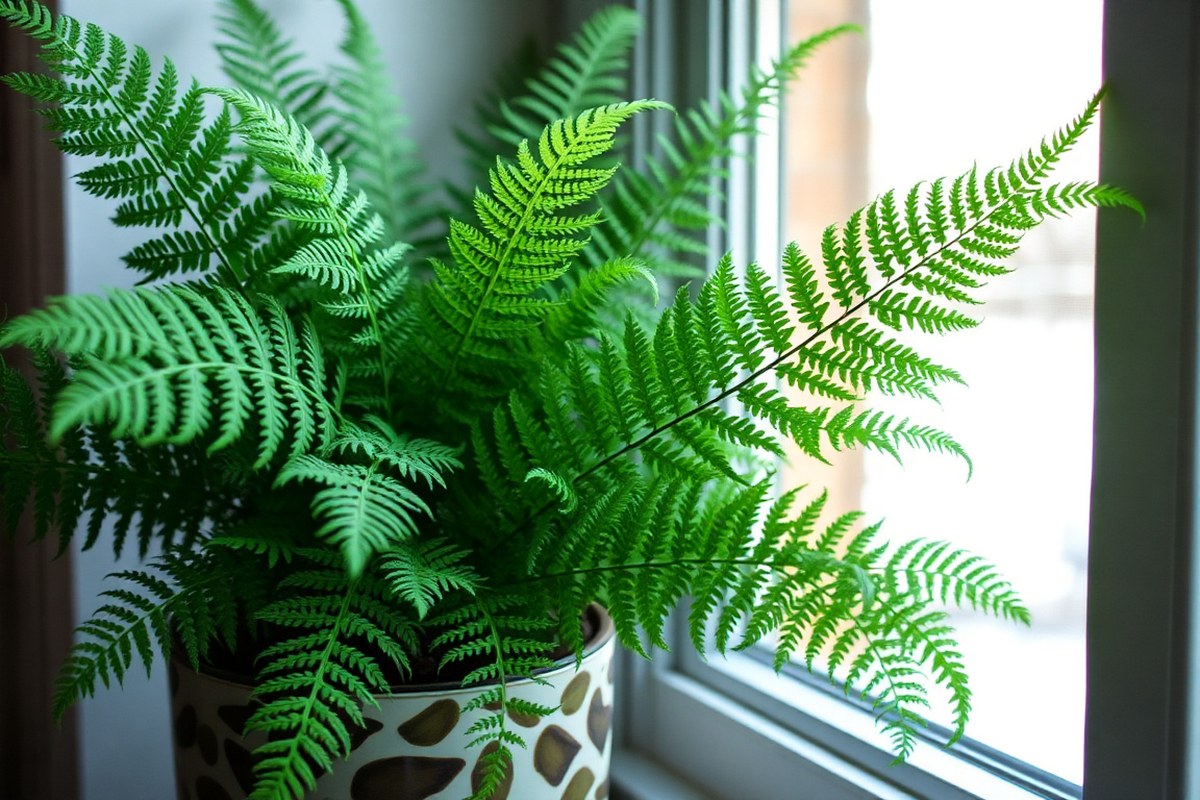
Knowing how to take care of ferns in the winter helps keep them healthy. Ferns need less water and cooler temperatures when it gets cold. Give them bright, indirect light and avoid sudden temperature drops to reduce stress.
Bring potted ferns indoors before nights fall below 50°F to prevent damage. Keep humidity steady, because dry indoor air can harm them fast. Use a humidifier or place a tray of water nearby to raise moisture levels.
You can keep some ferns in a cool garage or basement. The temperature should stay above 45°F without freezing. This helps protect them during cold weather while giving them a rest period.
Outdoor ferns need protection once the ground freezes hard. Applying a thick mulch layer helps keep roots safe from the cold. Watch for signs of stress like browning or drooping fronds early on to act quickly.
Key Takeaways
- Bring potted ferns indoors before temperatures drop below 50°F at night.
- Provide bright indirect light for indoor winter fern care.
- Keep indoor humidity between 50 and 70 percent for healthiest ferns.
- Water ferns sparingly, about every 7 to 10 days, checking soil first.
- Protect outdoor ferns with 2 to 3 inches of mulch after ground freezes.
- Maintain temperatures between 60 and 75°F for indoor ferns.
1. How to Care for Ferns During the Winter Season
Ferns need less water and light during winter. Their growth slows down when days get shorter and colder. For indoor ferns, keep soil moist but not soggy.
Let the top inch dry between waterings. Outdoor ferns require a deep watering before the ground freezes, especially if it’s been dry.
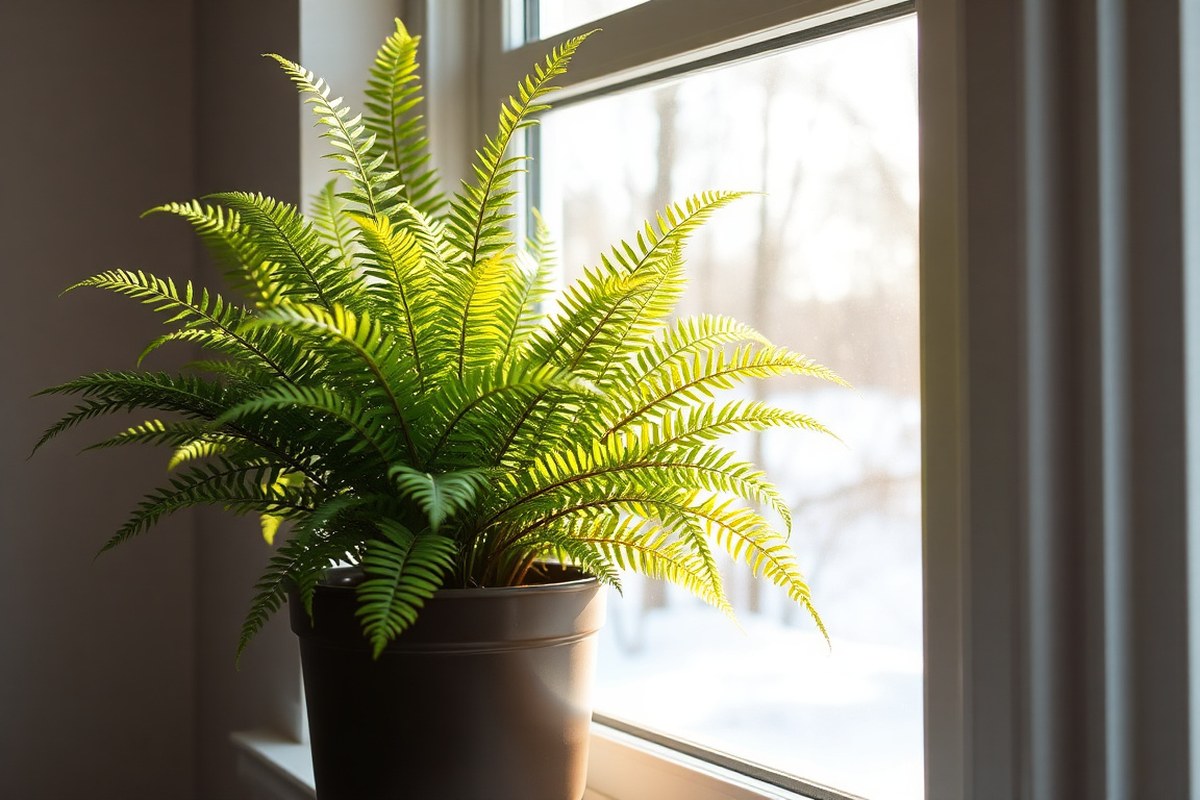
Bright, indirect light suits indoor ferns best. Avoid direct sun, which can dry them out. Outdoor ferns handle lower light but slow their growth and may go dormant.
Temperature matters, too. Keep indoor ferns in rooms warmer than 60°F. They can rest gently in spots above 45°F. Avoid colder temperatures to protect them. Outdoor ferns tolerate cold but protect tender types from harsh freezes.
Humidity drops a lot indoors during winter, often below 20%. Ferns like 50 to 70% humidity. So boost moisture by misting leaves or using a pebble tray with water.
Avoid heaters drying the air around your ferns. Maintaining steady moisture in both soil and air keeps fronds healthy all winter.
Key changes in winter care include watering less often and checking soil moisture carefully. Don’t let indoor ferns sit in waterlogged soil or dry out completely.
Outdoor ferns need a shelter or mulch in freezing areas to protect roots. Avoid fertilizing since ferns grow slowly in winter and don’t need extra nutrients.
Water indoor potted ferns about once a week. Check if the topsoil feels dry before watering. Adjust depending on your home’s humidity.
Outdoor ferns get one last deep watering before hard freezes. Place indoor ferns in a bright spot but away from radiators or drafts.
Use a humidifier or regularly spray the foliage to keep humidity up. Never leave ferns standing in cold, wet pots that freeze overnight.
Ferns aren’t fragile but need attention to moisture, light, and temperature changes in winter. Follow a routine that gently reduces watering and cares for humidity.
This way, you’ll see green, lively fronds come spring, not brown or dropping leaves. For outdoor types, a well-drained site with winter protection helps them return healthy in warmer months.
2. When and How to Bring Potted Ferns Indoors for Winter
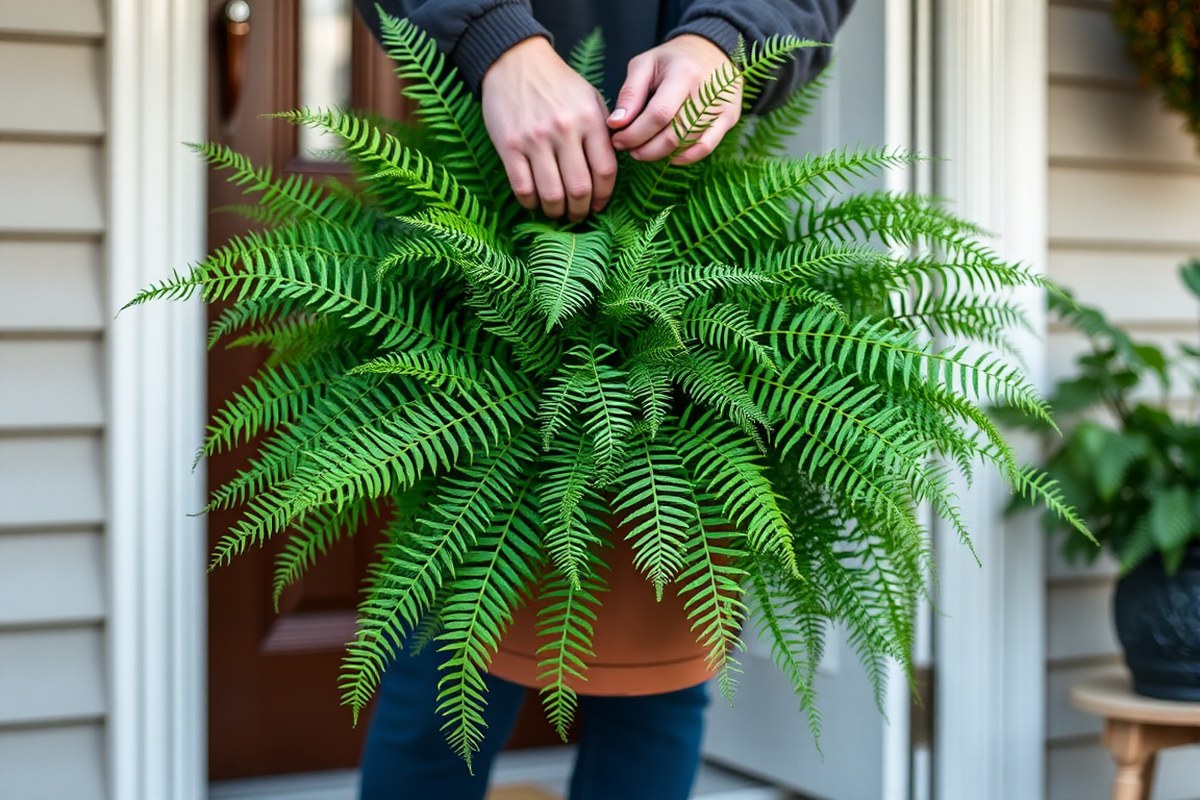
Potted ferns need to come inside before temperatures dip below 50°F at night. Bringing them indoors too late risks cold damage. You can avoid shock by easing them into lower light and humidity.
Ideal Temperature Thresholds for Moving Ferns Indoors
Bring tender ferns like Boston ferns indoors when nighttime temps approach 50°F. This warning point protects fronds from cold damage. Waiting until frost or freezing happens can cause crispy tips or brown leaves.
Keep an eye on your local weather forecast from early fall. Regular nighttime lows below 50°F mean it’s time to move your ferns inside. More cold-hardy types can stay out longer but still benefit from protection.
Acclimating Your Fern to Lower Light and Humidity
Ferns grown outdoors enjoy bright but indirect light with stable humidity. Indoor conditions usually vary, so ease the transition. Gradually reduce watering and move the pot to progressively dimmer spots over 1 to 2 weeks.
Lower humidity indoors can stress ferns. Mist your plant daily or place a shallow tray of water with pebbles nearby. This raises moisture around the fronds without soaking roots.
Try these steps to help your fern adjust slowly and avoid shock:
- Prune away dead or damaged fronds before bringing indoors.
- Move pot inside during the day, then back out a few hours.
- Shift the fern to a shaded spot indoors each day, avoiding direct sun.
- Mist leaves lightly each morning to maintain humidity.
- Reduce watering frequency slightly but keep the soil moist, not wet.
- Keep the fern away from heating vents or cold drafts.
- After 7 to 10 days, place the fern permanently indoors in its winter spot.
A sudden, full move indoors can cause leaf drop or frond browning.
Best Indoor Spots to Place Ferns During Winter
Choose a room with bright, indirect light as near an east-facing window. Avoid direct sun that can scorch delicate fronds. The consistent, filtered light supports ferns’ photosynthesis without stress.
Keep ferns away from heating vents, radiators, and drafty windows. Sudden dry heat or cold air can harm leaves. Bathrooms or kitchens with steady humidity are often good choices.
When your home has no bright spots, rest the fern in a cooler, shaded place. This reduces growth but helps the plant survive winter without damage.
3. Protecting Outdoor Garden Ferns Through Winter
Outdoor garden ferns survive winter by resting under a layer of their own fronds. Leave the fronds on hardy ferns, like Christmas or ostrich ferns, even after frost browns them. These fronds protect the crown against freeze damage and keep the plant insulated.
Apply mulch only after the ground has frozen to avoid trapping moisture. Use 2 to 3 inches of shredded leaves, straw, or pine needles around each fern’s base. This mulch shields roots from deep freezes and keeps soil temperature steady.
Pruning happens in late winter or early spring, not before cold sets in. Cut back old, dead fronds just before new growth begins. Pruning too early removes natural protection and can expose ferns to frost.
- Clear dead fronds and debris carefully without disturbing the crown.
- After frost, leave fronds standing to keep crown safe through winter.
- Apply a 2, 3 inch mulch layer after the ground fully freezes.
- Use mulch materials like shredded leaves, pine needles, or straw.
- Wait until late winter or early spring to prune old fronds.
- Shelter ferns from harsh wind by placing a burlap screen or windbreak.
- Ensure soil drains well to prevent root rot during freeze-thaw cycles.
Sheltering outdoor ferns from frost can include adding a burlap windbreak on coldest sides. This lets air circulate but blocks biting winds. Avoid plastic covers that trap moisture and can freeze onto leaves.
Mulching and leaving fronds standing means less work during winter and healthier ferns in spring. These steps cost little, just a bag of leaves or pine needles and some time. Good protection brings green, ready-to-grow ferns once warm weather returns.
4. Adjusting Watering Practices for Ferns in Winter
Ferns need less water during winter because their growth slows down. A watering schedule of every 7 to 10 days usually works well.
Check the top inch of soil before watering. Only water when that layer feels dry.
Checking soil moisture helps prevent overwatering, which can harm roots and cause brown fronds. Use your finger or a wooden stick to feel the soil’s moisture about one inch deep. Skip watering that day when soil feels damp below the surface.
Bottom-watering can work well in winter. Place your fern’s pot in a shallow tray filled with water for 15 to 30 minutes. The soil soaks up moisture from the bottom, avoiding waterlogged leaves and reducing mold risk.
- Feel the top inch of soil before watering
- Water every 7, 10 days, depending on dryness
- Use bottom-watering to keep surface dry
- Avoid soggy soil, it invites root rot
- Keep humidity up using pebble trays or humidifiers
- Skip fertilizing to prevent root stress
- Water deeply before the ground freezes outdoors
Letting soil dry out completely isn’t safe. Fern roots need steady moisture or they dry out. But too much water with low airflow will cause problems too.
Keep soil lightly moist during winter. Avoid making it soggy. This helps your fern thrive.
5. Managing Humidity Levels for Indoor Ferns During Winter
Ferns need higher humidity in winter because indoor heat dries the air. Most homes drop below 40% humidity, which stresses ferns. Using methods like humidifiers, pebble trays, or grouping plants helps keep them fresh and green.
Recommended Humidity Range for Winter Fern Health
Ferns do best in humidity between 40% and 60% during winter. Below 40%, fronds will dry out and brown quickly. Higher humidity supports healthy leaves and steady growth in cooler months.
Indoor heating cuts moisture from the air, so keeping humidity above 40% is key. Use a hygrometer to check levels near your fern. That helps you know if you need to add humidity.
Humidifier Types and Pros/cons for Ferns
Humidifiers are the most reliable way to raise indoor humidity near ferns. They work well for one plant or a whole group. Here’s a comparison of common types:
| Humidifier Type | Pros | Cons | Price Range |
|---|---|---|---|
| Ultrasonic | Quiet, uses little power, quick humidity boost | Needs regular cleaning to avoid mold | $30 – $70 |
| Evaporative | Self-regulating and less mold risk | Louder, uses more power, needs filter changes | $40 – $80 |
| Warm Mist | Kills bacteria with heat, good for dry rooms | Uses more energy, risk of burns | $40 – $90 |
The ultrasonic humidifier suits most indoor ferns best. Set it near your fern, about 2 to 3 feet away. Run it daily as needed to keep 40% to 60% humidity consistently.
Misting fern fronds alone won’t raise room humidity enough in heated homes. Use it sparingly to avoid wet leaves that breed fungus. Humidifiers keep the air moist more safely and steadily.
Setting Up a Pebble Tray and Grouping Plants
A pebble tray under your fern pot adds humidity close to the plant. Fill a shallow tray with pebbles and add water just below their tips. Place the pot on top, making sure roots don’t sit in water.
Group your ferns with other humidity-loving plants. This traps moisture between leaves and raises the immediate area’s humidity. Cluster pots at least a few inches apart so air can move freely and stops mold.
Keep water fresh in pebble trays and clean trays weekly to avoid mosquito breeding.
These methods cost little and work well to boost humidity naturally. They’re ideal if you have just a few ferns or supplement a humidifier. Together, they create a better microclimate indoors for your plants.
6. Choosing the Right Lighting and Temperature for Winter Fern Care
Ferns need low to medium light in winter, around bright indirect or full shade. Direct sunlight can burn their fronds as light gets harsher through windows. Place your fern near an east- or north-facing window for the best natural light without overheating.
If your home doesn’t get enough natural light, use a full-spectrum grow light. Position it 12 to 18 inches above your fern’s leaves. Keep the light on for about 10 to 12 hours daily to mimic natural daylight.
- Use a gentle, full-spectrum grow light
- Place light 12, 18 inches above the fern
- Run the grow light for 10, 12 hours per day
- Rotate your fern weekly for even growth
- Move ferns away from direct heat sources
- Avoid cold drafts near windows or doors
Ferns grow best between 60 and 75°F (15, 24°C). Keep them away from heaters and vents that dry out the air.
Cold drafts near windows or doors can cause leaf damage or drop. So seal gaps if needed.
Ferns tolerate cooler nights if the temperature doesn’t dip below 50°F (10°C). Consistent temperatures help reduce stress and slow growth safely. Avoid sudden temperature swings by keeping your fern in a steady spot.
7. Pruning, Repotting, and Dividing Ferns Before Winter
Prune ferns in late autumn to tidy dead fronds safely. Avoid repotting during winter; it stresses the plant when growth slows. Divide ferns in early fall for healthier, smaller plants that thrive during winter.
Late Autumn Pruning Best Practices
Pruning removes dead or yellow fronds that can invite pests or diseases. Do it after the active growth season but before the first hard frost. Use clean, sharp scissors or pruning shears to avoid damaging the fern.
Cut fronds back to the base of the plant, near the soil. Leave healthy green fronds alone to keep photosynthesis going into winter.
How to Divide a Fern Plant Properly
Dividing ferns in fall gives plants a better chance at winter survival. It also stops overcrowding and rejuvenates the fern for spring growth. Use a knife or garden spade to separate the root ball evenly.
Follow these steps for division:
- Water the fern a day before dividing to soften the soil and roots.
- Remove the fern from its pot or ground gently, keeping roots intact.
- Shake off excess soil to see the root structure clearly.
- Locate natural divisions or clumps in the roots to guide separation.
- Cut or pull the fern into smaller clumps with at least three fronds each.
- Trim damaged or dead roots before repotting divisions.
- Plant each division in a pot with fresh, moist soil suitable for ferns.
- Water the new pots lightly and place in indirect light to recover.
When to Repot and Soil Considerations
Repotting stresses ferns and should not happen during winter dormancy. Early fall is the best time to repot if needed. This timing lets plants recover before cold weather slows growth.
Choose a well-draining, rich potting mix with peat moss or leaf mold. Avoid heavy garden soil that holds too much water and risks root rot. Use pots with drainage holes to prevent water buildup.
8. Identifying and Fixing Common Winter Problems with Ferns
Browning and crispy fronds often mean your fern is too dry or exposed to cold drafts. Frost damage can cause leaves to turn brown and crisp quickly. Trim dead fronds at the base to keep your fern healthy.
Use a humidifier nearby. Keep your fern away from temperatures below 55°F to reduce stress.
Sudden leaf drop happens when temperatures dip too low or watering is inconsistent. Ferns don’t like cold spots or dry, heated air. Check your thermostat regularly.
Water your fern only when the top inch of soil is dry. This helps avoid shocking the plant.
| Problem | Cause | How to Fix |
|---|---|---|
| Browning fronds | Dry air, cold drafts, direct winter sun | Trim dead leaves, use humidity tray, avoid direct sun |
| Leaf drop | Temperatures below 55°F, irregular watering | Keep plant warm, water only when soil is dry |
| Yellowing leaves | Overwatering, poor drainage | Let soil dry, improve drainage, reduce watering |
| Pests/diseases | Spider mites, scale, fungal infections | Rinse leaves, use insecticidal soap, isolate plant |
Yellow leaves usually mean you are overwatering or the soil isn’t draining. Fern roots can rot fast in soggy soil during winter.
Water sparingly and lift your pot after watering to check for drainage. You want soil moist but never soggy.
Spider mites and scale bugs thrive in dry, warm indoor air. Look under the leaves for tiny spots, webbing, or sticky residue.
Wash your fern’s leaves gently with water and a mild insecticidal soap every week. Quarantine new plants to prevent spreading pests.
Overwatering is the most common winter killer for ferns. Saucer water or standing water in the pot should never happen. Feel the soil with your finger to judge moisture rather than sticking to a schedule.
Underwatering shows as crispy, brown leaf edges. Overwatering causes yellow leaves and mushy roots.
Trim brown fronds before moving indoors and rinse leaves to catch pests early.
Step-by-Step Action Plan for Winter Fern Care
Follow these simple steps to keep your ferns healthy all winter long. These actions cover both indoor and outdoor ferns.
- Before the first frost: Move potted ferns indoors or to a protected spot outdoors. Check leaves for pests and remove any dead fronds.
- Week 1 indoors: Place ferns near indirect sunlight and keep temperatures between 60°F and 75°F. Watch for slow growth, which means they’re adjusting.
- Week 2: Reduce watering to keep soil moist but not wet. Touch the soil; it should feel dry about an inch down before watering again.
- Week 3: Use a humidifier or place a tray of water near your indoor ferns. Leaves should look fresh, not dry or brown.
- Week 4: Check lighting. If natural light is low, use a grow light for 8, 12 hours daily. Watch for pale or droopy leaves as a sign of light stress.
- Monthly: Inspect ferns for yellowing or spots, which may signal pests or disease. Treat the problem promptly with gentle, fern-safe sprays or wipes.
- Before spring: Prune dead fronds and consider repotting if roots crowd the pot. New, healthy leaves should start to appear in early spring.
Frequently Asked Questions
What Signs Show a Fern Is Struggling in Winter?
Drooping, yellowing, or browning fronds often mean your fern needs more humidity or less direct heat. Brown leaf tips also show low moisture or dry air issues.
Can I Use a Humidifier to Help My Indoor Ferns?
Yes, a humidifier can raise indoor humidity to 50, 70%, which ferns prefer during winter. Keep it near your ferns but not blasting directly on leaves.
How Often Should I Mist My Indoor Ferns in Winter?
Misting helps but doesn’t replace humidity. Mist once or twice a week, especially if your home is dry. Avoid wetting soil or leaves too much to prevent mold.
Should I Fertilize Ferns During Their Winter Dormancy?
Avoid feeding your ferns in winter, as they aren’t actively growing. Resume fertilizing in early spring when new growth appears.
Can I Keep My Fern Near a Drafty Window in Winter?
No, drafts from windows or doors can chill ferns too much. Keep them in stable, draft-free spots where temperatures stay above 45°F.
Will a Fern Survive If Left Outside Through Frost?
Most tender ferns won’t survive frost, so bring them indoors or protect them. Hardy woodland ferns might endure with mulch cover but check your USDA zone.
The Bottom Line
Your ferns can thrive through winter with steady care and attention. Start by bringing your outdoor potted ferns inside before the cold hits. Keep an eye on their soil moisture and light levels to avoid common winter issues.