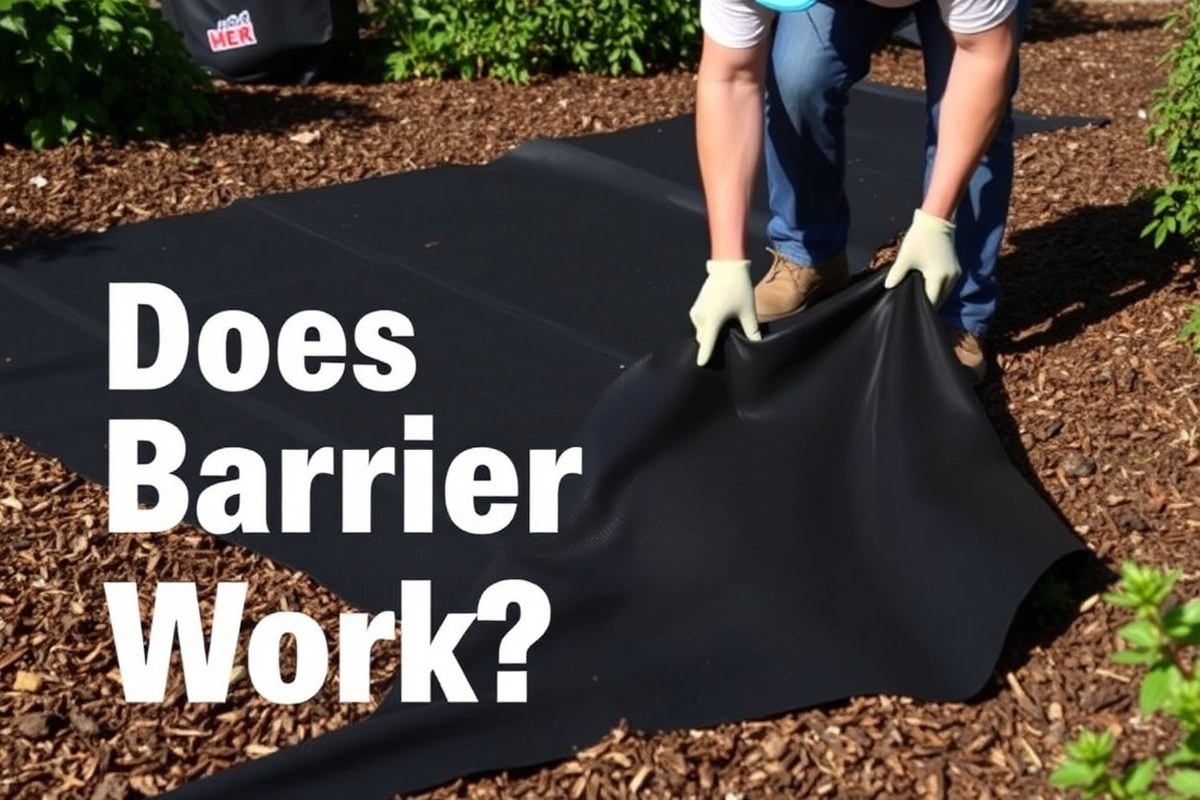
Does Weed Barrier Work? What Actually Works for Effective Weed Control
Does weed barrier work to stop weeds in your garden? Yes, weed barriers can block around 95% of weeds at first.
But they don’t last forever. They usually work well for one or two years before problems start.
Weed barriers work by blocking sunlight, which weeds need to grow. Good materials let water and air through but keep light away from weed seeds. If you choose the right barrier and install it properly, it can slow down weeds for a while.
Keep in mind that some weed barriers can harm soil health over time. They may compact soil or stop helpful microbes from doing their job. It’s smart to watch for these downsides as you plan your weed control.
Key Takeaways
- Choose a weed barrier with high opacity to block nearly 100% of sunlight.
- Use dual-layer woven and non-woven fabrics for better weed blocking and durability.
- Install weed barriers properly to avoid gaps where weeds can grow through.
- Check soil health regularly, as barriers can compact soil and harm microbes.
- Renew weed barriers every 1 to 2 years for sustained weed control.
- Consider mulch as a natural alternative with similar weed-blocking power.
Does Weed Barrier Really Prevent Weeds Effectively?
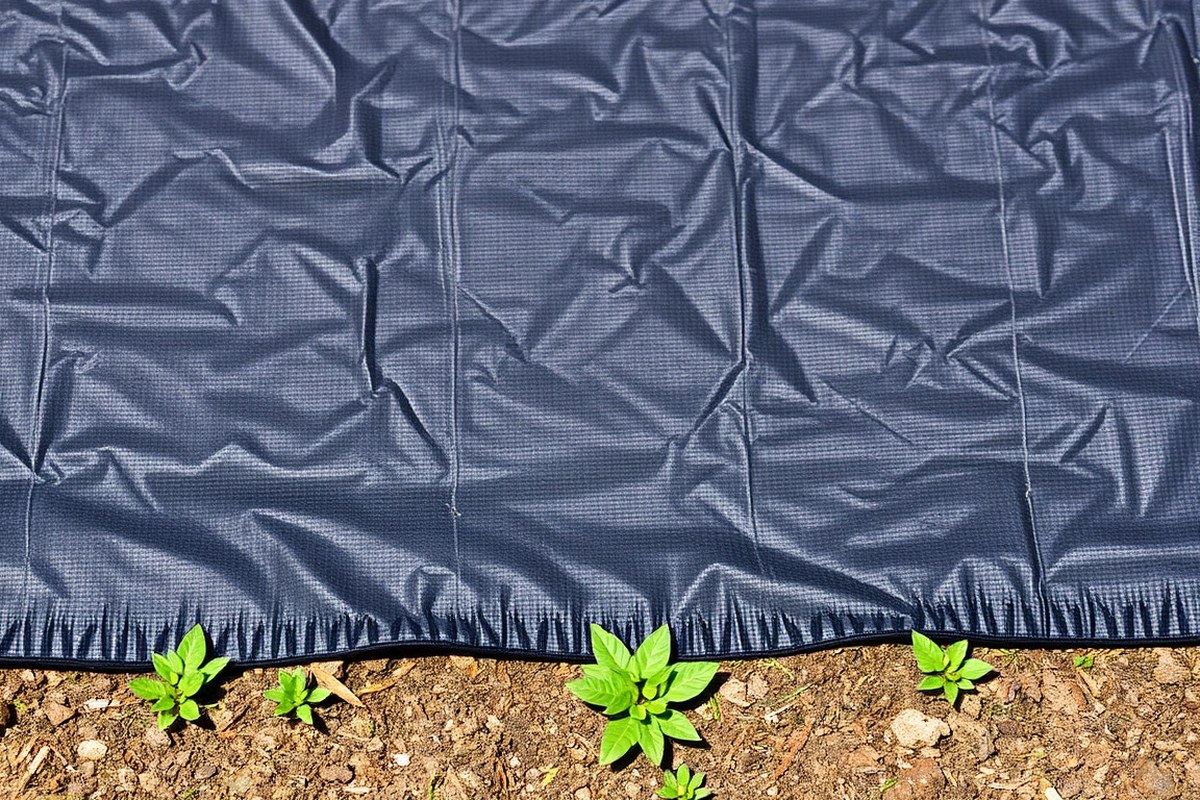
Weed barrier fabric blocks about 95% of weeds right after installation. This works because it stops sunlight from reaching weed seeds below.
You won’t get total weed control. But the barrier does cut down most weeds at first.
Over time, the fabric’s effectiveness drops, usually after one or two years. Soil and organic debris build up on top, letting weed seeds germinate there. Weeds start growing on the barrier’s surface, undoing the initial benefits.
Some weeds, especially tough perennial types, can grow through or around the fabric. Roots can push up through weak spots in the barrier. This happens if the barrier isn’t properly overlapped.
Also, it needs to be tightly secured to work well. This lets weeds bypass the fabric entirely.
Good installation helps a lot. Keep soil firm underneath and cut small planting holes.
But don’t make them too big. Secure edges tightly with landscape staples to avoid gaps where weeds sneak in.
Using weed barrier fabric takes work beyond just laying it down. You still need to pull or spot-treat any weeds that appear on top. Without this, a dense layer of weeds can form over a few years.
For lastingly clean beds, combine barrier fabric with mulch to block light and prevent debris buildup. Mulch also keeps the soil moist and healthy while reducing weed seeds. This helps extend the barrier’s weed-fighting power.
How Weed Barriers Work to Block and Control Weeds

Weed barriers work mainly by blocking sunlight from reaching the soil. Without light, weed seeds can’t germinate and sprout. This barrier stops new weeds from growing in your garden.
It blocks weed roots from reaching soil. It creates a tough layer on your landscape.
The fabric lays right on top of the soil surface. It keeps seeds from getting light they need. Without light, seeds won’t sprout and grow.
Yet, these materials still let air and water pass through. This airflow and moisture flow keep your soil healthy, unlike solid plastic sheets that trap moisture.
Besides stopping seed germination, some weed barriers also block roots. Heavy-duty woven geotextiles prevent roots from growing down through the fabric. This helps control weeds with deeper root systems that might otherwise push through thinner materials.
Some weeds can still grow despite the barrier. Perennial weeds with thick, established roots may find spots around edges or cracks to creep through. Seeds landing on the fabric might still sprout sometimes.
This happens if dirt or debris collects on top. It lets enough light and water reach seeds.
Overlap each section of barrier fabric by at least 6 inches. This helps stop weeds or roots from breaking through. Don’t leave gaps between sections.
The barrier also helps with water retention by reducing weed competition. Weeds no longer steal moisture, so your plants get more water. Weed barriers work well in dry places because they block light.
They let water and air pass through the fabric. This balance keeps soil healthy under the barrier.
Using natural cardboard or newspaper as a barrier blocks light well and breaks down in time. This helps control weeds where you don’t want permanent fabric. Yet, these materials lose effectiveness after a few months and need regular replacement.
Weed barriers block light to stop weed growth under them. They form a strong physical shield against roots. Meanwhile, the fabric allows water and air flow throughout.
They work best when installed carefully with overlaps and kept free of debris. Still, stubborn weeds and roots might find a way around them.
Types of Weed Barriers: Materials and Durability Compared
Weed barriers come in several types, each with different materials and lifespans. Synthetic fabrics, black plastic, biodegradable barriers, and organic mulches all work differently. Knowing their durability and environmental impact helps you pick the right one for your garden.
Synthetic Landscape Fabric
This fabric is usually made from polyester or polypropylene. It can last up to 10 years if installed well and protected from UV damage. Gardeners often use landscape fabric for permanent areas like pathways.
Synthetic fabric lets water and air through, which helps plant roots stay healthy. However, it can compact the soil beneath over time and is non-biodegradable. You need to cut and anchor it carefully to keep it in place.
High-quality options weigh about 3.2 ounces per square yard, balancing strength and flexibility. These costs vary but heavy-duty fabric generally runs $0.15 to $0.40 per square foot. You’ll spend more upfront but get longer-lasting coverage.
Black Plastic Mulch
Black plastic blocks sunlight completely, so it stops weeds very effectively. Its lifespan ranges from 1 to 3 years, depending on thickness and exposure. Plastic mulch also prevents rain from soaking in, which can cause water management issues.
This material does not allow soil to breathe and can contribute to pollution once discarded. It’s cheap, often less than $0.10 per square foot, making it popular for quick, short-term weed control. Installation means smoothing the plastic flat and securing edges tightly.
While good for warm-season vegetables, black plastic requires care to prevent overheating soil. It’s less flexible than fabric and harder to modify once laid down.
Biodegradable and Organic Barriers
These barriers come from paper, plant fibers, or other natural materials. They break down in 6 to 12 months, enriching your soil as they compost. Biodegradable fabrics help control weeds while improving soil health.
Unlike plastic or synthetic fabric, they’re environmentally friendly and reduce waste. You usually layer these materials with mulch to keep them moist and improve weed suppression. They’re best for vegetable beds or garden areas you change yearly.
Installation is simple: lay the barrier, wet it, then cover with mulch. Some brands offer thermal-wet management to retain moisture, aiding seedling growth during hot spells. Costs vary but natural materials often cost between $0.12 and $0.30 per square foot.
DIY Barriers Like Cardboard and Newspaper
Cardboard and newspaper work as cheap, biodegradable barriers. They last a few months before breaking down and need mulch on top for lasting effect. These materials are easy to find and reuse around the garden.
Layer several sheets to block light well, then soak them to keep them in place. They improve soil as they decompose but don’t last as long as commercial biodegradable fabrics. This method suits seasonal beds or small-scale garden projects.
One common mistake is leaving gaps or thin layers, letting weeds peek through. It’s fine to overlap edges and cover completely to stop weed growth successfully. The low cost and organic nature appeal to gardeners focused on sustainability.
How to Install Weed Barrier for Maximum Effectiveness
Start by clearing the area, then lay the fabric with overlaps. Secure edges tightly and add mulch on top. This method cuts down weed growth and keeps the barrier lasting.
Clearing and Smoothing the Area
Remove all weeds, rocks, and debris before laying the barrier. Even small roots can grow through gaps or holes. Smooth the soil surface to avoid lumps and bumps.
A flat base helps the fabric lie tight to the ground. Rough spots create air pockets where weeds can sneak in. Take your time to rake and level the area well.
Laying and Overlapping the Fabric Properly
Roll out the fabric flat without stretching it. Stretching can tear the material and reduce its strength. Make sure fabric edges overlap a minimum of 6 inches.
Overlaps block weeds from growing through seams or gaps. Place the fabric so no soil is exposed beneath or between layers. Cut holes only where plants will go, keeping the rest sealed.
Securing Edges and Adding Mulch
Use landscape staples every 12 to 18 inches along edges and overlaps. This prevents shifting from wind or foot traffic. Heavy fabrics might need more staples for firm hold.
After securing, add 2 to 3 inches of organic mulch on top. Mulch weights down the fabric and improves moisture retention in soil. It also hides the barrier and reduces fabric wear from sun exposure.
Common Mistakes That Reduce Weed Barrier Success
One common mistake is not overlapping the fabric edges enough. You should overlap the edges by at least 6 inches. Without this, weeds can quickly grow through the gaps and spoil your efforts.
Another error involves tears or gaps caused by poor handling or garden tools. Repair small holes by placing a patch of the same fabric over the tear.
Secure it with landscape staples, pushing them in every 6 to 8 inches. This keeps weeds from sneaking in.
Neglecting maintenance also causes problems. Dirt and debris clog the fabric’s pores, reducing water and air flow to the soil.
Clean the top periodically and pull away any weeds growing on top. This step keeps the barrier working well and supports healthy plants underneath.
Using the wrong fabric type for your soil or weeds can lead to failure. In heavy clay soil or tough weed beds, pick denser fabric. It resists root growth better in these cases.
This fabric lasts longer against stubborn roots. Reinforce your barrier if you spot weeds pushing through, or replace it with a stronger material.
Leaving the barrier in place too long without renewal causes degradation. Natural, biodegradable fabrics break down within a year and need annual replacement. Synthetic types last longer but lose effectiveness over time.
Check your barrier every season to spot wear. Replace it if you see damage. This is important for vegetable gardens especially.
Gaps at plant bases let weeds sneak under the fabric. Seal fabric close to stems to stop weed growth. Don’t leave any space where fabric meets plants.
Cut fabric carefully around plants, leaving a snug fit without exposing excess soil. Use mulch on top to block light and discourage weed seeds from sprouting.
Overlap fabric edges by at least 6 inches to stop weeds. Small gaps let weeds grow through cracks easily. Make sure edges cover well to block weeds.
Does Weed Barrier Harm Soil Health or Garden Plants?
Weed barriers can help soil retain moisture by reducing evaporation. This means your plants get steadier access to water, which is helpful during hot, dry periods. Dirt and debris block the fabric’s pores over time.
This lowers water flow to plant roots. It also reduces air flow to the roots.
Air circulation is important for healthy roots and soil microbes. Synthetic weed fabrics cut down airflow in the soil. This hurts helpful microbes living in the soil.
These microbes need air to survive. These microbes break down organic matter and support plant growth. So limiting their activity can weaken your soil’s health.
Soil temperature can rise under some weed barriers, especially black plastic. This warming sometimes encourages faster plant growth, like in corn fields where yields increased a bit. Too much heat can stress plants.
It also causes soil to dry out faster. This is a problem long term.
Plant roots need room to grow and breathe. Traditional weed fabrics block sunlight from reaching soil. They also stop roots from growing into or under the fabric.
This limits root expansion. Roots can get tangled with weeds under the fabric.
This makes removal hard and messy. It also harms root health.
Organic mulches, like cardboard, newspaper, or burlap, feed soil microbes and add organic matter. Synthetic fabrics don’t help soil life like organic mats do. They limit the exchange of organic matter with soil.
This slowly harms soil life. This leads to poorer soil quality over time and less support for strong plants.
Using a good weed barrier requires tradeoffs. You gain water retention but might reduce oxygen and microbial activity. Keep fabrics clean from debris to help soil breathe.
Pick fabrics that allow air to pass through. Don’t cover active root areas with fabric. Inspect often and replace when clogged to support better soil health.
Alternatives to Weed Barriers for Long-Term Weed Control
Weed barriers work. But other methods can be just as good or better for long-term control.
Organic mulches, manual weeding, cover crops, and professional landscaping all have their strengths. Some can even improve soil health and garden flexibility more than barriers do.
Organic Mulches and Their Benefits
Organic mulches like bark chips, straw, and wood chips block sunlight, preventing many weeds from sprouting. A 2 to 3-inch layer slows weed growth and keeps soil moist, which helps your plants.
Mulches break down over time, adding nutrients to the soil. Unlike barriers, they don’t block water or air flow, making the soil healthier long-term.
Applying mulch costs about $30 to $60 per yard. The price depends on the mulch type.
Mulch usually lasts for several months. You just need to replenish it as it decomposes or shifts around.
Manual and Mechanical Weed Removal
Hand-pulling weeds works well in small gardens or areas where you want to avoid chemicals. It’s more labor-intensive but lets you keep the soil loose and healthy.
Using tools like hoes or weed pullers speeds up the work. Removing weeds before they flower stops seeds from spreading.
This method costs almost nothing. You need to pay attention every 1 to 2 weeks.
This is important during the growing season. Neglect leads to more weeds and a bigger job later.
Using Cover Crops for Weed Suppression
Cover crops like clover, rye, and vetch shade the soil and outcompete weeds for nutrients. They also improve soil structure by adding organic matter.
Plant cover crops between growing seasons or as companions to your main plants. They protect your garden in fall and winter.
This reduces weed pressure by up to 70%. That works in many cases.
Seeds cost $15 to $50 per pound. Planting is simple, just spread or drill before the next planting cycle. Cover crops need mowing or turning into the soil before the next crop.
Professional Landscaping and Integrated Approaches
Hiring a professional can be smart for large or high-traffic areas. Pros use a mix of methods like selective herbicides, mulching, and mechanical control combined.
They can customize plans that fit your soil type, climate, and garden goals. This approach often saves you time and hassle while keeping weeds managed year-round.
Costs range from $50 to $100 per hour. Some jobs have fixed prices.
It depends on job size and techniques used. It’s worth calling a pro if weeds seem overwhelming or keep returning.
How to Maintain and Replace Weed Barriers over Time
Check your weed barrier twice a year, ideally in spring and fall. Look for holes, tears, or areas where weeds poke through. These signs show the barrier is wearing out or damaged.
Keep the barrier effective by clearing off debris like leaves and dirt. Use a rake or your hands to remove buildup. This lets sunlight and water reach plants while keeping weeds behind the barrier.
Mulch on top of the fabric using organic materials like wood chips or shredded bark. This slows fabric wear and adds nutrients as mulch breaks down. Add a 2- to 3-inch layer once or twice a year for best results.
Slowly repair small tears with landscape fabric tape or heavy-duty staples. Cut a patch larger than the damaged area and press it down firmly. This prevents weeds from sneaking in through gaps.
Replace your weed barrier every 3 to 5 years, depending on wear and sun exposure. Ultraviolet light weakens fabric fibers, causing holes and shredding. If you see large holes, fabric thinning, or heavy weed growth, it’s time to replace it.
When replacing, pull up old fabric carefully to avoid disturbing your soil. Remove leftover staples or pins so new fabric lies flat. Lay the new barrier tightly, overlapping seams by 6 to 12 inches to block weeds better.
Keep an eye on high-traffic areas and spots near garden borders. These tend to wear out faster due to foot traffic and mowing. Checking these spots monthly can catch damage early for quick repair.
Don’t skip the step of overlapping new fabric edges by at least 6 inches during replacement. It prevents weed growth between seams.
Step-by-Step Action Plan to Use Weed Barriers Effectively
Follow these steps to install and maintain your weed barrier for the best results.
- Before you start: Clear the area of all existing weeds and debris. Check that the soil is moist but not soggy.
- Day 1: Lay your chosen weed barrier fabric flat over the soil. Ensure it overlaps by at least 6 inches at the seams to stop weeds.
- Day 2: Use landscape staples every 12 inches to hold fabric down. This stops it from moving in wind or rain.
- Day 3: Cut holes for plants as needed. But keep cut edges tight to prevent weeds from sneaking in.
- Week 1: Apply a 2 to 3-inch layer of mulch over the fabric. This protects against sunlight and adds weight to hold it down.
- Week 4: Check around plants and fabric edges for any weed growth. Remove weeds by hand immediately to stop spread.
- Every 6 months: Inspect the fabric for tears or wear. Patch or replace sections to maintain full coverage.
- After 1 year: Check if the fabric is brittle or damaged. Replace it then to keep blocking weeds well.
Frequently Asked Questions
What About Weed Seeds That Land on Top of Weed Barrier Fabric?
Weed seeds on top can still sprout without mulch covering them. Adding mulch blocks light and stops those weeds from growing above the fabric.
Can Weed Barriers Improve Water Use in Gardens?
Yes, they help keep soil moisture by reducing evaporation. This can lower your watering needs between rains or watering sessions.
Does Weed Barrier Fabric Affect Earthworms and Beneficial Insects?
It may reduce their movement in covered soil areas. Using barriers only where needed helps keep soil life active elsewhere in your garden.
How Long Does Plastic Weed Barrier Last Compared to Fabric?
Plastic generally breaks down slower, lasting 2 to 5 years depending on exposure. Fabric usually lasts 1 to 2 years before degrading or losing effectiveness.
Are Biodegradable Weed Barriers Effective?
Biodegradable barriers work well short-term and improve soil over time. They break down naturally, so you don’t have to remove them later.
Can You Plant Directly Through Weed Barrier Fabric?
Yes, but you must cut holes for your plants first. This prevents weeds but lets your plants grow without competition.
Wrapping Up
Weed barriers can greatly reduce weed growth when properly installed and maintained. Keep an eye on the fabric and mulch to stop weed roots from reaching sunlight. Try laying your barrier this weekend and watch how much easier your garden stays weed-free.