How Long Does It Take for Pomegranate to Grow? A Complete Guide for Beginners
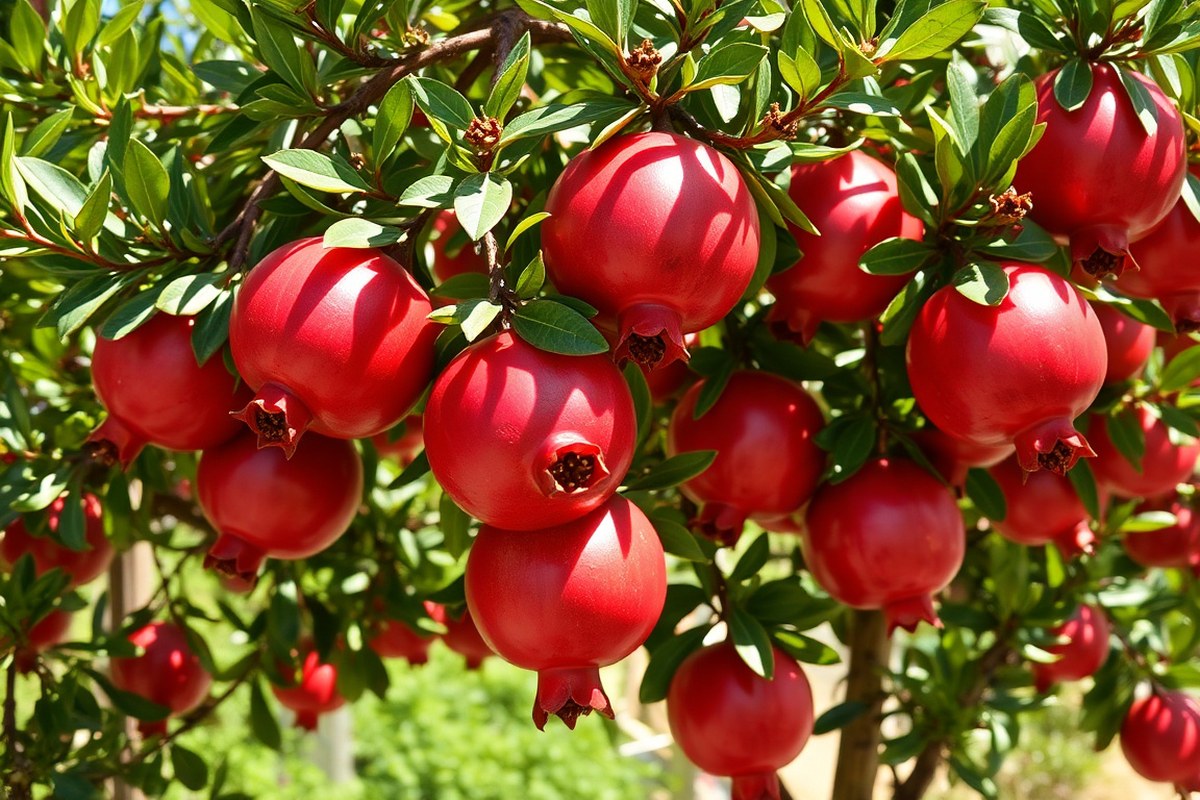
Wondering how long does it take for pomegranate to grow? Typically, pomegranate trees begin to bear fruit in about 3 to 5 years after planting. This time frame varies depending on climate, soil, and the planting method used.
Choosing a variety known for quicker fruiting helps speed up harvest time. Start your tree in well-draining soil with plenty of sunlight each day. Avoid planting in regions where freezing temperatures occur often, as cold harms fruit development.
Proper care makes a big difference in how fast your tree grows. Regular watering without overdoing it, combined with seasonal pruning, encourages fruit production. Poor drainage or inconsistent watering can slow growth and delay fruit.
Supporting your pomegranate tree with nutrient-rich soil also helps. Fertilize in early spring and mid-summer for best results. With steady care, your tree will reward you with juicy, flavorful pomegranates after a few years.
Key Takeaways
- Pomegranate trees usually bear fruit after 3 to 5 years of planting.
- Choose fast-fruiting varieties to reduce waiting time for fruit.
- Plant in well-draining soil with full sun exposure for best growth.
- Avoid cold areas below Zone 8 to help fruit set successfully.
- Prune young trees starting in their second year to encourage strong growth.
- Water consistently but avoid soggy soil to prevent root issues.
How Long Does It Take for Pomegranates to Bear Fruit?
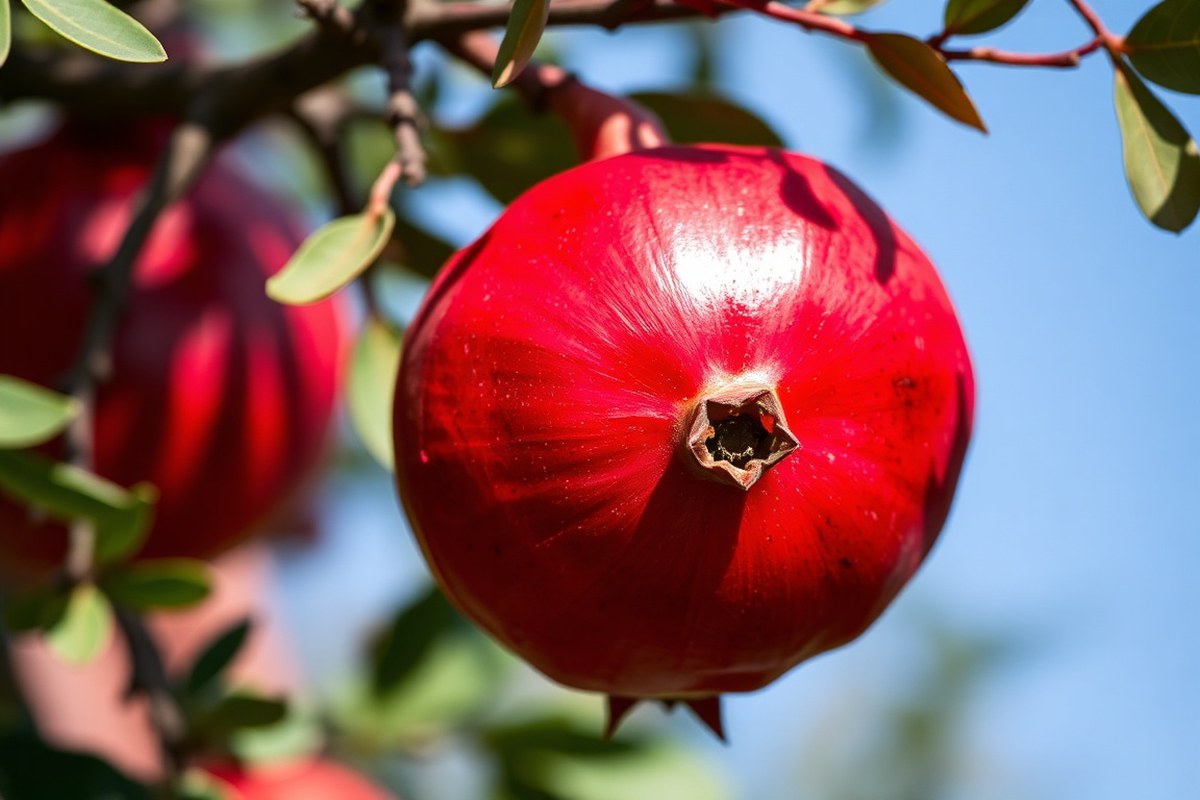
Pomegranate trees usually take about three to five years to start bearing fruit. Seed-grown trees usually take about 4 to 6 years to fruit. They need time to germinate first.
Then they establish strong roots before fruiting. Trees from cuttings or saplings fruit faster.
They often produce fruit in 2 to 3 years. This helps you get fruit sooner after planting.
You’ll see the first flowers on your pomegranate tree between the second and third year. Fruits develop from these flowers and usually take five to seven months to ripen fully.
Beginners can expect their first small harvest around the third year with cuttings. Closer to the fifth year with seed-grown trees.
| Plant Type | Timeline to Fruit | Notes |
|---|---|---|
| Seed-grown tree | 4-6 years | Longer wait due to root and shoot development |
| Cutting-grown tree or sapling | 2-3 years | Faster fruiting thanks to mature plant material |
| First flowers appear | 2-3 years | Marks start of fruit production phase |
| First harvest | 3-5 years | Depends on planting method and conditions |
| Full production (mature tree) | 5+ years | Tree height 12-15 feet, well-established |
Starting from seeds costs less but takes patience. Expect smaller bushes in the first one or two years as the plant focuses on roots.
Cuttings from a nursery cost more but help you skip the early slow growth phase. Choose cuttings if you want fruit sooner without waiting years.
The environment also affects timing. Sunlight, soil, and climate determine how soon flowers and fruits form. Warm climates speed up fruiting for pomegranate cuttings.
Harvest can happen in about two years under good conditions. This shortens the wait time for fruit. Cooler zones might stretch this period closer to five years even with saplings.
Key Growth Stages of a Pomegranate Tree

Pomegranate trees grow through clear stages: germination, seedling, juvenile, and maturity. Each stage lasts a specific time and shows different signs. Knowing these helps you care for your tree properly.
Seed Germination and Early Seedling Growth
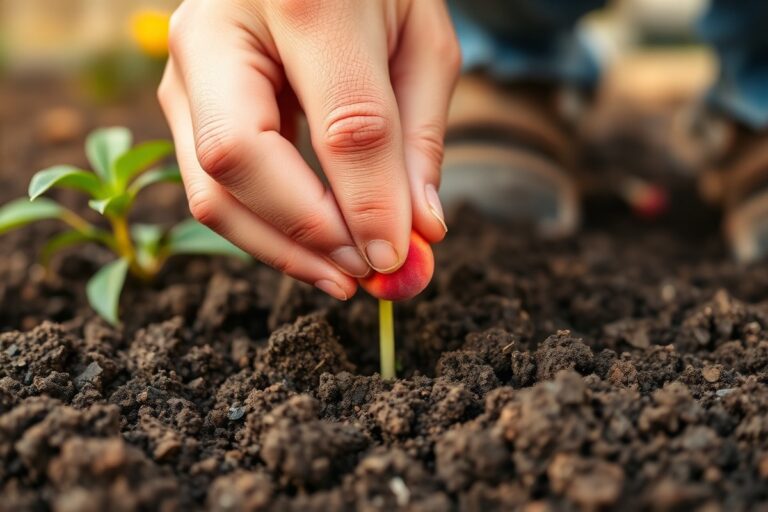
Seed germination begins soon after planting, usually in 4 to 6 weeks. The seed sprouts a small stem with two round seed leaves. This stage lasts about 1 to 3 months while roots and leaves develop.
The seedling stage is fragile. It needs good warmth, about 70 to 85°F, and consistent moisture. Watching for the seed leaves is the best way to tell that germination succeeded.
Here’s how to support this stage:
- Plant seeds in loose, well-drained soil in spring.
- Keep soil moist but not soaked.
- Provide warmth around 70 to 85°F consistently.
- Place seeds where they get indirect sunlight.
- Watch for the first small leaves to appear.
Keep the soil evenly moist during germination to avoid drying out the young seedling.
Juvenile Stage: Developing Roots and Foliage
After seedlings emerge, the tree enters the juvenile phase. This lasts from 6 months up to 2 years. The tree grows roots and leaves, but does not flower yet.
During this stage, the tree builds a strong root system with a thick taproot. It also grows branches and leaves to prepare for fruit production. Expect steady growth but no fruit.
Watch for new, healthy leaves and taller branches. Sharp spines begin appearing on branches as the tree toughens.
- Allow the tree to grow without stress or heavy pruning.
- Water deeply but less often to encourage root depth.
- Fertilize lightly to boost leaf and root growth.
- Watch for healthy, dark green leaves and thorns forming.
- Protect young branches from damage or pests.
This stage focuses on growth, so avoid heavy fruit stresses like premature fruit removal.
Maturity, Flowering, and Fruit Development
By about 3 to 4 years old, the tree reaches maturity. It grows 10 to 15 feet tall and can begin flowering. Flowering marks the start of the fruiting process.
Flowers appear in late spring to early summer after regular growth. Within weeks, these get fertilized and turn into fruit. Fruit ripens 6 to 7 months after flowering, usually in late summer to fall.
Watch closely for flowers first, then swelling fruit. This indicates your tree is healthy and productive.
- Encourage flowering with full sun exposure daily.
- Provide regular deep watering during blooms and fruit set.
- Apply fertilizer rich in potassium and phosphorus.
- Monitor flower development for pest or disease issues.
- Expect ripe fruit after 6 to 7 months post-flower.
Without adequate sunlight or water during flowering, fruit yield may drop significantly.
How Climate and Environment Affect Pomegranate Growth
Pomegranate trees grow best in warm climates with long growing seasons. Zones 8 through 10 are ideal because they offer summer temperatures between 70 and 90°F. Cooler zones slow growth and delay fruiting. Frost risks damage buds and young fruit, pushing back harvest times.
Sunlight is critical. Pomegranates need 6 to 8 hours of direct sun daily to flower and set fruit quickly. Less sunlight stunts growth and lengthens the time to mature fruit.
They also grow well when days feel warm. Nights should be cooler. Cooler nights help the fruits ripen the right way.
Soil quality plays a big role in how fast your tree grows and fruits. Well-drained soil with good fertility supports steady development. Heavy clay or waterlogged soils can drown roots and slow growth significantly.
- Plant in full sun where you get 6 to 8 hours of direct light daily
- Choose well-drained soil with a neutral to slightly acidic pH (5.5 to 7.2)
- Keep soil consistently moist but not soggy, especially for young trees
- Protect trees from frost by using covers or planting near walls for warmth
- In colder zones, use dwarf varieties that tolerate cooler temps better
- Apply mulch to regulate soil temperature and retain moisture during dry spells
Adjust your care depending on your climate zone. In hotter areas like Arizona, water deeply but less often to avoid root rot.
In borderline zones, pruning after frost helps maintain healthy growth. Tracking local frost dates aids in planning planting and protection.
Growing pomegranates in the right environment means faster flowering, quicker fruit set, and better yields. Avoid planting where frost regularly hits after spring bloom. Regularly test soil and amend it to prevent nutrient deficiencies that slow the tree’s growth cycle.
Choosing the Right Pomegranate Variety for Faster Fruiting
Choosing the right pomegranate variety matters for fruit timing. It also affects how large your tree will grow. Pick a variety that matches your space and goals.
Dwarf types often fruit faster, sometimes within 1 to 2 years. Standard varieties take longer to start but grow taller, sometimes reaching 12 to 20 feet.
Some cultivars are better for containers or colder climates than others. Dwarf pomegranates fit well in pots and smaller spaces. Standard types usually need more room and warmer weather but produce larger fruit.
| Variety | Tree Size | Time to Fruit | Fruit Size | Best Use | Container Friendly |
|---|---|---|---|---|---|
| Wonderful | 12-20 feet | 3-4 years | Large | Juicing | No |
| Angel Red (dwarf) | Up to 6 feet | 1-2 years | Medium | Eating fresh | Yes |
| Plantation Sweet | Up to 6 feet | 2-3 years | Medium to large | Eating & Containers | Yes |
Use dwarf varieties like Angel Red if you want quick harvests in smaller spaces. They do well in containers and start fruiting in 1 to 2 years. Standard types like Wonderful suit larger gardens but take 3 to 4 years to fruit.
Choosing a variety depends on your space and patience level. Dwarf trees cost less to maintain.
They need less pruning and fit on patios. Standard trees need more room but offer bigger yields after several years.
Pruning, Watering, and Fertilizing to Encourage Early Fruiting
Proper care helps your pomegranate tree bear fruit faster. Pruning, watering, and fertilizing each play a key role. Following clear steps ensures your tree grows strong and starts fruiting early.
Pruning Techniques to Stimulate Flowering
Start pruning when your pomegranate tree is about one to two years old. This shapes the tree and encourages flower and fruit development. Focus on removing weak or crossing branches to promote strong growth.
Prune once a year after the first year to keep the tree healthy and productive. Light pruning prevents overcrowding and helps fruiting branches get more light. Keep the tree’s height manageable by trimming to about 6 to 12 feet tall.
Here’s a step-by-step pruning guide to encourage early flowering and build a strong base:
- Cut back weak and damaged branches near the base each winter.
- Remove suckers from the trunk except two or three vigorous ones.
- Shape the tree by removing crossing or inward-growing branches.
- Trim back any branches that grow too tall to keep accessible.
- Thin crowded branches to improve air circulation and sunlight.
- Cut back last year’s growth lightly to push new flower growth.
- Use clean, sharp pruning shears to make smooth cuts.
Do not prune heavily in late summer or fall; it delays fruit development.
Watering Schedule for Optimal Growth
Your pomegranate tree needs consistent watering, especially during flowering and fruit set. Deep watering once every 7 to 10 days works well in warm weather. Avoid overwatering, soggy soil can cause root problems.
When fruits start developing, increase watering to every 5 to 7 days. This helps the tree support fruit growth without stressing.
Check the soil moisture by inserting your finger about 2 inches deep. Water if it feels dry.
Use mulch around the tree base to keep moisture steady and reduce weeds. Keep watering less frequent in cooler months to avoid root rot.
Avoid watering leaves to reduce the risk of fungal diseases like leaf spot.
Fertilizer Types and Timing for Fruit Production
Feed your pomegranate tree with a balanced fertilizer high in nitrogen early in the growing season. A 10-10-10 or 12-12-12 mix works well in spring. Apply about 1/2 to 1 pound per mature tree, spreading evenly under the canopy.
Switch to a fertilizer higher in phosphorus and potassium, like 5-10-10, when flowers appear. This helps boost fruit set and quality. Apply fertilizer every 6 to 8 weeks during the growing season.
Use compost or aged manure in early spring to improve soil health. Avoid over-fertilizing, which can cause excessive leafy growth and fewer flowers.
Always water in fertilizer after application to prevent root burn and improve uptake.
Effects of Growing Pomegranates from Seeds vs Cuttings
Growing pomegranates from seed takes longer than using cuttings. Seed germination usually happens in about two to three weeks when kept at 65-75°F (18-24°C).
After that, seedlings grow slowly and often take up to six years to bear fruit. Seeds don’t always produce trees identical to the parent, which can affect fruit quality.
Cuttings generally root faster and produce fruit sooner. Hardwood cuttings should be 8 to 10 inches long. Take them in late winter from last year’s growth.
They root in four to six weeks with proper care. Trees grown from cuttings can start fruiting in three to five years, matching most nursery-grown trees. Cuttings guarantee the new plant is a clone, keeping the parent’s traits intact.
Care for seeds and cuttings differs mainly in early stages. Seeds need consistent warmth and moisture for germination but are less prone to rot.
Cuttings require rooting hormone, moist but not wet soil, and stable temperatures to avoid drying out. After rooting, both methods respond well to regular watering, feeding, and pruning to speed healthy growth.
- Seed germination takes 2-3 weeks at 65-75°F (18-24°C)
- Cutting roots appear in 4-6 weeks when kept moist
- Seed trees can fruit in 5-6 years; cutting trees in 3-5 years
- Seeds may grow true to type less often than cuttings
- Cuttings need rooting hormone and careful moisture control
- Seedlings require warmth; cuttings need stable temperatures
- Both plants benefit from regular watering and fertilizing for growth
Seeds show new plants can vary, so they suit gardeners experimenting with genetics. Cuttings are better if you want predictable growth and earlier fruit. The extra time and care for seeds might discourage some growers.
But it’s a low-cost start. Rooted cuttings cost more but save years before you get fruit.
Common Mistakes That Delay Pomegranate Growth and Fruiting
Delays in pomegranate fruiting often happen because of a few care mistakes. Planting in poor soil or shady locations cuts down sunlight and nutrient uptake. Without enough sun, the tree might grow leaves but not produce flowers or fruit.
Watering errors are common, too. Pomegranates tolerate drought, but overwatering can drown roots and trigger fungal issues. Look for wilting, yellow leaves, or slow growth as signs your tree is stressed.
Spot these symptoms? Cut back on watering and let soil dry first.
Pruning can either help or hurt fruiting timing. Heavy pruning or cutting back too late in the season delays flowering. Prune just after harvesting fruit or in late winter to avoid cutting off next season’s buds.
- Plant in full sun with well-draining soil for best growth.
- Water deeply but infrequently, allowing soil to dry out.
- Prune lightly in late winter or just after harvest only.
- Watch for wilting or yellow leaves to catch stress early.
- Check soil pH; pomegranates prefer slightly acidic to neutral.
- Remove old or diseased wood to boost tree health.
Failing to flower after years shows your tree may be stressed. Stress can come from a few factors. You need to check what is stressing it.
Double-check the location, water schedule, and pruning habits. You can also test soil nutrients and add balanced fertilizer in early spring.
Avoid high nitrogen fertilizer, which promotes leaf growth over flowers. Patience matters; some trees take 2 to 3 years to flower, depending on variety and conditions.
Keep an eye out for pests like leaf-footed bugs, which can damage fruit and slow development. See cracked or rotting fruit? Check for fungal diseases from too much moisture.
Remove infected fruit quickly to stop disease spread. This keeps fruiting on track. Act fast to protect your tree’s health.
How Growing Conditions Influence Pomegranate Production Timelines
Container Size and Soil Requirements
Pomegranates grow slower in containers than in the ground. Smaller pots restrict root growth, limiting the tree’s access to nutrients and water.
Choose a pot at least 15 to 20 gallons to allow room for roots. Use well-draining soil mixed with compost to keep roots healthy. Poor drainage can cause root rot and delay fruiting.
Winter Protection Strategies
Pomegranates are hardy but still need protection during cold winters. Moving containers indoors or into a garage when temperatures drop below 32°F helps save the tree.
Wrap containers in insulation or cover them with frost cloth if you can’t move them. This prevents cold damage, letting the tree grow and fruit earlier the next season.
- Move pots indoors or to sheltered spots before frost hits.
- Wrap pots with bubble wrap or burlap to insulate roots.
- Use frost cloth or garden fabric over the tree on cold nights.
- Check soil moisture regularly to avoid drying out in winter.
- Prune dead or damaged branches to reduce stress on the plant.
Don’t let pomegranate soil freeze solid; it stops root activity and delays fruiting.
Microclimate Adjustments for Faster Growth
Choose a spot with full sun, at least six hours daily, to speed growth and fruiting. South-facing walls or patios absorb heat, warming the tree.
Using windbreaks like fences or shrubs protects against cold winds, which can slow development. Heat reflects off light-coloured surfaces and can boost microclimate warmth.
Adding mulch around the pot keeps roots warm and moist. It reduces stress on the plant. This helps fruit develop faster.
Water and Fertilizer Management in Containers
Container-grown pomegranates dry out faster. So water deeply when the top inch of soil feels dry. Overwatering causes root problems, which slows fruit growth.
Feed trees monthly with an all-purpose fertilizer higher in potassium to promote flowering and fruit set. Balanced nutrition reduces delay in fruit production.
- Water thoroughly but let soil dry slightly between watering.
- Use a fertilizer with at least a 1:1:2 ratio of N-P-K.
- Stop feeding about 6 weeks before expected harvest.
- Flush soil occasionally to prevent salt buildup.
- Check for pests regularly and treat as needed.
Step-by-Step Action Plan to Grow Pomegranates Faster
Follow these steps to help your pomegranate tree grow and bear fruit as soon as possible. Each step shows what to do and how to know it worked.
- Before planting: Choose a pomegranate variety known for early fruiting, like ‘Nana’ or ‘Wonderful’. You’ll see healthy nursery plants and clear labels.
- Planting day: Pick a sunny spot with well-draining soil. Dig a hole twice the root size. Success means no water pooling around the plant.
- Week 1: Water deeply right after planting and check soil moisture every 3 days. The soil should stay moist, not soggy.
- Month 1: Apply a balanced fertilizer with equal N-P-K numbers. Use the amount on the label. Look for healthy green leaves showing good growth.
- Month 3: Prune the plant to remove weak or crowded branches. The tree should look open with space for sunlight and air.
- Month 6: Mulch around the base to retain moisture and control weeds. Check if mulch stays in place and soil stays moist longer.
- First year, late growing season: Keep watering regularly but reduce in winter. You should notice flower buds forming near branches.
- After 12 months: Watch for fruit growth on flower clusters. This shows your tree is starting to produce pomegranates.
Frequently Asked Questions
How Long Does It Take for a Pomegranate Tree to Reach Full Size?
A pomegranate tree takes about 10 years to reach full grown size. Its height and spread range from 10 to 20 feet based on type and care.
Does Soil Quality Impact the Speed of Pomegranate Tree Growth?
Yes, good soil speeds up growth and fruiting. Pomegranates prefer well-drained, loamy soil to develop strong roots faster.
Can Pomegranate Trees Grow Indoors or in Containers?
Pomegranates can grow in large containers but fruiting may take longer. They need plenty of sunlight and space for best growth.
How Long Does It Take for a Pomegranate Flower to Develop into a Ripe Fruit?
It takes about 5 to 7 months from flowering to ripe fruit. The exact time depends on climate and tree health.
Is There a Difference in Growth Speed Between Dwarf and Standard Pomegranate Varieties?
Dwarf varieties grow and fruit faster, often in 2 to 3 years. Standard trees may take 3 to 5 years to mature.
Do Pomegranate Trees Lose Their Leaves During Growth and Fruiting?
Yes, pomegranates are deciduous and lose leaves in winter. Leaf loss is normal and helps the tree rest before fruiting season.
Final Thoughts
Pomegranates usually take one to two years to bear fruit when cared for well. Get started by picking the right spot and variety for your garden. Keep up with watering and pruning to see fruit sooner.