How Big Do Peony Bushes Get? Complete Size Guide for Gardeners
Wondering how big do peony bushes get? Most common peonies grow about 2 to 4 feet tall and wide. Tree peonies grow quite large.
They often reach 3 to 6 feet tall. They can spread just as wide.
Peony size depends on the type you plant. Soil depth also matters. Then, how long it has been growing counts too.
Planting tubers too deep will keep your peony small and slow to flower. A good rule is planting no deeper than 2 inches to get healthy growth and blooms.
Peony bushes take several years to reach full size. So be patient as they grow.
Once established, they can live for decades, even up to 100 years with proper care. Watch their space and give them room to stretch out for the best results.
Key Takeaways
- Most peonies grow 2 to 4 feet tall and wide; tree peonies grow larger.
- Plant peony roots no deeper than 2 inches to avoid stunted growth.
- Peonies spread 3 to 4 feet across when mature, so space accordingly.
- It usually takes a few growing seasons for peonies to reach full size.
- Tree peonies can reach 5 to 7 feet tall with age and space.
- Proper planting depth is key to getting big, healthy peony bushes.
How Big Do Different Peony Bushes Grow?
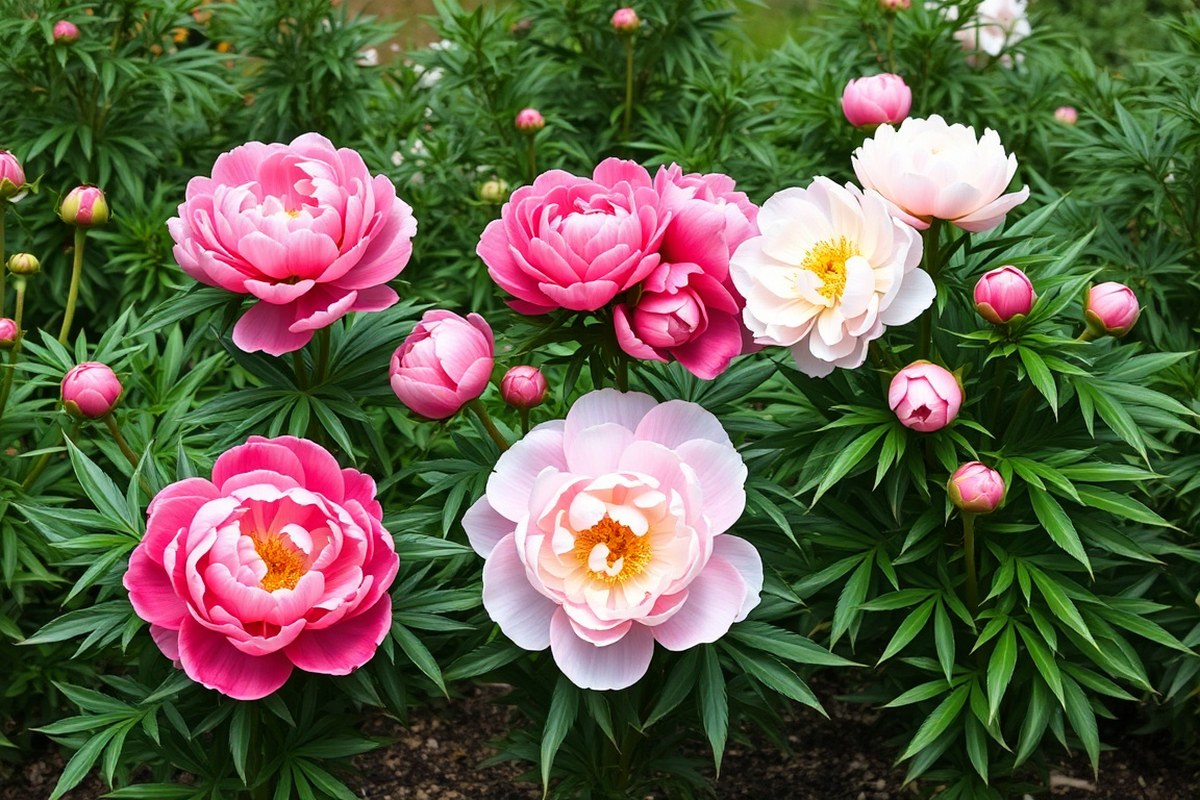
| Peony Type | Height Range | Spread Range |
|---|---|---|
| Herbaceous | 2, 4 ft (24, 48 in) | 2, 3 ft (24, 36 in) |
| Tree | 4, 7 ft (48, 84 in) | 4, 7 ft (48, 84 in) |
| Itoh (Intersectional) | 2.5, 4 ft (30, 48 in) | 2.5, 4 ft (30, 48 in) |
Herbaceous peonies grow between 2 and 4 feet tall. They spread 2 to 3 feet wide. This makes them easy to fit in most gardens.
They form dense, rounded bushes that fit well in mixed borders. Most garden herbaceous peonies grow 24 to 36 inches tall.
They spread about 24 to 36 inches wide. This size fits many garden spaces.
Tree peonies are the largest type. They can reach 4 to 7 feet tall and spread equally wide.
This tall, shrub-like growth makes them a strong visual anchor in large garden spaces. Expect tree peonies to grow up to 7 feet tall in good conditions.
Itoh peonies are hybrids between herbaceous and tree peonies. They typically grow 2.5 to 4 feet high and wide.
These intersectional peonies make a tidy, full bush that stays compact under 4 feet. Their size fits small city beds or containers without crowding.
Choosing the right peony depends on how much space you have. Herbaceous peonies suit medium borders well. Itoh peonies fit in small spaces.
Tree peonies need room to spread tall and wide. Leaving at least 3 feet of space around herbaceous peonies helps airflow and bloom health. Tree peonies should have 4 to 5 feet of room to avoid crowding their big size.
How Long Until Peony Bushes Reach Full Size?

Peony bushes usually start blooming between their second and third year. Their foliage and blooms grow bigger through the first three to five years. Peonies reach their full size by then.
Many types grow up to 4 feet tall. They can also spread 4 feet wide.
Size increases steadily during these first years as the plant builds its root system and branches. After the third year, growth slows because the peony has mostly matured. Tree peonies take longer to grow.
They often need 10 to 15 years to mature. Their height and width can reach 3 to 7 feet.
Expect healthy hybrid and herbaceous peonies to grow 2 to 4 feet. This usually happens by their fifth year. Itoh hybrids reach about 2.5 to 3 feet tall within the same period.
Peonies keep growing slowly after this but at a much smaller scale. They also need 6 to 8 hours of sunlight daily to reach their full potential.
Let peonies settle for at least three years before judging their full size potential. Early trimming or digging can stunt their growth.
Planting Depth and Spacing: Keys to Size and Health
Plant peony roots no deeper than 2 inches for best growth. Space bushes 3 to 4 feet apart to allow proper size and flowers. Crowding or too deep planting limits growth and blooming.
Correct Planting Depth Guidelines
Plant peony tubers just below the soil surface, about 1 to 2 inches deep. The eyes, or buds, should face upward and be covered lightly. Too deep planting keeps peonies from blooming properly.
Planting deeper than 2 inches can stop the peony from growing fully over time. The soil should drain well to prevent root rot. Use loose, rich soil and plant in fall for best results.
Recommended Spacing Between Peony Bushes
Peony bushes need lots of room to grow. Give each peony 3 to 4 feet between their centers. This equals about 90 to 120 cm.
Plenty of space helps them grow well. This spacing supports good air flow and healthy foliage.
Tighter spacing can lead to poor air circulation and increase disease risk. It also limits the plant’s ability to spread to its natural size. Plan your garden bed accordingly to avoid crowding.
- Measure the full mature spread of your peony variety
- Leave at least 3 feet between herbaceous peonies
- Allow 4 feet or more for larger tree peonies
- Keep space open for garden tools and mulching
- Plant in full sun for best flowering and size
- Prepare soil with compost for healthy root development
- Consider nearby plants’ space requirements to avoid competition
This space will help your peony grow strong and produce abundant blooms. Giving each bush room is a simple way to avoid common growing problems.
Consequences of Improper Planting Depth or Crowding
Planting peonies too deep often leads to weak or no flowers in the following years. Your bush may stay under 2 feet tall or take many seasons to grow. This is a frequent mistake among new gardeners.
Crowded plants will compete for sunlight and nutrients. They often develop disease from poor air circulation and show stunted growth. Peonies planted too close together can grow wide but never tall.
A peony that stays small after three years may be planted too deep. Check how deep it is planted first.
Also, make sure it is spaced properly to help it reach its natural size and health. Proper planting means less maintenance and more garden beauty.
Factors That Influence How Big Peonies Grow
Peonies need at least 6 hours of direct sunlight to grow well. Providing 6 to 8 hours daily helps them reach their full size. Too little sun makes peonies leggy and smaller.
Soil quality also shapes peony size. Peonies prefer well-drained, loamy soil rich in organic matter.
You can add compost or aged manure before planting to boost soil nutrients. Heavy clay or sandy soil may stunt growth unless improved.
The local climate affects how big peony bushes grow. Most peonies thrive in USDA zones 3 to 8.
Cold winters help break dormancy and encourage stronger stems. In warmer or very wet areas, peonies may grow slower or smaller.
Proper care encourages bigger peonies. Water deeply but avoid soggy soil, especially during dry spells.
Mulch around roots keeps soil cool and retains moisture. Regular fertilizing in early spring with a balanced 10-10-10 fertilizer supports steady growth.
Planting depth and spacing impact size too. Roots planted about 2 inches below soil surface grow best.
Crowding can stunt plants by limiting nutrients and airflow. Give each peony at least 3 feet of space to stretch out.
Pruning and staking help manage growth and promote strong stems. Remove old foliage after frost to prevent diseases.
Use stakes or rings to support taller peony types and protect blooms from wind. Neglecting this can cause floppy or broken stems.
Sunlight, soil, climate, and care each shape the final size of your peony bush. Small changes in these areas can affect your plant’s growth. They can make the plant modest or lush and full.
Adjusting these factors helps you get the plant size you want. Watch your garden’s specific needs and adjust care for the best results.
Differences in Growth Habit Among Peony Types
Peony types grow very differently, which affects their size and shape. Herbaceous peonies die back each year and sprout new shoots.
Tree peonies grow woody stems that last year-round and get taller. Itoh peonies have traits between these two, staying smaller but sturdier than herbaceous types.
Herbaceous Peony Growth Characteristics
Herbaceous peonies grow as bushy plants about 24 to 36 inches tall. Each spring, their woody stems die off near the ground. New shoots grow from the root system, reaching their full height in one season.
The width usually matches the height, forming a rounded shape around 2 to 3 feet wide. They grow quickly at first but don’t get taller after. Each year, new stems grow above ground from the base.
That’s why they don’t get taller over time. This means the size stays fairly consistent as they age.
Tree Peony Structural Features
Tree peonies grow woody stems that survive winter, unlike herbaceous types. They can grow between 3 and 5 feet tall. Their width spreads about 4 feet around the plant.
This happens because their stems live for several years. Their growth is slower at first but picks up once the woody framework sets.
The plant grows into a shrub with lasting branches. So it gets bigger over several years. Tree peonies look more like small bushes with thick stems.
With good care, they often grow taller as they age. In warm climates, they can reach heights up to 6 feet. This depends on the local weather and soil.
Itoh Peony Intermediate Traits
Intersectional or Itoh peonies mix traits from two types. They stay smaller, about 2 to 2.5 feet tall, and wide. Their stems are stronger than herbaceous ones, but not woody like tree peonies.
This keeps them shorter but stronger, making them good for smaller garden spaces. Itoh peonies grow new shoots every year like herbaceous types.
But their size limit is lower due to genetics. They fill the gap between short herbaceous bushes and taller tree shrubs.
The table below shows a side-by-side comparison of these peonies’ mature sizes, shape, and growth habits.
| Peony Type | Height (feet) | Width (feet) | Stem Type | Growth Habit |
|---|---|---|---|---|
| Herbaceous | 2 to 3 | 2 to 3 | Non-woody, dies back annually | Fast initial growth, resprouts from roots yearly |
| Tree | 3 to 5 (up to 6) | About 4 | Woody, persistent year-round | Slow start, grows larger with age, woody shrub |
| Itoh (Intersectional) | 2 to 2.5 | 2 to 2.5 | Sturdy, semi-woody, dies back yearly | Moderate growth, combines traits of herbaceous and tree |
Don’t mistake Itoh peonies for small tree peonies. Their stems still die back each winter.
How to Support and Control Peony Bush Size in Your Garden
Supporting and managing peony bush size helps keep plants healthy and neat. Staking prevents stems from flopping, pruning limits size, and proper spacing avoids overcrowding. Each method gives you control over how your peonies grow and look.
Staking and Supporting Tall Peonies
Tall peony varieties can flop over when blooms get heavy or rain soaks the stems. Stake your peonies early in spring when growth is 6 inches tall.
Do this before stems get too thick. Use a ring or cage that surrounds the entire plant to provide even support.
Drive sturdy metal or bamboo stakes into the ground. Place them 6 to 8 inches away from the base.
Then, attach soft ties or garden twine loosely around the stems and stakes. Avoid tight ties that can damage the stems or restrict growth.
Pruning to Control Size and Shape
Pruning peonies mainly involves deadheading spent flowers to encourage healthy growth. After foliage dies in the fall, trim stems back to 2 to 3 inches tall.
Cut them just above soil level. This cleanup controls bush size and reduces disease risks.
Avoid pruning during the growing season to control size. It may weaken the plant or reduce blooms.
Instead, control size by selecting a compact variety or managing spacing. Fall cleanup helps keep the bush tidy and at a manageable height.
Spacing Strategies to Prevent Overcrowding
Plant peony bushes with enough space so air circulates freely and roots have room to expand. A spacing of about 3 to 4 feet between plants suits most garden beds. Crowding leads to poor flowering and increases disease risk.
Good spacing means you can weed and water easily without damaging the plants. Plan space for your peonies based on their mature width. Most types need about 3 feet wide space.
- Place stakes before stems grow taller than 6 inches
- Use soft ties to avoid stem damage
- Wait until fall to cut stems back to 2, 3 inches
- Deadhead flowers promptly to prevent legginess
- Space plants 3 to 4 feet apart for airflow
- Choose compact varieties for smaller spaces
Common Mistakes That Keep Peony Bushes Small
Peony bushes may stay small when planted too deep. The roots need to be just 1 to 2 inches below the soil surface.
Too much soil blocks air and light, slowing growth and causing weak shoots. Dig up the plant and replant it shallowly if you notice stunted growth.
Peonies that don’t get enough sunlight also grow smaller. They need at least 6 hours of direct sun each day.
Move your bush to a sunnier spot or trim nearby plants that block the light. This change can help shoots grow stronger and bigger during the growing season.
Another mistake is poor soil drainage. Peonies need well-drained soil, or their roots may rot. If your soil stays soggy after rain, add organic matter like compost to help water drain faster.
You might also raise the planting site using a small mound. This prevents root damage and encourages fuller bush growth.
- Plant roots just 1 to 2 inches below soil surface, not deeper
- Provide 6 or more hours of direct sun daily
- Improve drainage by adding compost or using raised beds
- Water only when the top 2 inches of soil feel dry
- Do not fertilize heavily in the first year after planting
- Remove flower buds in the first year to focus energy on roots
- Cut woody stems carefully to avoid damaging new shoots
Watering is also key for size. Overwatering can kill roots and stunt growth. Let the top 2 inches of soil dry out between watering.
Conversely, don’t let the soil dry out too long. Consistent moisture helps the bush establish its root system.
The first year is critical for peony growth. Avoid fertilizing heavily then or cutting flower buds. This might stress the plant and reduce root development.
Focus on growing strong roots and healthy stems. You should see noticeable growth by the second year if the basics are right.
Choosing the Right Peony Variety for Your Garden Space
Herbaceous peonies work well for small gardens. They usually grow 2 to 3 feet tall, fitting nicely in tighter spaces. Their compact size lets you add color without crowding other plants.
For a bushier look, plant hybrid and Lactiflora peonies. They fill medium to large spaces well.
These grow into round bushes that can reach 3 to 4 feet tall. You can even plant these in large pots if space is limited.
Tree peonies grow taller and wider over time, sometimes reaching 5 to 6 feet across. These are best placed at the back of your border or in larger yards. In small spaces, plant only one or two tree peonies.
Place them carefully. This prevents the garden from looking crowded.
Selecting the right variety means measuring the space first. Write down the maximum height and width your garden bed allows.
Then pick a peony type that stays under those limits, based on its typical mature size. This stops you from having to transplant a large, overgrown bush later.
Compact varieties usually have tight forms and grow slowly wider. Look for these if you want to save room between plants.
They also need less staking and pruning. Larger types like tree peonies spread more and may require trimming to control their size.
Measure your planting space carefully and choose a peony known to fit that size. Avoid surprises when plants reach full height and width.
Step-by-Step Action Plan to Grow and Manage Peony Bushes
Follow these clear steps to help your peony bushes grow healthy and reach their full size.
- Before you plant: Choose a peony variety suited to your space. Look for height and spread details on the tag.
- Planting day: Set your peony roots 2 inches below the soil surface. Proper depth helps them grow strong.
- First month: Space plants at least 3 feet apart to prevent overcrowding. This gives each bush room to expand.
- Growing season: Water deeply once a week to keep soil moist but not soggy. Check soil dampness regularly.
- Early spring (year 2+): Add mulch around the bush to keep moisture steady and reduce weeds. Mulch should be 2-3 inches thick.
- Spring after bloom: Support large-flowered peonies with stakes or rings to keep stems upright. Adjust supports as the plant grows.
- Late fall: Cut back the stems to ground level after leaves die back. Remove old debris to prevent disease.
- Yearly review: Every 3 to 5 years, check for overcrowding in your peonies. Divide the plant if it becomes too big for its space. This keeps your peony healthy and productive. Dividing keeps bushes healthy and vigorous.
Frequently Asked Questions
How Big Do Hybrid Peony Bushes Usually Get?
Hybrid peonies typically grow 28 to 39 inches tall and wide. Their size makes them a good fit for medium garden spaces with enough room to spread.
Do Tree Peony Bushes Grow Larger Than Herbaceous Types?
Yes, tree peonies reach around 3 to 5 feet tall. They look more like shrubs with a broader spread, needing more space than common garden peonies.
How Far Apart Should Peony Bushes Be Planted for Best Growth?
Space peonies about 3 feet apart to avoid crowding. Adequate spacing helps air circulation and allows them to reach full size.
Can Peony Bush Size Vary with Climate or Soil Conditions?
Yes, peonies thrive best in cooler zones 2 to 8. Poor soil or warm climates can stunt their growth and reduce size.
How Long Do Peony Bushes Live Once Mature?
They can live up to 100 years when established well. This makes them a long-term addition to your garden with proper care.
What Happens If Peony Roots Are Planted Too Deep?
Planting roots deeper than 2 inches often limits their size. Shallow planting encourages strong shoots and healthy bush growth.
The Bottom Line
Peony bushes normally grow between 2 to 4 feet wide and tall. They reach full size in about 3 to 5 years, with the right care. Begin by planting peonies at the right depth and spacing.
This depends on the variety you have chosen. Proper planting helps your peonies grow strong and bloom well.