How Big Does a Tomato Plant Get: Complete Growth Guide & Size Tips
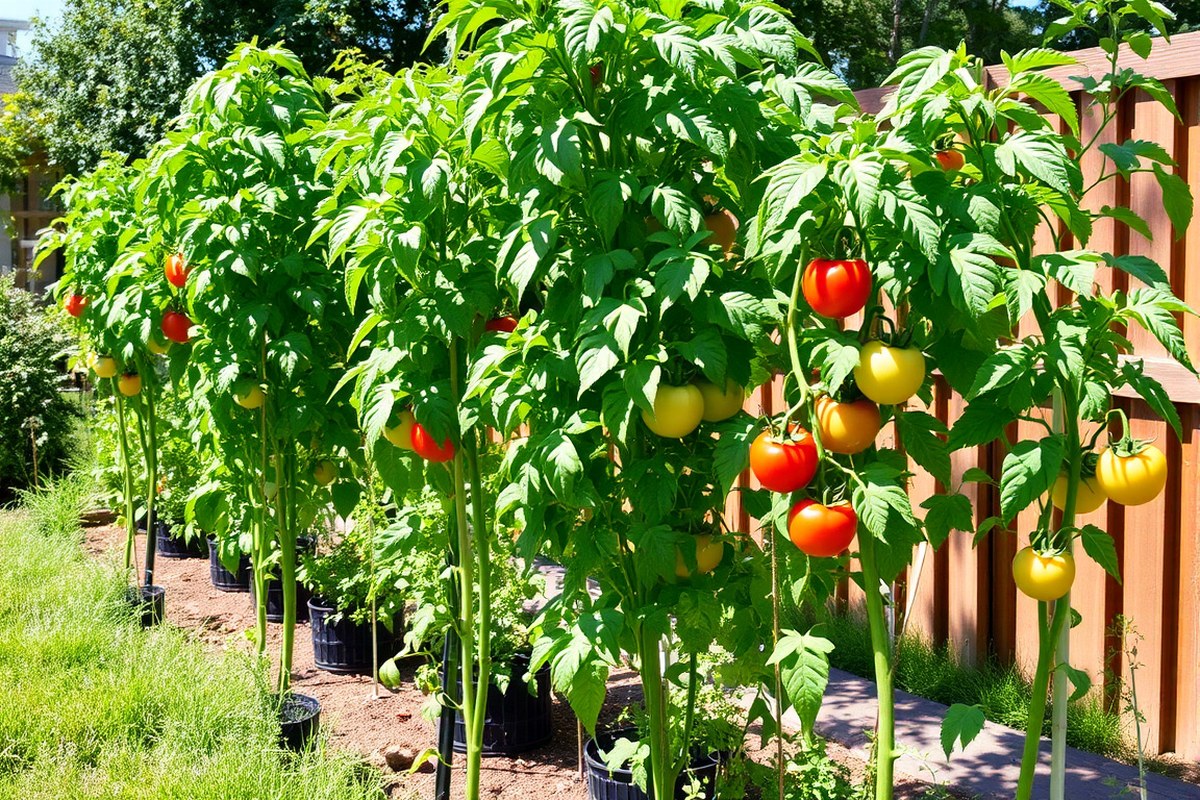
How big does a tomato plant get? Most tomato plants grow between 2 to 6 feet tall.
Their width usually ranges from 2 to 4 feet, depending on the variety and care. Some cherry tomato plants can even reach 6 to 10 feet tall if left unchecked.
Tomato plant size varies a lot. Determinate types are shorter, about 3 to 4 feet tall.
Indeterminate ones keep growing taller through the season. You can expect a spread of about 2 to 4 feet for most garden plants.
Start by choosing the variety based on your space. Plan to give each plant about 2 to 3 feet of room. This spacing helps airflow and gives plants enough space to grow without crowding.
Key Takeaways
- Determinate tomato plants grow 3 to 4 feet tall and stop growing after fruit sets.
- Indeterminate types can keep growing over 6 feet if supported properly.
- Cherry tomatoes are typically taller, reaching 6 to 10 feet.
- Space tomato plants at least 2 to 3 feet apart to avoid overcrowding.
- A good root system 18-24 inches deep supports more vertical growth.
- Most tomato leaves reach up to 12 inches wide, so plant accordingly.
How Tall and Wide Do Tomato Plants Typically Grow?
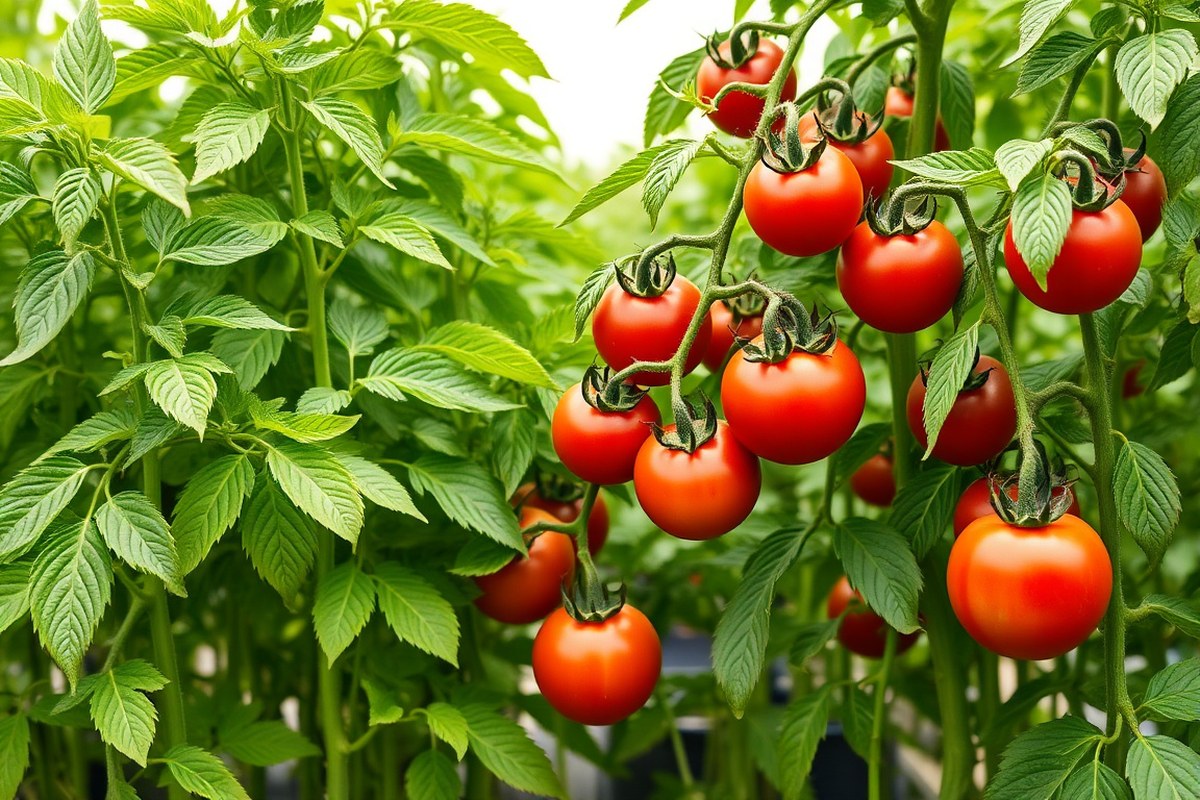
Tomato plants vary widely in height and spread depending on the type and variety. Determinate tomatoes grow 3 to 4 feet tall.
They spread 2 to 3 feet wide. These bushy plants stop growing once fruit sets, making their size more predictable.
Indeterminate tomatoes grow taller, around 6 to 10 feet high. Their spread is 2 to 3 feet. These vining plants keep growing and producing fruit throughout the season until frost kills them.
Cherry types like Sungold and Black Cherry grow 6 to 10 feet tall. They spread 2 to 3 feet wide.
Some determinate kinds like Patio Princess stay smaller. They grow 2 to 3 feet tall and 1 to 1.5 feet wide, perfect for container gardening. Semi-determinate varieties, such as Celebrity, fall between these ranges, usually growing 4 to 5 feet tall.
Dwarf or trailing tomatoes like Tiny Tim stay very small. They reach 12 to 18 inches tall and wide.
The biggest tomatoes, like Beefsteak and Brandywine, are indeterminate. They grow 6 to 8 feet tall. They also spread about 3 to 5 feet wide.
These require solid stakes or trellises for support. Their height and spread influence how much space and support they need in your garden.
Determinate tomato plants usually grow 2 to 4 feet tall. Their width is about the same. Indeterminate types can reach at least 6 feet tall and 2 to 5 feet across.
Cherry tomatoes tend to be indeterminate and often grow taller than other small-fruited types. Knowing these sizes helps you plan space and provide the right support for each plant type.
Varieties and Growth Habits That Affect Plant Size
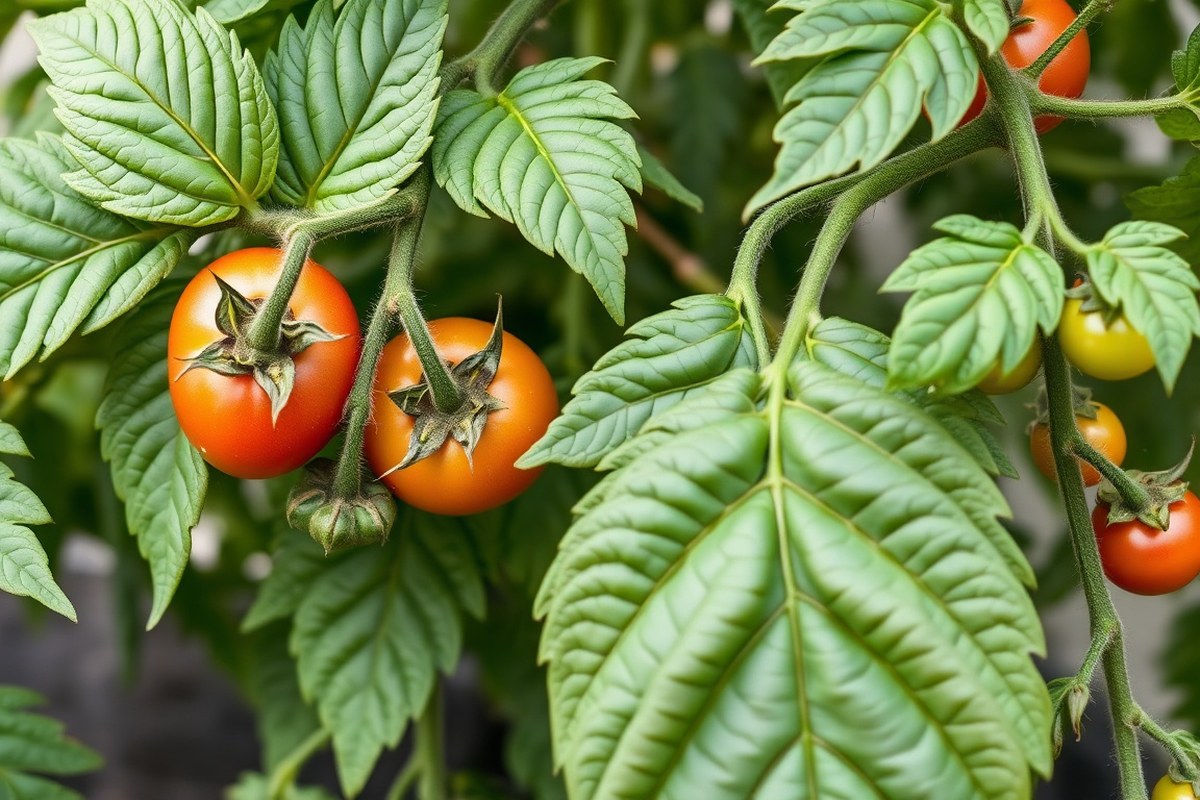
The size of tomato plants depends mainly on their growth type. There are four common types: determinate, indeterminate, dwarf, and patio tomatoes. Each type has a unique growth habit that decides how tall and wide the plant gets.
Determinate tomatoes are also called bush tomatoes. They grow to a set height. Usually, they reach 2 to 4 feet tall.
They produce most of their fruit within a short period. Indeterminate tomatoes keep growing all season and can reach 5 to 8 feet or even taller. They need strong support and give fruit steadily over time.
Dwarf and patio tomatoes are bred to stay small. They fit well in small gardens. You can grow them in containers too.
Patio tomatoes typically grow 1 to 3 feet tall and have a bushy look. These varieties are perfect if you want fresh tomatoes but have limited space or containers.
| Feature | Determinate (Bush) | Indeterminate (Vining) | Patio/Dwarf |
|---|---|---|---|
| Mature Height | 2 to 4 feet | 5 to 8 feet or more | 1 to 3 feet |
| Growth Habit | Bushy, compact | Tall, sprawling | Compact, bushy |
| Fruit Production | Concentrated within 1-2 months | Steady throughout season | Concentrated, ideal for containers |
| Best For | Containers and small gardens | Large garden spaces | Small spaces, patios, pots |
| Support Needed | Short cages or stakes | Tall cages or trellises | Minimal or small cages |
Choosing the right variety depends on your space and how much work you want to do. For pots or small spaces, pick determinate or dwarf types like ‘Patio’ or ‘Bush Early Girl.’ They stay under 3 feet and don’t need tall trellises.
Choose indeterminate types for taller plants and a longer harvest. But prepare sturdy cages or trellises.
They need regular pruning to keep them manageable and avoid sprawling. Varieties like ‘Brandywine’ are classic indeterminate tomatoes that can grow very tall.
Be careful not to plant multiple large indeterminate tomatoes in small pots. One plant per 5-gallon pot works best.
Key Environmental and Cultural Factors Influencing Growth
Tomato plant size depends a lot on sunlight, soil, water, and temperature. These factors affect how tall and wide your plants can grow. Adjusting each one carefully helps your tomatoes reach their full size potential.
Sunlight Requirements to Boost Size
Tomato plants need at least 6 hours of direct sunlight daily to grow well. More sun means stronger growth and bigger plants. Try to plant tomatoes in the sunniest spot in your garden for best results.
Shade can stunt tomato growth and reduce fruit production. Choose determinate or dwarf varieties when you have limited sunlight. These handle less sun better but won’t get as tall or wide as full-sun plants.
Soil Quality and Nutrient Needs
Well-draining, loose soil helps roots grow deeply and spread, supporting bigger plants. Loamy soil with 3% to 5% organic matter offers the best mix for nutrients and air. Avoid heavy clay or compacted soil, which can choke roots and stunt growth.
Keep soil pH between 6.2 and 6.8 to allow nutrient uptake. Your plants won’t get enough nutrition if pH is too low or high. Adding compost or well-rotted manure can boost organic matter and improve soil structure.
Watering Practices That Encourage Growth
Consistent watering helps tomato plants grow tall and healthy. Aim for 1 to 2 inches of water per week, soaking soil evenly. Uneven watering causes stress and smaller plants or cracked fruit.
Water early in the day to reduce leaf diseases and evaporation loss. Use drip irrigation or soaker hoses to deliver water directly to roots. Avoid wetting the leaves, which invites fungus and slows growth.
Temperature Effects on Plant Vigor
Tomato plants grow best between 70 and 85 degrees Fahrenheit. Temperatures above 85 degrees can slow growth and reduce fruit set. Night temperatures below 55 degrees also stunt growth and delay ripening.
Use row covers in early spring or cool climates. Start plants indoors to protect against cold.
In hot weather, provide shade during the hottest part of the day if possible. Keeping temperatures steady helps tomatoes grow larger and produce more fruit.
How to Manage Plant Size Through Pruning and Training
Pruning and training your tomato plants lets you control their size and shape effectively. It stops plants from sprawling or getting too tall. It also helps air flow.
This improves fruit growth. Different methods suit determinate and indeterminate types, helping you manage small or large gardens.
Pruning Suckers to Control Shape and Size
Removing suckers cuts down the number of stems. This keeps plant size controlled. It also helps focus energy on main branches.
Suckers grow between the main stem and branches. They can crowd the plant a lot. You should remove them early.
Pinch suckers off when they are small. Aim for 2 to 3 inches long. This avoids hurting the plant.
Regular sucker removal helps keep your tomato plant bushy but not overly tall. You can control how wide or tall the plant grows based on how many suckers stay. Removing all suckers directs energy to one or two main stems, keeping the plant more compact.
Training Plants on Stakes, Cages, and Trellises
Using supports like stakes, cages, or trellises helps keep tomato plants upright and healthy. Tall, indeterminate varieties especially need strong support to prevent bending or breaking under their fruit weight. Choose supports based on your plant type and space.
Determinate tomatoes fit in standard cages fine. Indeterminate types need taller cages or trellises. They grow vertically.
The Florida weave works well for rows, wrapping string around stakes to support many plants efficiently. Single stakes offer moderate support and pair well with pruning to keep one or two stems.
Timing and Frequency of Pruning for Best Results
Start pruning early, when plants are young and suckers are small. Check your tomato plants every week. Pinch off suckers when 2 to 3 inches long.
This keeps plants healthy. Regular pruning avoids a tangled plant and improves air flow to reduce disease risk.
Don’t prune too aggressively in hot weather since it might stress the plant. Instead, prune in cooler parts of the day or season. Healthy plants with frequent pruning tend to produce larger, better fruits throughout the season.
- Inspect the plant for suckers every 7 days.
- Pinch off suckers that are 2-3 inches using your fingers.
- Support the main stem with a stake or cage before pruning.
- Remove dead or yellow leaves to improve air flow.
- Keep an eye on new growth and repeat sucker removal regularly.
Pruning Differences Between Determinate and Indeterminate Types
Determinate tomatoes stop growing after fruit sets. So prune lightly to avoid cutting off flower clusters.
They usually stay under 4 feet and benefit from smaller cages or stakes. Avoid heavy pruning to keep good yields concentrated on the main stems.
Indeterminate tomatoes grow continually and can reach 6 feet or more. Pruning to a single or double stem controls their height and makes them easier to support. Frequent sucker removal combined with strong tall cages or trellises keeps these plants upright and productive.
Recommended Space and Container Sizes for Optimal Growth
Tomato plants need enough room to grow healthy roots and foliage. Most tomato varieties require about 24 inches of space between each plant in garden rows. Determinate types can be a bit closer, roughly 2 feet apart, because they stay more compact.
When growing tomatoes in containers, size matters a lot. Choose at least a 5-gallon container for smaller varieties to let roots spread properly.
Bigger indeterminate varieties will do better in containers 10 gallons or larger. But they may still grow smaller than in the ground.
Root space directly limits how tall and wide a tomato plant can get. Roots that get cramped stop the plant from growing well.
It also leads to fewer fruits. Overcrowding plants in the garden or in containers leads to smaller, less productive tomato plants.
| Tomato Variety | Garden Spacing | Container Size |
|---|---|---|
| Determinate (Bush) | 24 inches (2 feet) | 5 to 7 gallons |
| Indeterminate (Vine) | 24 to 36 inches | 10 gallons or larger |
| Patio Types | 18 to 24 inches | 5 gallons |
For container tomatoes, use a well-draining potting mix each season. Adding fertilizer supports big fruit growth because limited soil means fewer nutrients. Provide sturdy stakes or cages for your plants.
This helps keep them upright. It’s important for indeterminate types in tight spaces.
Healthy root systems are key to good growth above ground. Give plants enough space, water, and nutrients to avoid stunting.
Crowded tomatoes block airflow and increase disease risk. So keep rows and containers spaced properly.
Don’t underestimate how much room tomato roots need. Small pots or tight spacing can seriously stunt plant size and yield.
Understanding Tomato Plant Growth Stages and Size Changes
Tomato plants go through clear growth stages that show how big they get over time. You can watch their height and leaf growth to follow stages. This helps you know when to change care.
Tracking their size shows the right time for new steps. Tomato plants reach half their full size by mid-season.
After that, they focus more on growing fruit. This is the usual growth pattern to expect.
Seedling Stage and Early Growth
Tomato seeds sprout into seedlings about 5 to 10 days after planting. At this stage, plants grow from just a sprout to about 3.5 inches tall. The focus here is on root and leaf development, which prepares the plant for faster growth.
Seedlings grow fast in the first 2 to 3 weeks. They need gentle care during this stage.
Also, give them plenty of light to stay healthy. Avoid overwatering, which can stunt growth or cause seedlings to rot.
Vegetative Growth and Leaf Development
This stage starts once seedlings reach about 3.5 inches and lasts until the plant is 48 to 60 inches tall. During this time, the tomato plant grows its stem, leaves, and branches fast. You’ll see the plant roughly double or triple in size every few weeks.
Healthy plants also develop a strong root system during vegetative growth. This stage can last 6 to 8 weeks, depending on the variety and conditions.
Flowering and Early Fruit Setting
Tomato plants start flowering when they are 48 to 60 inches tall. This shows they switch from leaf growth to making fruit. Flowering tells you the growth phase has changed.
Growth slows down as plants add only a few inches more. The energy shifts to producing flowers and fruit now.
The new focus slows how tall they get. This stage usually happens 6 to 10 weeks after planting.
Pinching off early flowers can encourage the plant to grow larger before fruit sets. This step helps boost the plant’s overall size and fruit yield later.
Mature Plant Size and Harvest Time
By harvest time, tomato plants reach their full height. They are usually between 4 to 8 feet tall. The exact height depends on the tomato variety.
Indeterminate types keep growing throughout the season. Determinate types stop growing and focus on fruit ripening. Supporting these plants with stakes or cages helps keep fruit healthy until picking.
Most plants reach about half their total height by the start of flowering. After that, they mainly grow fruit and mature leaves, not much taller.
Track your tomato plants’ growth to manage their care properly. Use this simple plan:
- Measure plant height weekly from seedling to fruiting.
- Check leaf size and number to confirm healthy vegetative growth.
- Note when flowers appear to shift care to fruit support.
- Pinch early flowers if you want bigger plants before fruiting.
- Provide stakes or cages as plants reach 4 feet tall.
- Adjust watering and feeding based on growth speed and season.
- Harvest fruit as it ripens, watching for any slow growth signs.
Common Growth Problems That Affect Tomato Plant Size
Stunted growth in tomato plants often results from poor sunlight, nutrient shortages, or pest damage. Tomato plants need at least 6 hours of direct sun daily.
Less than 4 causes weak, leggy growth because plants stretch toward light. You should also watch for leaf yellowing, browning, or curling, which may signal nutrient problems.
Leggy plants usually lack enough light or experience temperature swings. Night temperatures below 55°F slow growth and weaken stems. When a plant looks tall but thin, it lacks light.
Too much nitrogen fertilizer also causes this. Both issues make plants weak and stretched out. Move the plant to a sunnier place to help it.
Use balanced fertilizer with phosphorus and potassium. These steps encourage healthy, sturdy growth.
Nutrient gaps, especially nitrogen, potassium, and magnesium, affect size. Low nitrogen leaves pale green and slows leaf growth. Too little potassium shows up as brown spots on leaves and poor fruit set.
Magnesium deficiency causes older leaves to yellow between veins. A soil test shows what fertilizer your soil needs.
Apply that fertilizer every 3 to 4 weeks. Do this during the plant’s peak growing times.
Pests and diseases also stunt tomatoes. Soil pests like nematodes damage roots, limiting water and nutrient uptake. Fungal diseases such as fusarium wilt cause leaves to yellow and wilt suddenly.
Viral infections stop growth and may kill plants quickly. You can reduce risk by rotating crops yearly and choosing resistant varieties.
- Insufficient sunlight: under 4 hours daily causes weak, stretched plants
- Low night temperatures: below 55°F slows growth and weakens stems
- Excess nitrogen fertilizer: promotes leaf growth but weakens stems
- Nutrient deficiencies: nitrogen, potassium, magnesium symptoms appear in leaves
- Soil pests: nematodes damage roots, stunting the plant
- Fungal diseases: fusarium and wilt reduce vigor, cause leaf yellowing
- Viral infections: stop growth, often kill plants quickly
Prevent problems by planting where tomatoes get 6 to 8 hours of sun. Test soil and balance fertilizer based on results. Keep soil moist but not soggy to protect roots.
Water every few days to avoid drought stress. This balances the plant’s water needs well.
Remove diseased leaves and choose sturdy, healthy seedlings. Regular checks for pests let you act early and protect your tomato plants’ size and health.
Choosing Support Systems for Tall Tomato Plants
Indeterminate tomato plants can reach 6 to 10 feet tall. So they need tall supports. Staking or trellising works best for these plants.
They let the plant grow upward without breaking. Use stakes that are at least 6 to 8 feet tall. Tie the plant loosely as it grows to avoid damaging the stem.
Determinate tomato plants tend to be bushier and shorter, usually around 3 to 4 feet tall. They can manage well with cages since they support the whole plant evenly. Cages also save space and keep fruits off the ground.
Stakes work too if you prefer. But they don’t need to be as tall as those for indeterminate types.
For giant tomato varieties, supports should be higher than the plant’s expected maximum. These can grow beyond 8 feet, so use heavy-duty cages or trellises. Secure these supports firmly in the soil.
This holds the plant’s weight well. It’s important when plants are loaded with fruit.
Set up supports early, when plants reach 6 to 12 inches tall. This guides their growth without stress.
Use narrow, strong stakes for single plants and wide cages for clusters or compact varieties. Trellises work well for vine-like plants that spread horizontally and vertically. Avoid putting short and tall plants together since taller ones block sunlight.
Install supports at planting or soon after. This prevents root damage and trains tomato growth.
Install supports early, once seedlings are 6 inches tall, to prevent root damage and easy training.
| Support Type | Best For | Height Needed | Setup Tips |
|---|---|---|---|
| Stakes | Indeterminate and Determinate (single plants) | 6 to 8 feet for indeterminate, 3 to 4 feet for determinate | Drive 12 inches into soil; tie plant loosely with soft ties |
| Cages | Determinate and some indeterminate varieties | 3 to 5 feet | Place at planting time; use sturdy metal; wide base for stability |
| Trellises | Indeterminate, giant varieties | 8 feet or more | Secure posts deeply; add horizontal supports; train vines upward |
Step-by-Step Action Plan to Manage Your Tomato Plant’s Size
Follow these steps to keep your tomato plant the right size and healthy throughout the season.
- Before planting: Choose the tomato variety that fits your space and growing style. Look for size info on the seed packet or plant tag.
- Week 1 after planting: Set up stakes or cages early. Check that plants stand straight and have room to grow wide and tall.
- Week 3 to 4: Start pruning suckers and lower leaves if growing indeterminate types. Healthy stems mean better size control and airflow.
- Week 6: Space plants at least 2 feet apart in your garden. Use a container that’s at least 18 inches wide. This gives roots room and airflow to grow well. Check roots aren’t crowded.
- Week 8 to 10: Monitor growth stages closely. Remove extra flowers if the plant looks crowded. You want bigger fruit, not an overwhelmed plant.
- Every 2 weeks: Adjust supports as the plant grows. Tighten ties and replace broken stakes to avoid snapping tall branches.
- Week 12 onward: Water your plants deeply and slowly. Do this less often to keep roots strong. It also stops the plants from becoming bushy and spindly. Use mulch to keep moisture steady.
- End of season: Pick ripe tomatoes quickly as they get ready. This helps the plant grow more fruit. It also saves the plant’s energy for new growth.
Frequently Asked Questions
How Big Does a Tomato Plant Get?
Tomato plants usually grow between 3 to 6 feet tall depending on variety. Determinate types stay shorter while indeterminate types can reach over 6 feet.
Can Tomato Plants Grow Indoors and How Tall Do They Get?
Indoor tomato plants typically grow up to 3 feet tall with enough light. Use compact determinate varieties for best indoor growth.
How Deep Do Tomato Roots Grow Compared to the Plant Size?
Tomato roots can grow 18 to 24 inches deep to support tall plants. Deeper, healthy roots mean stronger plants and larger fruit.
Do Tomato Plants Keep Growing After Fruit Starts Forming?
Yes, indeterminate tomato plants grow continuously after fruit sets. Determinate types usually stop growing taller once fruit starts.
Does Temperature Affect How Big a Tomato Plant Grows?
Tomatoes grow best between 65 and 75°F for healthy size and fruit. High heat or cool temperatures can slow or stunt growth.
How Much Should I Space Tomato Plants to Allow Full Size Growth?
Space tomato plants 2 to 3 feet apart in rows to avoid crowding. Proper spacing lets them get sun and air for bigger size.
Final Thoughts
Tomato plants grow wide and tall based on type and care. Controlling size helps you get better fruit and easier maintenance. Start now by picking the right variety and setting up support for strong growth.