Is Sansevieria a Snake Plant? Clear Answers and Essential Care Tips
Is Sansevieria a snake plant? Yes, Sansevieria is the original scientific name for what many call snake plants.
People gave it this name because of its long, wavy leaves that look like snakeskin. It’s a popular indoor plant for its ease of care and tough nature.
Recently, Sansevieria was reclassified as Dracaena. But snake plant still works as a common name.
You’ll find this name in nurseries, garden books, and plant groups. It’s easier to remember and describes the plant’s unique look well.
Snake plants grow well indoors because they don’t need much humidity or frequent watering. They tolerate normal home humidity between 30 and 50 percent.
So no misting is needed. Just let the soil dry completely before watering again to keep the roots healthy.
Key Takeaways
- Sansevieria is the old scientific name for snake plants.
- Snake plants are now classified as part of the Dracaena genus.
- Common name “snake plant” comes from their long, snake-like leaves.
- They prefer normal home humidity without extra misting.
- Only water the plant after the soil has fully dried out to prevent root rot.
- You’ll find snake plants under both Sansevieria and Dracaena names.
Is Sansevieria the Same Plant as Snake Plant?
Sansevieria and snake plant refer to the same plant species. The old scientific name was Sansevieria.
Now, the plant is called Dracaena trifasciata. Both names still appear in stores and homes.
The name Sansevieria honors Ruggiero Santini, an 18th-century Italian prince who supported botany. This formal name helps botanists classify the plant scientifically.
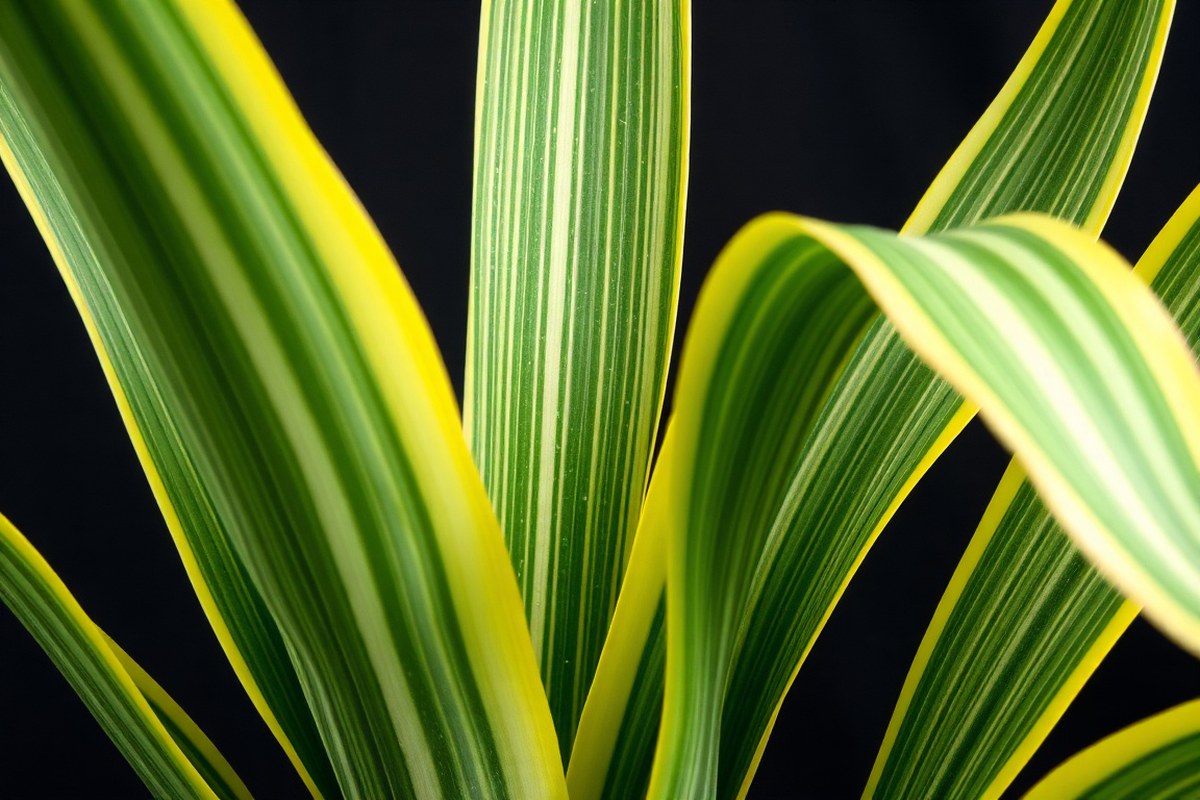
The term snake plant comes from the long, tall leaves that look like snakeskin. These leaves are wavy and patterned, which explains the common nickname.
Many people also call it Mother-in-Law’s Tongue due to the sharp, pointed leaves. The snake plant nickname feels friendlier and easier to remember for everyday use. You can say “Sansevieria,” “snake plant,” or “Dracaena.”
They all mean the same species. People use these names when buying or asking about the plant.
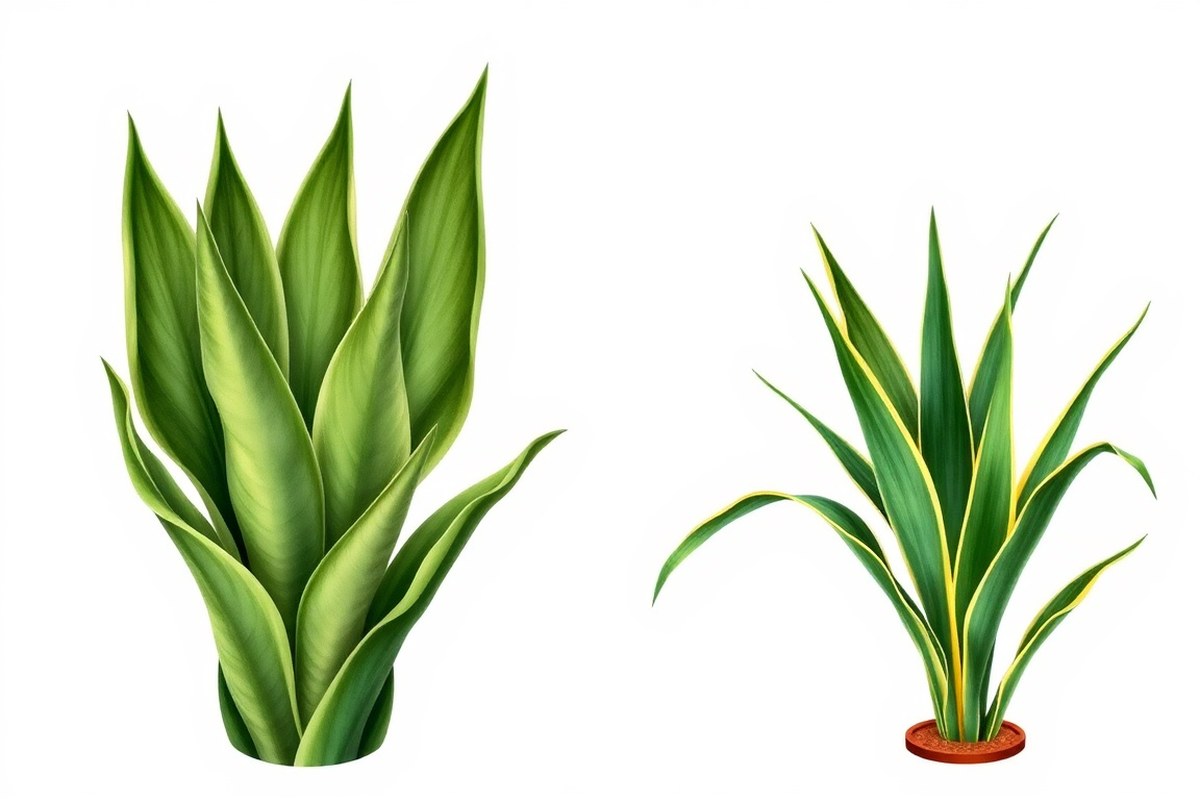
Sansevieria trifasciata ‘Laurentii’ is the most common snake plant variety. Its gray-green leaves have a creamy-yellow edge. This variety often appears in homes and offices as a popular, low-maintenance houseplant.
Why Was Sansevieria Reclassified as Dracaena?
What Triggered the Botanical Change?
Recent DNA studies found that Sansevieria plants share more traits with Dracaena. This led botanists to merge Sansevieria into the Dracaena genus. The change helps make plant classifications more accurate and up-to-date.
The reclassification officially happened in 2017 after these genetic studies. That year marked when Sansevieria was removed as its own genus. It became part of Dracaena, which includes other similar tropical plants.
Timeline and Scientific Reasons Behind the Shift
For many years, snake plants were called Sansevieria because they looked distinct. DNA research in the 2000s began to reveal their close kinship with Dracaena. By 2017, this genetic evidence was conclusive enough for scientific groups.
Modern plant classification relies on molecular data from DNA rather than just shape. This approach gives clearer family trees of plants than old methods. Sansevieria’s DNA showed strong ties to Dracaena species, so the change was made.
How the Name Change Affects Your Plant Care
Despite the new genus, care for your snake plant stays exactly the same. It still needs bright, indirect light or even low light without trouble. Water only when the soil dries completely to avoid root problems.
Don’t worry about memorizing the new name, Dracaena trifasciata. Your plant keeps its easy-care reputation whether you call it Sansevieria or Dracaena. The reclassification is mainly about science, not daily care routines.
Why Sansevieria Name Still Appears Everywhere
The old name Sansevieria lingers because of tradition and recognition. Many plant sellers and books still use it since customers know it well. Changing all labels and information takes time and can confuse buyers.
Expect both names to be used for several more years, especially in stores. Over time, Dracaena will likely grow more popular in plant nurseries and references. But for now, seeing Sansevieria on tags is very common.
Keep using the care tips you’ve learned even if the plant label changes to Dracaena.
Popular Snake Plant Varieties and Their Differences
Snake plants come in many types, each growing to different sizes. They vary in leaf shape, color, and how compact or tall they get. Knowing the differences helps you pick the right one for your space and style.
Sansevieria Trifasciata ‘Laurentii’ (Variegated Snake Plant)
This variety is the most common snake plant you’ll see, with tall, upright leaves. Its leaves have yellow edges and green stripes down the center. It can reach up to 4 feet tall and 2.5 inches wide.
The variegation is what makes ‘Laurentii’ stand out in any room. It can grow quite big, making it a nice floor plant for rooms with high ceilings. It needs moderate light to keep its colors sharp.
Sansevieria Trifasciata ‘Hahnii’ (Bird’s Nest Snake Plant)
This one is much smaller and grows in tight rosettes of short leaves. It only reaches about 10 to 12 inches tall, making it perfect for tabletops or desks. Its compact form fits well in small spaces.
‘Hahnii’ leaves are green with yellow edges on some types. The Golden Bird’s Nest is one of these varieties.
It needs less space but still purifies the air. This makes it a great choice if you want a low-maintenance, decorative plant indoors.
Sansevieria Cylindrica and Other Unique Varieties
Sansevieria cylindrica has thick, cylindrical leaves that grow upright and can reach 5 feet. It looks very different from typical flat-leaf snake plants. This variety adds a bold, architectural touch to your indoor garden.
Other unusual types include the ‘Black Gold’ with dark leaves edged in gold. The ‘Moonshine’ which has pale, silvery-green leaves.
The ‘Moonshine’ is shorter, growing about 2 feet tall. The ‘Black Gold’ reaches up to 3 feet like other common types.
Big statement plants like the ‘Whale Fin’ have one huge leaf. This leaf can grow several feet tall. These stand out as artful focal points in large rooms or entryways.
See the table below for light, water, size, and air-purifying power. It covers popular snake plants.
| Variety | Light Needs (Lux) | Water Frequency (Weeks) | Max Height (cm) | Air Purification Rating (NASA) |
|---|---|---|---|---|
| Sansevieria trifasciata | 100, 500 | 3, 6 | 120 (47 inches) | High |
| Sansevieria cylindrica | 150, 600 | 4, 6 | 150 (59 inches) | High |
| Sansevieria moonshine | 200, 700 | 3, 5 | 60 (24 inches) | Moderate |
| Sansevieria zeylanica | 100, 500 | 4, 6 | 100 (39 inches) | High |
| Sansevieria hahnii | 100, 400 | 4, 6 | 15 (6 inches) | Moderate |
Choosing smaller types like ‘Hahnii’ saves space and water. Taller varieties like ‘Laurentii’ and ‘cylindrica’ make striking floor plants. Their air-cleaning effects differ slightly but all improve indoor air quality.
How to Care for Your Snake Plant Indoors
Snake plants do well in low to bright indirect light. They can survive in shade but might lose their leaf pattern. Aim for bright, indirect light if you want fuller growth and clear leaf colors.
Water the plant only when the soil feels dry about 6 inches down. Overwatering can cause root rot, so wait between waterings. Use a moisture meter or check soil dryness with your finger every few weeks.
Choose well-draining soil for your snake plant. A mix designed for cacti or succulents works best. This soil keeps water from sitting around roots and reduces the chance of rot.
Snake plants like temperatures between 60 and 85 degrees Fahrenheit. They tolerate normal home humidity, usually between 30 and 50 percent. They don’t need misting or extra moisture in the air.
These plants handle neglect well and dislike being overwatered. They survive in dry air and low-light spots but grow slower in those conditions. For a healthy plant, give them periodic water and decent light.
Recognizing and Preventing Common Snake Plant Problems
Yellowing or browning leaves usually mean your snake plant is getting too much water. Overwatering keeps the soil wet, which invites root rot. You’ll spot root rot when leaves droop, turn mushy, or the base feels soft.
Water your snake plant every 3 to 6 weeks. Make sure the soil dries out fully between waterings. This helps avoid overwatering problems.
Poor drainage causes root rot because water doesn’t escape the pot. Use a pot with drainage holes and well-draining soil made for succulents. When root rot starts, trim the rotten roots with clean scissors.
Repot the plant in fresh soil. Do not water it for a few weeks. This gives it time to recover.
Spider mites and mealybugs can crawl onto your snake plant and cause damage. Spider mites leave tiny webs and dry spots. Mealybugs look like cottony white blobs on leaves.
Dab mealybugs carefully with cotton swabs dipped in 70% rubbing alcohol to kill them. Insecticidal soap works for both pests if the infestation is bigger.
- Overwatering: Water every 3 to 6 weeks, letting soil dry out
- Root rot: Use pots with drainage; trim and repot if needed
- Spider mites: Look for webs and dry spots; clean with soapy water
- Mealybugs: Dab with alcohol-soaked cotton swabs to remove
- Leaf damage: Avoid direct afternoon sun to prevent scorching
- Leaf curling: Check for too little or too much water
- Keep snake plants in bright, indirect light for best health
Most care mistakes come from watering too often or using poor soil. Snake plants prefer dryness and need well-drained soil. Too much water can drown roots and cause leaves to brown.
Leaves turning yellow can also mean your plant lacks light. Move it closer to a bright window but out of harsh direct sunlight.
Never water your snake plant on a set schedule without checking soil first. Too much water will kill it faster than neglect.
Step-by-Step Propagation and Repotting Instructions
Propagating snake plants is simple using leaf cuttings or dividing rhizomes. Repotting keeps your plant healthy by refreshing soil and giving roots space. You’ll need the right pot, soil, and tools for best results.
Preparing Materials and Choosing the Right Pot
Choose a pot 1 to 2 inches wider than the old one. This gives your plant space to grow.
Make sure it has drainage holes to prevent water buildup. Use well-draining soil, like a cactus or succulent mix, to keep roots healthy.
Gather pruning shears, gloves, fresh potting mix, and a watering can. Clean your tools to avoid spreading diseases.
Soil and pots usually cost $10 to $20 each at garden centers. Prices depend on their size.
Propagation by Leaf Cuttings and Division
Dividing rhizomes works best for mature plants with multiple clusters or pups. Leaf cuttings offer another option if you don’t want to divide or have fewer plants. Both methods take a few weeks for new roots to develop.
For leaf cuttings, cut a healthy leaf near the base into 3 to 4 inch sections. Let these dry for a day to reduce rotting risk. Plant the cuttings upright in moist soil, and water sparingly.
- Remove the plant from its pot and gently shake off old soil.
- Identify pups or offsets at the base of the plant with their own root systems.
- Cut rhizomes carefully with a clean, sharp knife to separate pups from the main plant.
- Plant each division in a pot with fresh, well-draining soil.
- For leaf cuttings, cut healthy leaves into sections and dry them overnight.
- Insert cuttings upright into moist soil, about an inch deep.
- Water sparingly and place pots in indirect light to encourage roots.
Repotting Without Damaging Roots
Repot every 3 to 5 years or when roots grow out of drainage holes. Avoid repotting if the plant still fits well in its current pot. Snake plants like being snug, but fresh soil helps nutrients and drainage.
Use a gentle touch when loosening roots and remove only dead or rotted ones. Put fresh soil in the new pot first. Then place your plant inside.
Add more soil around the roots. Water lightly and keep the plant in medium light for a few days to settle.
Safety Considerations: Are Snake Plants Toxic to Pets?
Snake plants contain saponins, which makes them mildly toxic to cats and dogs. Your pet chewing the leaves can cause vomiting and diarrhea. These symptoms usually appear within a few hours after ingestion.
Keep snake plants out of your pet’s reach to avoid problems. Place the plant on high shelves or inside rooms where pets cannot enter. Use a plant stand to keep it away from pets.
Hang the plant to prevent curious paws and mouths. These keep the plant out of your pet’s reach.
Rinse your pet’s mouth with water right after eating the plant. Watch for continued vomiting, drooling, or lethargy. Contact your vet if symptoms last more than a few hours or get worse.
Look for any loose leaves or broken plant parts after moving it. Check the floor and nearby spots carefully.
Pets might be attracted to fallen pieces, increasing risk. Regularly wiping down the leaves also removes dust that encourages pets to lick the plant.
Put snake plants where your pet can’t reach if they chew plants. This helps keep both your pet and plant safe.
You can place the plant where your pet can access if they don’t chew. Still, watch carefully for any signs of mouthing.
Choosing and Buying the Best Snake Plant for Your Space
Choose a healthy snake plant by checking its leaves first. Look for firm, upright leaves without brown spots or wrinkling. Avoid plants with wilting leaves.
Yellowing leaves show poor health. These signs may mean past watering problems.
Size matters for your space. Small snake plants with short leaves fit desks or shelves best.
Larger varieties growing up to 5 feet tall suit living rooms and entryways. Pick a size that won’t crowd your space but still fills it nicely.
Decide where you want to buy your snake plant. Small nurseries often offer better-quality plants than big-box stores.
However, big-box stores stock larger selections and sometimes have lower prices. Compare prices and inspect the plants closely before buying.
Compare quality and price carefully. Press the leaves gently to check firmness. This helps find a healthy plant.
Look at the soil, it should be dry but not packed or moldy. Check the pot for cracks or damage. A healthy plant with good soil in a solid pot is worth paying slightly more.
Keep in mind that some snake plant varieties need more care or light. Choose unique types like Sansevieria trifasciata ‘Bantel’s Sensation’ or ‘Whitney.’ Read their care needs before buying. This helps you decide if they fit your home’s lighting and your watering routine.
When buying, avoid plants with muddy soil or too much moisture. Overwatering often starts early during sales.
Step-by-Step Action Plan for Growing Your Snake Plant
Follow this plan to get your snake plant growing well indoors. You’ll see healthy green leaves and steady growth.
- Day 1: Choose a bright spot with indirect sunlight. Check leaves; they should perk up but not get burned.
- Week 1: Water your snake plant lightly. Feel the soil; it should be dry before watering again.
- Week 2: Check for any pests or signs of overwatering. Leaves should stay firm and upright.
- Week 4: Add a half-strength balanced fertilizer. New leaf growth is a good sign you’re on track.
- Month 2: Inspect roots when repotting or if plant growth slows. Healthy roots look white, not mushy.
- Month 3: Try propagating a healthy leaf cutting if you want another plant. It should start rooting within a few weeks.
- Ongoing: Keep your snake plant out of cold drafts and avoid overwatering. Leaves turning yellow warns of these issues.
Frequently Asked Questions
What Does the Name Sansevieria Mean?
The name Sansevieria honors an 18th-century Italian prince and botany fan. It gives this plant a formal, scientific identity distinct from its common nickname.
Can Sansevieria Plants Grow Outdoors?
Sansevieria can survive outdoors in mild climates without frost. They need well-draining soil and partial sun for best growth outside.
Are All Sansevieria Varieties Succulents?
Yes, all Sansevieria varieties are succulents, storing water in their thick leaves. This helps them survive dry indoor conditions easily.
How Tall Does a Sansevieria Gracilis Typically Grow?
Sansevieria Gracilis usually grows to no more than 18 inches. Its compact size makes it great for small indoor spots like desks.
What Is a Common Nickname for Sansevieria Trifasciata?
A popular nickname is Mother-in-Law’s Tongue. This name comes from its sharp, sword-like leaves.
Can Snake Plants Improve Indoor Air Quality?
Yes, snake plants filter toxins from indoor air. They are a low-maintenance way to help your room feel fresher.
Key Points to Remember
Sansevieria and snake plants are names for the same group, now called Dracaena. You can grow these plants easily in bright, indirect light and wait before watering again. Start today by picking a good spot with filtered sunlight for your new snake plant.