How Do You Get Rid of Weeds? Proven Methods for Fast, Lasting Control
How do you get rid of weeds quickly and for good? Start by pulling weeds by hand or using the right weeding tool to get the roots. Removing weeds early stops them from seeding and spreading.
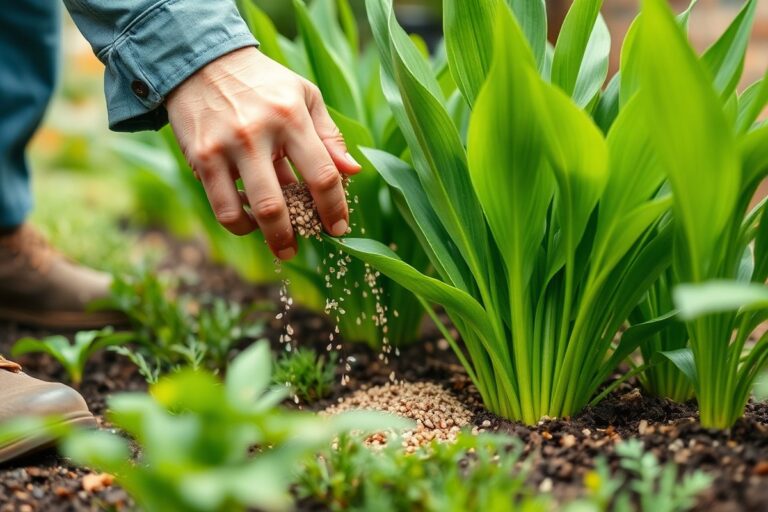
Next, use mulch to block sunlight and keep weed seeds from sprouting. A 3 to 4-inch layer of mulch works best.
But don’t pile it deeper because it can harm your plants. Mulch also keeps soil moist which helps your garden, not the weeds.
Spraying small weeds with household vinegar (5%) can work. But tougher weeds need stronger horticultural vinegar (20% or more). Use sprays carefully and test on a few weeds first to avoid damaging nearby plants.
Key Takeaways
- Pull weeds before they flower to reduce seed spread.
- Use weeding tools under $20 to easily remove deep roots.
- Apply 3 to 4 inches of loose mulch to block weed growth.
- Avoid mulch deeper than 4 inches to protect garden plants.
- Spray small weeds with 5% vinegar; use 20% for tougher weeds.
- Mow lawns every 1-2 weeks to control creeping weeds like clover.
How to Remove Weeds Effectively and Safely
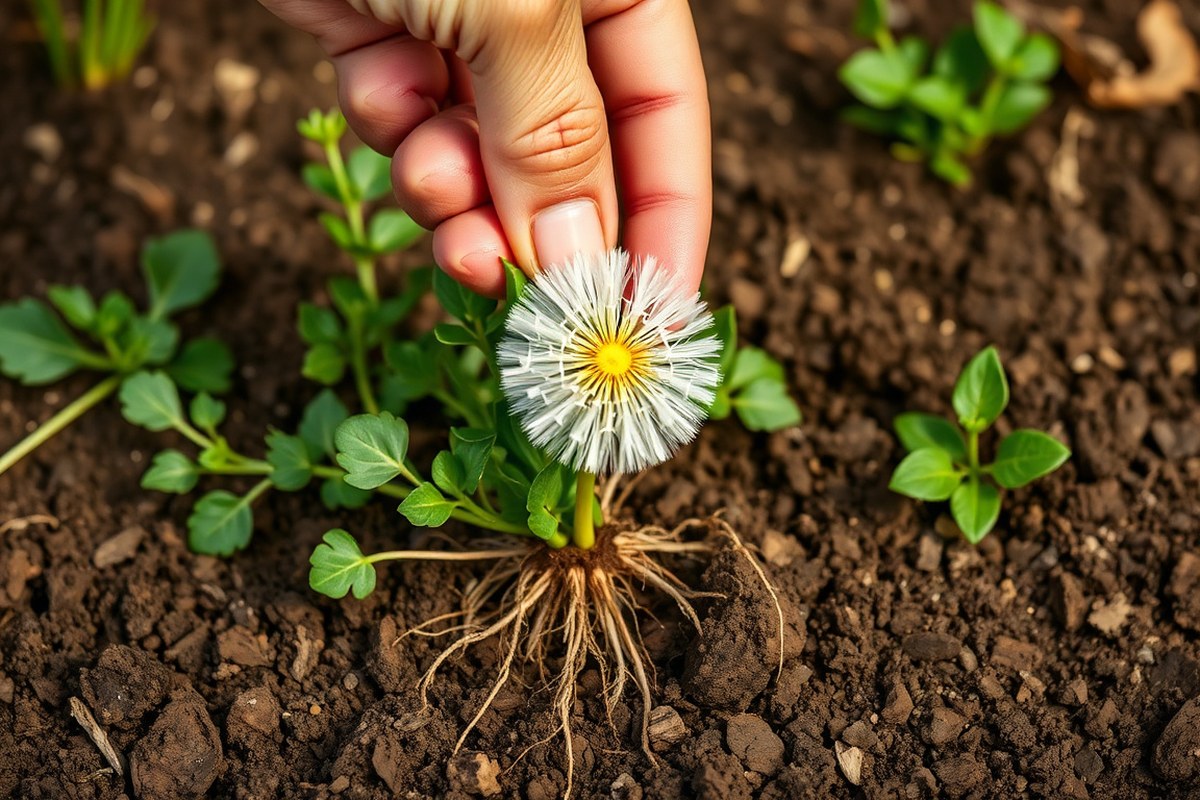
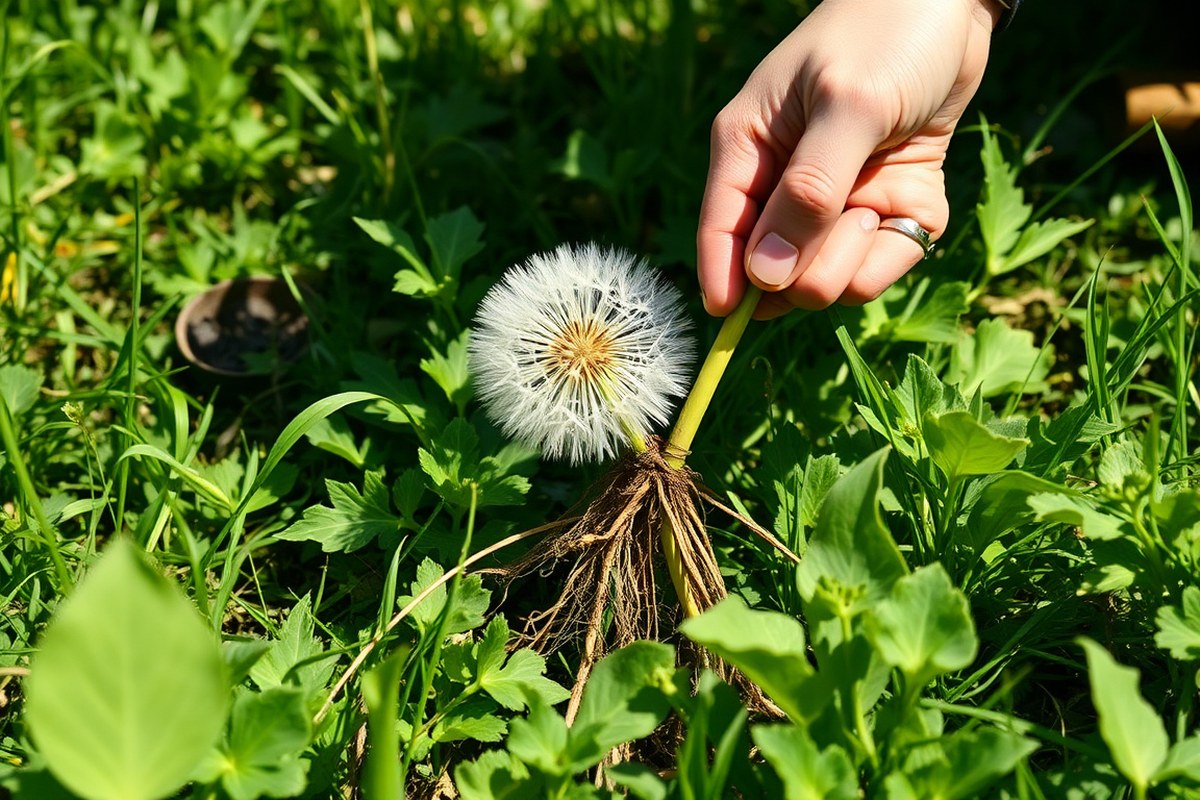
Pulling weeds by hand works best when you take out the entire root. Grab the weed at the base near the soil and pull gently but firmly. For deep-rooted weeds like dandelions, remove all root parts.
This stops them from growing back. Be sure to dig deep enough to get all roots.
Using a hand tool like a dandelion digger can help loosen tough roots. Make sure you dig around the root to get the whole plant out in one piece.
Leftover root fragments will regrow. So check the hole after pulling to ensure nothing remains.
Natural methods like boiling water or vinegar can kill weeds if applied carefully. Boiling water damages weed leaves and roots when poured directly. Household vinegar at 5% works on small weeds.
But horticultural vinegar at 20% or higher is better for tougher patches. Saturate the entire plant, including the roots, for best results.
Mulching blocks sunlight and stops new weeds from growing. Apply 3 to 4 inches of mulch like wood chips or stones. Mulch blocks weed seeds and stops roots from breathing.
It also keeps roots from getting nutrients. This slows weed growth naturally without chemicals.
Systemic herbicides kill weeds by traveling inside the plant to destroy roots. They are useful for hard-to-control perennial weeds. Glyphosate is a common choice for permanent, bare-ground weed control.
It kills most plants fully but is non-selective. So avoid spraying on grass or desired plants.
Treat systemic herbicides with caution. Wear gloves, long sleeves, and eye protection when applying.
Follow all label instructions to avoid harm to yourself, pets, and surrounding plants. Repeated treatments may be necessary to fully kill stubborn weeds.
Use selective herbicides only on lawns to kill broadleaf weeds without damaging grass. These products target specific weeds but often take time and multiple uses to work completely. Always follow safety guidelines specific to the herbicide you choose.
Choosing the Right Tools for Weeding
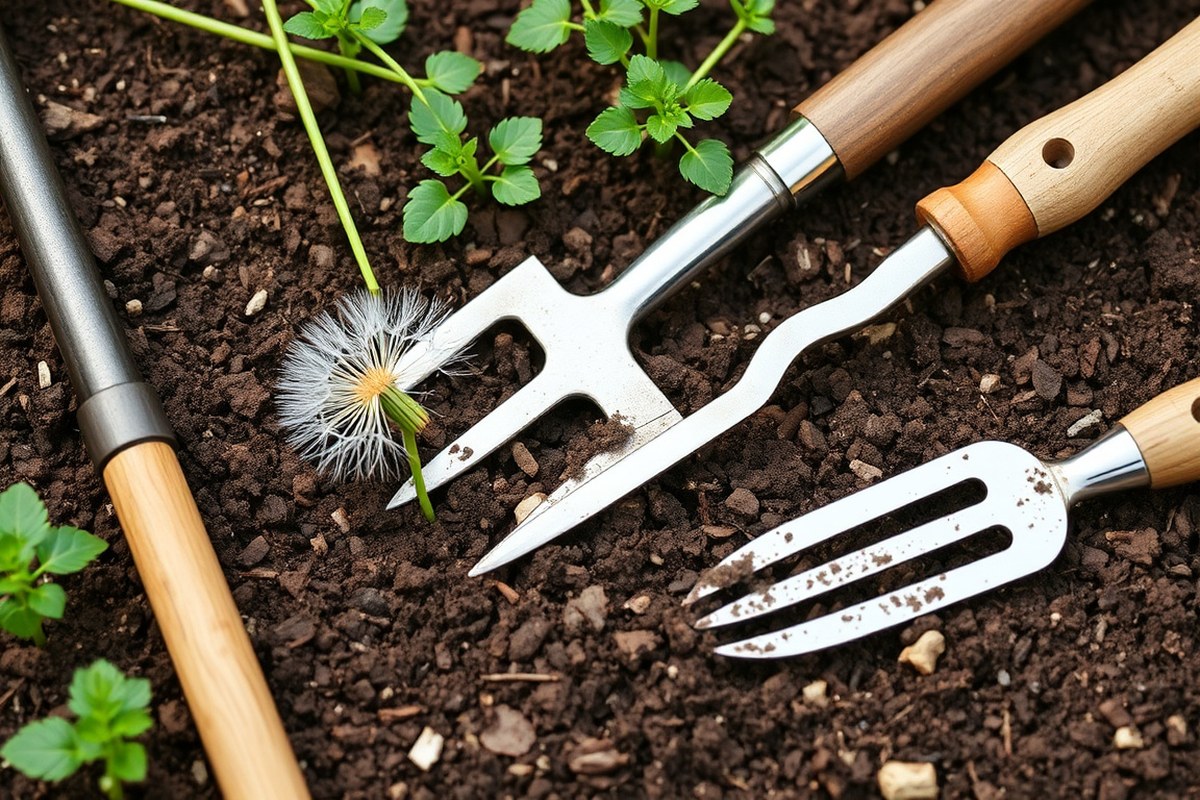
Deep-rooted weeds call for strong digging tools that reach below the surface. A dandelion digger slides under the root. It pulls the weed out.
It works well for deep roots. These tools cost about $10 to $20 and save your back by focusing your effort precisely.
For smaller or shallower weeds, a hoe can quickly cut roots near the surface. Stand-up weeders let you work while standing, reducing strain. They help you pull weeds with a claw.
The claw use roots loose beneath the soil. It makes weeding easier.
- Use a power cultivator in beds without grass. It tills soil and kills annual weeds fast. Avoid using it on grass areas.
- Choose narrow-bladed knives for slicing through lawn weeds like dandelions without uprooting grass.
- Grampa’s Weeder or similar tools help stand and pull weeds in large or lawn areas.
- Pry deep weeds slowly with a dandelion weeder to avoid breaking roots.
- Hoe large, open areas to speed up surface weed removal.
Work slowly near valuable plants. Insert the tool beside the weed and gently push to loosen soil. Avoid sharp jerks that can damage surrounding roots or stems.
Pull steadily and check that the whole root comes out. Broken roots regrow quickly, wasting your effort.
Use tools that fit the weed’s depth and size to avoid digging up soil unnecessarily.
For lawn weeds, slice just below the surface with a sharp knife to avoid pulling grass. Deep digging disrupts soil too much and damages lawn roots. In garden beds, till once or twice a season to break weed cycles.
On patios or cracks, hand pulling or using a claw weeder works best. The right tool saves time, cuts strain, and protects plants you want to keep.
Natural Methods to Kill and Prevent Weeds
Natural weed killers work by stopping seeds or blocking sunlight. They can burn plants without using strong chemicals. These methods help control weeds safely in your garden.
Vinegar and boiling water kill existing weeds on contact. Mulches and corn gluten meal stop new weeds from growing. Solarizing soil uses heat from the sun to kill weed seeds over time.
Using White and Horticultural Vinegar
Vinegar kills weeds by drying out their leaves. But it does not reach deep roots.
Using vinegar is best for young weeds or seedlings before they develop strong roots. Vinegar is non-selective, so it can harm any plant it touches.
Wear gloves and spray on dry, sunny days to get the best effect. Use garden vinegar made for killing weeds.
It has about 20% acetic acid. This is stronger than the vinegar you use in the kitchen.
- Choose a calm day with no wind to avoid spray drift.
- Put on gloves and eye protection before handling vinegar.
- Spray the vinegar directly onto the leaves of weeds until wet.
- Avoid spraying on desirable plants or lawn grass.
- Repeat treatment every few days for persistent weeds.
- Watch for brown, dying leaves within 24 hours.
- Rinse tools well after use to avoid damage.
Applying Mulch Correctly to Block Weeds
Mulch blocks sunlight and stops weeds from sprouting under the soil. Bark chips, wood chips, and compost are popular mulches that also keep moisture in the soil. Spread mulch 1 to 2 inches thick over the soil.
Cover all the ground but keep plant crowns clear. This helps stop new weeds from growing.
Lay mulch over moist soil without disturbing the soil too much. For hard-to-kill weeds, put a cardboard layer under the mulch.
This stops weeds from pushing through to the surface. It adds extra weed protection.
- Clear the area of existing weeds by pulling or hoeing.
- Water the soil lightly to settle it before mulching.
- Lay a sheet of cardboard, cutting around plants if needed.
- Spread mulch evenly 1 to 2 inches thick over the area.
- Keep mulch a few inches away from plant stems to avoid rot.
- Replenish mulch yearly as it decomposes and thins out.
Solarizing Soil for Long-Term Weed Control
Solarizing soil means covering it with clear plastic to trap heat. Leave it in the sun for 4 to 6 weeks during hot months. This heat kills weed seeds and stops them from sprouting.
Choose a bare, weed-free area. Cover the soil with clear plastic tightly, sealing the edges with soil or rocks. Leave it in place for at least one month in full sun for good results.
- Remove all plants and weeds from the soil surface.
- Till the soil to loosen the top few inches.
- Water the soil deeply to help conduct heat.
- Cover the soil tightly with clear plastic sheeting.
- Seal the edges with soil or heavy objects to trap heat.
- Leave the plastic in place for 4 to 6 weeks of hot weather.
- Remove the plastic and plant when ready.
Boiling Water as a Natural Weed Killer
Pouring boiling water on weeds kills the above-ground parts immediately. This method works best on small, young weeds, though roots may survive. Repeat applications are needed to weaken deep-rooted weeds over time.
Boiling water can harm any plant it touches, so target only the weeds. Use caution around desirable plants and avoid steep slopes to prevent scalding soil or runoff.
- Boil water in a kettle or pot until fully boiling.
- Slowly pour the boiling water directly onto weed leaves and base.
- Apply in the early morning or late afternoon to avoid quick evaporation.
- Repeat every few days until weeds die back completely.
- Protect nearby plants by wetting them with water before treatment.
- Allow soil and plants to cool before walking over treated areas.
When and How Often to Remove Weeds for Best Results
Pull weeds within their first four weeks of growth, before they flower. This early removal stops them from spreading seeds and growing back. Watch for young annual weeds like chickweed and groundsel while they still have their roots attached.
Check your garden or lawn every one to two weeks during spring and summer. This matches the growing season for most weeds. It catches them before they get out of hand.
This timing helps keep your garden neat and healthy. Mow your lawn regularly during these months to control creeping weeds like clover and speedwell too.
Weeds begin growing in early spring, ahead of most garden plants. Removing them during this time is important to avoid seed dispersal.
Waiting until weeds flower lets them spread a lot. They cause bigger problems later on if you don’t act early.
For lawns, timing affects herbicide success. Pre-emergent herbicides work best when applied twice a year, before weed seeds sprout. Use these early in spring to block new weeds.
Do it again in early fall for the best results. These treatments do not harm your grass.
Pull weeds when soil is moist for easier removal. Morning or after rain is the best time. Moist soil helps get the roots out completely.
This reduces chances of regrowth. Avoid pulling weeds when ground is dry and hard.
Hard soil makes roots break off easily. Broken roots can grow back and cause more weeds.
Keep mulch layers at about 3 to 4 inches deep around plants to block sunlight. This smothers weed seeds from germinating. Don’t exceed 4 inches, or the soil may stay too wet and harm your garden plants.
For perennial weeds with deep roots, you must be persistent and remove them often. Repeat every two weeks during the growing season to stop regrowth. Annual weeds usually require less frequent attention, but they still need early removal.
Stop weeds before seed set by weekly or biweekly checks and prompt removal. This timeline cuts weed spread and cuts back future garden work. Regular action pays off with fewer weeds and healthier plants.
Managing Weeds in Lawns Without Harming Grass
Selective herbicides work by targeting weeds without harming your grass. Choose products labeled for your specific lawn type. Read the directions carefully to apply the right amount.
Too much can damage the grass, while too little won’t kill the weeds. Spot-treatment is best for isolated patches, saving lawn health and time.
You can tell weeds from grass by their leaf shape and growth pattern. Many common lawn weeds like dandelions have broader leaves. They grow lower or wider than grass blades.
Grasses usually have narrow, blade-like leaves that grow upright in dense clusters. Learning to spot these differences helps you treat only the weeds and keep your grass healthy.
Mowing helps control weeds by stopping seed heads from spreading. Set your mower blade to keep grass tall enough, around 3 inches is ideal. Taller grass shades the soil and stops weed seeds from getting light to grow.
Mowing too short weakens grass and allows weeds like crabgrass to take over. Keep your mower blades sharp to avoid tearing grass, which invites disease and weeds.
After pulling or spraying weeds, patch bare areas by overseeding. Spring and early fall offer the best temperatures, generally between 60 and 75°F. Spread grass seed evenly, then cover lightly with soil or compost.
Water the area gently daily until the grass fills in. This stops new weeds from jumping in and keeps your lawn thick and lush.
Maintaining a healthy lawn is the best way to prevent weeds long-term. Fertilize and water according to your grass type’s needs, too much or too little harms growth. Edge your lawn regularly to stop grass and weeds from creeping into flower beds.
Thin lawns allow weeds to get a foothold, so keep yours dense and green. Pulling out stubborn weeds like couch grass by hand helps. Use a trowel to remove their underground roots.
Always read the herbicide label before using it on your lawn. Check your grass type to avoid damage.
Dealing with Deep-Rooted and Perennial Weeds
Deep-rooted perennial weeds regrow if you leave root parts in soil. Dandelions and thistle are common examples. They spread back from roots left behind.
Removing the entire root takes patience and the right tools. Repeating treatments and using root-targeting methods can stop them for good.
Identifying Deep-Rooted Weed Species
Dandelions have thick, long taproots that reach deep underground. Thistle and bindweed spread by extensive root systems or underground stems. Knowing the weed type tells you how deep to dig and what removal method to use.
Perennials send up new shoots from roots or root buds each year. That means pulling off the leaves won’t kill them. You must dig out the root or exhaust its reserves by cutting repeatedly.
Tools for Effective Root Removal
Long, narrow tools work best to reach deep roots without breaking them. Use a serrated weeding knife or a special root weeder for taproots. A garden fork can loosen soil around roots for easier lifting.
Snapping the root off close to the soil encourages regrowth. Aim to lift the entire root gently, especially for tap-rooted weeds like dandelions. Hand-pulling works only if the soil is moist and loose enough.
Repeating Treatments to Prevent Regrowth
Deep-rooted weeds may return from leftover roots or new seeds. Remove visible plants and check the area weekly for new sprouts. Repeated digging or cutting over 3 to 4 weeks soon exhausts root energy.
Mowing or cutting weed tops lowers seed spread. It also drains energy stored in their roots. Doing this regularly weakens the weed over time.
Heavy mulching after removal can stop tiny leftover root pieces from growing. Watch spots closely for at least a month.
Thermal Methods for Root Destruction
Thermal weed control uses heat to kill all parts of the plant, including roots. Applying steam or flame at the weed’s base can kill roots. You must do this carefully to avoid damage.
This method can help control weeds without chemicals. Repeat heating every 7 to 10 days for stubborn perennials.
This method works better than acetic acid or surface sprays that only touch leaves. Avoid fire damage to nearby plants and follow local safety rules. Thermal control requires patience but can be effective in tight garden spots.
Steps for Removing Perennial Weeds with Deep Roots:
- Water the soil around the weed to soften the ground.
- Loosen soil with a garden fork around the base of the weed.
- Use a serrated weeding knife to dig deep under the root.
- Lift the entire root carefully without snapping it.
- Cut back any green tops repeatedly if root removal is incomplete.
- Apply thermal treatment like flame weeding to stubborn root parts.
- Mulch the area to block sunlight and prevent seed growth.
- Check the patch weekly and repeat digging or burning as needed.
Common Mistakes in Weed Removal and How to Avoid Them
Leaving roots behind is one of the top mistakes when pulling weeds. Many perennials regrow quickly if even a small root piece stays in the soil. Pull weeds when soil is moist.
This helps remove the full root. It also cuts down the chance of regrowth.
Applying herbicides wrongly can harm nearby plants or fail to control weeds well. Use contact herbicides only on dry, clear days. They kill just the parts they touch.
Contact herbicides work best on annual weeds. Avoid spraying herbicides on windy days.
Use cardboard or plastic shields to protect nearby plants. This stops the spray from drifting away.
Over-mulching looks like a tidy solution but can cause problems. A mulch thicker than 3 inches holds too much moisture. Too much moisture leads to root rot.
This can harm plants you want to keep. It can also create space for weeds to hide under, making detection and removal harder.
Weeds often grow back quickly after these mistakes: not pulling out all roots, soil disturbance spreading seeds, and patchy mulch layers. Fill gaps with groundcover plants that outcompete weeds and block sunlight. Using drip or soaker hoses under mulch keeps your plants hydrated while leaving weeds dry.
- Pull weeds fully by loosening soil before lifting roots out
- Spray herbicides only on calm, dry days with shield barriers
- Limit mulch thickness to 2 to 3 inches to avoid moisture issues
- Plant mat-forming groundcovers to shade and crowd out weeds
- Use root barriers for aggressive weeds like bamboo and horsetail
- Regularly check weed-prone spots during growing season
- Avoid disturbing soil around plants to limit weed seed spread
Protecting nearby plants starts with careful weeding and targeted herbicide use. Hand weed close to valuable plants, loosening soil gently to avoid damage. Also, place mulch carefully to keep beds neat but not smother roots.
Weeds need sun and space to thrive. Blocking their light with dense planting or mulch slows regrowth. Prevention requires steady effort, especially from spring through early summer when weeds grow fastest.
Safe Use of Chemical and Commercial Weedkillers
Choose herbicides designed for home use that target the specific weeds you face. Broadleaf herbicides work well on broadleaf weeds without harming most grasses. Avoid non-selective herbicides unless used with great care.
These products can harm grass, flowers, and other plants they touch. Apply them only where you want to kill plants.
Spray herbicides when weeds are small and growing well. Use a spray bottle or a small garden sprayer for accuracy.
Pick a calm, dry day to spray. Wind can carry chemicals up to 2,600 feet, risking damage to other plants or animals.
Wear personal protective equipment like gloves, long sleeves, and eye protection during application. This protects you from skin irritation and accidental splashes. Follow the label instructions exactly for mixing and applying herbicides.
Using too much can damage plants and the environment. Stick to the recommended amounts to stay safe.
After applying, avoid watering the area for at least 24 hours to let the herbicide work. Watch for any surviving weeds and be ready to reapply if needed, especially with stubborn perennials. Always store leftover chemicals away from children, pets, and water sources to prevent accidents.
Use herbicides only when weeds are actively growing. Avoid windy days to stop chemical drift.
Preventing Weeds Through Lawn Care and Garden Practices
Stopping weeds before they start saves time and effort. Healthy lawn care, mulching, cover crops, and careful soil handling can keep weeds away. These practices work by blocking weed seeds and making your garden less welcoming to weeds.
Healthy Lawn Care Tips That Suppress Weeds
Cutting your grass regularly keeps weeds from seeding and taking over. Mow often enough to keep grass about 2.5 to 3 inches tall. Lawns that are too short let sunlight reach weed seedlings, encouraging their growth.
Water deeply but infrequently to strengthen grass roots. About one inch per week, including rain, is enough for most lawns. Fertilize your grass once a year with balanced fertilizer.
This keeps it dense and healthy. Dense grass makes it harder for weeds to grow.
Using Cover Crops and Companion Plants
Some plants naturally block weeds by covering the soil and taking up space. Clover, rye, and vetch are common cover crops. They reduce weeds.
These crops also add nutrients to the soil. Plant native species in your garden.
They help stop weeds from growing. Native plants form a strong, diverse plant group.
These plants block sunlight from reaching weed seeds, stopping them from sprouting. You can plant cover crops in fall or early spring to cover bare soil. Companion plants like marigolds or basil can also reduce weeds and improve garden health.
Best Mulch Types and Application Tips
Mulch blocks light needed for weed seeds to sprout, smothering most new weeds. Organic mulches like shredded bark, straw, or hardwood chips work best. Apply mulch in a 3 to 4 inch thick layer around plants and bare soil.
Beware of making the layer too thick near plant stems. 2 to 3 inches work better here.
Mulch also helps soil hold moisture and keeps temperature steady, which benefits your plants. Landscape fabric under mulch can add extra weed protection, especially in flower beds and around trees.
- Shredded bark or wood chips: long-lasting and good for trees
- Straw or hay: breaks down fast, good for vegetable gardens
- Leaves or grass clippings: free and easy but remove weed seeds first
- Cardboard: use under mulch to kill weeds in empty beds
- Landscape fabric: blocks weeds but needs covering with mulch
Minimizing Soil Disturbance Strategies
Turning or digging soil brings buried weed seeds to the surface where they grow. Limit tilling to just when necessary, like preparing new beds. Cover disturbed soil right away with mulch or plants.
This stops weed seeds from sprouting. Act quickly after soil disruption.
Using a hoe weekly over bare spots cuts young weeds before they grow deep roots. Avoid leaving bare soil; plant ground covers or mulch as soon as possible. This reduces new weed seeds’ chance to get light and moisture, keeping weeds under control.
Step-by-Step Action Plan to Get Rid of Weeds
Follow these steps to remove and prevent weeds effectively. Each step shows how to check your progress.
- Before you start: Gather your tools like a hand trowel and gloves. This prepares you for safe and easy weeding.
- Day 1: Pull visible weeds by hand, making sure to remove roots. You’ll know it worked when no green shoots remain in that spot.
- Week 1: Apply mulch around plants to block new weed growth. Check after a week that no new weeds have sprouted through the mulch.
- Week 2: Spot-treat stubborn weeds with targeted organic herbicide or vinegar. Confirm success when treated weeds wilt and die within days.
- Month 1: Mow your lawn regularly to keep grass healthy. Don’t cut it too short. This helps stop weeds from growing. Monitor your lawn for fewer weeds and thick grass.
- Every 2 weeks: Inspect your garden for new weeds and pull or treat them early. Early action stops weeds from spreading seeds and roots.
- Before next season: Aerate and fertilize your lawn and garden beds to boost plant growth. Healthy plants crowd out weeds and lower their return.
Frequently Asked Questions
What Is the Simplest Way to Spot Weed Roots Early?
You need to look closely at base stems early in spring. Weed roots start with small shoots before leaves appear.
Catch them early. This makes it easier to remove the weeds.
Can Weeds Affect Soil Health over Time?
Yes, weeds can deplete soil nutrients and cause imbalance. They compete with plants for water, which can weaken your garden soil quality if left unchecked.
How Often Should I Inspect My Garden for New Weeds?
Check for weeds at least once a week during growing seasons. Frequent inspection catches them early and stops them spreading quickly in your beds or lawn.
Does Watering Method Influence Weed Growth?
Yes, overhead watering can promote weeds by spreading seeds. Drip irrigation helps because it targets plants directly and keeps weed seeds from getting moisture.
Are There Specific Times of Day Better for Pulling Weeds?
Early morning or late afternoon work best to pull weeds out. The soil is softer then, making it easier to remove entire roots without breaking them.
Can Landscape Fabric Permanently Stop Weed Growth?
Landscape fabric helps reduce weeds but won’t stop all of them forever. Weeds can grow on top or find gaps. So combine fabric with mulch for better results.
The Bottom Line
You can control weeds without risking your plants or using harsh chemicals. Start small and keep up with these easy steps. Grab your gloves now and pull your first weed today.