Do Strawberry Plants Spread? A Complete Guide to How They Grow and Multiply
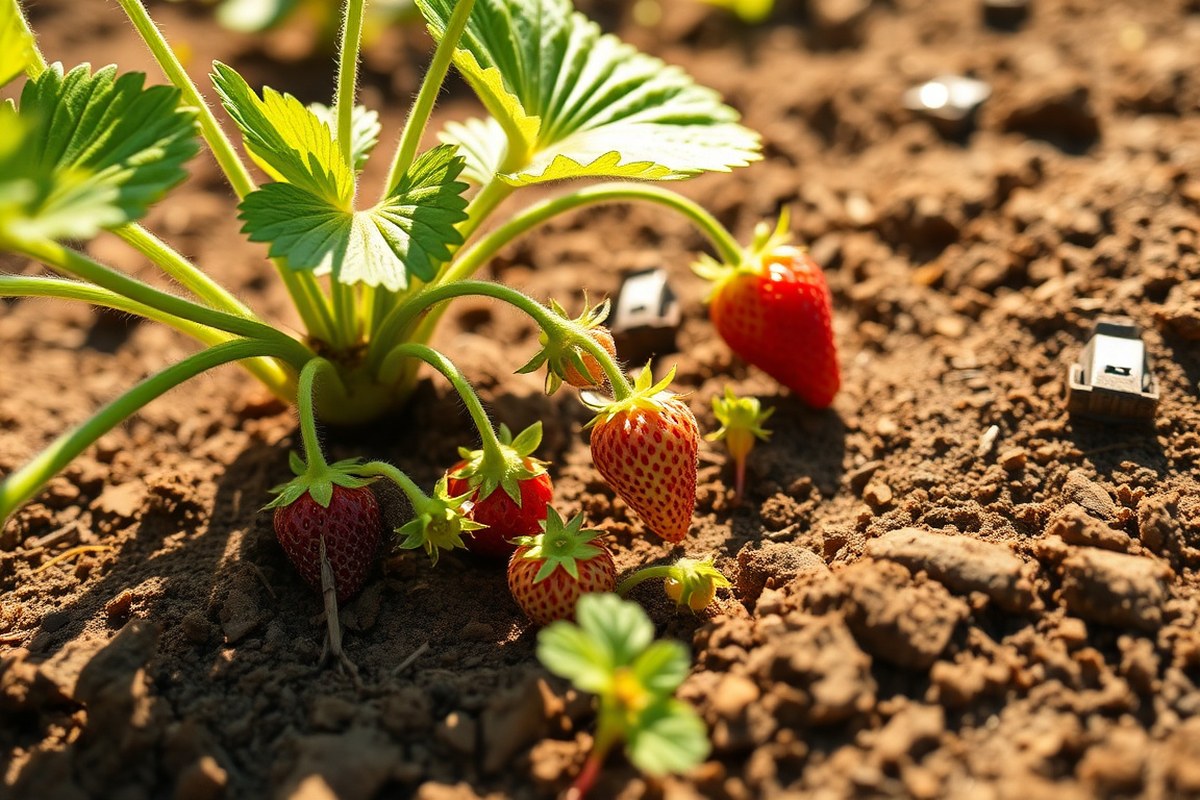
Do strawberry plants spread? Yes, strawberry plants spread by sending out runners. These runners grow out horizontally and root new plants nearby.
This makes your patch fill in quickly without extra effort. Runners can extend several feet, creating new plants along their length as they touch the soil.
Your original plant grows short runners that root into new baby plants. These baby plants grow close, forming a thick mat of strawberries over time.
You can control how far they spread by managing and trimming these runners regularly. Removing runners also helps keep the plants healthy and focused on fruit production.
Spacing matters when planting strawberries. Give them 12 to 18 inches apart so runners have room but stay contained.
Watch for overcrowding, or your plants may compete and produce fewer berries. Proper air circulation around plants helps reduce disease problems, too.
Key Takeaways
- Strawberry plants spread by growing runners that root new plants nearby.
- Plant strawberries 12 to 18 inches apart to balance spread and air flow.
- Runners form dense mats that fill in your garden bed in a few months.
- Control the width of your patch by trimming runners beyond 2 feet wide.
- Let runners grow in the third year to replace older mother plants.
- Dense patches need thinning every 3 to 5 years to stay productive.
Do Strawberry Plants Spread and How Do Runners Work?
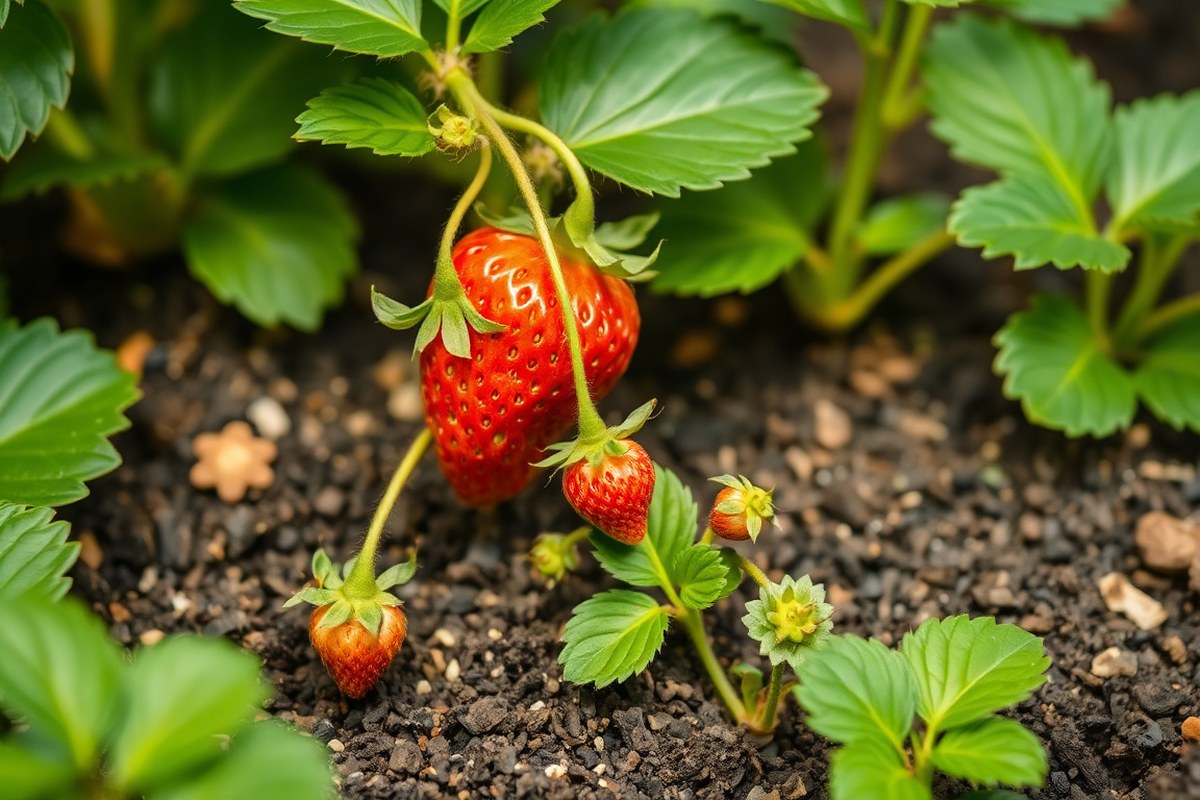
Strawberry plants do spread, mainly by sending out stems called runners. These runners, or stolons, grow several inches from the main stem, creeping slowly across the ground. At points along a runner, small daughter plants form and root, creating new strawberry plants nearby.
The process starts when a healthy strawberry plant grows a runner from its crown. The runner stretches out horizontally, touching the soil. Along the runner, the plant grows tiny leaves.
Roots form too. These roots grab hold of the soil. This is how new plants start, spaced a few inches from the original.
Each daughter plant, once it roots, needs some space and nutrients to grow well. In a few months, one strawberry plant can spread. It can form five or more plants.
All grow in the garden bed. Runners often arch over the ground.
You’ll see new baby plants at the joints. They look like little green patches.
This spreading method is useful for filling in your strawberry patch quickly. You can encourage runners to root in specific spots by gently pinning them to the soil.
This helps you control where new plants grow and keeps your garden organized. Otherwise, runners will spread in all directions, leading to a dense and tangled patch.
Letting daughter plants grow takes time and space. Usually, leave 12 to 24 inches between plants. This helps good air flow.
Gardeners often plant strawberries 8 to 12 inches apart, letting runners fill in the gaps. Watch the runners carefully.
Too many plants in one spot crowd each other. This lowers fruit production.
How Fast Do Strawberry Plants Typically Spread in the Garden?
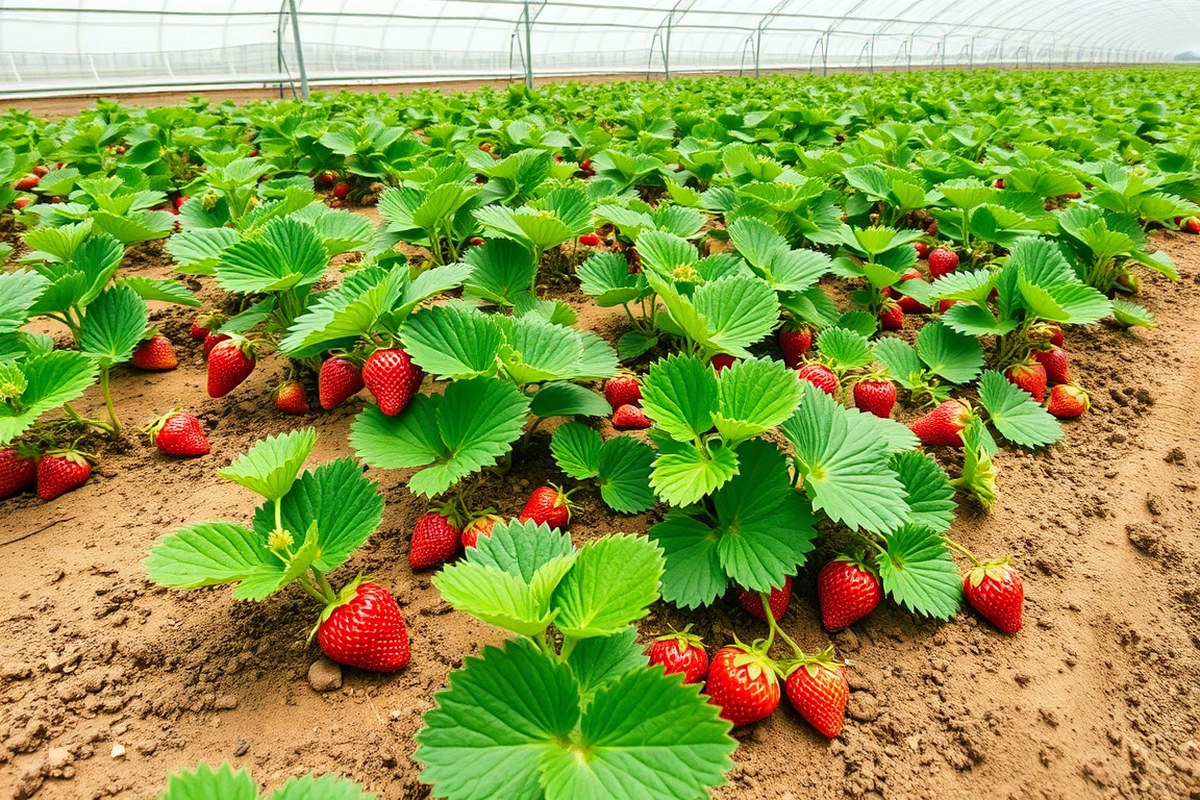
Strawberry plants spread through runners that root and grow into new plants quickly. From one healthy plant, expect about five strong daughter plants. They develop in around three months.
This growth gives you more plants to grow. Runners form over several weeks.
They send out long stems. These stems touch soil and root to make new plants.
The rooting process usually takes 2 to 4 weeks after a runner touches the ground. Once rooted, the daughter plants start growing their own leaves and roots. They typically take another 6 to 10 weeks to become mature enough to produce fruit.
From one strawberry plant, you get a small cluster. The plants mature in roughly three months. This helps fill your garden quickly.
Growth speeds vary depending on conditions. Warm temperatures around 60 to 75°F help runners root faster. Good soil with plenty of organic matter supports quick root development.
Also, plants that are well-watered but not soggy spread runners more actively. However, runner production slows during very hot or dry weather, which can stretch out the timeline.
To encourage healthy spread, allow no more than four runners per plant to root. Too many can weaken the patch.
How Spreading Differs Among June-Bearing, Everbearing, and Day-Neutral Varieties
June-bearing strawberries produce lots of runners each year after their single summer crop. These runners quickly form daughter plants that root and expand the patch. Because this plant spreads well, expect dense coverage soon.
You will get plenty of new plants to grow in future seasons. This helps keep your garden full and healthy.
Everbearing types produce fewer runners than June-bearers. They give you fruit in early summer and then smaller crops later. These plants produce a moderate number of runners.
The patch grows slowly over time. You might need to buy new plants sometimes to keep yields up.
Day-neutral varieties have the lowest runner output. They fruit over a longer season, usually producing steady mid-size yields. Their limited spread keeps plants closer together, which suits smaller garden spaces or raised beds.
| Variety | Average Height (in) | Spread (in) | Fruit Diameter (in) | Yield per Plant (oz) | Runner Production |
|---|---|---|---|---|---|
| Chandler (June-bearing) | 8, 10 | 18, 24 | 1.0, 1.25 | 12, 16 | High |
| Ozark Beauty (Everbearing) | 6, 8 | 12, 18 | 0.75, 1.0 | 8, 12 | Moderate |
| Tristar (Day-neutral) | 6, 7 | 10, 14 | 0.75 | 6, 10 | Low |
| Seascape (Day-neutral) | 7, 9 | 14, 16 | 0.9, 1.1 | 10, 14 | Moderate |
| Allstar (June-bearing) | 9, 12 | 20, 24 | 1.0, 1.2 | 14, 18 | High |
June-bearing types suit gardeners wanting many new plants to spread and fill a large area. Their runners let you build a bigger patch year over year. You should transplant new runners each year to keep plants productive and avoid overcrowding.
Everbearing strawberries produce fewer runners but fruit more than once. Choose these if you want moderate spread with ongoing harvest. The patch grows slowly because runner numbers are limited.
Plan to replace the plants every few years. This keeps your harvest steady and strong.
Day-neutral strawberries spread the least but give the longest fruit season. Their compact growth helps in tight gardens or containers. Manage them by trimming runners to keep the patch tidy and productive without excess expansion.
Factors Influencing How Much Strawberry Plants Spread
Several factors affect how much strawberry plants spread through runners. Sunlight is key; plants need 6 to 8 hours of full sun each day.
Full sun helps plants produce enough energy for runner growth and fruit development. Without enough light, runners grow more slowly, and new plants take longer to establish.
Soil quality also plays a big role. Strawberries prefer well-draining, nutrient-rich soil. Runners need nutrients to grow while their roots develop.
They get food from the parent plant. This support helps them grow healthy roots. Too little nitrogen slows runner growth.
Too much nitrogen boosts runners but reduces berry production. This tradeoff matters depending on whether you want more plants or more fruit.
- Sunlight: 6, 8 hours of full sun daily supports runner growth and fruiting.
- Soil: Well-draining soil with balanced nutrients improves spread and root development.
- Water: About 1 inch of water weekly keeps plants moist but not waterlogged.
- Plant age: Older, healthy plants produce more runners than young or stressed plants.
- Mulching: Helps retain moisture and can slow unwanted runner spread.
- Growing containers: Can control spread by limiting soil area and helping with water management.
Water influences how well runners root after spreading. Strawberries need about an inch of water per week, either from rain or watering.
Too much water can drown roots, while too little slows runner establishment. Mulching helps keep soil moist without waterlogging the roots.
Healthy, mature plants form more runners than sick or young ones. An older plant that fruits well usually has extra energy to send out runners.
Stress from pests, diseases, or poor soil can reduce runner growth significantly. Keeping plants healthy with proper nutrition and watering encourages better spread.
Best Practices for Managing Runners to Balance Spread and Fruit Production
Cut runners when they form solid roots and leaves. Let only a few runners root to keep plants healthy. Controlling runners balances spread and fruit production well.
Timing for Cutting or Rooting Runners
Runners usually develop from spring to summer. Wait until the new plants have roots about 1 to 2 inches long. Cutting too early can harm new plants.
Cut the runner’s new plant from the mother plant. Do this after it has roots. Make sure it also has some leaves first.
This timing helps the new plant grow independently. Removing runners outside this time can waste energy.
How to Select Runners to Keep
Choose only healthy runners with strong, green leaves. Avoid runners with damaged or weak-looking leaves. Keep runners spaced evenly to avoid crowding.
Limit the number of runners to about 2 or 3 per mother plant. This helps the mother focus on flower and fruit growth. Too many runners reduce overall yield and weaken plants.
Spacing Guidelines for Healthy Plants
Keep new plants about 12 to 18 inches apart. This spacing avoids overcrowding and improves airflow. Good airflow reduces the risk of disease.
Overcrowded patches can cause smaller fruits and more disease problems. Maintaining space makes it easier to manage and harvest strawberries. Check spacing when runners root and adjust as needed.
Replanting Runners for Patch Renewal
Replant runners in fresh soil away from old plants. Fresh soil improves nutrients and lowers disease chances. Remove old plants after 3 to 5 years for best results.
Transplant in early spring or after harvest in summer. Choose spots with good sun and well-drained soil. Removing flower buds from new plants for one season helps them build roots first.
- Watch for runners with roots 1, 2 inches long.
- Pick 2 or 3 healthy runners per mother plant to keep.
- Cut runners from mother plants after rooting and leaves develop.
- Space new plants 12, 18 inches apart in well-prepared soil.
- Remove flower buds on new plants before their first fruit season.
- Remove old plants after 3, 5 years to prevent weak yields.
Don’t let runners root outside the main patch to prevent unwanted spread.
How to Propagate New Strawberry Plants from Runners Effectively
You can propagate strawberry plants from runners by pinning them down to soil. The daughter plant forms roots and then you separate it from the mother plant. This method gives you new plants that will fruit the following season.
Preparing the Runner for Rooting
Pick healthy runners that are green and free from damage. Choose daughter plants with small leaves and small root buds at their base. Trim off any flowers or fruits to help the new plant focus on root growth.
Before rooting, gently press the runner’s daughter plant to the soil. You want firm contact to trigger root development. Pin the runner stem down using U-shaped pins or small stones to hold it steady.
Choosing Containers or Garden Spots
Root new plants in pots filled with a loose, well-draining mix like potting soil. Keep pots outdoors but protected from harsh sun or wind. Choose garden spots with loamy soil and good drainage for planting.
Space new plants about 2 feet apart to give them room to grow. Keep rows 4 feet apart when you’re establishing a new bed. This spacing avoids overcrowding and leaves open soil for more runners to root.
Caring for New Plants Until Established
Keep the soil moist but not soaked around the daughter plants. Water regularly, especially in dry weather, to encourage strong root growth. Avoid letting the soil dry out for long periods during rooting.
Wait 3 to 4 weeks before checking for new roots. Gently tug the plant to feel if roots have grown.
Once it resists, cut the runner stem connecting it to the mother plant. New plants usually fruit the season after rooting.
- Select healthy, green runners with visible daughter plants.
- Remove any flowers or fruits from the daughter plant.
- Choose pots or garden spots with loose, well-draining soil.
- Pin the daughter plant down firmly to the soil surface.
- Water new plants regularly to keep soil moist but not wet.
- Wait 3 to 4 weeks for roots to develop beneath the soil.
- Separate the rooted daughter plant from the mother carefully.
- Plant separated runner plants 2 feet apart for best growth.
Strategies to Control or Limit Strawberry Plant Spread
Controlling strawberry plant spread helps keep your garden neat and prevents overcrowding. One common approach is using physical barriers. Landscape edging or plastic strips should be at least 6 inches deep.
These stop runners from creeping into unwanted areas. This keeps your strawberry patch neat and well-defined. These barriers let roots grow downward but block horizontal spread.
Mulching reduces runner growth by covering the soil and making new rooting harder. Apply a 2-3 inch layer of straw, wood chips, or black plastic around your plants.
Mulch keeps moisture in and cools roots. But it also blocks runners from taking hold outside the patch.
Container gardening offers great control if you have limited space. Plant strawberry crowns in pots or raised beds with tight edges.
Keep the containers at least 12 inches deep to accommodate roots. This stops runners since they can’t grow beyond pot edges, making maintenance simpler.
- Mow around the patch regularly to cut young runners early.
- Dig out unwanted runners by hand during growing season.
- Use landscape edging buried 6 inches deep as root barriers.
- Apply 2-3 inches of straw or plastic mulch to block runners.
- Plant strawberries in containers with at least 12-inch depth.
- Transplant runners in fall to a new bed to control spread.
Routine trimming of runners stops them from rooting and expanding beyond your desired area. Removing stray plants by digging works well before they get established.
Fall is ideal for transplanting runner plants if you want new beds. Plan ahead to keep your strawberry patch tidy year-round.
Maintaining a Healthy Strawberry Patch with Controlled Spread
You should divide and replant strawberry plants every 3 to 5 years. This helps keep your strawberry patch healthy. It avoids overcrowding and promotes fresh growth.
This prevents overcrowding and keeps the plants producing fruit well. Without dividing, the patch can get crowded and less productive.
When and How to Divide Plants
Divide strawberry plants in early spring or right after harvest. These are the best times because the plants are actively growing or resting. Division involves digging up older plants and separating healthy crowns with roots attached.
Choose strong baby plants from runners to replace older, crowded ones. Move the new plants into well-prepared soil about 12 to 18 inches apart. Space this way to avoid tight clusters and let each plant get enough sunlight and nutrients.
A simple way to maintain good spacing is to:
- Dig around the clump and lift plants carefully
- Select firm crowns with healthy roots
- Remove dead or weak plants
- Replant new divisions at the recommended distance
- Water the new plants thoroughly
- Add mulch to keep soil moist
Recognizing and Resolving Overcrowding
Overcrowding causes smaller berries, lower yields, and more disease problems. You may notice crowded leaves, fewer flowers, or thinning fruit. Plants stuck in tight spots compete for water and nutrients, stunting growth.
Fix overcrowding by thinning out weak or unwanted plants yearly. Remove runners that grow where you don’t want new plants. This helps air circulate and keeps leaves dry, reducing fungal diseases.
Common mistakes that hurt patch health include:
- Leaving too many plants in one spot
- Ignoring runners and allowing uncontrolled spread
- Skipping annual thinning or renovation
- Planting new strawberries too close to old plants
- Forgetting to remove dead leaves and debris
Don’t let your strawberry patch get so thick the plants shade each other.
Nutrient and Pest Management for Spread Control
Healthy soil supports strong strawberry plants but too much nitrogen causes excessive leafy growth. This can lead to sprawling, weak plants that waste energy. Use balanced fertilizer with moderate nitrogen in early spring.
Keep an eye out for pests like slugs and spider mites that thrive in crowded patches. Removing overcrowded plants and cleaning up debris reduces their hiding places. Proper watering also helps avoid mold and fungal issues.
Good strawberry patch care includes:
- Applying a balanced fertilizer in early spring
- Watering evenly but not too much
- Removing dead plant material and weeds
- Checking plants regularly for pests or damage
- Thinning plants to improve airflow
Step-by-Step Action Plan for Managing Strawberry Plant Spread
Follow these steps to control and encourage the spread of your strawberry plants effectively. This plan helps you get a healthy patch with plenty of fruit.
- Early Spring: Remove old mulch and check for healthy mother plants. This prepares runners for growth and healing.
- Late Spring: Identify and peg strong runners into bare soil if you want more plants. Check new plants developing at runner tips.
- Summer: Trim unwanted runners regularly to stop overcrowding. Watch that you still have healthy leaves and flowers.
- Early Fall: Decide which new plants to keep. Remove weaker ones to keep the patch tidy and productive.
- Late Fall: Apply mulch to protect plants and maintain soil moisture. Look for even soil coverage around plants.
- Each Spring After: Thin plants if the patch seems crowded. Healthy fruit production means your spread control is working.
Frequently Asked Questions
What Cannot Be Planted Next to Strawberries?
Avoid planting onions, garlic, or cabbage near strawberries. These plants can compete for nutrients and may stunt strawberry growth. Choose companions like lettuce or spinach for better results instead.
Will Strawberry Plants Come Back Every Year?
Strawberry plants usually come back for about three years. Fruit production drops after that.
You should replace plants or let runners make new ones. This keeps your patch productive.
Are Strawberries Better Planted in Pots or Ground?
Growing strawberries in the ground usually produces bigger yields. Pots work well if you have less space.
You can control soil quality this way. However, pots dry out faster and need more care.
Will Strawberry Plants Multiply?
Yes, strawberry plants multiply through runners, which create new baby plants. This natural spread helps fill your garden quickly but needs managing to avoid overcrowding.
Do Strawberry Plants Spread?
Strawberries spread by sending out runners that root new plants. This creates dense mats.
They can spread 12 to 24 inches wide fast. It only takes a few months.
How Long Does It Take for Strawberry Plants to Start Fruiting?
Strawberry plants often start fruiting in their second year. They need one full growing season to establish strong roots and runners before producing many berries.
Before You Go
Strawberry plants do spread through runners, but you control how much. Managing runners well keeps your patch healthy and productive. Start by choosing runners to keep or remove this season.