How to Lower Acidity in Soil: 8 Effective Ways with Practical Tips
Knowing how to lower acidity in soil lets you grow stronger, healthier plants. The best way is to add lime or organic matter to balance pH levels over time. Both methods raise pH gently, stopping root damage caused by too much acidity.
Start by testing your soil with a simple pH kit from garden centers. This helps you see how acidic your soil really is before making changes. Avoid adding too much lime at once, as it can shock plants and disrupt soil life.
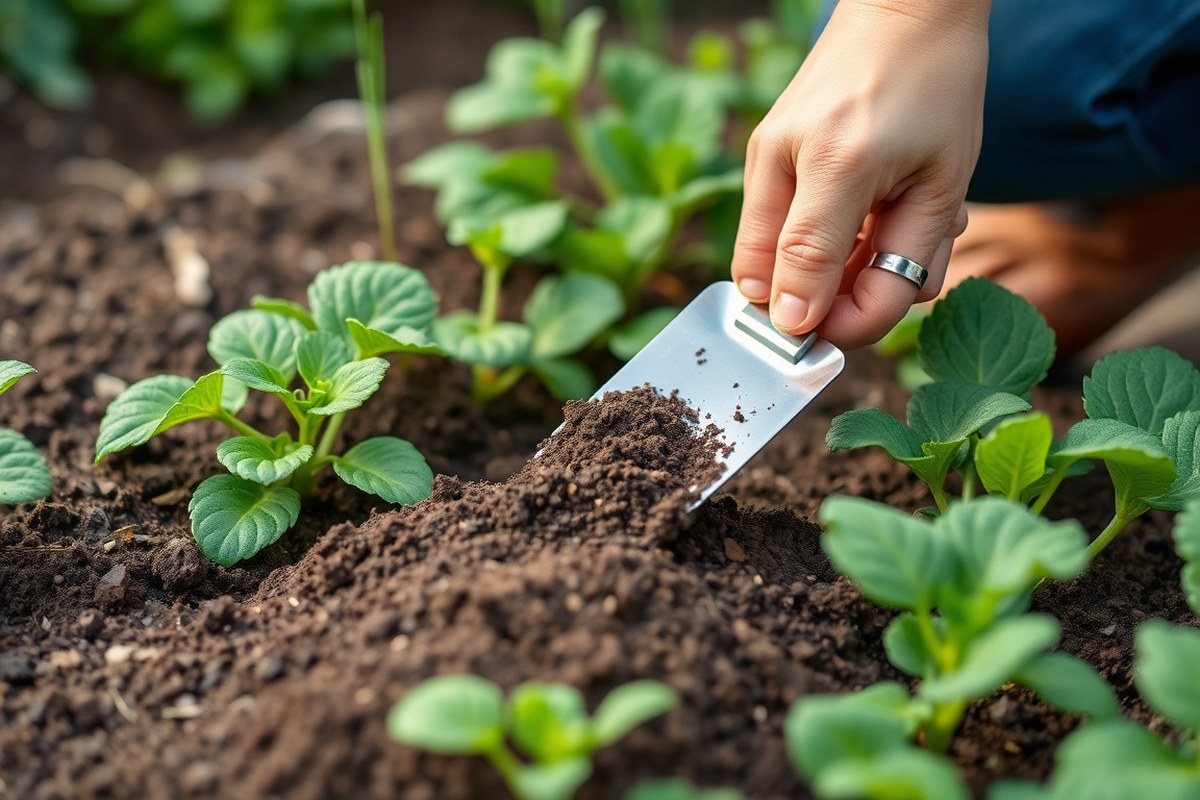
Adding compost or mulch helps shift acidity slowly while feeding your plants. Mixing amendments into the top 6 to 12 inches improves results. Spread the amendments evenly through that soil layer.
This helps your plants grow stronger and healthier. Check soil pH again about six months after making changes to track progress.
Key Takeaways
- Test soil pH first to know its current acidity level accurately.
- Apply lime to raise pH gradually, avoiding sudden shocks to plants.
- Mix organic matter like compost into the top 6, 12 inches of soil well.
- Use wood ash sparingly, 1 to 2 pounds per 100 square feet yearly.
- Re-test soil pH about six months after applying amendments or before planting.
- Turn soil when adding sulfur to reach a depth of 6 to 8 inches.
1. How to Lower Acidity in Soil: 8 Proven Methods

Lowering soil acidity mainly involves adding materials that neutralize excess hydrogen ions. Lime, also called calcium carbonate, is a common synthetic amendment.
It reacts with acidic soil to raise pH by replacing hydrogen ions with calcium. This makes the soil less sour and more friendly to plant roots.
For a natural approach, adding organic matter like compost or aged manure works well. These break down slowly and help buffer soil pH by encouraging beneficial microbes. They improve soil structure and nutrient availability, supporting plants beyond just changing pH.
Sulfur is a natural amendment but works differently. It lowers pH by converting to sulfuric acid through soil bacteria. You need to add the right amount based on soil test results.
Otherwise, it might drop pH too much or too little. It’s better for soils that need mild acidity rather than strong neutralization.
- Add lime for quick, synthetic pH adjustment, usually 50 pounds per 1,000 square feet.
- Use compost or aged manure to improve pH gradually and improve soil health.
- Apply elemental sulfur carefully, with guidance from soil tests and local extension advice.
- Grow cover crops like clover or vetch to naturally reduce acidity and add nutrients.
- Spread biochar at 1-5% by weight to stabilize pH and nourish soil long-term.
Cover crops work by capturing nitrogen and adding organic matter that slowly changes soil chemistry. Biochar helps balance soil acidity while increasing water retention.
You won’t see quick pH changes with these. But they build better soil over seasons.
Some gardeners consider wood ash for its calcium content. It raises pH but should be used sparingly, as too much can cause rapid pH swings.
Avoid vinegar or coffee grounds to lower pH. They don’t reduce acidity enough for gardening needs.
2. Understanding Soil pH and Why It Matters for Plants

Soil pH measures how acidic or alkaline your soil is. The scale runs from 0 to 14. Lower numbers mean more acid.
Higher numbers mean more alkaline. Acidity shows how many hydrogen ions soil contains. More ions make soil more acidic.
This acidity affects how well plant roots can absorb nutrients. When soil pH drops below 6.0, important nutrients like phosphorus and calcium bind tightly to soil particles. Roots can’t access these nutrients even if they’re physically there.
Acidic soils also increase harmful elements like aluminum and manganese in the soil solution. These elements can damage plant roots and reduce growth.
Soil microbes break down organic matter and release nutrients. Acidic soils make microbes work harder.
Most garden plants thrive between pH 6.0 and 7.5. This range lets roots absorb plenty of nutrients and keeps harmful elements low.
Some plants, like blueberries or azaleas, prefer more acidic soils, around pH 4.5 to 5.5. Choosing the right plants for your soil pH can save you a lot of work.
You can buy a soil pH test kit for about $10 to $15 at garden centers. Testing your soil every 6 to 12 months helps track pH changes and nutrient availability.
Testing helps you see if soil needs changes. You may add lime or organic matter.
Proper pH balance produces healthier plants with strong roots and good nutrient uptake. Too much acidity means poor growth and lower garden productivity. Monitoring soil pH regularly helps you adjust your care and improve your garden over time.
Always record your soil pH results to see trends over time and adjust treatments accordingly.
3. How to Test Soil Acidity: DIY and Professional Methods
Collecting a Proper Soil Sample
Getting a good soil sample is key before testing your soil acidity. Take samples from several spots across your garden for a clear picture.
Use a clean trowel or shovel to dig down about 6 inches. This avoids surface debris that might skew results. Follow these steps for sampling your soil correctly:
- Clear surface debris like leaves or mulch from the sampling spot.
- Dig down about 6 inches and remove a small soil core or handful.
- Collect samples from 5 to 10 different spots in the area you want to test.
- Mix all samples in a clean bucket to get a composite soil sample.
- Take about 1 cup of mixed soil. Put it in a clean container. Use a plastic bag if you prefer.
- Label the sample with the date and location for your records.
- Let the soil sample air dry for a day or two. Make sure it isn’t wet before sealing it. Then seal the soil for testing.
Using Colorimetric pH Test Kits
Home test kits are easy and affordable, usually costing $10 to $20. They come with strips or powders that change color based on pH.
Add soil and water to the test. Then compare the soil color to the chart.
The chart comes with the kit. This gives a general acidity range.
These kits work well for quick checks but aren’t as precise as lab tests. They’re best for spotting big pH changes.
Sending Soil Samples for Laboratory Analysis
Professional testing offers detailed info beyond just pH. Labs check nutrients, organic matter, and acidity all at once.
You can send your sample to a local university extension or a commercial lab. Their fees range from $15 to $50.
Use lab results when you want exact pH values and tailored lime or sulfur recommendations. This helps avoid over- or under-treating soil acidity.
4. Calculating and Applying Lime and Sulfur Safely
To figure out how much lime or sulfur you need, measure your soil’s pH first. Check your soil texture: sand, silt, loam, or clay. This affects how much amendment you add.
Write it down for reference. For example, to lower soil pH from 7.5 to 6.Apply about 300 pounds of elemental sulfur per acre for sandy soil.
For silt loam, use 600 pounds. Clay soil needs 1,200 pounds.
Apply lime to increase your soil’s pH level. Limit the amount to 50 pounds per 1,000 square feet in one go. Use dry soil before application and blend lime into the top 6 to 8 inches.
Using sulfur takes longer because soil bacteria must turn it into sulfuric acid. This process can take several months up to a year. To lower pH faster, try aluminum or iron sulfates.
They work quickly but require careful use. Watch handling instructions closely.
Using too little lime or sulfur won’t change soil acidity enough. This slows down your plants’ growth. Make sure to add enough.
Using too much lime can make soil too alkaline. Too much sulfur makes it overly acidic. Both extremes stress plants and can hurt beneficial microbes.
Wear gloves and a dust mask when spreading lime or sulfur to avoid irritation. Avoid breathing dust and keep children and pets away during application. It’s safest to apply amendments on dry days and incorporate them well into the soil.
You can estimate sulfur needs for your garden if you know your soil pH and texture. For example, to lower pH from 8.0 to 6.5, apply roughly 340 pounds per acre on sandy soil.
But double that for clay soils. Divide amounts to fit the size of your garden.
Calculate the area in square feet. For 1,000 square feet of silty soil needing sulfur to lower pH from 7…0 to 6.5, use about 360 pounds per acre. That equals about 8.25 pounds for your garden (360 ÷ 43,560 × 1,000).
Always mix amendments thoroughly to avoid uneven pH. Test soil pH again after several months.
This wait lets bacteria convert sulfur and lime reactions stabilize. So you can adjust future applications safely.
5. Using Organic Matter and Mulches to Gradually Lower Acidity
Add organic matter like compost or manure to lower soil acidity slowly. As these materials break down, bacteria create acidic by-products that reduce pH over time. This process also improves soil structure and boosts nutrients often missing in alkaline soils.
Apply about 2 to 3 inches of organic matter over your garden beds. Mix it into the top 6 to 12 inches of soil to help it integrate well. Add mulch or peat moss 8 to 12 inches deep before planting.
This helps improve soil health. It gives the best results for your plants.
- Use fully composted manure or leaf mold for steady pH adjustment
- Sphagnum peat moss works fastest due to its naturally low pH (3.0, 4.5)
- Apply organic mulch to protect soil and add matter gradually
- Add organic matter annually to maintain the lowering effect
- Keep soil warm and moist to speed up decomposition
- Avoid freshly added manure as it can temporarily raise nitrogen levels
- Combine organic amendments with sulfur for quicker pH drop
Regular additions support soil microbes that recycle nutrients and buffer acidity. This buffering boosts your soil’s ability to neutralize sudden pH shifts from rain or fertilizer. However, adjusting soil pH this way can take months or seasons to show clear change.
Different soils react at different speeds; sandy soils adjust faster than clay. Warm, well-aerated soils help microbes break down organic matter quicker. Be patient with compost; it works slowly to acidify soil.
It releases less organic acid than sulfur treatments. Compost takes time to change soil pH.
Don’t expect quick results, organic matter adjusts pH slowly but builds healthy soil over time.
6. Cover Crops and Plants That Help Regulate Soil Acidity
Top Cover Crops for Acidic Soils
Tillage radish is a key cover crop to reduce acidity. Its deep roots break compacted soil layers, where acid tends to build up. When these roots decompose, they recycle nutrients, helping balance the pH near the surface.
Other cover crops like rye and clover can also help. They add organic matter and stimulate beneficial soil microbes that improve pH naturally. These plants don’t replace lime but limit how much you need.
Timing Cover Crop Planting and Incorporation
Plant cover crops after harvesting your main crop, usually late summer to early fall. This timing protects your soil during idle seasons and reduces acid buildup from bare dirt. You can use relay planting to sow cover crops between rows.
This helps soil stay healthy while you grow other plants. It keeps the soil benefits going without stopping your main crop.
To fully reap benefits, incorporate cover crops into the soil before they flower. Cutting them down and tilling them in during early spring decomposes roots and residue. This breakdown releases nutrients and can slightly lift soil pH over time.
Balancing Crop Rotation for Soil pH Benefits
Rotate acid-sensitive plants with those that tolerate or improve slightly acidic to neutral soils. For example, plant corn and beans after cover crops like rye. This helps balance the soil’s chemistry for better growth.
These crops work well together in this order. This jump-starts soil recovery from acidification caused by specific plants or fertilizers.
Keep rotations yearly to avoid nutrient depletion and further acid buildup. Rotating cover crops and main crops creates a healthier soil environment with better pH stability. This strategy reduces reliance on chemical additives for pH adjustment.
7. Biochar and Wood Ash: Long-Term Soil pH Stabilizers
Biochar and hardwood ash help lower soil acidity by neutralizing acid naturally. Biochar works with its porous structure and alkaline traits.
Hardwood ash adds minerals that raise pH. Both need careful handling to avoid over-application that harms plants.
Biochar Properties and Application Guidelines
Biochar is a charcoal-like material made from heating organic matter without oxygen. It adds alkaline substances and improves soil structure for long-term pH balance. Use about 5 to 10% by volume mixed into the top 6 inches of soil.
Apply biochar during soil preparation or before planting so it can settle in well. It works best in dry soil conditions and with additional nutrients to boost plant growth. Avoid heavy doses since too much biochar can change soil texture and nutrient availability.
Using Hardwood Ash Safely in Gardens
Only use hardwood ash from clean wood, never treated wood or coal ash. Hardwood ash contains calcium and potassium that neutralize acid quickly.
Spread 10 to 15 pounds per 100 square feet. Mix it into the top 6 inches of dry soil.
Applying ash frequently or in excess can make soil too alkaline and harm sensitive plants. Test your soil pH before using ash to avoid overcorrecting acidity. Reapply ash every one to two years depending on pH changes and crop needs.
Comparing Biochar and Ash Effects on Soil
Biochar works slower than ash but improves soil health beyond just pH balance. It holds water and nutrients and encourages beneficial microbes. Ash acts faster to raise pH but lacks biochar’s soil conditioning features.
Both help raise soil pH, but overuse can cause alkaline stress to plants. Biochar tends to keep pH more stable long term.
Ash may need closer monitoring. Combining them carefully can support healthy soil and plant growth.
Here’s a quick guide on using biochar and hardwood ash safely:
| Amendment | Recommended Amount | Application Depth | Frequency of Application | Key Risk |
|---|---|---|---|---|
| Biochar | 5-10% by volume (mix) | Top 6 inches | Apply once before planting | Too much changes soil texture |
| Hardwood Ash | 10-15 lbs / 100 sq ft | Top 6 inches | Every 1-2 years | Excess raises pH too much |
Applying these amendments during dry soil conditions helps them absorb better. Avoid adding ash or biochar after heavy rain or when soil is wet. Monitor soil pH regularly to adjust amounts and timing as needed.
8. Monitoring pH Changes and Avoiding Common Mistakes
Check your soil pH every 4 to 6 weeks after applying amendments. Begin testing about one month after treatment to catch early changes. Frequent testing helps you avoid over-correcting and harming your soil.
Look for healthy plant growth and fewer yellow leaves as signs of correct pH levels. Poor growth, leaf burn, or stunted plants may mean pH is still off. Note these signs closely and retest soil to confirm what is happening.
Don’t add too much lime or sulfur at once. It can shock the soil. Plants might also get stressed from the shock.
Spread amendments evenly and water them in well to avoid uneven pH spots. Avoid applying treatments right before heavy rain, which can wash away amendments before they work.
Patience is key if you use natural methods like organic matter or biochar to adjust pH. These changes take several months to show clear results. Track progress with regular pH tests and plant observations, adjusting care only as needed.
Keep in mind that soils with a pH above 7.5 may resist further changes even if you add lime. In these cases, nutrient availability might still be low despite higher pH. Your best bet is to focus on improving soil structure and nutrient levels alongside pH adjustments.
Test soil pH regularly and wait before adding more amendments to avoid damaging plants.
Step-by-Step Action Plan to Lower Soil Acidity
Follow this plan to reduce soil acidity and improve your garden’s health steadily.
- Before you start: Test your soil’s pH using a kit or lab service. Know where acidity stands.
- Day 1: Apply garden lime according to the test results. Spread it evenly and water lightly.
- Week 2: Mix in organic matter like compost or aged manure. It helps balance pH and feeds plants.
- Week 4: Plant cover crops like clover or rye. They help keep soil healthy and less acidic.
- Month 2: Add a thin layer of wood ash or biochar around plants. These materials support pH stability.
- Month 3: Recheck soil pH to track changes. Adjust lime or organic inputs if needed.
- Ongoing: Mulch with shredded leaves or straw. Mulch retains moisture and gently changes acidity over time.
Frequently Asked Questions
Can Adding Sand to Soil Lower Its Acidity?
No, sand does not affect soil acidity. It mainly improves drainage and texture but won’t raise soil pH or reduce acidity levels.
Does Watering Affect Soil Acidity over Time?
Yes, frequent watering with acidic water can lower soil pH. Use neutral or slightly alkaline water for less impact on acidity.
Can Soil Acidity Return After Adding Lime?
Yes, soil pH can drop again over time. Regular testing every 1-2 years helps you know when to reapply lime.
Is There a Plant That Naturally Lowers Soil pH?
Acid-loving plants don’t lower pH but thrive in acidic soil. No common plant actually reduces soil acidity on its own.
How Does Compost Affect Soil Acidity in the Long Run?
Compost usually buffers soil pH, helping stabilize it. Over time, it can slightly raise pH in acidic soils.
Will Adding Wood Chips Lower Soil Acidity Quickly?
No, wood chips break down slowly and don’t lower acidity fast. They improve organic matter but have a minor effect on pH.
Wrapping Up
Lowering soil acidity takes time and steady care, but it’s key for healthy plants. Start by testing your soil so you know its needs. Then apply the right amendment and keep watching the changes closely.