When Does Clematis Bloom? A Complete Guide to Timing and Care
When does clematis bloom? Most clematis plants start flowering between spring and summer.
The exact time depends on the type and your local climate. Some clematis bloom as early as April, while others flower late into fall.
To know when your clematis will bloom, check its bloom group. These groups show when the vine flowers and how to prune it. Bloom group also helps you pick varieties for longer seasons in your garden.
Young clematis may take 2 to 3 years to bloom well. So if your vine looks healthy but has no flowers yet, give it time. Proper pruning helps clematis bloom faster.
Most clematis enjoy morning sun and some afternoon shade, especially in hot climates. This helps prevent flower scorching and keeps your vine blooming its best.
Key Takeaways
- Most clematis bloom between April and October depending on the variety.
- Bloom groups determine the timing and pruning schedules for clematis.
- Expect 2-3 years before young clematis fully bloom.
- Give clematis at least 6 hours of morning sun for best flowering.
- Afternoon shade helps protect clematis flowers in hot climates.
- Prune clematis according to bloom group to encourage healthy blooms.
When Does Clematis Typically Bloom?
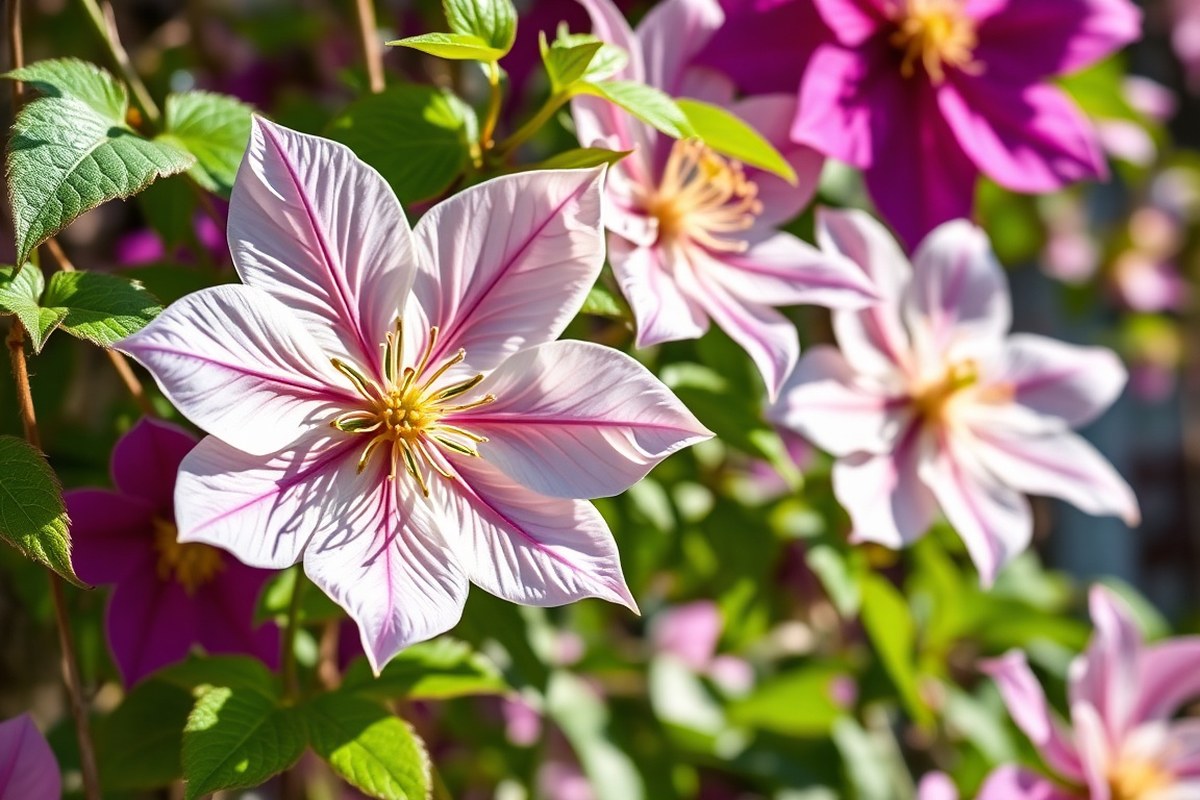
Clematis bloom times vary widely based on species and variety. Most clematis begin flowering in spring, but some will bloom into summer or fall.
For example, Clematis montana and Clematis armandii typically flower in spring. Clematis jackmanii and Clematis viticella usually bloom during summer and early fall.
Some clematis varieties can bloom twice a year. But this depends on the type and growing conditions.
Hybrid cultivars often bloom continuously through summer and fall, giving multiple flowering periods. Planting different varieties that bloom at different times helps you enjoy clematis flowers across several months.
Sunlight, soil quality, and your USDA zone influence when clematis start and stop blooming. Most need at least six hours of sun daily. But in hotter climates, afternoon shade prevents flower scorch.
Young clematis plants usually take two to three years to reach full bloom. So patience is key when starting your vine.
How Clematis Bloom Groups Determine Flower Timing
Clematis bloom times fall into three main groups. These groups differ by flowering time and pruning style. Knowing the group helps you care for them right.
Knowing your clematis group helps you plan pruning times. It also sets your flower expectations for spring or summer. This timing matches the plant’s natural cycle.
Each group blooms on different types of wood. They need pruning at specific times. This keeps the plant healthy and blooms strong.
Group 1: Early Spring Bloomers and Pruning
These clematis types flower on old wood formed the previous year. They bloom in early spring, often producing small to medium flowers. Examples include Clematis alpina and Clematis montana.
Pruning must happen right after flowering in late spring to avoid cutting off next year’s buds. This group needs little pruning to stay healthy. Prune too much, and you lose flowers.
Prune just enough to keep the wood healthy. These plants can grow vigorously, so thinning old stems helps keep them fresh.
Cut Group 1 clematis only after flowers fade in spring to keep buds for next year.
Group 2: Late Spring to Early Summer Bloomers
Group 2 clematis bloom mainly on old wood in late spring to early summer. Some varieties also flower again on new growth later in summer. Nelly Moser and Henryii are common examples in this group.
Prune these plants in late winter or early spring before growth starts. You can remove dead or weak stems but avoid heavy cutting to preserve flower buds. Light pruning after the first bloom can encourage a second flowering on new shoots.
Prune Group 2 lightly in early spring and again after the first bloom for more flowers.
Group 3: Summer to Fall Bloomers and Care
Group 3 clematis bloom in mid to late summer. They flower on new growth from that year’s season. This timing is different from early bloomers.
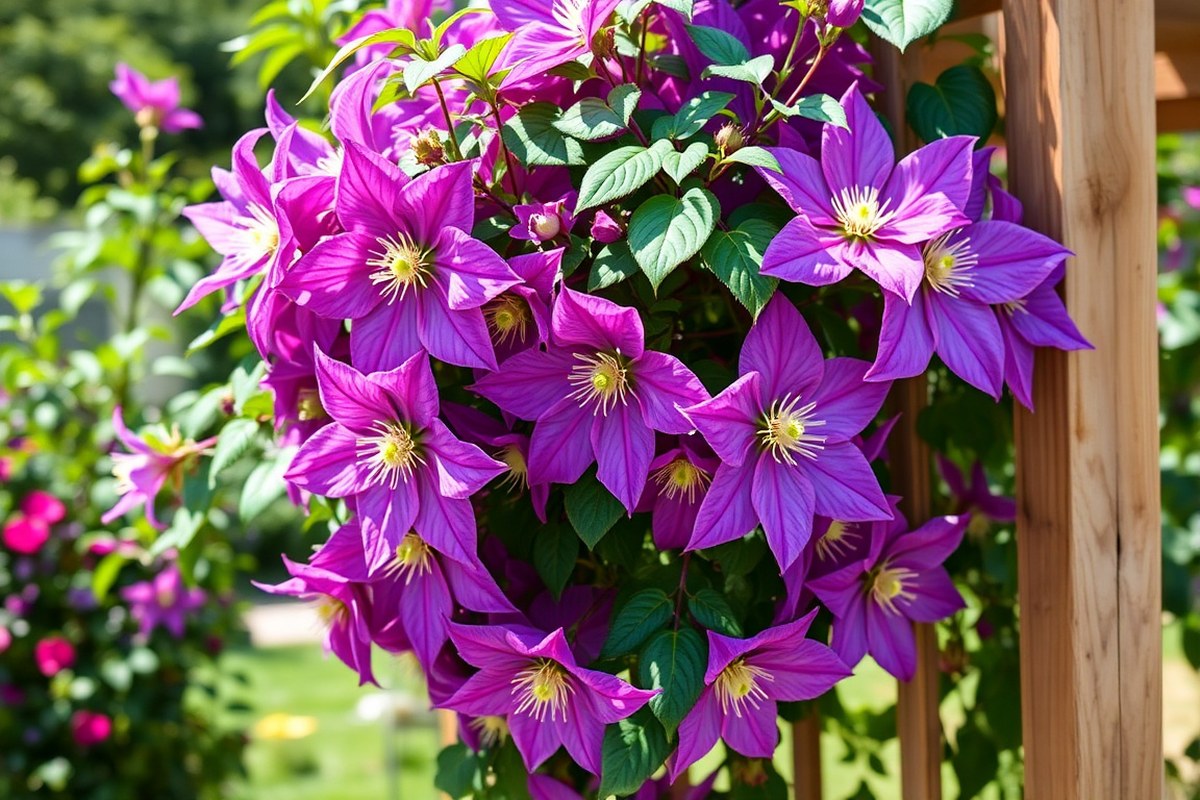
They include popular large-flowered vines like Jackmanii and Viticella. These are often the main summer bloomers in the garden.
Prune hard in late winter or early spring, cutting stems back to about 12 inches. This encourages strong new growth and plenty of flowers later. These clematis can be pruned yearly without bloom loss.
They flower on new wood each season. Pruning helps keep the plant vigorous.
Group 3 responds well to strong early spring pruning to produce more summer flowers.
How Long Before Clematis Start Blooming?
Many clematis varieties won’t bloom until they reach about 2 years old. You probably buy a potted plant that’s already 1 to 2 years old.
So you might see flowers the next season. Seedlings and cuttings usually take longer, around 2 to 3 years, to produce their first blooms.
Propagation method plays a big role in bloom timing. Cuttings taken from healthy clematis in April or May may root within two months.
However, even rooted cuttings often need a full growing season or two before showing flowers. Seed-grown clematis requires the most patience, usually 3 years or more until first blooms appear.
Young clematis plants tend to produce smaller and less frequent flowers at first. Blooms get larger and more abundant as the vine matures. Cut and pinch new growth during the first three years.
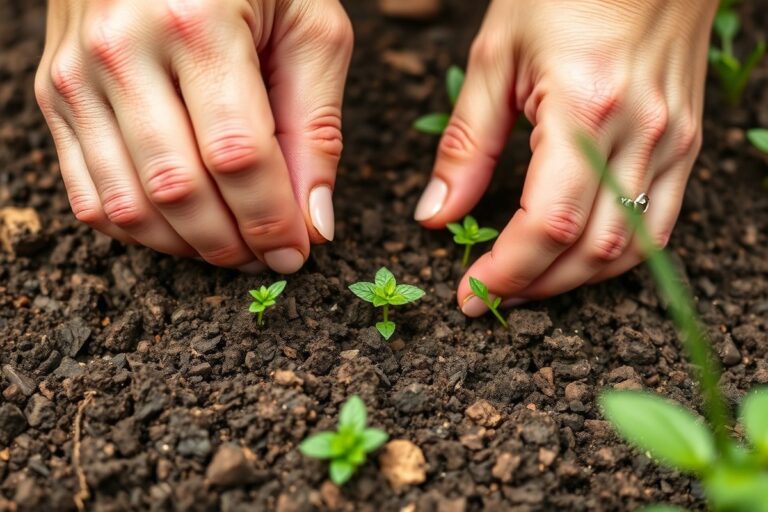
This helps the stem get stronger. It also makes the plant bloom fuller later. Start your potted clematis after the last frost ends.
This gives the plant time to settle in. Then it can grow well during the season.
Key Factors That Affect Clematis Blooming Times
Clematis needs at least six hours of direct sunlight daily for the best blooms. Morning sun with afternoon shade suits most varieties well. Too little sun leads to fewer flowers and weak growth.
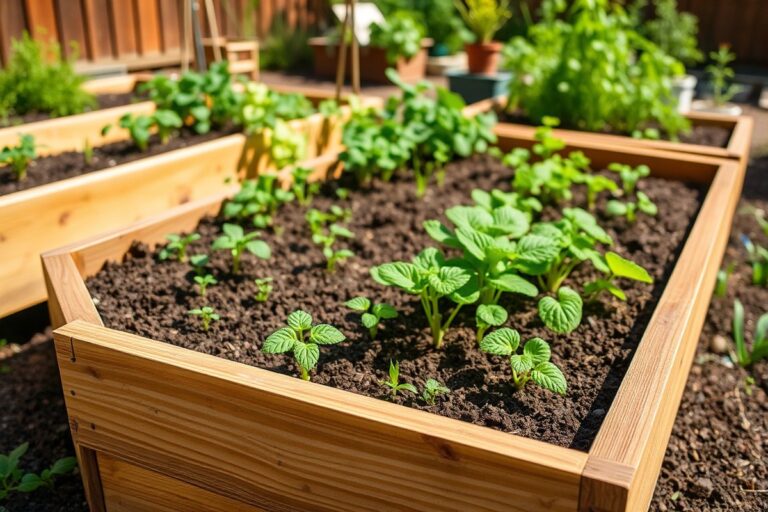
The soil should be well-draining and fertile to support healthy roots. Keep soil moist but not wet; soggy soil can cause root rot. Adding compost or aged manure improves soil quality and feed your clematis plants.
USDA hardiness zones 4 through 9 cover most clematis types. Bloom timing shifts by zone because warmer zones wake plants earlier. Check your zone to choose varieties that bloom reliably in your region.
Pruning matters because clematis flowers form on different aged wood. Prune at the right time for your variety to avoid cutting off flower buds. For example, spring-blooming clematis usually need pruning right after flowering.
Plant your clematis where it gets six to eight hours of sun. This helps the plant grow strong and healthy. Sunlight is key for good blooms.
Use well-drained soil mixed with compost and mulch to keep roots cool and moist. Pick a clematis that fits your zone, like Macropetala for zones 4-9.
Follow pruning instructions based on your clematis type. Don’t prune all varieties the same way. Watch for weak stems or no flowers on your clematis.
These signs often mean too little sun or wrong pruning. Take action to fix these problems.
Healthy clematis with proper care will produce lots of vibrant flowers on strong vines. Avoid soggy soil, shaded spots, and wrong pruning times to keep blooms coming. Paying attention to your clematis needs just a little effort.
This care changes when and how much your plant blooms. It really makes a difference.
Pruning Schedules for Different Clematis Varieties
Pruning clematis depends on the group it belongs to, based on how and when it blooms. You need to cut the plants at specific times to avoid losing buds and reduce flowering. Matching pruning to the group helps more flowers bloom every year.
Pruning Group 1 Clematis Right After Flowering
Group 1 clematis bloom on old wood. So prune them right after their flowers fade.
These plants, like ‘Sparky Purple’ and ‘Mayleen,’ bloom in early spring. Cut lightly to remove dead stems and shape the plant.
Don’t prune Group 1 plants in late winter or early spring. This can cut off the buds and stop flowers that season. A good time is just after spring bloom ends, usually by late spring or early summer.
Timing and Methods for Group 2 Pruning
Group 2 clematis bloom twice. First, they flower on old wood in spring. Then, they bloom again on new wood in summer.
Prune lightly after the spring flowers fade to shape the plant and remove weak stems. In early spring, do a harder prune to encourage stronger growth for the summer bloom.
Cut back late winter growth by about one-third to one-half before buds swell. Then, do a second prune after the spring flowers fade, trimming dead or weak stems. This careful timing avoids losing buds that produce the first blooms.
Pruning Group 3 to Encourage Summer Blooms
Group 3 clematis bloom on new wood. This happens from mid to late summer. Popular types include Jackmanii and Viticella.
Prune these plants hard in late winter or early spring. Cut all stems to 12 to 18 inches tall. This encourages fresh growth and abundant summer blooms.
Cut back to healthy buds about 12 inches from the ground after winter. Avoid pruning again during the growing season or you risk cutting off flower buds. This group needs a strong early prune to bloom well later.
Identifying Your Clematis Pruning Group
Don’t know your clematis’s group? Watch when and how it blooms.
Early spring blooming means Group 1, while spring and summer blooms suggest Group 2. Plants blooming mid to late summer on new wood tend to belong to Group 3.
Look at last year’s wood too. Flowers on old stems mean it’s likely Group 1 or 2.
New shoots producing flowers point to Group 3. This helps decide when to prune and avoid cutting buds off.
Pruning at the wrong time removes flower buds, so observe blooming habits closely.
Choosing Clematis Varieties for Longer Bloom Seasons
Choosing Clematis Varieties for Longer Bloom Seasons
You can get clematis flowers from early spring to late fall by planting different varieties. Each type blooms at a unique time, so combining them stretches your garden’s color. Continuous bloomers add flowers even longer, filling in gaps between groups.
Early Spring Blooming Species to Plant
Early bloomers show color in March or April, brightening up cool garden spots. Clematis montana and Clematis ‘Duchess of Edinburgh’ are good choices, with strong spring blooms. They start flowering before summer varieties open, giving the first splash of color.
These plants usually have smaller, delicate blooms that last a few weeks. Prune them right after blooming to set up for healthy growth and next year’s flowers. Early bloomers grow well in zones 4 through 9, fitting many regional gardens.
Repeat and Continuous Bloom Hybrids
Repeat bloomers flower twice, usually in early summer and again in late summer or early fall. Clematis ‘Duchess of Edinburgh’ is a great example with white double flowers in both seasons. Viticella hybrids bloom from June to November, providing color through summer and fall.
Some hybrids bloom continuously through summer and fall, making them perfect for long flower displays. These need pruning in early spring to promote strong new growth and plenty of blooms. Their 10-15 foot vines also add good coverage on trellises or fences.
Fall and Late Summer Clematis Varieties
Late bloomers flower from August into October, extending your garden’s show into cooler months. Viorna clematis with reddish-purple flowers bloom July through September, offering a deeper tone in late summer. These vigorous vines usually reach 8-12 feet tall and thrive in zones 4 to 9.
Planting late bloomers adds interest after most early and mid-season clematis finish. They need a pruning cut in late winter or early spring. This encourages dense growth and abundant flowers that can brighten up fall beds.
Mixing Groups for Extended Garden Display
Combine early, repeat, and late bloomers for flowers from spring to fall without gaps. Start with an early bloomer like Clematis montana. Then add repeat bloomers such as Viticella hybrids.
Finish with late bloomers like Viorna. Vary vine sizes to avoid overcrowding and give each room to shine.
Place early bloomers where their blooms can be easily admired since they flower first. Position taller, later-blooming vines further back in the garden or on strong supports. Continuous bloomers serve as a color bridge between groups, keeping your garden lively until frost.
Spacing about 3 to 4 feet apart prevents vines from smothering each other. This plan usually takes a few years to fully establish.
But the reward is bright flowers over many months. Watch for overgrowth and prune as needed to control size and boost flowering.
Common Issues: Why Clematis May Fail to Bloom
Clematis may fail to bloom due to several common issues. One major cause is pruning mistakes. Pruning Group 1 clematis heavily in early spring removes last year’s buds.
Without buds, flowers won’t grow that season. Avoid heavy pruning on these plants in early spring. Only remove dead or weak stems from these plants.
Removing other stems risks losing buds on old wood. Be careful not to prune too much on these clematis.
Another typical problem is poor soil conditions. Clematis need well-drained, fertile soil with plenty of organic matter.
Heavy clay or dry soil can stress the plant and reduce its ability to produce flowers. Adding compost and keeping the soil moist but not soggy supports bud formation.
Watering mistakes also stop clematis from flowering well. Overwatering drowns roots and leads to rot; underwatering causes stress and poor blooming. Water deeply once or twice a week during dry spells.
Mulch around plants to keep moisture and protect roots. This helps clematis stay healthy in dry weather.
Pests and diseases may affect flower production but usually don’t kill buds outright. Slugs and snails feed on young shoots. Fungal diseases like clematis wilt can cause sudden dieback.
Check stems often for signs of pests or damage. Remove affected parts quickly to stop spread. Use slug pellets or organic controls if you find pests.
Lack of sunlight often reduces clematis flowering. These vines need at least 6 hours of sun daily for good blooms. Move clematis to a brighter spot if it’s in deep shade.
Prune nearby plants to let more light reach them. This helps your clematis thrive better.
Fertilizing is another key factor. Using a balanced fertilizer high in phosphorus encourages strong bud development.
Apply a slow-release fertilizer or feed liquid fertilizer monthly from early spring until bloom time. Avoid using too much nitrogen, which promotes leaves over flowers.
Checking for these problems can help you diagnose why clematis won’t bloom. Begin by assessing pruning history and soil quality.
Then adjust watering, nutrition, and sunlight exposure as needed. Treat pests quickly and watch for disease signs to maintain flower production.
Extending Clematis Flowering with Care and Garden Design
Clematis vines bloom best when their roots stay cool and shaded. You can plant low-growing companion plants like lettuce or edible greens around the base. These companions keep the root zone cooler and retain moisture.
Make sure your clematis gets full sun on its top half. It should get at least six hours of direct sunlight every day. Without enough sun, flower quality and quantity drop significantly.
Watering is key for longer blooming periods. Keep the soil consistently moist but not soggy. Water deeply once or twice a week during dry spells to reach the root zone.
Mulching with organic material like shredded bark helps keep moisture steady and reduces weeds. Feeding with a balanced fertilizer every four to six weeks during active growth supports continuous blooming. Look for a fertilizer labeled for blooming plants, typically something like 10-10-10 or 5-10-5.
Strong supports like sturdy trellises or arbors help the vines climb properly. Secure the clematis stems gently but firmly to prevent breakage and help flowers display fully. Check supports regularly and tie loose stems with soft garden ties.
Growing varieties like Bijou or Elodi Patio Clematis in containers needs care. Provide good drainage and support to help their flowers show well. Proper staking or trellising encourages air circulation and reduces disease risks.
Too much shade can cause fewer flowers. Exposed roots dry out fast, shade roots, sun leaves.
Step-by-Step Action Plan for Blooming Clematis
Follow these steps to help your clematis bloom on schedule and stay healthy. Check each step’s result before moving on.
- Before Planting: Choose a clematis variety that matches your bloom time goals. Look for group types to match your garden’s conditions.
- Week 1: Plant clematis in well-drained soil with morning sun and afternoon shade. Watch for strong early growth.
- Month 1: Water regularly but avoid soggy soil. Look for healthy, green leaves without wilting.
- Month 2 (Early Spring): Prune your clematis based on its group. Group 1 after it flowers. Group 2 prune in late winter. Group 3 prune in early spring. Check for new buds after pruning.
- Month 3 (Pre-Bloom): Apply balanced fertilizer once in early spring. Watch for steady stem and leaf growth.
- Months 4 to 6: Maintain watering and apply mulch to keep roots cool. Look for emerging flower buds.
- Flowering Period: Enjoy blooms, deadhead spent flowers, and support vines to keep plants healthy.
- After Bloom: Remove dead stems as needed and prepare for next season’s pruning. Check for any signs of pests or disease.
Frequently Asked Questions
How Long After Planting Does Clematis Typically Start to Bloom?
Clematis usually takes 2 to 3 years to bloom well after planting. Young plants need time to establish strong roots and growth before flowering. Patience helps you get a healthy, blooming vine.
Can Clematis Bloom More Than Once in a Growing Season?
Some clematis varieties can bloom twice if conditions are right. Repeat flowering depends on the variety and care like pruning and watering. Not all clematis bloom continuously or twice each year.
What Is the Best Time of Day for Clematis Blooms to Open?
Clematis flowers usually open fully in the morning sun or early afternoon. Cooler, shady hours can delay blooming, while warmth encourages full opening. Just give vines partial or full sun for best blooms.
Do Clematis Flowers Change Color as They Age or Dry?
Clematis flower colors can fade or darken slightly with age or sun exposure. Some varieties show a subtle color shift before the petals drop. This natural change doesn’t affect bloom health but adds variety visually.
Can Clematis Survive Mid-Winter and Still Bloom in Spring?
Most clematis can survive winter in proper USDA zones with mulch protection. Cold hardy zones 4 through 9 suit clematis well, preserving buds for spring bloom. Avoid exposing roots to freezing by mulching well in cold months.
What Soil pH Level Suits Clematis Best for Blooming?
Clematis thrives in neutral to slightly alkaline soil, about pH 6.5 to 7.5. Soil below or above this range may stress the plant and reduce blooms. Test soil pH if blooms are sparse or leaves yellowing.
Key Points to Remember
Clematis bloom times vary by type. But you can control when they flower by choosing the right variety and pruning properly.
Watch your plant closely as it grows to know what it needs. Start your pruning and care routine now to enjoy a fuller bloom season next spring.