Where Can I Find Diatomaceous Earth: 8 Expert Ways to Buy Food Grade Safely
Where can I find diatomaceous earth? You can get it both locally and online.
Many hardware, garden, and farm stores carry it in small bags or jugs. Shopping online offers options in different sizes and usually better prices.
Look first for food grade diatomaceous earth. It’s safe for use around your garden, pets, and even food storage. Pool grade has more crystalline silica, which is hazardous to breathe.
Online stores like Amazon offer bulk tubs and various package sizes. Local stores may run out quickly, so call ahead to check stock. Buying online can save money but watch for shipping costs.
Key Takeaways
- Choose food grade diatomaceous earth for safe household and garden use.
- Check garden centers, hardware stores, or feed stores nearby first.
- Buy online for better prices and more package size options.
- Call local stores to confirm stock to avoid trips with no product.
- Avoid pool grade diatomaceous earth; it contains harmful crystalline silica.
- Start with a small size to make sure it fits your needs.
1. Where to Buy Diatomaceous Earth Locally and Online
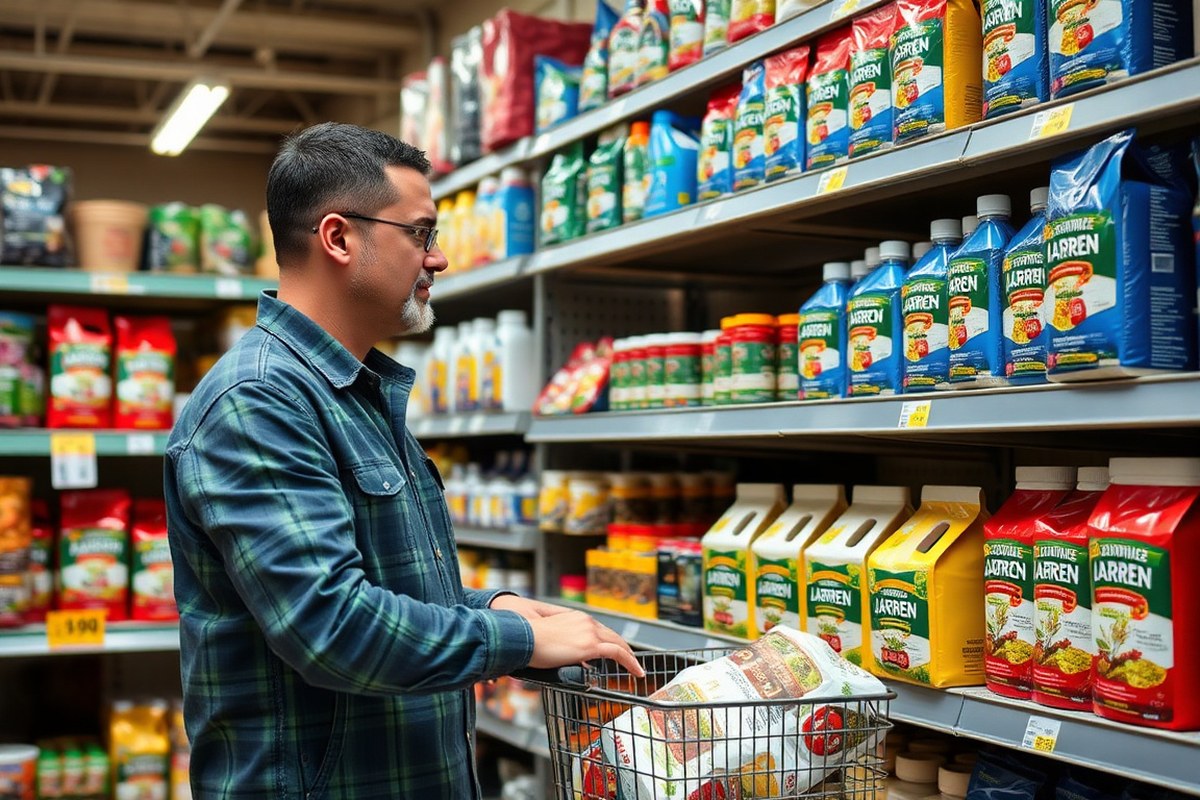
You can find diatomaceous earth in several local stores. But online shopping offers more options and better prices. Local pet stores and health shops often carry it.
They especially stock food-grade types for gardening and pest control. Some garden centers also carry it, but availability varies by location.
Online sites like Grow Organic sell many sizes. You can get anything from small bags to large bulk containers.
Grow Organic clearly labels their products, including food-grade and organic options you can trust. Bulk buying online usually saves you money compared to single small bags at local stores.
Here’s where to look for diatomaceous earth depending on your needs:
- Pet stores for small quantities and immediate pickup
- Health retailers for food-grade powders used for personal or pet health
- Garden centers for products aimed at pest control in soil and plants
- Grow Organic online for bulk and organic options with clear quality labels
- Amazon for a wide size selection, including large 5-gallon tubs
- Local stores in some areas like Norfolk, NE, offer savings on in-person buys
Prices in stores tend to be higher and packages smaller, often one or two pounds. Prices online for 5 pounds range from $10 to $30. Some sellers also offer free shipping on bulk orders.
Buying bulk online works well for large gardens. It also fits if you have many uses for it.
When you need diatomaceous earth quickly, local stores work best despite higher prices and limited sizes. Shopping online gives you more control.
You get variety, detailed info, and larger amounts easily. Look for labeled food-grade or organic products to ensure safety, especially around pets and kids.
2. Food Grade vs Pool Grade Diatomaceous Earth: What You Need to Know
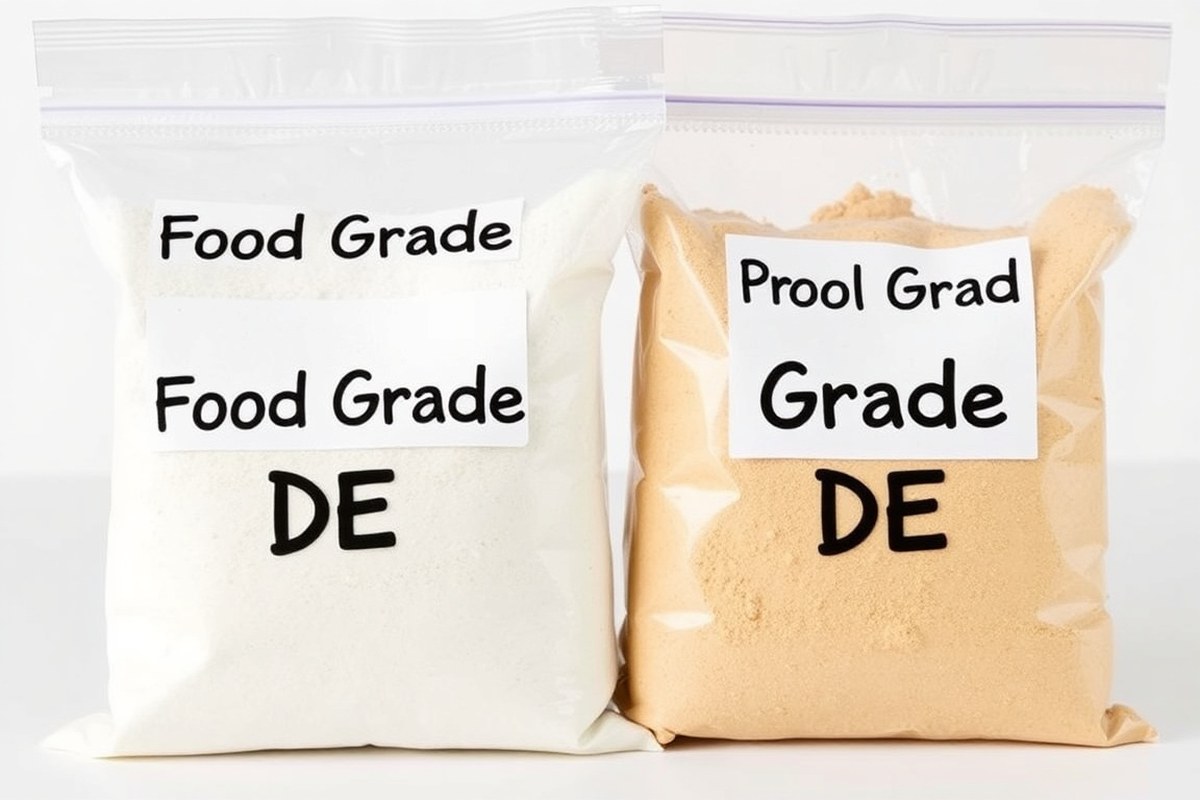
Diatomaceous earth (DE) comes mainly in two types: food grade and pool grade. Food grade is safe for use around pets, kids, and plants. Pool grade is heat-treated and contains much more crystalline silica, which can be hazardous.
Pool grade DE is only safe for pool filters. Don’t use it for pest control or on pets. It can be harmful outside pool use.
Crystalline silica can harm your lungs and cause silicosis. Pool grade DE has 60 to 70 percent crystalline silica. Food grade DE has less than 1 percent and is safer for indoor use and pets.
| Type | Best For | Food-Safe? |
|---|---|---|
| Food Grade | Pets, plants, home use | Yes |
| Pool Grade | Filtration systems | No |
| Industrial Grade | Construction materials | No |
Check the product label to identify true food grade DE. Look for the term “food grade” and a mention of less than 1 percent crystalline silica.
Some products also specify organic or safe for pet use. Skip any labeled “pool grade,” “filter grade,” or “industrial grade.”
Food grade diatomaceous earth is versatile and safe for many uses. You can put it in pet bedding to kill fleas. Use it in your garden to keep plants safe without chemicals.
It works as a natural pest control. Pool grade is dangerous if inhaled or applied to animals. So never use it indoors or on pets.
Always wear a mask when handling diatomaceous earth. Avoid breathing in any dust, even food grade types. This protects your lungs from irritation.
3. What Stores Commonly Stock Diatomaceous Earth Near Me
Common Store Types Selling Diatomaceous Earth
Hardware stores usually carry diatomaceous earth in their pest control aisle. Farm supply stores and feed stores also stock DE, often in larger quantities for agricultural use. Pet stores sometimes carry food-grade DE for pets or diet use.
Health food stores also often stock this kind. It’s mainly food-grade for safe uses.
Farm and feed supply stores are your best bet for wide variety and bulk options. Hardware stores often sell small to medium packages suitable for homeowners. Health food stores focus more on food-grade DE for supplements and natural remedies.
Packaging Sizes You’ll Find
Packaging sizes vary a lot depending on the store type. Hardware stores typically offer containers from one to five pounds. Farm supply stores carry bigger buckets, often 10 to 50 pounds, meant for large-scale use.
Health food stores sell small bags or jars of DE. Sizes range from a few ounces to a couple pounds. This fits home or garden use easily.
Some stores also stock powder in resealable pouches for convenience. Bulk options save money but take more storage space.
Why Some Stores Only Stock Pool Grade DE
Pool-grade DE is cheaper and mostly used for pool filtration systems. Many hardware stores only stock pool-grade DE. This type sells well to pool owners.
It’s easier for stores to get and keep. It’s much less refined and not safe for pest control on pets or in food areas.
Always check the label for grade clarity. You need food-grade DE for safe pest control near pets. Ask staff or check specialty stores for this kind.
It’s safer for edible plants. Using pool-grade DE on plants or pets can cause health issues.
Tips for Finding Diatomaceous Earth Near You
Walk into farm supply or feed stores and ask about their DE products first. Staff usually know exactly where it is or can order it for you. Check packaging carefully for grade info and expiration dates.
Nearby health food stores might not have food-grade DE. Shopping online is a good way to find it. Many sellers offer this safely.
Some hardware stores keep it behind the counter. So ask for help if you don’t see it on shelves.
- Bring a small container or bag if buying loose powder by weight.
- Call ahead to confirm if the store carries food-grade or pool-grade DE.
- Look for sealed packaging to avoid moisture contamination.
- Compare prices per pound since costs vary widely by store type.
- Ask if the store offers return or exchange for unused product.
Picking different sizes of DE helps meet your exact needs. You can avoid waste by choosing smaller or bigger bags. This fits pest control and gardening.
Don’t hesitate to get a smaller package first to test it out. Keep your receipts in case you need to switch brands or grades later.
4. How to Verify and Choose Safe Diatomaceous Earth Products
Look for clear labels and certifications to confirm diatomaceous earth is safe. Food grade means it’s pure enough for pest control around pets and gardens. Check for organic seals to avoid harmful additives and reduce health risks.
Spotting Food Grade Certification
Food grade diatomaceous earth usually states “Food Grade” right on the label. It means less than 1% crystalline silica is present. This level is safe for use near animals and kids.
Natural pest control can use it without harm. Avoid products just labeled “Diatomaceous Earth” without certification.
They might be pool grade with harmful silica. Pool grade is unsafe for natural pest control.
Real food grade powders look like a fine, off-white dust with no smell. Some brands include safety data sheets or testing info.
Check product listings or ask the seller for these documents before buying. Food grade products cost a bit more but are worth it for safety.
Reading Organic and OMRI Labels
The organic label shows the product meets stricter chemical and purity standards. An OMRI (Organic Materials Review Institute) seal means the product is approved for organic gardening.
Look for certifications when choosing chemical-free garden or safe pet products. They help you pick products that are safe.
Many gardeners prefer organic diatomaceous earth for those reasons. Organic-certified powders go through more testing than standard food grade. They often cost 20-40% more.
This higher price reflects the added safety checks. Weigh this cost against your need for safe, chemical-free pest control.
Avoiding Harmful Crystalline Silica
Look for any mention of crystalline silica content on packaging. Food grade diatomaceous earth contains under 1% crystalline silica. Industrial or pool grades can contain 60% or more silica.
Breathing this dust can cause serious lung problems. Avoid these grades around your home and garden.
Steer clear of products labeled for pool use or only marked “filter grade.Watch for warning labels about inhalation dangers on these powders. They are not safe for use around your pets or plants. Keep in mind, using pool grade where food grade belongs risks pets and family health.
Checklist for Safe Diatomaceous Earth
Before buying, check for “Food Grade” labels and silica under 1%. Look for organic or OMRI certification. Avoid products mentioning pool or industrial use.
Ask the seller for a certificate of analysis if you don’t see it on the package. A safe product will look like a smooth, pale powder without odd colors or clumps.
Avoid products with vague labels or missing safety info. A very low price often means the product is pool grade. Be cautious and check ingredients and labels carefully.
Buy from trusted brands focused on organic gardening supplies. They usually offer purer and safer Diatomaceous Earth products.
5. How to Ask for Diatomaceous Earth in Stores: What to Say and Look For
Words to Use When Asking for Diatomaceous Earth
Say “food grade diatomaceous earth” when asking for pest control at stores. This phrase tells staff you need a safe powder for homes, gardens, or pets. Avoid just saying “diatomaceous earth” because stores may only have industrial or pool grade.
You can also call it a “natural insecticide.” Say “garden-safe diatomaceous earth” to show you want something safe for plants and animals. These words help employees understand your needs better.
How to Spot the Right Grade by Packaging
Look for “Food Grade” printed clearly on the bag or container. It often says “for pest control, gardening, or pet care.” Packages without this label usually mean the product is pool grade or industrial.
Food grade diatomaceous earth comes in white, fine powder form inside resealable bags or plastic containers. The size typically ranges from 1 to 5 pounds for home use. Avoid large bulk bags marked “pool use only” or “industrial.”
What to Say If the Store Only Has Industrial Grade
Tell the clerk you need food grade DE. Pool or industrial types can be harmful if inhaled or placed in your garden.
Ask if they can order the right kind for you. Some garden centers or health food stores keep food grade stock.
Try the natural or organic pest section if they don’t have food grade. Use this script: “I want diatomaceous earth safe for pets and veggies, not pool grade. Can you help me find or order it?”
Tips for Asking in Different Store Types
In garden centers, mention “safe for plants” or “organic gardening pest control.” Staff often know food grade products there. At hardware stores, say “natural bug killer” and check labels closely.
Health food or feed stores often have food grade DE under pet care or supplements. Say “food grade diatomaceous earth for pet use” and look near powders for natural health products.
Never buy diatomaceous earth labeled as ‘pool grade’ for pest control at home. It’s treated and unsafe for pets and gardens.
6. How to Choose the Right Package Size and Grade for Your Needs
Small bags of diatomaceous earth usually hold 1 to 5 pounds. These sizes fit well for pets, home pest control, or garden spots. You only need a small amount for flea treatment.
For a small pet, use about 1 to 2 ounces. This amount is usually enough. For garden pest control, sprinkle about 1/2 to 1 cup per 10 square feet.
For larger gardens or small farms, bags of 25 pounds or more save money. Bulk purchases cost less per pound but take up more space.
Large bags can be harder to store and handle safely indoors. They may spill if not secured, so use a scoop or gloves when applying.
Choosing the grade matters too. Food grade is safe for pets and garden plants. Pest control or crawling insect control grades work best outdoors and on tough infestations.
Always read the label to match your needs properly. Here’s a quick look at package sizes and common uses to help:
| Use Case | Typical Package Size | Approximate Amount Needed | Handling Tip |
|---|---|---|---|
| Pet Care (Flea Treatment) | 1 to 5 pounds | 1, 2 ounces per small pet | Apply lightly, avoid eyes and nose |
| Indoor Pest Control | 1 to 5 pounds | Small sprinkle along baseboards | Spot treat areas, use gloves |
| Garden Pest Control | 5 to 25 pounds | 1/2 to 1 cup per 10 sq. Ft. | Sprinkle evenly, reapply after rain |
| Bulk Farming | 25 to 50+ pounds | Depends on acreage, gallons per acre | Use protective gear, store dry |
Buy a small bag for spot treatments or pet use. Pick mid-size bags for average garden areas. Bulk bags suit larger areas but need space and care in handling.
Too big a bag can get dusty and messy indoors. Choose your size based on how much you plan to spread and where.
7. Common Buying Mistakes and How to Avoid Them
Many buyers grab the wrong diatomaceous earth (DE) by mixing pool grade with food grade. Pool grade DE has been chemically treated and can harm pets, plants, and people. You should use food grade DE around your home, garden, or pets.
It is safe and made to be handled where you live or grow food. Avoid other types that may harm people, animals, or plants.
Some shoppers think cheap DE will work just as well. While lower prices might seem attractive, very cheap DE often has lower purity or unwanted additives. This can weaken its pest control power or create health risks.
Always check the product label carefully. Look for “food grade” on the bag or bottle. Avoid products labeled only for pool or industrial use.
Look for a minimum purity of 90% or higher. Good food grade DE usually meets this standard. Check the label to confirm this before buying.
- Read the ingredient list to verify “food grade” status
- Compare prices to local or online dealers, expect $10 to $20 per 4 lb bag
- Check online reviews to confirm purity and effectiveness
- Use a flashlight to inspect the packaging seals for damage
- Only buy from reputable retailers or brands to reduce risk
- Keep your purchase receipt in case you want to return the product
Avoid products with missing labels or a strong chemical smell. Suspicious looking DE may not be safe or genuine. Do not use it around your home or pets.
Contact the seller for a return or refund. Most stores allow returns within 30 days with a receipt.
Testing DE yourself is tricky. But a simple way is to sprinkle it lightly on a patch of garden soil.
After a few days, check if plants look stressed or if pests are reduced. No plant stress and fewer bugs usually means you have the right type.
8. Best Seasonal and Local Strategies to Find Diatomaceous Earth
Diatomaceous earth tends to be more available locally in spring and early summer. Gardeners and farmers buy more then. So stores restock frequently before planting and pest season.
Late fall and winter may see lower stock. But prices can drop as demand slows.
Seasonal changes affect how stores price and stock diatomaceous earth. In warmer months, prices often rise due to higher demand for organic pest control. Fall and winter can bring discounts or leftover bags at garden centers and farm stores.
Farmers markets and organic suppliers can be good sources during growing seasons. They often sell food-grade options that fit organic gardening. Some sellers offer smaller packages or blends.
These fit local pest problems well. They are great for spring and summer use.
Planning your purchase means buying ahead of peak seasons. Buying in late winter or early spring can save money and secure supply before shortages hit.
Many garden and feed stores run limited stock. So get what you need early to avoid last-minute runs.
You live where winters are harsh. Stock up before frost arrives.
Some local stores reduce outdoor supplies as cold sets in. In warmer areas, diatomaceous earth may sell steadily all year but prices can vary with seasons.
Check product labels for date and batch codes. This helps avoid old stock. Old products might lose their power over time.
In farming areas, cooperative stores stock large bags. These bags cost less than retail park packs.
Feed suppliers often have these better prices too. Organize group buys with neighbors to get bulk discounts and avoid frequent trips.
Match your product type and amount to the season. Use slug control in spring. Switch to mite control for summer tasks.
Overbuying risks clumping or reduced effectiveness if stored improperly. Store your supply in a dry, sealed container to keep it fresh through seasons.
Step-by-Step Action Plan to Find and Use Diatomaceous Earth
Follow these steps to buy the right diatomaceous earth. Use it safely around your home and garden.
- Day 1: Visit local hardware or garden stores to check for available diatomaceous earth. Confirm it is food grade for safe use on pets and plants.
- Day 2: Compare prices and package sizes online if you don’t find suitable products locally. Look at customer reviews for product quality.
- Day 3: Choose the right package size based on your pest control area. Small bags fit window boxes; larger bags work for full gardens.
- Day 4: Read product labels carefully. Check FAQs to ensure no harmful chemicals or additives.
- Day 5: Apply the diatomaceous earth following recommended safety guidelines. Observe pest activity over the next week for results.
- After 1 Week: Check treated areas to see if the pest problem is reducing. Reapply as needed and keep the area dry for best effect.
- Ongoing: Store extra diatomaceous earth in a dry, sealed container. Keep it away from kids and pets except when applying safely.
Frequently Asked Questions
Can I Buy Diatomaceous Earth at Garden Centers or Hardware Stores?
Yes, many garden centers and hardware stores stock diatomaceous earth. They usually carry food grade options in small packages for garden and pest use. Call ahead to check availability so you don’t waste a trip.
Is Diatomaceous Earth Sold at Big Box Stores Like Walmart or Home Depot?
Yes, big box stores often sell diatomaceous earth in their gardening or pest control sections. Look for food grade labels if you want it safe for pets and people. The stock can vary by location and season.
Can I Find Diatomaceous Earth at Health Food Stores for Pest Control?
Health food stores sometimes sell food grade diatomaceous earth, mostly for human use. It might also work for pests but check if it’s labeled safe for that purpose. Prices can be higher there compared to garden stores.
Why Is Food Grade Diatomaceous Earth Hard to Find in Local Stores?
Food grade diatomaceous earth is less common locally because many sellers stock pool grade for filtration. It’s easier to find online or in specialty shops. Make sure to check the label for food grade to be safe.
Can I Buy Diatomaceous Earth Directly from Manufacturers Online?
Yes, many manufacturers sell online with options to buy in bulk or small amounts. Online buying often offers better variety and competitive prices. Shipping times vary, so check delivery estimates before ordering.
Does Pet Supply Stores Carry Diatomaceous Earth for Flea Control?
Some pet stores carry diatomaceous earth labeled for flea control. It’s usually food grade or safe for pets. If your local pet store doesn’t have it, you can buy it online or at garden stores.
Before You Go
Diatomaceous earth is easy to find when you know where and what to ask for. Pick food grade for pest control around your home and garden. Start by visiting a local garden center or hardware store with this plan today.