How to Trim Parsley Plant for Healthy Growth: 8 Essential Tips
Knowing how to trim parsley plant helps keep it healthy and full. Trim parsley once stems reach 6 to 8 inches tall with several leaves.
This pruning stops the plant from bolting and encourages fresh growth. Trimming also improves air circulation, which helps reduce leaf diseases.
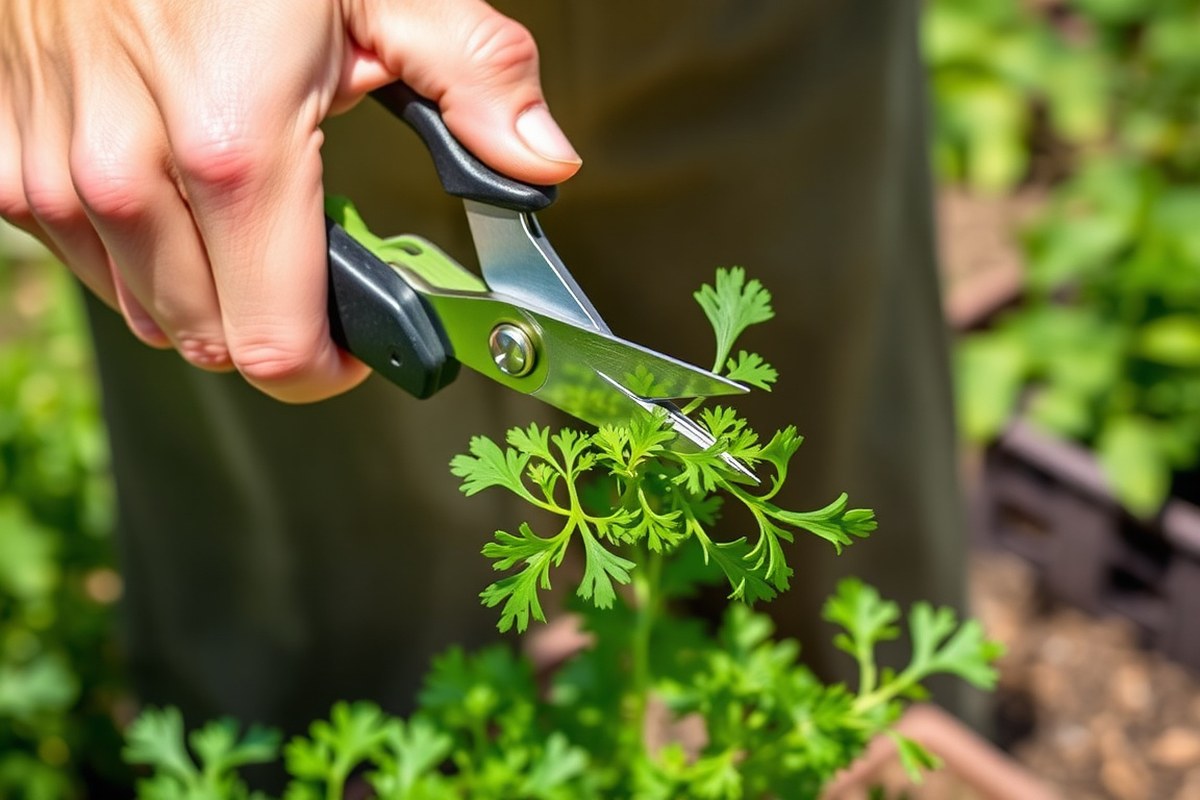
Start trimming when the plant has at least three sets of true leaves. Use sharp scissors or garden shears to avoid crushing the stems.
Cut the stems close to the base but leave some leaves to keep growing. Avoid cutting more than one-third of the plant at once to prevent shock.
Regular trimming every 1 to 2 weeks controls the plant size and promotes new leaves. Prune often to prevent flowering, which makes the leaves bitter and stops growth.
Watch for woody or yellowing stems and remove them during trimming. Clean your tools before and after to reduce disease spread.
Key Takeaways
- Trim parsley when stems grow 6 to 8 inches with healthy leaves.
- Start pruning after the plant has three sets of true leaves.
- Use sharp scissors to make clean cuts at the stem base.
- Trim parsley every 1 to 2 weeks to boost continuous growth.
- Remove yellow or woody stems during each trimming session.
- Keep some leaves on stems to allow the plant to keep growing.
1. When and How to Trim Parsley for Best Growth
Trimming parsley at the right time helps your plant grow bushier leaves. The best moment to start cutting is when stems reach 6 to 8 inches tall. Each stem should have at least four or five healthy leaves to ensure it’s ready.
Cutting parsley properly encourages new growth and keeps the plant from bolting. Bolting means the plant starts producing flowers and seeds, which stops leaf production. To avoid this, trim parsley regularly, ideally every one to two weeks.
Instead of cutting just the leaves, cut entire stems right above a healthy leaf node. This method signals the plant to produce more stems and leaves. Avoid cutting into the central crown because that can harm your parsley.
- Check the height of your parsley stems. Wait until they are 6 to 8 inches tall.
- Look for stems with at least four to five full, healthy leaves on each.
- Use clean, sharp scissors or pruning shears for a neat cut.
- Cut each stem just above a leaf node, leaving at least two leaves on the stem.
- Avoid cutting into the plant’s central crown to protect its growth.
- Remove any yellowing or woody leaves to refresh the plant’s vitality.
- Trim away flower buds immediately to prevent the plant from bolting.
- Repeat trimming every 1 to 2 weeks to encourage continuous growth.
This routine helps parsley stay healthy and full, preventing it from going to seed too soon. Plants trimmed regularly will grow leaves faster and be ready for another harvest. Remember, gentle but firm cuts give the best results.
2. Selecting the Right Tools for Parsley Pruning

Choose clean, sharp pruning shears made of stainless steel to trim parsley. Using the right tools prevents plant damage and keeps cuts neat. Avoid kitchen scissors that can crush stems and cause ragged wounds.
Manual Stainless-Steel Shears Benefits and Care
Manual stainless-steel shears are perfect for small containers and precise cuts on parsley. They give clean cuts without crushing the stems, encouraging healthy regrowth. These shears cost about $10 to $20 and last long with proper care.
Keep your shears sharp by honing them every few weeks using a fine whetstone. Store them dry to avoid rust, and oil the pivot point monthly. Regular maintenance makes cutting easier and protects your parsley plants.
Using Garden Shears vs Kitchen Scissors
Garden shears with longer handles work best for bigger parsley beds outside. They let you reach farther and use more force without hurting your hand. Clean blades on garden shears also help prevent spreading plant diseases.
Kitchen scissors do not cut parsley well and often crush the stems. This can cause ragged wounds that invite pests and diseases. Avoid them and use proper pruning shears instead for the best parsley health.
Tool Cleaning and Blade Sharpening Tips
Cleaning your tools after every use keeps parsley plants safe from infections. Rinse blades with warm soapy water, then wipe dry. Wipe with rubbing alcohol to sterilize and prevent disease spread.
Sharpen blades regularly so cuts stay smooth and require less force. Use a sharpening stone or diamond file.
Hold the blade at about a 20-degree angle. Sharpen both sides, then test by cutting a parsley stem, clean cuts show success.
- Clean tools after each use with soap and water
- Dry tools thoroughly before storage
- Disinfect blades with rubbing alcohol to kill pathogens
- Sharpen blades using a whetstone or diamond file every few weeks
- Oil the pivot point monthly to keep shears moving smoothly
- Store tools in a dry place to prevent rust
Always sharpen and clean your pruning shears before trimming your parsley to avoid disease and damage.
3. Step-by-Step Guide to Trimming Parsley Plants
Trimming parsley safely means cutting stems at a 45-degree angle. Use clean scissors or pinch the leafy stalks gently without harming the plant. This method keeps your parsley bushy and full while encouraging new growth.
Preparing the Parsley Plant and Tools
Choose a healthy parsley plant without wilted or yellow leaves. Wash your scissors or pruning shears with rubbing alcohol to avoid spreading disease. Clear the area around the plant to avoid damaging nearby stems.
Check that your tools are sharp for clean cuts. Dull blades can crush the stems and slow healing. Have a small trash bag or compost bin ready for the trimmed stems and leaves.
Making Clean 45-degree Angle Cuts
Use scissors or pruners to cut the stems just above a leaf node. Always hold the blade at a 45-degree angle away from the bud. This angle helps water run off and prevents rot near the cut.
If the stems are young and flexible, you can pinch off the leafy stalks with your thumb and forefinger. Pinching encourages bushier growth by stimulating new shoots from the base. Cut stems about 1 to 2 inches above the soil to allow fresh leaves to grow.
Removing Dead or Woody Stems
Look for stems that are brown, dry, or have a woody texture. These stems no longer produce new leaves and take energy from the plant. Cut these stems at the base, close to the soil for the best result.
Removing woody stems helps the plant redirect nutrients to healthy growth. Use your scissors to snip any dead leaves and weak stems during trimming. This keeps the plant tidy and promotes overall vigor.
Follow these steps to trim your parsley plant safely and effectively:
- Wash your pruning scissors with rubbing alcohol.
- Assess the plant, spotting dead or woody stems.
- Cut healthy stems at a 45-degree angle just above a leaf node.
- Pinch off leafy stalks gently if stems are young and soft.
- Remove dead or woody stems at the base near soil.
- Trim lightly to maintain the plant’s shape without overcutting.
- Collect trimmed parts for composting or disposal.
- Water the plant lightly after trimming if soil is dry.
4. How Often to Trim Parsley for Continuous Harvest
Trimming parsley every 7 to 10 days keeps leaf growth steady and delays bolting. Curly-leaf parsley needs pruning on this schedule to stay productive. Outdoor plants typically grow faster and will benefit more from frequent trimming compared to indoor ones.
Less frequent pruning, like every 2 or 3 weeks, increases the chance of bolting. The plant shifts from growing leaves to making flowers and seeds.
This shortens harvest time to about 5 to 7 weeks. After that, leaves lose their taste and texture.
| Trimming Frequency | Effect on Bolting | Harvest Duration |
|---|---|---|
| Every 7, 10 days | Low bolting risk | 8, 10 weeks of harvest |
| Every 2, 3 weeks | Moderate bolting risk | 5, 7 weeks of harvest |
| Monthly | Higher bolting risk | 3, 4 weeks of harvest |
| Irregular | Significant bolting risk | Harvest ends within 2 weeks |
Indoor parsley usually grows slower, so trimming every 1 to 2 weeks works well. Avoid heavy pruning in winter because the plant has less energy to bounce back. Light trimming during cooler months still helps keep the plant healthy and productive.
Start a schedule early in the growing season. This helps keep your parsley bushy. Stick to your plan.
Cutting older stems near the base forces the plant to grow fresher leaves. This routine stops your parsley from rushing to flower and keeps the leaves tasty longer.
You might think pruning too often harms your plant, but consistent trimming actually helps. Skipping trims won’t kill the parsley.
But it will bolt sooner and lose leaf quality. Keeping a regular rhythm, like every week or two, gives continuous fresh leaves for your kitchen.
5. Pruning Parsley Flowers and Seed Heads
Parsley flowers should be removed as soon as you see them forming. Flowering signals the plant is shifting energy to seeds, which reduces leaf growth. Pinch off flower buds or seed heads early by hand.
This stops the plant from focusing on seeds. It helps parsley produce more edible leaves.
After parsley flowers appear, you can still prune the plant. Cut flowers and seed stalks at the base right where they join the stem.
Use sharp scissors or pruning shears to avoid crushing the stems, which can stress the plant. Removing flowers regularly helps delay bolting and extends leaf production.
Seed heads not removed cause parsley to finish life cycle sooner. The plant will focus on making seeds instead of leaves and then die back.
This means you get fewer fresh leaves than if you knock off flowers early. For the best leaf harvest, check your parsley plants every few days during warm weather.
Always remove flowers before they fully open. This stops early bolting. It keeps more leaves growing.
When parsley starts to flower, drop back to cutting the flowers immediately. Regularly check your plant and cut off any yellow or dead parts too. This keeps the parsley healthy and ready to produce new growth.
Young parsley plants should not be pruned before they have 6 to 8 leaves. Prune established plants in the morning for best results. Leaves hold more water then.
They recover faster after pruning. Keep pruning to prevent flowering and encourage fresh leaf growth all season long.
6. Pruning Parsley Indoors and Container-Grown Plants
Trimming parsley indoors or in containers needs more care than outdoor plants. Parsley in pots has less soil and nutrients.
So it grows faster and stresses easily. Trim small amounts frequently to keep it healthy and productive.
Adjusting Trimming Schedule for Container Growth
Parsley in containers often needs trimming sooner than outdoor plants. The limited root space can make the plant bloom earlier.
So watch for quick leaf growth. When stems stretch fast or leaves turn dark green then yellow, trim more often.
Check soil moisture daily because container soil dries out quicker. Trim once the leaves start getting tall or the soil feels dry on top. Waiting too long can make the plant bolt and reduce leaf quality.
Ensuring Adequate Light and Airflow During Pruning
Parsley likes bright light, especially indoors, so place containers near sunny windows. Good airflow prevents moisture buildup and keeps leaves healthy. Avoid crowding your parsley with other plants to help air circulate during and after trimming.
In low light, trim lighter to avoid stressing the plant. After cutting back, rotate the pot weekly to get even light and growth. Clean your pruning scissors between cuts to stop leaf diseases.
Managing Soil Nutrients with Frequent Trims
The soil in pots loses nutrients faster than garden beds. After pruning, add a balanced liquid fertilizer diluted to half strength. Use fertilizer every two weeks during the growing season to replace lost nutrients.
Keep soil moist but not waterlogged to help the parsley absorb nutrients. Over-watering can cause root rot, especially in containers without good drainage.
Watch for slow growth or pale leaves. These signs mean the plant needs extra care.
- Trim small bunches of leaves, leaving at least 3 inches of stem
- Use clean, sharp scissors to make clean cuts
- Water parsley after trimming to reduce shock
- Fertilize with a diluted liquid mix two weeks after pruning
- Place pots in spots with 6 to 8 hours of indirect light daily
- Increase airflow by opening windows or using a gentle fan
- Check soil moisture every day, especially in warm weather
7. Common Parsley Pruning Mistakes and How to Fix Them
Over-pruning parsley stresses the plant by removing too many leaves at once. You might see slowed growth or yellowing as the plant struggles to recover.
Parsley needs enough foliage to photosynthesize and stay healthy. So cutting too much reduces its energy.
Another common error is cutting jaggedly or at the wrong spot. Jagged cuts invite disease and slow healing.
Always use clean, sharp scissors and cut just above a leaf node at a slight angle. This lets water drip away and helps the plant heal faster.
A bigger mistake is cutting into the central crown. This area produces most new growth. Damaging it can stunt the plant or even kill it.
When a stem is very short, trim a nearby stem instead. This avoids damaging the crown of the parsley.
- Never cut the same spot repeatedly to avoid a flat top shape
- Cut just above leaf nodes at a slight angle
- Avoid removing more than one-third of total foliage at once
- Protect the central crown by avoiding cuts near the plant’s center
- Use clean scissors to prevent jagged edges and disease risk
- Watch for yellow or wilted leaves as signs of over-pruning
- Let flat-leaf parsley regrow longer between trims than curly varieties
Your parsley may weaken or get damaged after pruning. Slow down on cutting if you notice this. Give it more light and keep soil moist but not wet.
Feed lightly with a balanced fertilizer to support regrowth. Pruning every few weeks rather than too often lets the plant rebuild its leaves.
Parsley recovers best when you cut carefully and follow its natural growth spots. Careful trimming encourages full, healthy plants that produce leaves all season. Don’t take shortcuts like cutting large chunks of parsley.
Avoid hacking stems close to the crown. These steps help your parsley stay healthy and strong.
8. Using and Propagating Parsley Cuttings After Trimming
Trimmed parsley can be used fresh, dried, or to grow new plants. Fresh parsley adds bright flavor to dishes like salads and sauces. Drying preserves it for months, while cuttings can start new parsley plants easily.
To store fresh parsley for cooking, rinse and pat dry. Wrap it loosely in a damp paper towel and place it inside a plastic bag. Store the bag in your fridge’s crisper drawer for up to one week.
For drying, spread trimmed parsley on a tray. Choose a warm, dry spot. Make sure the area has good air circulation.
It usually takes about 1 to 2 weeks to dry thoroughly. Crumble the leaves and store them in an airtight jar away from sunlight.
You can propagate parsley from cuttings that are at least 7 inches long. Propagation through cuttings gives you more plants without buying seeds. Use cuttings taken after trimming and place them in water to root before planting in soil.
- Cut healthy stems at least 7 inches long from your parsley plant.
- Remove leaves from the bottom half of each cutting, leaving top leaves intact.
- Place cuttings in a glass or vase filled with water, avoiding submerged leaves.
- Set the container in a spot with indirect sunlight and change the water every 2-3 days.
- Wait 2-3 weeks for roots to grow about 1-2 inches long.
- Prepare pots with well-draining soil and plant rooted cuttings gently.
- Water the new plants well and keep soil moist as they settle.
Don’t let parsley cuttings sit in water with leaves submerged; this causes rot fast.
Step-by-Step Action Plan for Trimming Parsley
Follow these clear steps to trim your parsley and see healthy growth fast. Watch your plant recover and grow fresh leaves below each cut.
- Before you start: Gather sharp scissors or garden shears to avoid tearing stems.
- Week 1: Trim outer leaves about 1 inch above soil. New growth should appear in 7, 10 days.
- Every 2 weeks: Cut parsley stems at their base. Leave 2 inches of green stem above soil. This helps steady harvest.
- When flowers show: Snip off flower buds before they open to focus energy on leaf growth.
- After harvesting: Remove any yellow or dried leaves to help plants stay healthy and vigorous.
- During indoor growth: Turn pots weekly to keep plants growing evenly and trim any leggy stems.
- After 4 weeks: Take cuttings for propagation. Plant cuttings in moist soil. New parsley plants will grow.
Frequently Asked Questions
How Do You Cut Parsley so It Keeps Growing?
Cut parsley stems just above a healthy leaf node with sharp shears. This encourages the plant to grow more leaves and stay bushy.
Should Parsley Plants Be Cut Back?
Yes, regular trimming every 1-2 weeks helps parsley stay full and prevents flowering. Trimming promotes new growth and a longer harvest season.
Can I Cut Parsley Back to the Ground?
Avoid cutting parsley down to the ground as it can stress the plant. Instead, trim stems leaving at least two leaves on each to keep it healthy.
Do You Cut Parsley Stems or Just Leaves?
Cut whole stems near the base, not just the leaves, for better growth. Removing stems stimulates the plant to produce stronger new shoots.
What’s the Best Time of Day to Trim Parsley?
Trim parsley in the morning when the plant is well-hydrated. This helps reduce stress on the plant and keeps leaves fresh longer.
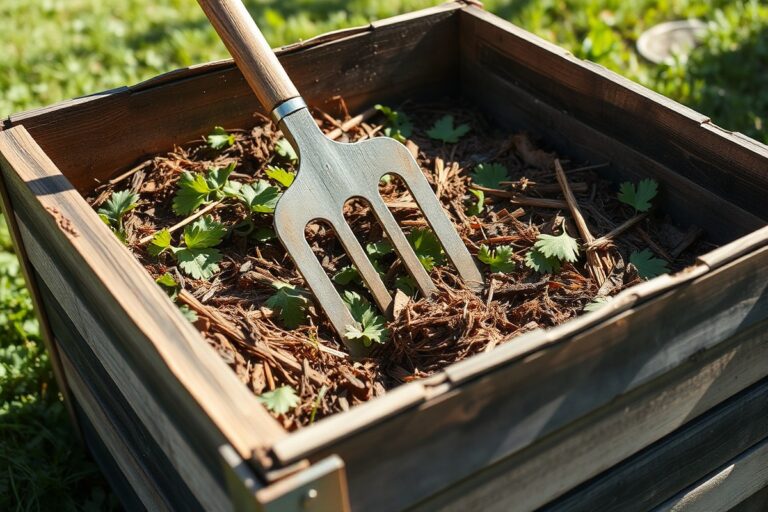
Can I Compost Trimmed Parsley Stems and Leaves?
Yes, parsley cuttings are great for composting and add valuable nutrients. Just avoid diseased stems to keep your compost healthy.
Final Thoughts
Trimming parsley regularly encourages fresh, flavorful leaves for your kitchen. Keep watching your plant closely to catch the best trimming time. Start today by cutting the outer leaves and enjoy a longer harvest.