Do Marigolds Grow Back? What Actually Determines Their Return
Do marigolds grow back depends on the type you plant. Most marigolds are annuals, which means they don’t naturally return after frost kills them. You usually need to replant each year to enjoy their bright blooms again.
Some marigolds, like Mexican marigolds, survive mild winters in warm zones. They come back from their woody roots. In colder areas, marigolds cannot survive freezing temperatures.
You need fresh seeds or new plants each spring. Watching your local climate zone is key to knowing if your marigolds might return.
Self-seeding also helps marigolds come back without replanting. Leaving flowers to set seed helps new seedlings sprout next season.
These often grow in the same spot. Keeping your marigolds healthy with proper sun and deadheading boosts their chance to regrow naturally.
Key Takeaways
- Annual marigolds die at or below 32°F and need yearly replanting.
- Mexican marigolds can return in zones 8 to 11 from woody roots.
- Leave marigold flowers to self-seed for natural regrowth next year.
- Full sun for 6, 8 hours daily helps marigolds produce viable seeds.
- Start marigold seeds indoors 4, 6 weeks before last frost for best results.
- Cut back and bring tropical marigolds indoors before first frost.
Do Marigolds Grow Back Naturally or Need Replanting?
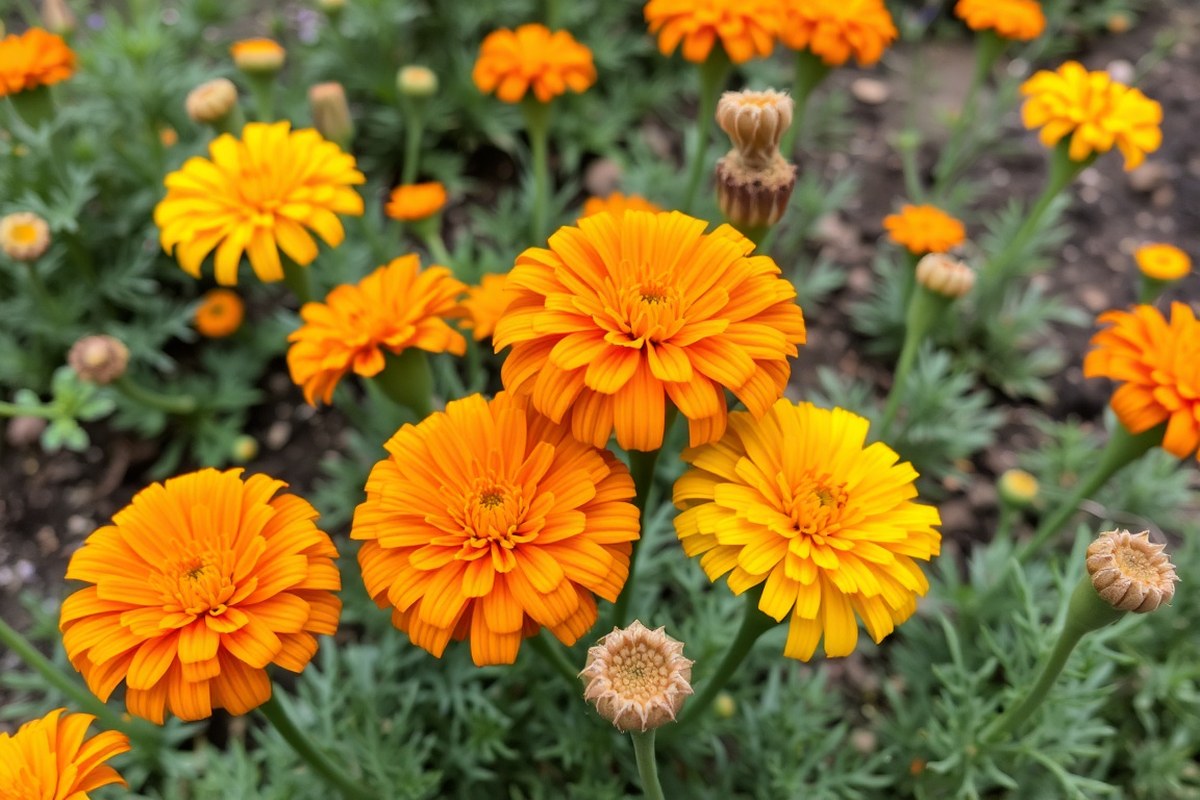
Marigolds are mostly annuals, which means they don’t grow back from the same plant each year. They live for one growing season, produce seeds, then die after frost comes. So, you usually need to replant marigolds every spring to get fresh blooms.
The trick that makes it seem like marigolds come back yearly is self-seeding. When you don’t deadhead the flowers, they drop plenty of seeds onto the soil. These seeds can sprout next season.
New plants will look like the old ones. They come back naturally by growing from seed.
This self-seeding works best in warmer USDA zones 9 through 11. Those zones have mild winters that protect the seeds and seedlings.
In cooler zones, frost may kill the seeds or young plants before they establish. So you’ll have fewer volunteers and might need to replant more often.
Some marigold species like Tagetes lucida and Tagetes lemmonii are perennials in zones 8 through 11. They do grow back year after year from their roots. Common garden marigolds like Tagetes erecta can’t survive cold winters.
They die off and must be replanted. They will come back only if they reseed.
To help marigolds come back on their own, leave some spent flowers. These flowers drop seeds that grow the next season. Removing all spent flowers stops reseeding.
Let some seeds fall in late summer or early fall. Look up your garden zone online to learn about seed survival.
Seeds might not survive winter in colder zones. You might need to replant every year.
Using natural reseeding saves money and time. You won’t need to buy new seeds each year. It also reduces work in your garden.
But watch for overcrowded seedlings in spring, which need thinning. Plant new marigolds each season to ensure full coverage.
This keeps your garden colorful and vibrant all summer. Reseeding alone may not be reliable everywhere.
Annual vs Perennial Marigold Types Explained

Most marigolds common in home gardens are annuals. But a few types are perennial in warm climates. Annual marigolds live only one season.
You must replant them each year. Sometimes, they reseed themselves to grow again. Perennial marigolds grow back from their roots and can survive multiple years if winters are mild.
Characteristics of Annual Marigolds
Annual marigolds include the French, African, and Signet types. They grow from seed, flower all summer until frost, then die. These marigolds rely on seed drop or replanting for the next season.
French marigolds typically reach 6 to 18 inches tall, spaced 6 to 9 inches apart. African marigolds can grow up to 3 feet tall. Their blooms can be over 5 inches wide.
Space each plant about 18 inches apart. They have strong scents and bright colors.
Deadheading helps annual marigolds bloom longer and improves seed production for reseeding.
Traits of Perennial Marigolds
Perennial marigolds survive several years through their root systems, especially in USDA Zones 8 to 11. Tagetes lucida and Tagetes lemmonii are common perennial species. They can grow 4 to 6 feet tall and have lemon-scented leaves.
Perennial marigolds bloom in fall and winter, unlike annual ones. They need mulch to protect their roots. Good, well-drained soil helps them stay healthy in winter.
They spread and grow larger each year, making them more established over time. Perennials do not rely on self-seeding to return.
Growth Habits by Marigold Species
French and African marigolds are annuals, dying after frost. They often self-seed to give the appearance of coming back. Signet marigolds are also annuals but are the most reliable self-seeders if open-pollinated.
Mexican marigold (Tagetes lucida) is a perennial in warm zones, regrowing from root crowns each year. Its lemon scent and taller growth set it apart from the pungent-smelling, smaller annual types. It needs protection in colder climates.
In cold zones, treat annual marigolds as true annuals. Collect seeds before frost hits. Use the seeds for planting next spring.
How Self-Seeding Helps Marigolds Return Each Year
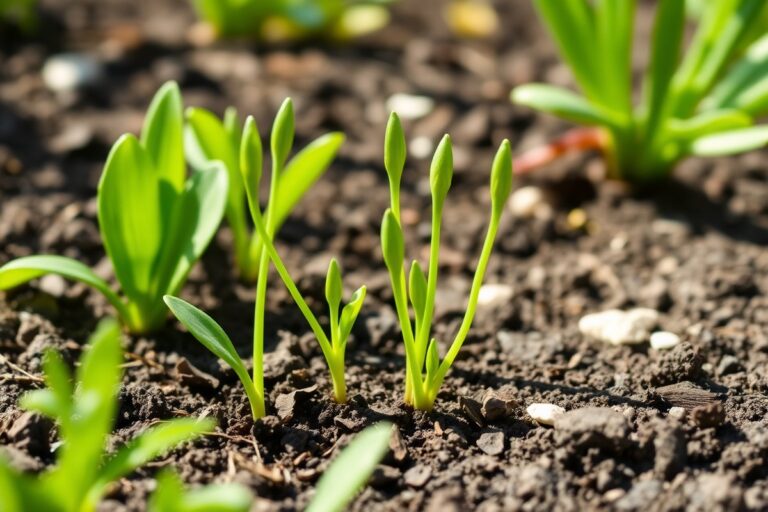
Marigolds often come back each year by self-seeding. After flowers fade, seeds drop onto soil and sprout next spring. This natural process lets new plants appear without replanting.
Timing of Seed Drop and Germination
Marigold flowers form seed heads as they dry at season’s end. The mature seeds fall onto the soil to wait through winter. Once spring warms soil above 60 °F, seeds usually germinate within 5 to 7 days.
Seeds stay dormant during cold months but are ready when soil temperature rises. Marigolds sprout fastest with soil between 65 and 80 °F. Moisture and light during spring kickstart the germination process.
Ideal Soil and Sunlight Conditions
Seeds need bare soil or light mulch to grow well. Heavy mulch thicker than 2 inches blocks light, stopping seed sprouting. Consistent moisture is key but avoid waterlogging the soil.
Sunlight exposure helps young seedlings thrive and compete with weeds. Areas with plenty of sun improve seedling strength. Avoid planting marigolds under dense plants or heavy shade that reduce growth.
How to Encourage or Manage Seedlings
Gardeners can help seeds grow by leaving spent flowers on the plant to drop seeds. Digging or raking soil in fall can disturb seeds and reduce sprouting, so avoid heavy cleanup. For orderly growth, thin seedlings once they appear to avoid crowding.
Here’s how you can encourage marigold self-seeding in your garden:
- Let marigold flowers mature and fade naturally without deadheading late in the season.
- Wait until seeds fall onto the soil instead of cleaning up spent blooms.
- Leave some bare soil patches or apply a light mulch less than one inch thick.
- Keep the soil moist through fall and early spring without overwatering.
- Allow seedlings to grow without crowding by thinning to at least 6 inches apart.
- Avoid disturbing soil near marigolds in fall to protect settled seeds.
- Plant fresh seed indoors in early spring to boost marigold numbers if needed.
Climate Zones and Winter Survival for Marigolds
| USDA Zone | Marigold Winter Survival | Action Needed |
|---|---|---|
| 5, 7 | Original marigolds generally die from frost | Replant each year; collect seeds before frost |
| 8 | Perennial marigolds like Mexican marigold may survive light frost | Protect soil from soggy conditions; bring containers indoors before hard freeze |
| 9, 11 | Mexican marigold and mint marigold return from roots naturally | Minimal protection needed; early new growth from March |
You can’t expect your common marigold to survive through a winter frost if you live in USDA zones 7 or colder. The original marigolds will generally die when temperatures fall below 32°F. For these areas, replanting new marigolds every year is necessary. Collect the seeds before the first hard frost to grow your own plants next season.
Perennial types like the Mexican marigold (Tagetes lemmonii) and Mexican mint marigold (Tagetes lucida) do better in warmer zones 8 to 11. These species regrow every spring from their root systems. In zone 8, they might survive a light frost if the soil stays well-drained and you avoid soggy conditions around the roots.
Heavy wet soil combined with cold is often the biggest threat. If you care for these plants in containers, cut them back by a third before the first frost. Then move them indoors to a bright, south-facing window or under grow lights for 14 to 16 hours a day.
In warmer zones, 9 through 11, Mexican and mint marigolds bounce back naturally every year. The first sprouts often show up as early as March. You need little to no extra winter protection for them outside.
Low temperatures here rarely go below 28°F, so these marigolds handle mild winters. Still, if you notice any frost approaching, bringing potted plants indoors is an easy step to keep them thriving.
The key is warmth and light, not just shelter from cold wind. So indoor placement near good light is important during winter months.
Growing Conditions That Affect Marigolds Coming Back
Marigolds need soil that drains well but stays moderately moist. They prefer slightly acidic to neutral soil with a pH between 6.0 and 7.0. Heavy clay or soggy soil often kills seeds or stops seedlings from growing.
These flowers need six to eight hours of direct sun daily to produce seeds. Without enough sun, blooms remain weak, and seed pods won’t form. Placing marigolds in bright spots like south-facing beds works best.
Watering affects seed health heavily. Marigolds require about 1 inch of water per week after settling in. The soil should dry slightly between waterings.
Too much water encourages fungus and weak seedlings. Too little dries out developing seeds.
- Use well-draining soil, amended with compost if needed
- Place marigolds where they get 6, 8 hours of full sun
- Water deeply about once a week; avoid waterlogging
- Let the soil dry out slightly before watering again
- Space marigold plants 8 to 12 inches apart for airflow
- Leave dried flower heads on the plant to mature seed
Spacing affects seed production and survival. Crowded plants hold in moisture and raise disease risks.
Thin, well-spaced marigolds let air reach seeds and keep them healthy longer. Sufficient space also helps pollinators reach flowers for better seed set.
Don’t overwater or the seeds might rot before they sprout. Let soil dry well between watering sessions.
Marigolds don’t regrow from roots, so seed quality is key. Proper soil, sun, and water conditions help seeds mature fully and sprout next year. If you ignore these factors, you might end up with fewer or no seedlings returning.
When and How to Collect Marigold Seeds for Next Season
Collect marigold seeds after the flower heads have dried and turned brown. This usually happens late in the growing season before frost hits.
Proper harvesting and storing seeds helps you grow marigolds next year. You won’t need to buy new plants.
Identifying Ripe Seed Heads
Ripe marigold seeds come from flower heads that are dry and brown. The petals will have dropped off, leaving a tight, dry seed pod. Wait until the seed heads feel hard and crumbly before you pick them.
Picking too early means the seeds won’t fully mature. They won’t sprout well. Letting the seed heads dry on the plant helps ensure healthy seeds.
Harvesting Seed Pods Without Damage
Handle the dried seed heads gently to avoid losing seeds. Cut seed pods off with sharp scissors or garden shears. Using your hands can squeeze and scatter seeds accidentally.
Harvest on a dry day to keep seeds from collecting moisture. Put the pods in a paper bag or container. This catches loose seeds while you work.
Drying and Storing Seeds Safely
After harvesting, spread out seed pods in a dry, warm spot out of direct sun. Let them fully dry for 1 to 2 weeks. This extra drying prevents mold and helps seeds stay viable longer.
Once dry, gently crush the pods to release the seeds. Store seeds in paper envelopes or airtight glass jars with silica gel packets. Keep seeds in a cool, dry place until planting time next spring.
Follow these steps to collect and store your marigold seeds effectively:
- Wait until flower heads turn brown and dry on the plant.
- Use scissors or shears to cut seed pods carefully from the stem.
- Place seed pods into a paper bag or container to collect loose seeds.
- Spread pods in a dry, cool spot away from direct sunlight for 1 to 2 weeks.
- Once fully dry, gently crush seed pods to free the seeds.
- Store seeds in paper envelopes or airtight jars with moisture absorbers.
- Keep the stored seeds in a cool, dry place until next planting season.
You can save seeds from all common marigold types, including French and African varieties. The seed pods look similar.
Saved seeds will grow true to type most of the time. Label the seeds during harvest when you want to keep types separate.
Deadheading and Caring Tips to Encourage Marigold Regrowth
Deadheading marigolds means removing spent blooms before they form seeds. Doing this encourages the plant to keep producing new flowers instead of going to seed.
You don’t need to deadhead every bloom. Leaving some flowers to mature lets you collect seeds for next season.
When you deadhead marigolds regularly, the plants focus energy on more blooms. This extended blooming period can last several weeks longer than letting all flowers go to seed. Removing all spent flowers stops seed formation.
This means fewer new seedlings. You’ll see less sprouting after the season ends.
Here are some simple tips for deadheading and caring for your marigolds:
- Pinch or clip spent flowers back to the first healthy leaf or bud.
- Use clean scissors or garden shears to avoid spreading disease.
- Check plants every week during peak bloom to catch fading flowers.
- Leave some seed heads intact if you want to save seeds later.
- Water marigolds deeply but avoid wetting the foliage to prevent disease.
- Watch for pests like aphids and treat early with insecticidal soap.
- Add a balanced fertilizer once a month to support continuous growth.
Caring for marigolds by deadheading and watching for pests keeps them healthy all season. Healthy plants produce more flowers and resist diseases better.
Deadheading does take some time. But it’s a simple routine that can add plenty of color to your garden.
Common Mistakes Preventing Marigolds from Returning
Many gardeners stop their marigolds from coming back by deadheading too soon. Marigold flowers need time to set seed, usually 6 to 8 weeks after blooming starts. Clipping flowers before seeds mature stops natural regrowth from happening.
Poor watering habits also weaken marigold plants. Overwatering can drown roots while too little water dries them out. Water deeply once or twice a week.
Make sure the soil drains well. Healthy roots support new growth.
Seed neglect is another common mistake. Even though marigolds self-seed, the seeds need good soil contact and warm temperatures to germinate. Cold soil or thick mulch blocks warmth and moisture, lowering germination rates.
- Allow flowers to turn brown before deadheading to let seeds mature
- Water deeply on a set schedule, avoiding soggy soil conditions
- Thin mulch to 1 inch or less to let soil warm for seeds
- Harvest seeds in late fall if natural reseeding is weak
- Protect young seedlings from frost with row covers or indoor starts
- Remove weeds around marigolds to reduce competition for water and nutrients
Over-mulching can trap cold and wet conditions, causing seeds and roots to rot. Frost damage is a serious threat too.
Marigold seedlings and seeds won’t survive if exposed to freezing temperatures for long. Use light covers when frost is likely, especially in cooler zones.
Wait until marigold flower heads turn dark brown and dry. Then save seeds. If you don’t, you lose regrowth chance.
Fixing poor seed germination means starting with warm, well-drained soil and reducing mulch layers. Check soil temperature. Seeds germinate best above 70°F. Your plants may not return on their own.
Collect seeds and start indoors. This helps in short growing zones.
Step-by-Step Action Plan for Marigold Regrowth
Follow these steps to help your marigolds come back strong. Watch for signs that they are healthy and ready to regrow.
- Late Summer: Deadhead spent blooms regularly to encourage more flowers. You’ll know it works when your plants keep blooming without fewer faded flowers.
- Early Fall: Collect seeds from mature flower heads that are brown and dry. Store seeds in a cool, dry place to keep them viable.
- Fall Cleanup: Remove dead or weak plants from your garden space. Keep some healthy plants if you want natural reseeding. This helps new plants grow next season. Look for new seedlings in spring to confirm self-seeding success.
- Early Spring: Sow collected seeds indoors 6 to 8 weeks before the last frost. The seeds should sprout in 7 to 14 days if conditions are right.
- After Last Frost: Transplant seedlings outdoors or sow seeds directly in well-draining soil. Your marigolds should show steady growth within two weeks.
- Growing Season: Provide full sun and moderate water. Keep an eye on plant health and remove any damaged leaves promptly.
- Fall (if in warmer zones): Leave perennial marigolds in place to survive mild winters. This helps them regrow without replanting next year.
Frequently Asked Questions
Can Marigolds Survive If Planted Late in the Season?
Marigolds planted late may not have time to set seeds. Without seeds, they won’t grow back the next year.
Do Marigolds Need Special Soil to Regrow?
Marigolds grow well in most garden soils that drain well. Avoid soggy soil to prevent root problems that stop regrowth.
What Are Common Pests That Affect Marigold Regrowth?
Aphids and spider mites can weaken marigolds and reduce seed production. Treat early to help plants come back next year.
Can Marigolds Regrow from Root Cuttings?
Marigolds don’t usually regrow from root cuttings. Starting from seeds is the best way to grow them again.
How Does Marigold Deadheading Encourage Regrowth?
Removing dead flowers helps plants focus energy on seed and new blooms. It boosts the chances of self-seeding for next year.
Is There a Way to Extend Marigold Blooming in Cold Climates?
You can bring potted marigolds indoors before frost. Place them near sunny windows and maintain warmth for longer blooming.
Key Points to Remember
Marigolds can come back naturally if you handle seeds and care right. Annual kinds need planting every year, while some perennials survive milder winters. Start collecting seeds this fall to get your next crop ready early.