Can You Use Cactus Potting Soil for Peppers? A Complete Guide That Works
Can you use cactus potting soil for peppers? Yes, but with some changes.
Cactus soil drains very fast, which peppers don’t always like. You’ll need to add materials that hold moisture better to keep your peppers happy.
Peppers need more nutrients and moisture than cactus soil usually provides. Mixing cactus soil with regular potting soil and compost creates better conditions. This lets the soil drain well but stay damp long enough for peppers to absorb water.
Start by using about 25% cactus soil in your mix. Adding materials like peat moss or coconut coir improves moisture retention. Watch your peppers carefully for signs of dryness or nutrient stress.
Adjust watering and feeding to fit the faster drainage and lighter nutrient load of cactus soil. Using a balanced fertilizer helps supply missing nutrients. This approach supports healthy pepper growth without drowning roots.
Key Takeaways
- Use no more than 25% cactus potting soil mixed with regular potting soil.
- Add 25% compost or worm castings to boost nutrients and moisture.
- Include about 20-25% coco coir to balance drainage and retain water.
- Water peppers every 2 to 4 days during hot weather to prevent drying out.
- Ensure soil dries fully in 5 to 7 days to avoid root rot.
- Check for yellow leaves or slow growth as signs of nutrient deficiency.
Can You Use Cactus Potting Soil for Peppers?
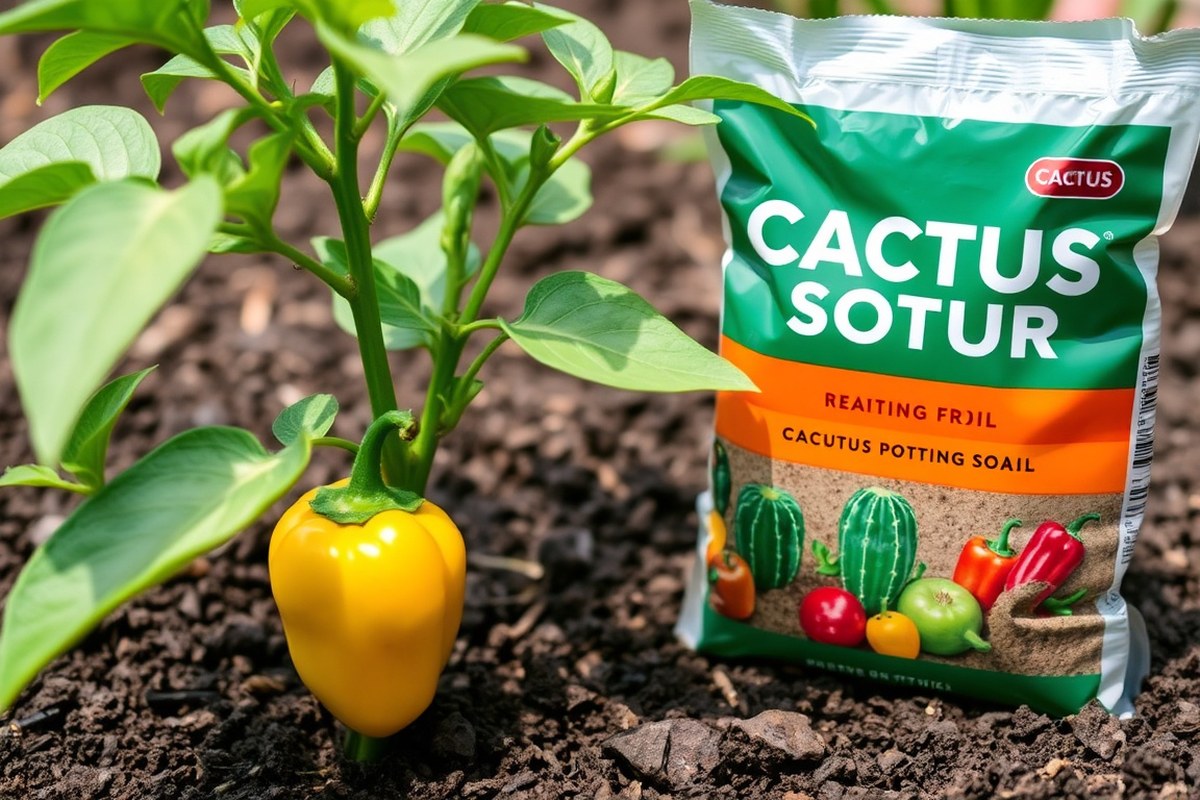
You can use cactus potting soil for growing peppers, but not by itself. Cactus soil is made for plants that need very good drainage. It holds low moisture.
This suits cacti and succulents well. Peppers need soil that holds moisture.
They also need nutrients. Cactus soil does not have enough of these.
Cactus soil is mostly made of materials like perlite and sand that drain water quickly. This makes it hard for peppers to get the consistent moisture they want. It lacks enough organic matter.
It also misses nitrogen. Peppers need both to grow and make fruit.
Using cactus soil alone means you must water and fertilize peppers very regularly. Without extra nutrients, the plants can become weak or produce fewer peppers. You must add fertilizer every one to two weeks.
Do this during the growing season. This keeps peppers healthy.
Many gardeners mix cactus soil with potting soil. They also add peat moss or coco coir. This improves the soil mix.
This adds moisture retention and nutrients while keeping good drainage. A common mix is 50% cactus soil and 50% potting soil.
This balances what pepper plants need. It helps peppers grow better.
For container peppers, use cactus soil as a base. Add compost or balanced organic fertilizer. This helps provide extra nutrients.
This approach improves aeration and prevents root rot while giving plants what they need to thrive. Be prepared to adjust watering since the added mix holds more water than straight cactus soil.
How Cactus Potting Soil Differs from Regular Potting Soil
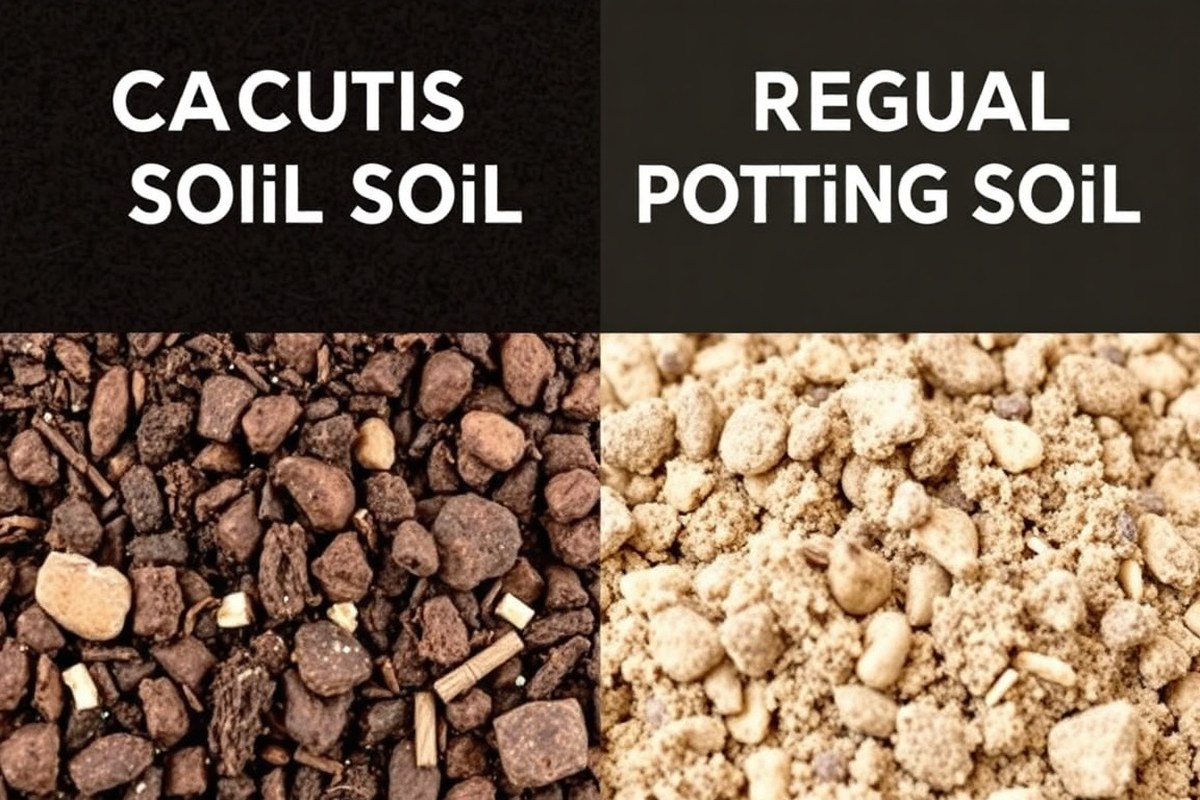
Cactus potting soil is different from regular potting soil mainly in drainage, organic content, and nutrients. It is designed for desert plants and has a coarse texture that drains quickly. Regular potting soil holds more moisture.
It has more organic material and nutrients. This suits plants like peppers better.
Key Ingredients in Cactus Soil
Cactus soil mostly has sand and silt. It contains a small amount of clay. Organic matter is about 3 to 5 percent.
The low organic content reduces compaction and improves aeration. It often includes perlite or pumice.
These materials improve drainage and air space. They help the soil dry faster.
The little organic matter helps the soil hold some moisture, which might seem strange. However, it stops the mix from drying out too fast. This organic matter is much less.
Regular potting soil has richer compost or peat. It holds more nutrients.
Differences in Drainage and Moisture Retention
Cactus potting soil offers excellent drainage and stays drier than regular soil. Water moves quickly through it, preventing roots from sitting in wet soil and reducing rot risk. Peppers in this soil dry out in 5 to 7 days.
Drying depends on temperature. It also depends on pot placement.
Regular potting soil holds moisture longer due to higher organic content and finer particles. This helps peppers get constant moisture but can cause waterlogging in poorly draining containers. Cactus soil drains very quickly.
You may need to water peppers every 2 to 4 days. Hot weather makes this happen faster.
Nutrient Content and pH Levels Compared
Cactus soil generally has lower nitrogen and fewer nutrients than regular potting soil. This is because it is meant for plants that need less nutritional support. You must add compost or fertilizer often.
This helps peppers grow well in cactus soil. Regular feeding is necessary.
The pH of cactus potting soil is usually slightly acidic to neutral, roughly 6.0 to 7.0. This pH works for peppers too, which prefer slightly acidic soil. Regular potting soil has a wider pH range.
It usually stays near 6. This is due to added organic matter.5.
Test your soil mix before planting peppers. Read labels to check drainage and organic matter. This ensures your mix is right.
Why Drainage and Moisture Retention Matter for Peppers
Pepper plants need soil that holds enough moisture but drains well. Their roots need consistent hydration without sitting in water. Too much drainage, like in cactus soil, dries the roots too fast and stresses the plants.
Cactus potting soil is made to drain quickly for succulents. These plants store water in their leaves or stems.
So they do fine with dry soil. Peppers don’t have this ability and can wilt if soil moisture drops too fast.
When soil drains too fast, pepper roots struggle to absorb water. This leads to constant drying and possible damage, called desiccation. The plant may slow growth, drop flowers, or produce fewer fruits.
- Add 20, 25% coco coir or peat moss to cactus soil
- Mix evenly to improve moisture retention but keep drainage
- Check soil moisture daily, especially in warm weather
- Water deeply but less often to encourage strong roots
- Avoid soaking soil or letting water pool around roots
Coco coir or peat moss hold water but still let air reach roots. Mixing them into cactus soil balances moisture and drainage thanks to organic matter. You can find coco coir for around $10 to $15 per bag at garden centers.
Good drainage helps prevent root rot, a big problem if soil stays wet too long. But peppers need steady moisture between dries. Balancing these two means healthier roots, fuller plants, and better peppers over the season.
Nutrient Needs of Peppers and Cactus Soil Deficiencies
Pepper plants need nitrogen, phosphorus, and potassium in balanced amounts to grow well. Nitrogen helps leaf growth, phosphorus supports roots and flowers, and potassium improves fruit quality. Cactus potting soil often lacks enough of these nutrients because it mimics dry, nutrient-poor desert soil.
Besides these main nutrients, peppers also need micronutrients like iron, zinc, and magnesium. These support processes like chlorophyll production and enzyme function. Cactus soil often lacks micronutrients needed by pepper plants.
This can slow growth and lower pepper yield. You may need to add nutrients for better results.
You can tell peppers suffer from nutrient deficiencies when their leaves yellow or curl. Poor phosphorus shows up as dark green or purplish leaves.
Low potassium causes leaf edges to brown or die back. Nitrogen shortage makes the plant look weak and pale.
Adding compost or a balanced fertilizer boosts cactus soil’s nutrient content. Choose fertilizers with an N-P-K ratio around 10-10-10 or 14-14-14 for pepper plants.
Add micronutrient supplements when your soil test shows low iron. Do this also if magnesium levels are low in the soil.
Make these additions before planting or during the growing season. Mix compost into the soil at about one-quarter to one-third of the total volume.
Fertilize container plants every few weeks to keep nutrients steady. Peppers grow fast and use up resources quickly.
Using cactus soil alone risks stunted plants and fewer, smaller peppers. Proper feeding helps peppers thrive, even in this dry, low-nutrient mix. Regular care ensures you get the best harvest from your peppers.
How to Amend Cactus Potting Soil for Healthy Pepper Growth
Cactus potting soil can be improved for peppers by adding organic matter and balancing drainage. Adding compost or worm castings raises nutrients and moisture retention. Mixing in perlite or coco coir helps keep drainage right for healthy roots.
Adding Organic Matter: Compost and Worm Castings
Cactus soil lacks organic material, which peppers need for steady nutrition. Compost or worm castings add nutrients and improve moisture retention. These parts feed microbes that break down nutrients into forms plants can use.
Add 20 to 30 percent compost or worm castings to cactus soil. This ratio boosts fertility enough without harming drainage. Use a good-quality compost free of weed seeds or chemicals.
Balancing Drainage: Perlite, Grit, and Coco Coir
Cactus mix already drains fast because it contains pumice or gravel. Peppers like well-drained soil but also need enough moisture between waterings. Adding coco coir or vermiculite raises water retention without making the soil soggy.
Mix 40 percent cactus soil with 30 percent coco coir. Add 30 percent perlite or chicken grit for drainage. This blend helps keep pepper soil light and loose.
This blend helps hold moisture and nutrients while keeping air spaces. You can tweak these ratios based on climate and how often you water.
Adjusting pH: Lime, Sulfur, and Other Amendments
Most peppers prefer soil pH between 6.0 and 7.0. Cactus mix pH can vary but often runs acidic.
Adding lime raises pH if the soil is too low. Sulfur lowers pH if it’s too high.
Test the soil pH first with a kit. Add lime at about one tablespoon per gallon of amended soil to raise pH gradually. Repeat testing after a few weeks before adding more.
Follow these steps to amend cactus soil for peppers:
- Test the cactus soil pH using a home kit or lab service.
- Mix 20 to 30 percent compost or worm castings into the soil.
- Add 30 to 40 percent perlite, chicken grit, or vermiculite for drainage.
- Blend in 20 to 30 percent coco coir or peat moss for moisture retention.
- Add lime or sulfur based on soil pH test results.
- Combine all ingredients thoroughly in a large container or wheelbarrow.
- Fill pots or beds with the amended mix for planting peppers.
- Water the soil well and monitor moisture levels after planting.
Don’t add too much organic material. It can cause water to hold too long and harm roots.
Creating the Ideal Soil Mix for Container Peppers
Use cactus potting soil as part of a broader mix for container peppers. It provides good drainage and aeration but lacks nutrients and moisture retention. Blend it with quality potting soil and compost for balanced growth.
Standard Recipes with Cactus Soil Proportions
A simple mix for peppers includes half cactus soil and half nutrient-rich potting soil. Add a small portion of compost or aged manure to boost fertility. This recipe balances drainage, moisture, and nutrients for container growing.
Here’s a basic formula you can follow depending on container size:
| Ingredient | Proportion | Role |
|---|---|---|
| Cactus potting soil | 50% | Improves drainage and aeration |
| Quality potting soil or standard garden mix | 40% | Supplies moisture retention and moderate nutrients |
| Compost or aged manure | 10% | Improve fertility and microbial activity |
Mix these ingredients thoroughly before filling containers. This ensures consistent texture and nutrient distribution for pepper roots.
Alternative Ingredients and Their Benefits
Peppers need moisture retention, so you might add coconut coir or peat moss. They hold water well and keep roots hydrated longer. Perlite or vermiculite can further improve aeration if your cactus soil is heavy.
Using worm castings supplements nutrients gently. They encourage healthy microbial life in the soil. Avoid adding too much compost or manure to prevent sogginess.
Mixing Ratios by Container Size and Climate
In small pots, keep cactus soil at 40% and increase potting soil or compost to 50%. This helps hold moisture better in steadier containers. Larger containers can handle 50% cactus soil since they dry out less quickly.
In dry, hot climates, raise moisture-retaining ingredients by 10%. This reduces how often you need to water your peppers. Cooler, humid areas can stick closer to the standard 50/40/10 mix without issues.
Adjusting Watering and Fertilizing When Using Cactus Soil
Cactus potting soil drains quickly and stays dry longer than regular soil. Peppers need consistent moisture but don’t like soggy roots. So, you’ll water more often but less each time to avoid overwatering.
Try checking the soil surface every day. Water lightly when the top inch feels dry.
In hotter weather, this might mean watering every two to three days. Cooler or humid conditions will require less frequent watering.
- Water enough to moisten the root zone, about ½ to 1 inch per session
- Use a moisture meter or stick your finger to check dryness below surface
- Water early in the day to let excess evaporate before night
- Adjust frequency based on temperature, humidity, and pot size
- Avoid letting soil completely dry out for more than a day or two
- Pick pots with drainage holes to prevent standing water
Since cactus soil holds fewer nutrients, fertilizing needs to increase. Start feeding peppers with a balanced fertilizer every two weeks during the growing season. Use one with a ratio near 10-10-10 or 5-10-10 to support fruit growth.
You can also use liquid fertilizer diluted to half strength with each watering. This keeps nutrients steady without overwhelming roots. Stop fertilizing about four to six weeks before expected harvest to let peppers mature naturally.
Watch for signs like yellowing leaves or poor growth. These often show nutrient or watering problems. Adjust watering to keep soil moist, not soaking wet.
Fertilize once a week when growth slows down significantly. Watch your plants for signs they need changes. Plants wilting soon after watering may have overly wet roots.
Signs and Solutions When Peppers Struggle in Cactus Potting Soil
Wilting, yellowing leaves, and low pepper production often point to soil problems. Peppers in cactus soil may suffer from nutrient shortages or too quick drying. Check wilt during hot parts of the day and see if leaves stay limp overnight.
Look for these signs if peppers struggle in cactus potting soil:
- Yellow lower leaves that dry and drop off
- Slow or no growth after two weeks of planting
- Fruits dropping before ripening
- Soil that feels dry within a day after watering
- Roots visible at the soil surface or through drainage holes
- Wilting that doesn’t improve overnight
- Stunted plants with fewer flowers than usual
Yellowing leaves often come from nutrient gaps. Cactus soil typically lacks enough nitrogen, phosphorus, and potassium for peppers. Add a balanced 10-10-10 fertilizer every 2 to 3 weeks during growing season.
Use slow-release pellets or liquid feed every 10 to 14 days. This improves leaf color and fruit set.
Trouble wilting mainly means the soil drains too fast. Peppers need moisture to stay healthy. Water deeply and check soil moisture daily.
Add 10 to 20 percent organic matter to your potting mix. Use compost or peat moss for best results.
This improves soil quality for your peppers. This helps keep moisture longer without soggy roots.
Don’t ignore persistent wilting. That’s a sign to replace the soil or repot the peppers immediately.
Replace cactus soil entirely if you see root crowding or soil compacts hard. Root bound plants’ growth slows and wilting worsens. Loosen roots gently and repot in a standard vegetable potting mix with good organic content.
Fresh soil usually costs about $10 to $20 per bag. Each bag holds 2 cubic feet of soil. This amount fits a few container peppers.
Regular soil testing once a month helps too. Use a simple home test kit for pH and nutrient levels. Ideal pH for peppers is 6.0 to 6.8.
Fix low pH with garden lime. Fix high pH with elemental sulfur, following label instructions.
Step-by-Step Action Plan for Growing Peppers in Cactus Soil
Use this plan to modify cactus potting soil and grow healthy peppers. Follow each step and check how your plants react.
- Before planting: Mix cactus soil with compost or regular potting soil in a 1:1 ratio. The mix should hold moisture without staying soggy.
- Day 1: Plant your pepper seeds or seedlings in the amended soil. Check soil feels slightly moist but not wet.
- Week 1: Water gently once the top inch of soil dries. Avoid overwatering, soil should never be constantly wet.
- Week 2: Apply a balanced liquid fertilizer every 10 days. Watch for dark green leaves and steady growth as signs it works.
- Week 4: Test soil drainage by watering fully. Water should drain quickly but not run straight through the pot.
- After 6 weeks: Check pepper plants for firmness and leaf color. Yellowing or drooping may mean too dry or nutrient-poor soil.
- Ongoing: Adjust watering frequency based on weather and plant needs. If leaves wilt quickly, increase watering slightly.
Frequently Asked Questions
Can I Use Cactus Potting Soil Alone for Growing Peppers?
You shouldn’t use cactus soil alone for peppers. It lacks enough nutrients and moisture retention needed for healthy growth. Mix it with regular potting soil to balance drainage and nutrient supply.
Does Cactus Potting Soil Affect Pepper Plant Growth Speed?
Yes, cactus soil can slow pepper growth due to low nitrogen. Peppers need more nitrogen than cactus soil provides. Supplement with fertilizer to avoid stunted plants and low yields.
How Often Should I Fertilize Peppers in Cactus Potting Soil?
Fertilize peppers regularly, about every two weeks during growing season. Cactus soil holds fewer nutrients, so a consistent schedule prevents deficiencies. Use a balanced fertilizer with extra nitrogen.
Can I Reuse Cactus Potting Soil for New Pepper Plants?
Reusing cactus soil isn’t ideal without amendment. Nutrients deplete quickly, and soil structure breaks down. Refresh it with organic matter and fertilizer before replanting peppers.
Will Cactus Potting Soil’s Drainage Cause Peppers to Dry Out Too Fast?
It might, since cactus soil drains quickly and holds less water. Water peppers more often but avoid soggy roots. Monitor soil moisture closely to avoid stress.
Are There Peppers That Tolerate Cactus Potting Soil Better Than Others?
Some hot pepper varieties handle drier soils better but still need extra nutrients. Peppers like jalapeños may tolerate cactus soil with amendments. Always watch for signs of nutrient stress.
Wrapping Up
You can grow peppers in cactus potting soil if you adjust it properly. Adding organic matter and careful watering makes a big difference. Start by mixing your cactus soil with compost before planting.