How Much Are Sprinkler Heads? Cost Breakdown, Types, and Replacement Tips
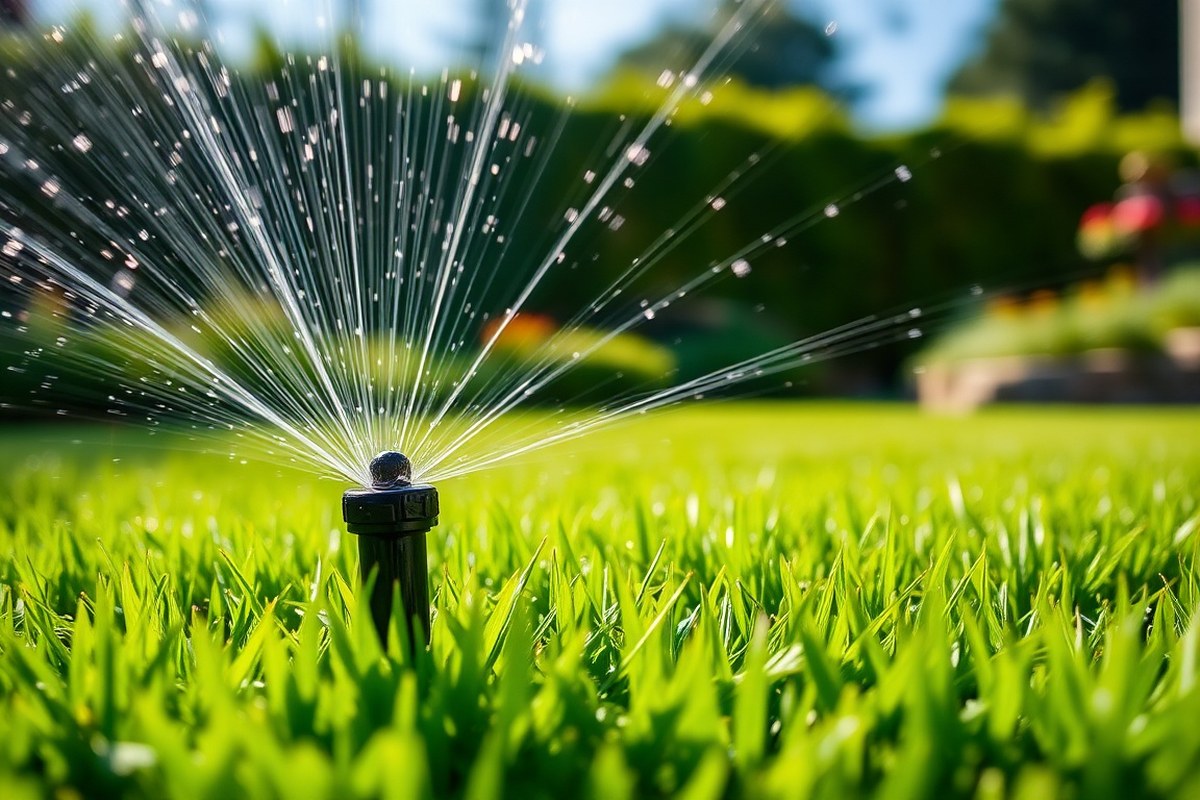
How much are sprinkler heads? They usually cost between $1.50 and $40 each, depending on type and quality.
On average, a single head runs about $5 to $30. Prices add up when you need many heads for larger yards or complex layouts.
Most home’s sprinkler systems require 12 to 30 heads. Smaller yards might only need 12 to 20 heads, costing $60 to $600 total.
Medium yards need 20 to 30 heads, raising costs to $100 to $900. The rest of your budget usually goes to piping and labor.
You should pick heads based on your yard’s size and watering needs. Rotor heads cover wide areas, up to 50 feet.
Spray heads cover smaller zones. Knowing your sprinkler head needs helps you avoid spending too much or missing spots.
Key Takeaways
- Sprinkler heads cost $1.50 to $40 each, averaging $5 to $30 per unit.
- Small yards need around 12 to 20 heads; medium yards need 20 to 30.
- Total sprinkler head cost is usually 8, 22% of the whole system price.
- Rotor heads cover larger distances; choose them for big, open lawn areas.
- Installing multiple heads takes 1, 2 hours once a technician is onsite.
- Piping, permits, and labor usually cost more than the sprinkler heads.
What Is the Typical Cost of Sprinkler Heads?
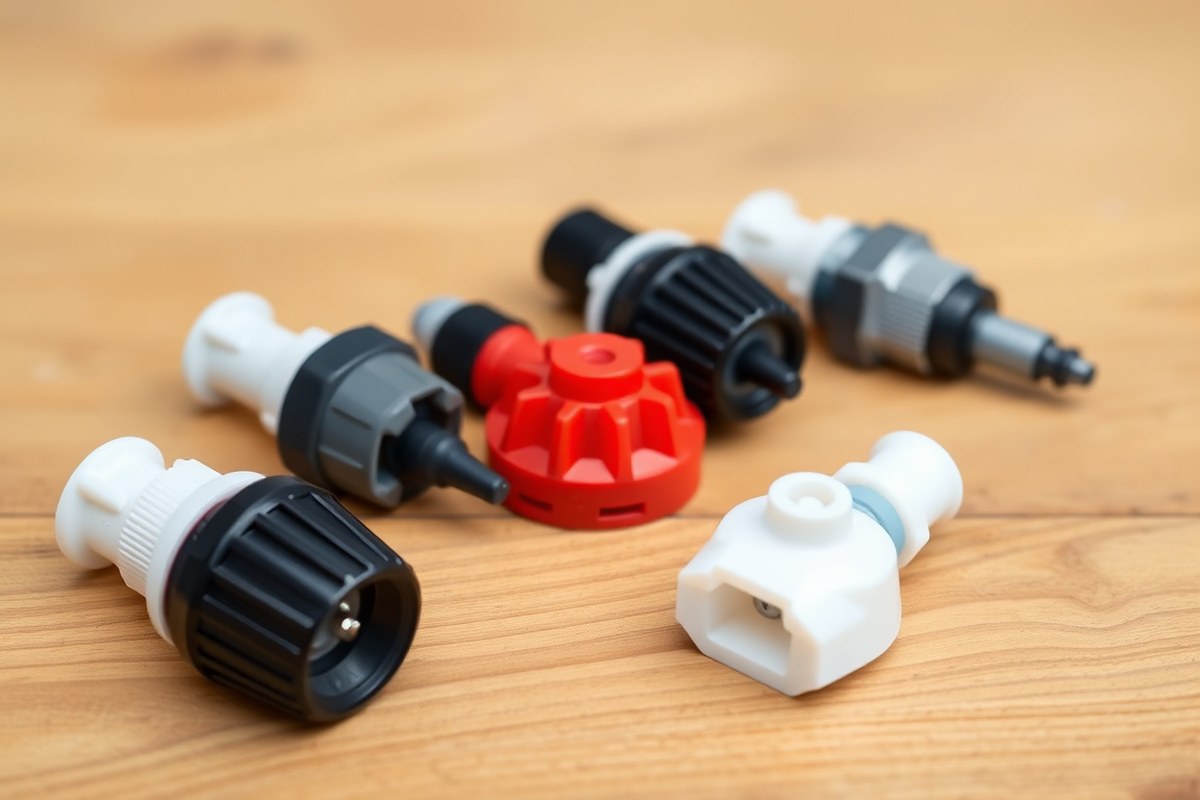
Individual sprinkler heads cost from about $3 to $60 each, depending on the type. Basic pop-up spray heads fall between $5 and $25. Rotary or gear-driven heads run from $15 to $50.
Specialty heads like impact or smart sprinklers cost $100 or more each. These types often push prices higher for each head.
Replacing a single sprinkler head usually costs between $75 and $150 when hiring a pro. This price includes parts, labor, and testing the irrigation zone. Labor alone often adds between $45 and $85 for removal and replacement work.
Buying multiple replacement heads together can lower your price per head. A kit with three basic sprinkler heads costs around $80, making each head roughly $27.
Having a technician replace multiple heads at once lowers labor costs. Additional heads cost $30 to $75 each since setup is done.
Additional materials like sealants and adapters usually add $5 to $20 to the cost. Sometimes checking the water line or valve adds $20 to $60. This extra charge depends on what needs inspection or repair.
Permits or inspections rarely apply to residential sprinkler jobs. However, some areas may charge extra fees for permits or inspections.
Prices vary when you move beyond simple spray heads. For example, swapping out an impact sprinkler head can cost $200 to $350 each with installation.
Drip irrigation emitter replacements tend to be cheaper parts-wise. But the labor still ranges from $130 to $300 per head, depending on complexity and location.
Expect to pay $5 to $30 per sprinkler head buying parts alone. This price fits typical DIY projects for most homes. Professional full replacements cost $130 to $275 per head total.
This price includes labor, parts, and testing of the system. Adding sprinkler heads to an existing system costs $150 to $400 each. This includes possible new plumbing work needed for installation.
How Many Sprinkler Heads Will Your Property Need?

Small homes usually need about 12 to 20 sprinkler heads. This range covers lawns under 5,000 square feet well. Expect total head costs to be between $60 and $600, depending on the head types.
Medium homes, with yards roughly 5,000 to 10,000 square feet, often require 20 to 30 heads. This setup supports multiple watering zones and ensures good coverage. The cost for heads in medium yards typically runs from $100 to $900.
Large homes with big lawns, more than 10,000 square feet, may need 30 to 50 heads. Larger properties often split these across 5 to 7 zones. The total cost rises mainly due to more heads and complex layout needs.
Commercial properties vary but small commercial sites generally use 40 to 80 sprinkler heads. Such properties have extensive coverage needs that often include shrubbery and lawn areas. That pushes material costs to between $320 and $1,200 just for the heads.
How zoning affects your sprinkler count is key. Each zone has a set number of heads that can operate without dropping water pressure.
More zones allow you to add heads and cover your property better. Typical zones hold 4 to 6 heads each, balancing water supply and coverage.
For example, a 5-zone system might include 20 sprinkler heads spread evenly. Each zone activates alone to keep water pressure steady. If you try to run too many heads in one zone, water pressure drops and coverage suffers.
Plan zones by water pressure available and layout size to avoid poor coverage or wasted water.
What Types of Sprinkler Heads Affect Pricing and Coverage?
Sprinkler head types affect both the cost and how well they cover your yard. Rotary heads cover large spaces and cost more.
Spray and fixed heads serve smaller areas at a lower price. Specialty heads like drip or bubblers cost more and fit specific planting needs.
Rotary Sprinkler Heads
Rotary sprinkler heads rotate to water large areas evenly. They can cover distances from 30 to 50 feet or more.
This makes them a good pick for big lawns. These heads usually cost between $5 and $40 each, with gear-driven rotors leaning higher in price.
Rotary heads use a rotating stream to spread water farther than spray types. Use them on lawns over 1,000 square feet.
This avoids needing too many sprinkler heads. They work best when you want even water distribution across wide, open spaces.
Spray and Fixed Heads
Spray and fixed heads deliver a fan-shaped, fixed stream of water. They cover smaller areas, generally with a radius of 5 to 15 feet.
These heads cost between $3 and $15 each. They are common for flower beds and small lawn patches.
Fixed spray heads provide quick coverage for tight or oddly shaped spots. Use them where precise watering is key, like narrow strips of grass or garden edges.
Compared to rotors, they need more heads to cover the same area. But installation is often simpler.
Drip and Specialty Heads
Specialty heads include bubblers and misting types, which offer targeted watering. Bubblers cost between $1.50 and $15, and mist heads range from $3 to $12. These deliver water slowly, ideal for plants or trees needing deep soaking without runoff.
Choose drip or specialty heads when watering delicate plants or preventing water waste. They work well in gardens or near shrubs where consistent moisture is necessary. These heads often cost more per unit but reduce water use significantly.
Here’s a quick table showing typical sprinkler head types with their cost, coverage, and best uses:
| Type | Cost per Head (Materials) | Coverage Radius | Typical Use |
|---|---|---|---|
| Bubbler | $1.50, $15 | Very localized, a few feet | Trees, shrubs, deep watering |
| Misting / Micro | $3, $12 | Small, focused zones | Delicate plants, garden beds |
| Pop-up Spray | $3, $15 | 5 to 15 feet | Small lawns, flower beds |
| Rotary | $5, $20 | 30 to 50+ feet | Large lawns, open areas |
| Gear-Driven Rotor | $10, $40 | 30 to 50+ feet | Wide turf areas, precise arcs |
| Impact Rotor | $20, $35 | 30 to 50+ feet | Large lawns, commercial use |
Choosing the right head depends on your yard size and shape. Large, open lawns do better with rotors since you’ll use fewer heads and get broad coverage.
Spray or fixed heads work better for small, uneven spaces. They water specific spots without wasting water.
What Labor and Installation Costs Should You Expect?
Expect to pay around $86 per hour for sprinkler head labor. Most pros charge between $56 and $115 an hour, depending on location and expertise. Replacing one sprinkler head usually takes about one hour, including system checks and testing.
Replacing multiple heads in one visit saves money because labor spreads across more parts. For example, changing three heads might cost $180 to $240 total.
The labor cost per sprinkler head drops to about $60 to $80. This is less than the $130 to $275 cost for just one head.
Labor time changes with how many heads you install. One head usually takes about one hour. Two heads take about one and a half hours.5 hours.
Three heads take two hours. Adding more heads after that usually adds about 20 to 30 minutes each.
Soil type matters too. Hard or rocky soil can increase labor time by 20 to 50 percent.
Labor cost factors include system complexity, home size, and site conditions. Two-story homes with complex landscaping need more steps and piping, which push labor costs higher.
Extra costs come from things like quick scheduling and local labor shortages. Long travel times for workers can also add costs.
A licensed contractor’s labor for a single sprinkler head replacement often runs between $150 and $400. This includes damaging notifications to monitoring companies, the actual replacement, pressure testing, and system restart.
A busy schedule or a high level of service quality can raise costs. This may push prices to the top of the normal range.
Expect labor costs to make up about half of your total installation expense. A full sprinkler system on a quarter-acre lawn usually needs about four hours of work.
This time can change based on system complexity. That adds $200 to $400 in labor fees alone at typical rates.
Which Factors Influence Sprinkler Head Prices the Most?
Soil type greatly affects sprinkler head pricing because it changes installation difficulty. Rocky soil raises trenching time and cost by 20% to 40%. Sandy and clay soils differ in water drainage speed.
This difference might need special heads or spacing. Both soil types are easier to work with. Yard slope affects costs.
Sloped yards need pressure regulation. They also require special sprinkler heads for even coverage.
Water pressure plays a strong role in cost, too. Low pressure may force you to add a booster pump costing $200 to $600. Uneven pressure means you might need more irrigation zones.
More zones increase heads and pipes needed. System calibration for proper pressure can increase both equipment and labor expenses.
Your location impacts prices through soil conditions and market rates. Sprinkler heads can cost $20 in soft soil areas. In rocky regions, the same heads may cost $30.
This shows how ground type affects price. Labor rates and parts availability differ regionally, affecting overall installation costs. Also, some areas require backflow preventers, adding $100 to $300 or more depending on local codes.
Existing landscaping impacts costs. Pipes must be routed around trees and hardscapes. This requires extra planning and care.
Complex yards with gardens or stone patios add to labor time. Cold climates need winterization.
Blowout valves may be added to the system. This raises upfront costs and maintenance.
Think about these factors before buying sprinkler heads. Estimate your soil and yard complexity, check the water pressure, and research local prices. Here’s a simple rule: rocky soil or slopes raise costs by 20% or more.
These factors add complexity to the install. Calculate the number of zones you’ll need.
Multiply by heads and pipe costs. Adjust for your local region prices.
Check local irrigation codes early. Backflow preventers might add $100 to $300 to your system. You don’t want surprise costs after installation starts.
How Long Do Sprinkler Heads Last and When to Replace Them?
Residential sprinkler heads usually last about 5 to 10 years. Damage from weather, dirt, and wear can shorten that. You should replace heads when repairs cost more or don’t fix the problem.
Average Lifespan of Sprinkler Heads
Most standard sprinkler heads last between 5 and 10 years. Plastic heads tend to wear out faster than metal ones. Exposure to sun, cold winters, and hard water speeds up wear.
Lawn use affects lifespan, too. High foot traffic or mowers hitting heads cause early damage. Keep heads clean and adjust them yearly to help them last longer.
Common Signs You Need Replacement
Sprinkler heads that don’t pop up or stay stuck need immediate attention. Uneven water spray, leaks or constant running flags faulty heads. Rust or cracks on metal parts also suggest replacement.
- Water pooling or soggy spots near heads
- Spray pattern changes or weak spray pressure
- Broken, cracked, or missing nozzle
- Head won’t retract after watering cycle
- Frequent clogging despite cleaning
- Leaks at the base or around connection fittings
- Visible corrosion or worn seals
Catch these signs early to avoid wasting water and overwatering your lawn. Frequent repairs mean replacement might be smarter.
Repair vs Replacement Guidelines
Small clogs and nozzle swaps often help restore performance cheaply. Repair or replace seals and filters if damaged but keep the original head. For cracked plastic, leaks, or broken risers, replacement is best.
Use this quick decision check:
- Can cleaning or parts replacement fix it? If yes, repair.
- Is the head cracked or does water leak from the body? Replace immediately.
- Has it needed repairs multiple times in 2 years? Replace to save money.
Buying a new head costs $5 to $20 for most residential models. Repair parts usually cost under $10. Weigh repair price and time vs a fresh, reliable head.
Is It Cheaper to DIY or Hire a Professional?
Replacing sprinkler heads yourself saves labor costs but needs some skills and tools. DIY parts cost about $50 each for multiple heads. Hiring a pro usually costs $130 or more per head.
They avoid common mistakes. Pros also finish the job faster.
Essential DIY Tools and Materials
You need basic plumbing tools and correct replacement heads. Popular brands like Hunter and Rain Bird offer reliable parts online. Make sure to shut off your water source before starting work.
- Replacement sprinkler heads matching your current system
- Shovel or trenching tool for digging around heads
- Adjustable wrench and pliers for loosening fittings
- Teflon tape for sealing threaded connections
- Towels or bucket to catch water leaks
- Level to check head alignment
- Gloves and knee pads for comfort and safety
Gather these tools in advance to avoid disruptions during the swap. Check heads fit your pipe size and water pressure needs.
Cost Breakdown: DIY vs Professional
DIY sprinkler heads cost $50 each when replacing five or more at once. A pro charges $130+ per replacement head for labor and parts. Larger systems raise costs depending on local labor rates.
| Cost Item | DIY | Professional |
|---|---|---|
| Sprinkler head (typical, per head) | $30-$50 | Included in labor |
| Labor (per head) | Free – your time | $80-$100+ |
| Total cost (5 heads replacement) | $150-$250 | $650+ |
DIY saves money but time can add up. Expect 30 to 60 minutes per head if novice. Professionals work fast but pay higher upfront.
Avoiding Common DIY Replacement Errors
Clearing dirt fully helps avoid leaks and misalignment. Don’t overtighten connections; it can crack fittings. Check heads spray evenly after installation to save water and avoid dry spots.
- Failing to turn off system leads to flooding and messes
- Digging too little around heads causes pipe damage
- Using wrong head type or pressure wastes water
- Improper sealing causes leaks or breaks over time
- Not testing spray coverage wastes effort and water
Fix leaks by reapplying Teflon tape or adjusting head height. Uneven water flow means you should adjust the head nozzles. Make sure the spray fits your lawn’s needs.
What Additional Costs and Maintenance Should You Budget For?
Permits for installing a sprinkler system are often required by local governments. The cost typically ranges from $50 to $250. Check with your city or county before starting the project.
You might also need to mark underground utility lines before digging. This service is usually free through 811 dialing.
Backflow preventers protect your water supply from contamination. Many areas require them by law for irrigation systems.
Expect to pay between $100 and $300 for this device. Having a backflow preventer installed adds to your upfront cost but avoids future health risks.
Regular maintenance helps keep your sprinkler system working well. An annual maintenance package often costs $200 to $400.
This typically covers spring startup, backflow testing, and winterization. Winterizing protects pipes from freezing damage, which can cost $75 to $150 to fix if ignored.
Maintenance service calls range from $107 to $211. These visits include cleaning clogged heads, system inspections, and winterizing.
Scheduling maintenance twice a year, in spring and fall, keeps your system efficient. Spring checks confirm everything runs smoothly after winter.
Sprinkler heads are grouped into zones, usually five to 10 heads each. More zones increase installation and maintenance expenses.
Budget extra for repairs or replacements, as heads can clog or break. Professionals charge $50 to $100 per hour for repairs or adjustments.
Don’t skip winterizing; frozen pipes can cause expensive leaks and system damage.
Step-by-Step Action Plan for Installing or Replacing Sprinkler Heads
Follow this plan to handle your sprinkler head project efficiently. Each step shows what to do and how to check if it works right.
- Before you start: Measure your lawn’s area to estimate how many sprinkler heads you need. Accurate counts help avoid overbuying or gaps in coverage.
- Day 1: Choose the right type of sprinkler heads based on your landscape and water pressure. Confirm they match the size and flow needed for your zones.
- Day 2: Gather all tools and materials, including sprinkler heads, pipes, and fittings. Check you have everything before digging or installation.
- Day 3: Turn off your irrigation system and water supply. Test by running a short cycle to ensure no leaks or pressure after shutdown.
- Day 4: Remove old sprinkler heads and install new ones at the planned spots. Verify each is flush with ground and oriented for good coverage.
- Day 5: Turn the system back on and watch for proper spray patterns and no leaks. Adjust heads if dry patches or overspray occur.
- Week 2: Inspect the system for any early signs of clogging or damage. Clear filters and fix leaks promptly to keep costs down.
Frequently Asked Questions
Can I Save Money by Buying Sprinkler Heads in Bulk?
Yes, buying in bulk often lowers the per-head price. Technicians also save time replacing multiple heads during one visit, cutting labor costs overall.
How Does Water Pressure Affect Sprinkler Head Costs?
Higher water pressure may need stronger, pricier heads to avoid damage. Cheaper heads might fail early if pressure levels are uneven or too high.
What Extra Parts Might Raise the Total Sprinkler Head Cost?
You might need risers, nozzles, or connectors that add to expenses. These small parts improve coverage but often aren’t included with basic heads.
Are Smart Sprinkler Heads More Expensive to Install?
Smart heads cost more upfront and may need professional setup. They offer remote control and water-saving benefits that sometimes justify the price.
Can Sprinkler Heads Be Repaired Instead of Replaced?
Minor issues like clogged nozzles often need cleaning, not replacement. Still, cracked or broken heads typically require new parts for proper function.
Do Older Sprinkler Heads Increase Water Bills?
Yes, leaking or inefficient heads can waste water and raise bills. Regular checks help spot problems and keep irrigation efficient.
Before You Go
Sprinkler head costs depend on your property size and the head types you pick. Start by measuring your lawn and checking water pressure to pick the right heads. Then test your system after installation to make sure everything works as you want.