Is Coconut a Vegetable? A Complete Guide with Botanical Facts & Uses
Is coconut a vegetable? The short answer is no. A coconut is actually a type of fruit called a drupe.
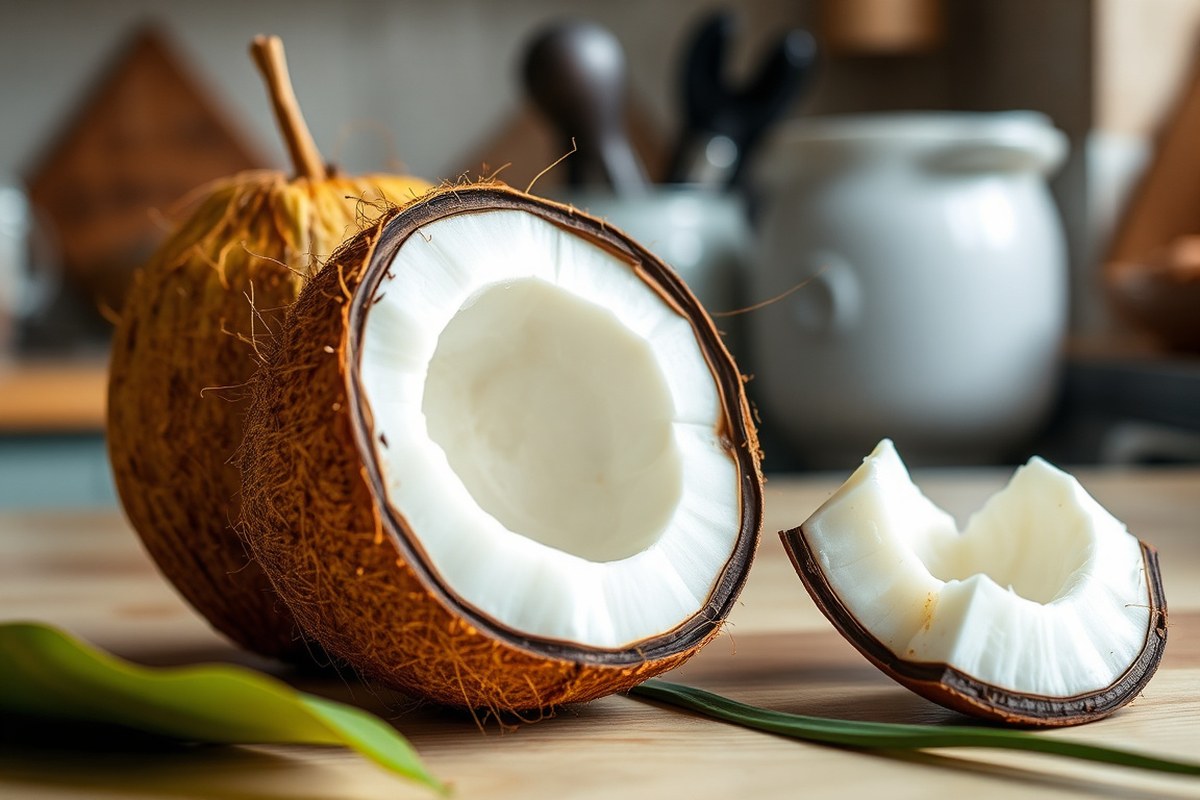
It grows on a tall palm tree. The fruit has a hard shell with a fibrous husk outside it.
Coconut is often mistaken for a vegetable because it appears in savory dishes. Unlike typical vegetables, it has a high fat content, mainly healthy saturated fats. This fat gives coconut a creamy texture, which is unusual for vegetables.
The inside part, called the meat, is firm and white. You can eat it fresh or dry it for cooking. Coconut water inside is also popular but is not a vegetable juice.
Coconut oil and coconut milk come from the fruit but are processed separately. These products are fats and liquids, not vegetables. Treat coconut like a unique fruit ingredient in your meals.
Key Takeaways
- Coconuts are drupes, not vegetables, due to their botanical structure.
- Coconut meat is high in healthy saturated fats, unlike most vegetables.
- Using coconut in savory dishes doesn’t make it a vegetable.
- Coconut oil is a fat product, not a vegetable or fruit.
- Coconut milk contains about 20 percent fat, separating it from vegetable juices.
- Store opened coconut milk in the fridge for up to 7 days.
Is Coconut a Vegetable or a Fruit?

The coconut is botanically a fruit, not a vegetable. A drupe is a fruit with a hard shell. Inside it has a seed.
The coconut fits this category perfectly. This classification depends on the coconut’s structure and how it grows on palm trees.
Vegetables typically come from other parts of plants, like leaves, stems, or roots. But coconuts develop from the flower’s ovary. This difference puts coconuts firmly in the fruit category.
The coconut has a tough shell that keeps the seed safe. This seed is a fruit, not a vegetable. It meets the botanical fruit definition.
Young coconut meat tastes mild and feels soft. People sometimes cook with it like a vegetable. It blends well in many dishes.
However, this culinary use doesn’t change the botanical fact: young coconut is still a fruit. Tomatoes grow as fruits but often get used like vegetables. This is common in many kitchens.
It shows fruit and vegetable classifications can differ. The same idea applies to young coconut meat.
| Category | Is Coconut? |
|---|---|
| Fruit | Yes (Drupe) |
| Vegetable | No |
| Nut | No (Botanically a seed, not a true nut) |
| Seed | Yes |
To tell if food is fruit or vegetable, look at where it grows. Fruits usually have seeds inside. Vegetables come from other plant parts.
Fruits grow from flowers and contain seeds. Vegetables are other edible parts, like leaves or roots. Since coconuts grow as fruits with seeds inside, they are not vegetables.
Botanical Classification: How Coconuts Are Categorized
Coconut is a type of drupe, a fruit with a hard shell. This shell surrounds the seed inside the fruit.
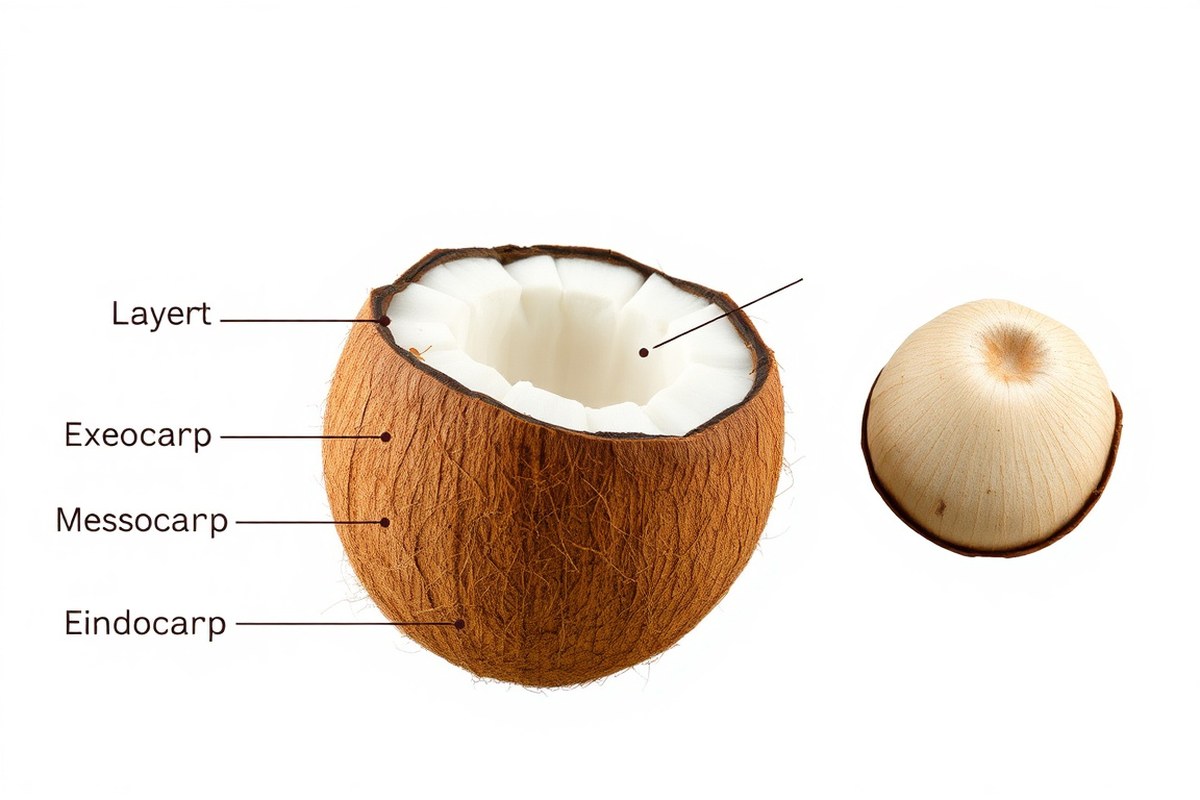
Its structure includes an outer husk, a tough shell, and the edible white flesh inside. Though often called a nut, the coconut is a fruit containing a single seed.
Layers of the Coconut Fruit
The coconut fruit has three main layers: the outer exocarp, middle mesocarp, and inner endocarp. The exocarp is the green or brown outer skin you see on fresh coconuts.
The mesocarp is the fibrous layer under the skin. It protects the fruit and helps spread the seed.
Inside the husk, the endocarp is a hard, woody shell enclosing the seed. Inside the shell is white, edible meat called the endosperm.
There is also a hollow space filled with coconut water. The solid endosperm and fluid endosperm nourish the developing seed inside the hard shell.
Why Coconut Is a Drupe Not a Nut
A drupe is a fruit that holds its seed inside a hard layer. Examples include cherries and peaches. Coconut has a fibrous husk outside and a hard shell inside that keeps its seed safe.
Coconut is called a “nut,” but it is not a true nut. It doesn’t fit the strict botanical rule for nuts. Instead, it has multiple layers and comes from a flower’s ovary, making it a drupe.
Seed and Germination Features
The seed inside the coconut is large and surrounded by the hard endocarp shell. This seed can sprout and grow into a new coconut palm tree. When germinating, the coconut’s spongy seed embryo absorbs water from the coconut water inside.
Seed germination starts once the outer husk breaks down, allowing the seed to swell. The embryo uses the nutrient-rich endosperm for energy during early growth until it can photosynthesize. This feature confirms the coconut is a fruit that houses a seed, not just a nut.
Keep coconuts in a cool, dry place to avoid mold developing on the fibrous husk.
Nutritional Profile: How Coconut Compares to Vegetables
Coconut meat provides a dense source of calories and fat compared to typical vegetables. It has around 354 calories per 100 grams, mostly from healthy fats. Coconut meat has a high fat content.
This gives it energy. It also sets it apart from many vegetables, often lower in fat and calories.
Coconut water, on the other hand, is much lower in calories and fat. It contains electrolytes like potassium, making it great for hydration after exercise. Vegetables mainly provide fiber and vitamins.
Coconut water offers fluids and electrolytes. These help replenish your body.
Here is a clear nutrient comparison of coconut meat and water. It shows some key differences. Look closely at these nutrient facts.
| Nutrient | Coconut Meat (per 100g) | Coconut Water (per 100ml) |
|---|---|---|
| Calories | ~354 kcal | ~19 kcal |
| Fat | ~33 g | ~0.2 g |
| Fiber | ~9 g | ~1.1 g |
| Potassium | ~356 mg | ~250 mg |
Vegetables usually offer fewer calories and fat but more vitamins like C and A. They contain fiber but generally less potassium than coconut meat. The fiber in coconut meat is quite high, similar to some fibrous vegetables, which helps digestion.
Drinking coconut water helps with hydration due to its electrolyte content. Coconut water has low calories and fat. This differs from coconut meat.
It’s more like watery fruits and vegetables. Choose unsweetened coconut water.
Limit yourself to 1 or 2 cups daily. This helps avoid too much sugar.
- Coconut meat is nutrient-dense but high in calories and fat.
- Coconut water provides hydration with electrolytes, low calories, and fat.
- Coconut meat has more fat and energy than vegetables. It has less vitamins C and A. This is an important difference.
- Coconut water serves as a natural recovery drink after exercise.
- Vegetables generally have a better vitamin profile but less energy.
Culinary Uses: When Coconut Acts Like a Vegetable
Coconut often acts like a vegetable in cooking, especially in savory dishes. It shows up in recipes where you’d expect vegetables, like curries and chutneys. This makes coconut versatile beyond its typical fruit role.
Using Young Coconut Meat in Savory Dishes
Young coconut meat is softer and more tender than mature coconut. It works well in savory dishes where a vegetable texture is desired. You can chop or shred young coconut to add to salads or stir-fries.
It absorbs flavors quickly, making it a natural in curries and soups. For example, adding young coconut meat to a South Indian sambar adds mild sweetness and texture. Cooking it gently for 10 to 15 minutes keeps it tender without turning mushy.
Common Coconut-Vegetable Recipe Ideas
Coconut appears in many recipes that usually call for vegetables. Here are some popular dishes and ways to use coconut:
- Coconut chutney with fresh coconut and green chilies
- Coconut curry using shredded mature coconut or coconut milk
- Stir-fried veggies with sliced young coconut meat
- Caribbean stews where coconut cream thickens the sauce
- Salads tossed with grated coconut for crunch and moisture
- Vegetable soups with coconut milk to both flavor and enrich
- Grated coconut mixed into rice dishes for texture
Using coconut like a vegetable often replaces or complements other veggies. Cooking times vary; young coconut softens quickly, while mature coconut takes longer. Coconut milk and cream can be part of savory sauces or glazes.
Cultural Traditions Featuring Coconut as Vegetable
Many cultures treat coconut as a vegetable in kitchen traditions. In South India, coconut chutney is a staple side made from fresh coconut. It pairs with dosas or idlis and balances spicy dishes nicely.
Caribbean recipes often blend coconut meat or cream into savory meals. Coconut adds body and richness to stews and rice dishes. In Southeast Asia, coconut is common in stir-fries alongside vegetables, creating a hearty dish.
This culinary use lets coconut play a vegetable-like role, improving flavor and texture. It’s not just a fruit or sweet ingredient but a common part of savory cooking. You can try these region-inspired recipes to see coconut’s versatility.
Coconut Oil and Milk: Vegetable or Not?
Coconut oil is considered a vegetable oil because it comes from the mature coconut’s meat. Its fat content is mostly saturated, unlike most vegetable oils that are unsaturated.
You can use it for frying, baking, and sometimes in skin care. But it behaves differently than oils like olive or canola.
Coconut water, milk, and meat are different products from the coconut. Coconut water is the clear liquid inside a young coconut.
Coconut milk is made by blending the grated mature coconut meat with water, then straining it. The meat is the white flesh inside the shell, rich and fibrous.
| Product | Description | Common Uses | Storage |
|---|---|---|---|
| Coconut Water | Clear liquid from young coconuts | Drink fresh or in smoothies | Refrigerate, consume within 1, 2 days |
| Coconut Milk | Extracted from grated mature coconut mixed with water | Curries, soups, desserts (especially in Southeast Asian dishes) | Store in glass container, refrigerate for 5, 7 days |
| Coconut Oil | Fat extracted from dried coconut meat | Cooking oil, baking, skin moisturizer | Keep in a cool dry place, shelf stable for months |
Coconut milk fits well into vegetable-based dishes because it adds creaminess without dairy. It works in vegan or lactose-free cooking, making dishes rich and smooth. Shake or stir canned coconut milk before you use it.
This helps remix the fat and liquid inside. Do this for the best results.
When cooking with coconut oil, use moderate heat under 350°F to avoid burning. It adds a subtle coconut flavor, which might not suit all vegetable dishes. Try it in stir-fries or roasted vegetables for a tropical taste twist.
Keep leftover coconut milk in a glass container and use it within a week.
Safety and Allergy Considerations with Coconuts
Coconuts are considered a tree nut allergen by the FDA. Still, most allergy experts treat coconut differently from other tree nuts. This means a coconut allergy is quite rare compared to allergies to walnuts or almonds.
People allergic to macadamia nuts might also react to coconut, though this happens rarely. The FDA lists coconut as a major tree nut allergen.
This helps people spot allergy risks easily. Reading food labels carefully lets you avoid coconut if you’re sensitive.
Eating coconut usually poses no dangers for most people. However, some may experience mild side effects like stomach upset or skin reactions. Talk to your doctor before adding coconut if you have a nut allergy.
To stay safe, avoid coconuts and coconut products unless a healthcare provider gives the okay. Watch for symptoms such as swelling, itching, or difficulty breathing. These require immediate medical attention.
For cooking and eating, start with small amounts of fresh coconut or coconut milk. Monitor any changes in your body over several hours after eating. This method helps detect any sensitivity early without heavy reactions.
Always check products such as packaged coconut milk or shredded coconut for cross-contamination warnings. Store coconut goods in sealed containers at cool room temperature or refrigerated to keep them fresh. Avoid using coconut that smells sour or looks moldy.
Storing and Preserving Coconut Products Safely
Fresh coconut meat spoils quickly if not stored right. Keep it in an airtight container inside your fridge to last up to a week. For longer storage, shredded coconut meat freezes well for several months without losing flavor.
Coconut water tastes best when chilled. You should drink fresh coconut water within 24 to 48 hours after opening.
Store it in a sealed container in the fridge. Cloudy or slimy coconut water means it’s no longer fresh and should be tossed out.
Coconut milk can go bad fast once opened. Pour it into an airtight container and refrigerate it.
Use within 5 to 7 days. Shake it before use and check its smell and texture to catch spoilage early.
Coconut oil is much more forgiving. It can stay at room temperature for two years. Keep it away from sunlight and heat.
After opening, tighten the lid securely. Store in a cool, dark place. Keep it fresh this way.
Freezing is a good option for many coconut products to extend their life. Just label containers with the date so you don’t lose track.
Thaw coconut meat in the fridge overnight to keep it firm and tasty. Avoid refreezing thawed coconut products to prevent texture loss and spoilage.
Common mistakes include leaving fresh meat uncovered in the fridge or storing coconut water too long. These lead to off-flavors and bacterial growth.
Also, don’t freeze coconut water in the can or bottle. Liquids expand and may burst the container.
To keep your coconut products fresh and safe, follow these steps:
- Remove fresh coconut meat from the shell and place in an airtight container in the fridge.
- Store fresh coconut meat for up to 7 days or freeze for several months.
- Pour opened coconut water into a clean, sealed bottle and refrigerate immediately.
- Consume coconut water within 48 hours; discard if cloudy or slimy.
- Transfer coconut milk to a sealed container and refrigerate. Use within 5 to 7 days.
- Keep coconut oil sealed and in a cool, dark place for up to 2 years.
- Freeze shredded coconut and coconut meat when not using soon. Thaw in the fridge only once.
Common Misconceptions About Coconut Classification
Many people think coconut is a nut or a vegetable, but that’s wrong. Coconut is actually a fruit, specifically a type of stone fruit. This common confusion can affect how you cook or eat it.
Why Coconut Is Not a True Nut
Coconut is called a “tree nut” but doesn’t meet the definition of a true nut. True nuts have a hard shell with one seed inside, like acorns or hazelnuts. Coconut has a thick outer husk.
Inside, a large seed is found. It has a hard shell, so it is a stone fruit.
The seed inside is what people often call the “nut.” Its tough shell and edible meat come from this seed. This explains why it shares some traits with nuts but is botanically different.
Why It’s Commonly Mistaken for a Vegetable
Since coconut is often used in savory dishes, many assume it’s a vegetable. Its white flesh can look like vegetable food ingredients. The fact that coconut oil and milk are common in cooking adds to this mix-up.
Also, the coconut’s tough outer skin and fibrous husk may confuse shoppers. They expect vegetables to be soft and leafy.
But coconut’s appearance and texture stand apart. That makes it a strange case for some people.
Impact on Allergies and Culinary Use
Coconut allergies are rare, even though it’s labeled a “tree nut.” People sensitive to peanuts or true tree nuts rarely react to coconut. It’s usually safe for those with nut allergies, but a doctor should confirm that.
Knowing coconut’s real category helps you pick the right dishes. Cooking with coconut as a fruit means using its sweet meat or milk. Treating it like a vegetable can mislead your recipe choices and nutrition planning.
Always check ingredient labels if you have nut allergies. Coconut is a tree nut. It behaves differently from other tree nuts.
Easy Steps to Use Coconut Like a Vegetable in Your Kitchen
Try adding coconut to your meals in new ways to enjoy its benefits and flavors.
- Day 1: Buy fresh or shredded coconut from a store to use in recipes. Look for firm, white flesh without spots.
- Day 2: Use fresh coconut chunks in salads or stir-fries instead of other vegetables. Taste to check it adds a mild sweetness and texture.
- Week 1: Experiment with coconut milk in savory dishes like curries or soups. Notice how it adds creaminess while keeping flavors fresh.
- Week 2: Swap butter or oil in a vegetable sauté with coconut oil. The dish should have a light coconut aroma and cook evenly.
- Week 3: Include dried coconut flakes in vegetable-based snacks or baked goods. See if they add a subtle crunch and flavor.
- Week 4: Try coconut water as a refreshing drink after meals with vegetables. Check if it hydrates well and tastes slightly nutty.
- Ongoing: Store any leftover coconut products in airtight containers in the fridge. Make sure they stay fresh and free of mold or off-odors.
Frequently Asked Questions
Why Is a Coconut Not Considered a Vegetable?
A coconut grows from a flower’s ovary. That means it’s a fruit.
Vegetables come from leaves, roots, or stems. Coconuts don’t.
Can You Eat Coconut Like a Vegetable in Cooking?
Yes, young coconut meat is sometimes cooked and used like a vegetable in savory dishes. Coconut meat is soft with a mild flavor.
It works well in soups. It’s common in tropical dishes.
Is Coconut Water Considered a Vegetable Juice?
No, coconut water is the clear liquid inside immature coconuts and is not a vegetable juice. Coconut water is refreshing and low calorie. People drink it to stay hydrated.
Does Coconuts Being Seeds Affect Their Classification?
Yes, being a seed means coconuts carry the embryo for a new plant. Coconuts contain seeds, making them fruits. Vegetables come from other plant parts.
Are Coconuts True Nuts or Tree Nuts?
Technically, coconuts are not true nuts but are classified as tree nuts botanically. Coconuts can cause allergies like tree nuts do. But they aren’t true nuts botanically.
Can You Use Coconut Oil as a Vegetable Oil Substitute?
Coconut oil is a fat and not a vegetable oil, as it contains mainly saturated fats. Coconut oil cooks differently than other oils. Use it carefully as a vegetable oil swap.
The Bottom Line
Coconut is not a vegetable but a fruit with unique uses and nutrition. You can enjoy it in vegetable dishes and cooking styles. Start using fresh or canned coconut in your next recipe to taste the difference.