How to Add Phosphorus to Soil: 8 Proven Methods for Healthy Plants
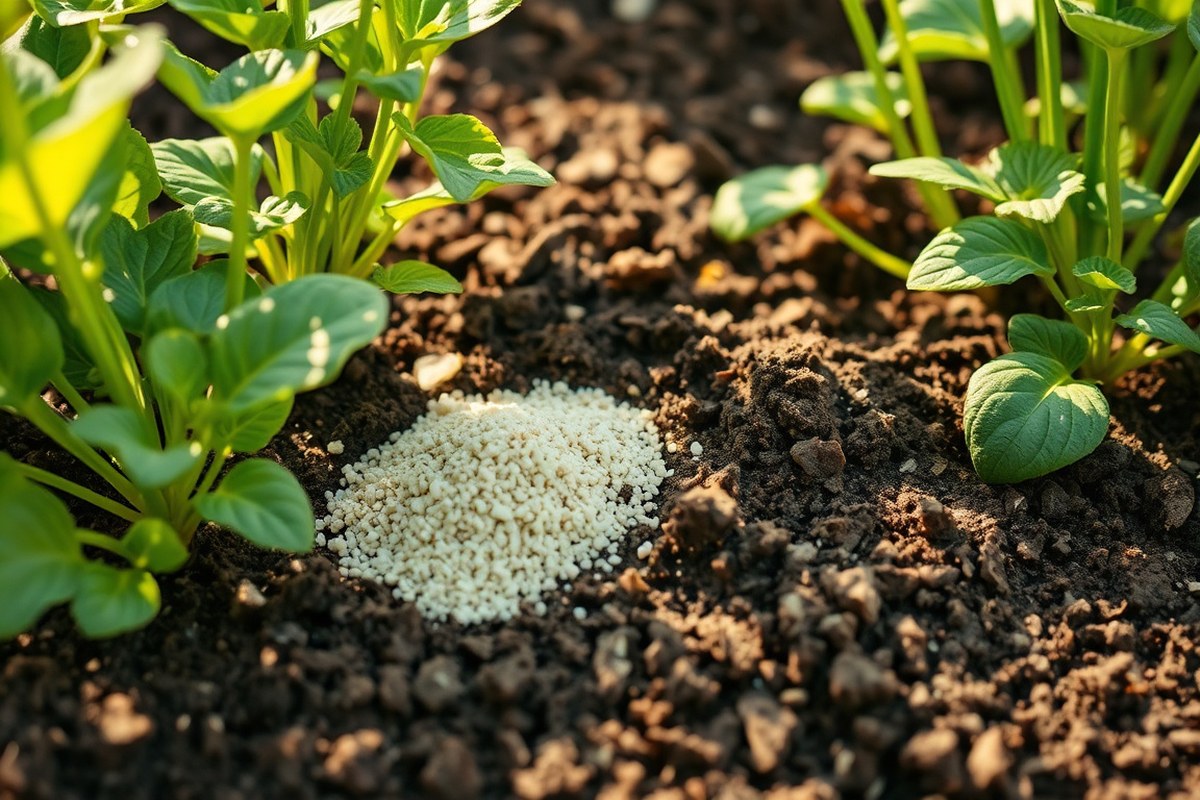
Knowing how to add phosphorus to soil helps your plants grow strong. The best way is by adding phosphorus-rich amendments like bone meal or rock phosphate. These provide a steady supply of phosphorus for healthy roots and blooms.
Check your soil’s phosphorus level before adding any fertilizer. Too much phosphorus can block other nutrients and damage plants.
Keep soil pH near 6.0 to 7.0 for best phosphorus use. Correct soil pH first to help phosphorus work well.
Add phosphorus fertilizer right before planting so plants use it quickly. It generally takes 2 to 14 days to be ready for absorption. Mix it well into the top 8 to 12 inches of soil for root access.
Key Takeaways
- Test your soil to determine if it needs more phosphorus first.
- Apply 10 to 30 pounds of phosphorus per 1,000 sq ft based on deficiency.
- Use bone meal for a quick phosphorus boost with 15% or more phosphorus.
- Keep soil pH between 6.0 and 7.0 to maximize phosphorus absorption.
- Add phosphorus amendments right before planting for fastest availability.
- Thoroughly mix phosphorus fertilizer into the upper 8 to 12 inches of soil. This ensures roots can access the nutrient easily. Proper mixing spreads phosphorus evenly for better plant growth.
1. What Are the Best Ways to Add Phosphorus to Soil?
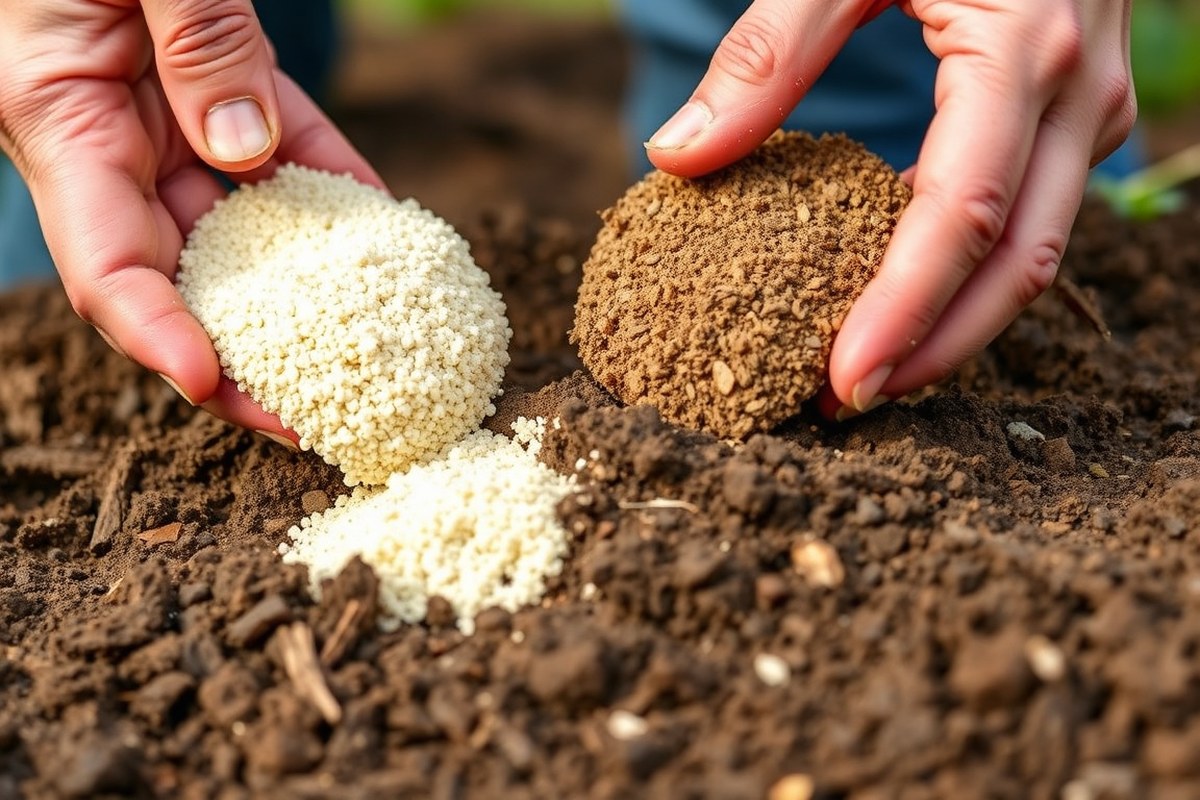
You can add phosphorus to your soil by using organic and synthetic sources. Organic ones include bone meal, rock phosphate, manure, and compost. Synthetic fertilizers offer a fast boost but require careful use to avoid excess.
Bone Meal and Fish Meal Benefits
Bone meal contains a high phosphorus level, about 15% to 27%. It releases phosphorus moderately fast, helping plants during active growth. Fish meal has similar phosphorus but also adds nitrogen, supporting leafy growth as well.
To use bone meal, mix it into soil before planting. Use about 5 pounds per 100 square feet. Fish meal comes as liquid or dry fertilizer.
Mix it into soil or spray on leaves. Both options promote steady nutrient supply over weeks.
Rock Phosphate Uses and Limits
Rock phosphate contains a high total phosphorus amount of 20% to 30%. However, only around 3% is available to plants immediately. The rest releases slowly, benefiting long-term soil fertility but not quick fixes.
Apply rock phosphate during soil preparation to beds that won’t be disturbed often. It works best in soils with pH below 7.
Phosphorus is less available in alkaline soils. Avoid needing rapid uptake from this source.
Manure and Compost Contributions
Animal manure, especially from chickens or horses, adds phosphorus and other nutrients at a moderate rate. Use well-composted manure to cut odor and reduce pathogens. Spread 1 to 2 inches as a soil top dressing or mix lightly into topsoil.
Compost improves soil structure and moisture retention but provides a lower, slower phosphorus supply. It’s best for building beds over time rather than urgent phosphorus needs. Add 2 to 3 inches during bed preparation for best effects.
Other Organic Sources and Amendments
Green manures, like cover crops, add phosphorus slowly while increasing organic matter. Coffee grounds add some phosphorus and help soil biology.
Use them moderately to avoid acidity. Wood ash adds phosphorus at low levels and can raise soil pH.
These materials help maintain soil health besides phosphorus. Incorporate them in spring or fall as a layer or worked-in amendment. Their phosphorus release varies and typically supports gradual improvement.
Synthetic Fertilizers for Fast Results
Fertilizers with high phosphorus ratios like 10-20-10 deliver phosphorus quickly to plants. They work well if soil tests show a deficiency during growing season. Measure carefully; overuse can harm plants or pollute water.
Apply synthetic fertilizer on moist soil, lightly mix on or below the surface. Avoid applying close to seeds to prevent burning. Use recommended rates based on soil tests, usually 1 to 3 pounds per 100 square feet.
Here’s a quick comparison of common phosphorus sources and their best uses.
| Source | Speed | Best Fit | Main Caution |
|---|---|---|---|
| Soluble Phosphate Fertilizer | Fastest | Deficiency during active growth | Can oversupply phosphorus, salts, or other nutrients |
| Composted Manure | Moderate and variable | Bed building plus nutrients | Risk of nutrient buildup, food safety concerns |
| Plant-Based Compost | Slow and modest | Organic matter and soil structure | Usually too weak for urgent phosphorus correction |
| Bone Meal / Fish Bone Meal | Slow to moderate | Long-term soil fertility | None with proper application |
| Rock Phosphate | Slow | Long-term fertility at acidic pH | Limited availability above neutral pH |
Each phosphorus source suits a different situation. Fast-acting fertilizers fix shortages quickly. Organic sources build soil fertility over time, improving plant health and soil life.
2. How Long Does Phosphorus Take to Become Available in Soil?
Phosphorus from commercial fertilizers usually becomes available within 2 to 14 days after application. That means you can apply these fertilizers just before planting or even at planting time. Bone meal and rock phosphate release phosphorus slowly.
This process takes months or even years. They act much more slowly than other sources.
Bone meal has 15 to 27 percent phosphorus. It works best mixed in the top few inches. Add it during soil preparation.
Apply bone meal in fall or early spring. This timing helps phosphorus get ready. Plants will use it when they start growing.
Rock phosphate contains up to 20 percent phosphorus and lasts longer. So you don’t need to add it every year.
Phosphorus applied in the fall can stay in the soil for up to six months. This timing gives you more flexibility. You can improve soil for next season.
It helps plan your planting schedule better. Up to 80 percent of phosphorus can bind to soil. This binding makes the phosphorus unavailable to plants.
Keep this in mind when adding phosphorus. So adding the right amount is important.
Don’t rely on bone meal to quickly fix phosphorus in alkaline soil. It releases phosphorus slowly and works best in soils with pH below neutral.
3. Why Testing Soil Phosphorus and pH Matters First
Testing your soil’s phosphorus level and pH before adding any phosphorus is key. It helps you avoid wasting resources or harming your plants. Knowing these numbers lets you apply the right amount, saving money and keeping your garden healthy.
Collecting and Preparing Soil Samples
Getting a good soil sample is the first step for accurate phosphorus testing. You need a sample that truly shows your garden’s soil. So avoid spots that look different from the rest.
- Choose several spots around your garden for sampling, not just one.
- Dig to about 6 inches deep to collect soil, which is where roots grow.
- Take small amounts from each spot to make a combined sample.
- Mix the soil thoroughly in a clean container to get an even sample.
- Remove any roots, rocks, or debris from the mixed soil.
- Let the soil dry at room temperature before sending or testing.
- Fill your test kit bag or lab container with about 1 cup of dry soil.
Following these steps gives a soil sample that reflects what your plants experience. Moist or clumpy soil can skew results, so drying helps accuracy.
Interpreting Phosphorus Test Results
Soil tests report phosphorus in parts per million (ppm) or as an index number. Most labs give you a range to know if phosphorus is low, adequate, or high.
Poor soil often tests below 10 ppm, indicating a phosphorus deficiency. Levels between 20 and 30 ppm typically mean the soil has enough phosphorus for most plants.
Anything above 40 ppm is generally considered high phosphorus. Over-application can lead to nutrient imbalances or environmental runoff issues.
Testing and Adjusting Soil pH
Phosphorus is easiest for plants to use when soil pH stays between 6.0 and 7.0. Outside that range, phosphorus bonds with other minerals and becomes unavailable.
If tests show your soil is more acidic than 6.0, liming can raise the pH and free up phosphorus already in the soil. Use garden lime or pelletized lime following your soil test’s recommended amount.
Don’t lime excessively if your soil pH is already above 7.0. Overliming can lock phosphorus again or harm sensitive plants. Keep pH stable for best plant growth.
4. How Much Phosphorus Should I Add Based on Soil Tests?
Start by checking your soil test report for the phosphorus level. It usually says if phosphorus is low, medium, or high.
Add phosphorus only when the report shows a need. Adding extra when phosphorus is already enough can harm your soil and plants.
Application rates depend on how low the phosphorus is and the size of your garden bed. The report may recommend pounds or kilograms of phosphorus per 1,000 square feet or per acre. You can adjust this to match your actual bed size.
Use this rule: multiply the recommended rate by your bed’s area. Then divide by 1,000 square feet. This calculation gives you the right phosphorus amount to add.
For example, a report says to add 2 pounds per 1,000 square feet. Your bed is 500 square feet. You add 2 × (500 ÷ 1,000) = 1 pound of phosphorus.
| Phosphorus Deficiency Level | Recommended Phosphorus (lbs/1,000 sq ft) | Example for 200 sq ft Bed (lbs) |
|---|---|---|
| Low | 2 to 4 | 0.4 to 0.8 |
| Medium | 1 to 2 | 0.2 to 0.4 |
| High | 0 (No addition) | 0 |
Your bed is 200 square feet and phosphorus is low. Add between 0 and the recommended amount. Adjust the phosphorus to meet your soil’s needs.4 and 0.8 pounds.
This small amount will keep plants healthy without wasting nutrients. Use a kitchen scale or garden scoop for better accuracy when measuring.
Adding too much phosphorus can cause problems like nutrient imbalance and pollution. Excess phosphorus may wash into nearby water sources, causing algae blooms. Avoid adding more than what the soil test or local extension service recommends.
Phosphorus amendments like rock phosphate release nutrients slowly. You may need to add phosphorus every year or two. This depends on the crops and soil tests you do.
Test soil regularly to know when to add more. Keep records of each application and soil test to track your garden’s health over time.
5. How to Properly Apply and Incorporate Phosphorus Amendments
Add phosphorus amendments before planting to give roots the best start. Early spring works best, right before you prepare your beds. This timing helps phosphorus become available as seedlings begin to grow.
Applying amendments too shallow can cause phosphorus to fix with surface elements and become unavailable. Dig them into the top 4 to 6 inches of soil. That depth places phosphorus close enough for roots to reach but far enough to reduce fixation.
You can either broadcast phosphorus evenly or band it in concentrated strips. Banding delivers phosphorus directly to the seed row, boosting uptake efficiency. Broadcasting works well if you plan to mix it thoroughly into the soil.
- Check the package for the recommended amount of phosphorus to apply per square foot.
- Choose a calm day to avoid losing material to wind if broadcasting.
- Spread the phosphorus amendment evenly over your garden area if broadcasting.
- Dig or till the soil down 4 to 6 inches deep. Mix the amendment well into the soil. Make sure it’s spread evenly throughout.
- Place a 2-inch-wide strip of fertilizer beside the seed line. Keep it 1 to 2 inches below and next to the seed.
- Water the soil after applying phosphorus to help it start dissolving and moving toward roots.
- Avoid applying phosphorus amendments on frozen or waterlogged soil, as this reduces uptake.
- Reapply phosphorus every 2 or 3 years as your soil test says. Phosphorus builds up slowly in soil. Follow recommendations to avoid overuse.
Applying phosphorus too close to seeds can burn them or block emergence. Keep it slightly to the side and below.
6. How Soil pH and Conditions Affect Phosphorus Availability
Phosphorus often becomes locked in soil when pH is too low or too high. Acidic soils below pH 6 make phosphorus bind with iron and aluminum. This locks phosphorus so plants cannot use it.
That causes nutrient problems in your garden soil. In alkaline soils (above pH 7.5), phosphorus binds with calcium, also locking it away.
Adjusting soil pH toward neutral, between 6 and 7, helps phosphorus stay available. You can add lime to raise soil pH in acidic soils. Use elemental sulfur to lower pH in alkaline soils.
Both adjust soil acidity for better plant growth. About 50 pounds of agricultural lime per 1,000 square feet can raise pH.
This works well in sandy soil to improve acidity levels. Adjust amounts based on your soil type.
Soil compaction limits phosphorus uptake by reducing root growth and air circulation. When soil is dense, roots struggle to reach phosphorus and other nutrients. Avoid walking on garden beds or using heavy equipment that compacts soil.
Improving soil structure with organic matter helps phosphorus move and get absorbed. Adding compost or aged manure breaks up compacted soil and increases beneficial microbial activity. Microbes release phosphorus slowly, making it easier for plants to take it in.
Practices like tilling gently or using raised beds improve phosphorus mobility by loosening soil. You can build a raised bed by layering soil and mulch. This setup improves drainage and air flow to roots.
Better soil conditions help your plants grow healthy. This encourages better root development and phosphorus uptake over time.
Adding phosphorus fertilizers without correcting pH or soil compaction won’t fix uptake issues. Check soil tests regularly and apply amendments based on results. High phosphorus tests mean you should improve soil structure instead.
Adding more phosphorus won’t help and can harm plants. Focus on soil health for best results.
In short, balancing soil pH near 6 to 7 and avoiding compaction creates the best conditions. Mixing in organic matter frequently keeps soil loose and nutrient-rich. These steps help plants access phosphorus efficiently for healthy growth.
7. How to Use Organic Soil Amendments Rich in Phosphorus
Using organic soil amendments can boost phosphorus naturally and improve soil health over time. Materials like bone meal, manure, compost, and green manures bring different phosphorus levels and benefits. Knowing which to use and how helps you add phosphorus effectively without harming plants.
Manure Types and Phosphorus Content
Chicken manure has the highest phosphorus content among common manures. It also has a high salt level, about 80% of which is absorbed quickly by soil.
Horse manure contains less phosphorus but still adds nutrients. Cow manure is lower in phosphorus but less salty.
Using manure requires care because high salt can harm plants. Spread manure a few weeks before planting and mix it well to avoid fertilizer burn. Manure works best as a steady nutrient source rather than a quick fix.
| Manure Type | Phosphorus Level | Salt Content | Notes |
|---|---|---|---|
| Chicken | High | High (~80% absorbed quickly) | Use with caution; mix well and apply early |
| Horse | Moderate | High | Good phosphorus and salt content, balanced |
| Cow | Lower | Lower | Gentler on plants, slower nutrient release |
| Pig | Moderate | Varies | Use carefully due to possible pathogens |
Choose manure type depending on your soil needs and plant sensitivity. Always compost fresh manure to reduce salt and pathogens. This step breaks down nutrients for safer use in the garden.
Green Manure Crops to Improve Phosphorus
Green manures are grown to add nutrients and improve soil structure. Buckwheat is a strong choice because it helps cycle phosphorus to the root zone. It grows fast and shades out weeds, leaving behind phosphorus-rich biomass.
Legumes like clover or vetch also improve soil by fixing nitrogen and adding organic matter. Their decayed roots and leaves release phosphorus slowly. Plant green manures in fall or before your main crop.
Mow them once grown. Till the green manures into the soil to improve fertility.
Incorporating green manures a few weeks before planting allows the phosphorus to become more available. This practice fits well in crop rotations and reduces the need for synthetic fertilizers.
Other Organic Amendments Explored
Coffee grounds provide a small amount of phosphorus but mainly improve soil structure and microbial life. Wood ash contains phosphorus. But it has variable amounts and raises soil pH, which could limit phosphorus availability if overapplied.
Finished compost adds some phosphorus and helps unlock existing soil phosphorus through better microbial activity. It’s a gentle, long-term amendment to use yearly. Avoid relying solely on coffee grounds or ash for phosphorus since their levels are inconsistent.
For steady phosphorus supply, combine these amendments with manures or green manures. Regular soil testing will guide you on how much phosphorus your soil truly needs.
8. Common Mistakes and Tips for Safe Phosphorus Management
Too much phosphorus can harm your plants and the environment. Over-application may cause nutrient imbalances that stunt root growth. It also leads to phosphorus runoff, which pollutes local waterways and triggers harmful algal blooms.
Applying phosphorus without checking your soil first is a common mistake. Soil low in phosphorus should be treated cautiously. Soil already rich in phosphorus doesn’t need more.
Regular soil tests every 2 or 3 years keep you informed. They help you track phosphorus levels accurately. This prevents you from guessing and missing important changes.
Timing also affects phosphorus use. Adding phosphorus in cold soil delays its availability to plants. Apply phosphorus early in spring when soil temps hit 50°F or above.
This timing helps plants absorb nutrients better. Avoid applying too early in cold soils. Avoid adding it right before heavy rains to prevent runoff.
- Conduct soil tests regularly to know exact phosphorus needs.
- Apply phosphorus only as recommended; do not guess or exceed rates.
- Work phosphorus into the soil to reduce runoff and fixation.
- Avoid applying phosphorus when soil is too cold or saturated.
- Use buffer strips or grass areas to catch runoff near waterways.
- Watch for soil compaction and fix it to help phosphorus uptake.
Phosphorus can bind tightly with iron, aluminum, or calcium in soil, making it unavailable to plants. This fixation depends on soil pH and conditions.
Testing soil pH helps avoid these problems, keeping phosphorus in the right form for your crops. Compost and organic matter can improve phosphorus availability by reducing fixation.
Notice poor growth even with enough phosphorus? Look for soil compaction, poor drainage, or pests first. These problems can stop plants from using nutrients properly.
Adding phosphorus won’t fix those problems and wastes money. Environmental risks also rise if phosphorus keeps building in soil. A licensed soil specialist can help diagnose complex problems and plan precise phosphorus management.
Avoid guessing phosphorus needs; too much does more damage than too little.
Step-by-Step Action Plan for Adding Phosphorus to Your Soil
Follow these steps to add the right amount of phosphorus and boost your soil health effectively. Each step helps you check results and adjust as needed.
- Before planting: Test your soil’s phosphorus level and pH. Use these results to pick the correct phosphorus amendment.
- Day 1: Apply phosphorus fertilizer or organic amendment evenly across your planting area. Look for uniform coverage with no clumps.
- Day 2: Use a garden fork or tiller to mix in the amendments. Work them into the top 4 to 6 inches of soil. This helps the soil absorb the nutrients. Soil should feel loose and mixed well.
- Week 1: Water your soil gently but deeply to help phosphorus start dissolving. Check that water soaks in without runoff.
- After 2 weeks: Check your young plants for steady growth and healthy leaves. These signs show the phosphorus is helping. Keep monitoring their progress regularly.
- Monthly: Retest soil phosphorus if using amendments long-term. Adjust your application based on these new results.
- Before next season: Add organic matter like compost to support phosphorus availability and soil health year-round.
Frequently Asked Questions
Can Animal Manure Add Phosphorus to Garden Soil Safely?
Yes, animal manure like cow or chicken manure adds phosphorus safely when composted. Composting manure reduces pathogens and makes nutrients more available for plants.
Is Bone Meal Good for Improving Soil Phosphorus Quickly?
Bone meal works well for quick phosphorus boost in soil. It has about 15% phosphorus and releases nutrients within two weeks.
How Does Soil pH Affect Phosphorus Uptake by Plants?
Plants absorb phosphorus best in slightly acidic to neutral soils. Alkaline soils can lock phosphorus, making it less available for roots.
Can Adding Too Much Phosphorus Harm My Garden Plants?
Adding too much phosphorus can harm plants by causing nutrient imbalance. Always follow soil test recommendations to avoid excess buildup.
Are Organic Composts Reliable Sources of Phosphorus?
Yes, high-quality organic compost contains phosphorus and other nutrients. It improves soil structure as well, helping plants grow healthier roots.
Does Phosphorus Leach Out of Soil Like Nitrogen Does?
Phosphorus does not leach easily and tends to stay in the topsoil. This reduces runoff but can cause buildup if over-applied.
The Bottom Line
Adding phosphorus properly helps your plants grow strong and healthy. Use soil tests to guide how much and when to apply. Start by testing your soil this week to see where your garden stands.