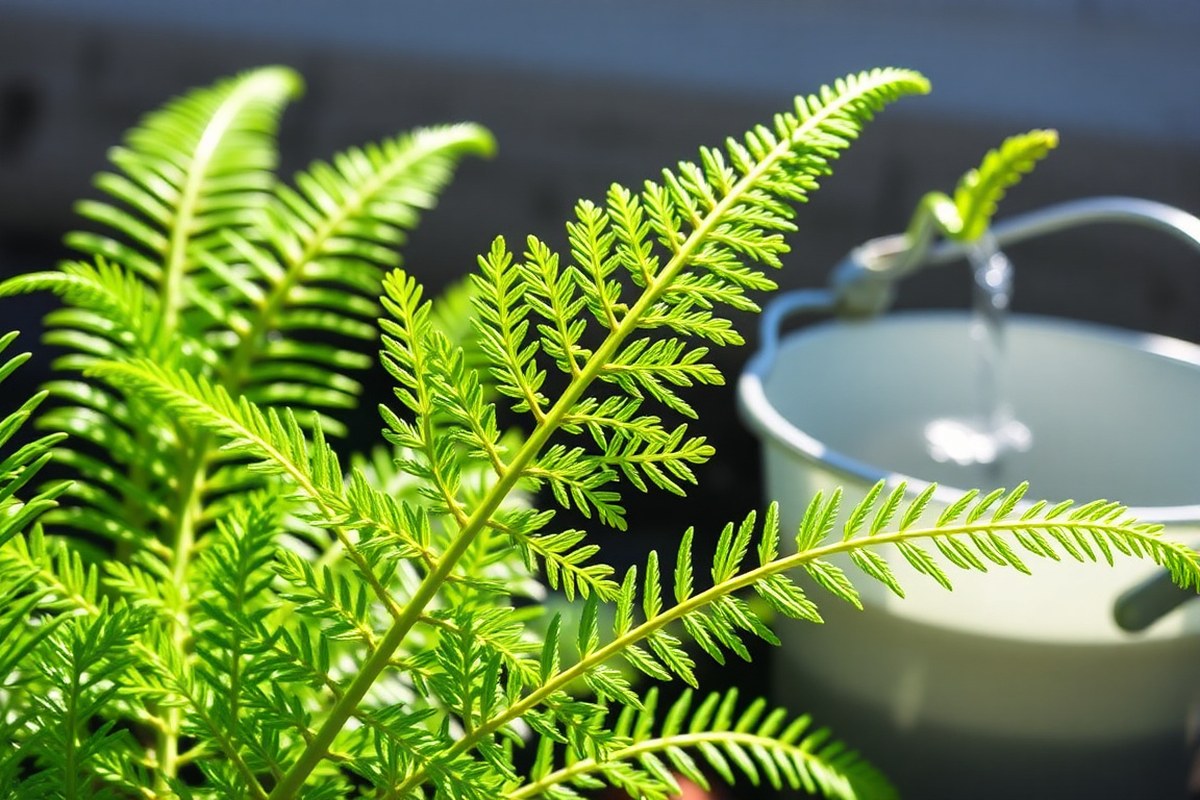
How Much Epsom Salt for Ferns: Exact Amounts and Application Tips
How much Epsom salt for ferns depends on your application method. A good rule is 1 tablespoon per gallon of water. This helps your ferns absorb nutrients evenly when watering or spraying.
Apply Epsom salt every 2 to 4 weeks during the growing season. Avoid overfeeding to prevent plant damage. Magnesium and sulfur from the salt support healthy leaf growth and a vibrant green color.
Mix the Epsom salt fully in water to prevent clumps. Use it to spray leaves or soak soil gently around the roots. This feeds your fern without causing fertilizer burn or salt buildup.
Adjust the amount for larger or older ferns but never exceed 2 tablespoons per gallon. Watch for yellowing or browning leaves to reduce feeding. Regular moderate feeding keeps ferns lush and thriving.
Key Takeaways
- Combine 1 tablespoon of Epsom salt into 1 gallon of water for your ferns.
- Apply Epsom salt solution every 2 to 4 weeks during the growing season.
- Limit soaking time to 20-30 minutes if you soak fern roots directly.
- Spray foliage monthly with 2 tablespoons Epsom salt per gallon to fix yellow leaves.
- Use Epsom salt to add magnesium and sulfur, essential nutrients for ferns.
- Avoid overusing Epsom salt to prevent leaf burn or soil imbalances.
How Much Epsom Salt Should You Use for Ferns?

Mix 1 tablespoon of Epsom salt in 1 gallon of water for most ferns. This ratio works well for watering and foliar spraying without harming the plant. You can adjust the amount slightly for different fern types or sizes.
Standard Dilution Ratios for General Use
Mix 1 tablespoon of Epsom salt in 1 gallon of lukewarm water. This feeds your ferns magnesium and sulfur safely. Use this every 4 to 6 weeks while they grow steadily.
This solution works for both watering the soil and spraying the leaves. Always water your fern before and after applying the Epsom salt solution. This helps the nutrients soak in better and avoids salt buildup.
For ferns showing magnesium deficiency, increase the dose to 2 tablespoons per gallon during active growth. Use this stronger mix only once a month and watch the plant’s response closely.
Adjusting Amounts for Sensitive Fern Species
Some ferns like Maidenhair are more sensitive to salts and require less Epsom salt. Use about 1/2 tablespoon per gallon for these delicate types to avoid leaf tip burn. Apply the solution every 6 weeks, rather than monthly.
Boston ferns can take the usual 1 tablespoon per gallon mix. Dust their leaves often to keep pores clear. This helps them breathe and stay healthy.
Staghorn ferns benefit from applying Epsom salt only in spring and summer seasons when actively growing. Adjust the dose based on fern size; smaller pots need less diluted solution.
Here’s a quick comparison:
| Fern Species | Water Volume | Epsom Salt Amount | Frequency |
|---|---|---|---|
| Boston Fern | 1 gallon | 1 tbsp | Every 4 weeks |
| Maidenhair Fern | 1 gallon | 1/2 tbsp | Every 6 weeks |
| Staghorn Fern | 1 gallon | 1 tbsp | Every 6 weeks (spring, summer) |
Choosing Between Cup vs. Gallon Measurements
Using 1 tablespoon per gallon is the simplest and clearest measurement for most gardeners. It’s easier to mix a bigger batch for multiple ferns at once. A gallon lets you water or spray several plants with consistent strength.
Pale or yellow ferns may need a quick boost. Use 1 tablespoon of Epsom salt in 1 cup of water. Apply this stronger mix carefully for faster results.
Use the smaller amount as a targeted foliar spray rather than soil watering. This helps concentrate nutrients on the leaves without risking root stress.
Remember that over-concentrating the solution can harm your fern’s roots or leaves. Measure carefully and always dilute with appropriate water volume. Gradually adjust the concentration after observing your plant’s health response.
To prepare and apply Epsom salt solution:
- Measure 1 tablespoon of pure Epsom salt using a standard tablespoon.
- Fill a container with 1 gallon of lukewarm water for general use.
- Add the Epsom salt to the water and stir until fully dissolved.
- Water your fern’s soil lightly before applying the solution.
- Pour or spray the Epsom salt solution gently onto the soil or foliage.
- Water the soil again with plain water to rinse off excess salt.
- Repeat every 4 to 6 weeks, adjusting frequency for your fern’s needs.
- Lower the dose for sensitive species or smaller pots, as needed.
How Often to Apply Epsom Salt to Keep Ferns Healthy

Apply Epsom salt to your ferns every two to four weeks during growth. Ferns need magnesium most while producing new leaves.
Use two tablespoons of Epsom salt mixed in one gallon of water. Pour this solution into the soil or soak the fern roots directly.
Stop applying Epsom salt once the growing season ends, usually in late fall. Ferns enter dormancy or slow growth in colder months.
So they don’t need extra magnesium then. Avoid applications in late fall and winter, especially if you live in cold climates.
Too frequent applications can cause salt buildup and harm your ferns. Too few can let magnesium deficiency show, slowing their growth and browning leaves. Following the 2-4 week schedule balances their magnesium needs without risking damage.
- Combine two tablespoons of Epsom salt with one gallon of water. Stir well until fully dissolved for the best results.
- Water your ferns with this solution every 2-4 weeks during spring to early fall.
- Pause applications in late fall and winter to avoid overfeeding dormant plants.
- Soak your ferns in the Epsom salt solution for 20 to 30 minutes once monthly. This helps deliver magnesium directly to the roots.
- Always dissolve the Epsom salt fully before applying.
Applying Epsom salt too often can hurt your ferns. So stick to the recommended schedule.
A regular monthly soak or watering with Epsom salt helps ferns stay lush and green. Adjust the timing if your ferns grow faster or show deficiency signs. Consistency keeps your ferns healthy and vibrant without stressing them with excess salts.
Recognizing Magnesium Deficiency Symptoms in Ferns
Look for yellowing fronds on your fern, especially between the veins. This often shows a magnesium deficiency, as magnesium helps keep leaves green. Stunted growth or pale fronds also signal your fern might need a magnesium boost.
Check the soil, too. Poor soil structure or low nutrient levels can cause these symptoms.
Ferns in pots or indoor ferns may need supplements more often. Yellowing on lower fronds with green edges usually shows low magnesium.
Some signs overlap with other problems, like nitrogen deficiency or overwatering. Nitrogen shortages cause uniform yellowing, not patchy veins.
Wilting or brown spots, for example, suggest water issues rather than magnesium shortage. Avoid guessing without a soil test.
Once you start Epsom salt treatment, you should see leaf color improve within two weeks. New growth will be greener and fronds fuller after about a month. Stop applying Epsom salt as soon as these improvements appear to avoid nutrient buildup.
Apply Epsom salt carefully, watching your plant’s response. Overuse can harm your fern by causing nutrient imbalances. Worsening yellow leaves or brown edges mean you should pause and reassess.
Use Epsom salt only if magnesium deficiency symptoms match your observations. Fern’s color or growth not better after four weeks?
Test soil or check other factors. Proper diagnosis saves time and helps your fern thrive without unnecessary fertilizer.
Applying Epsom Salt to Ferns: Soil, Foliar Spray, or Soak?
You can apply Epsom salt to ferns through soil watering, foliar spraying, or soaking. Soil watering delivers nutrients directly to roots.
Foliar sprays help leaves absorb magnesium quickly. Soaks offer a gentle treatment for stressed ferns.
Mixing Epsom Salt for Soil Watering
Use 1 tablespoon of Epsom salt per 1 gallon of water. Stir well until the salt completely dissolves for best absorption. This mix gives your ferns magnesium and sulfur for healthy growth.
Apply the solution when the soil is dry but after watering your fern well. This helps Epsom salt absorb better. Water the soil evenly, avoiding drenching the leaves.
- Fill a watering can with 1 gallon of water (room temperature).
- Add 1 tablespoon of Epsom salt to the water.
- Stir the mixture until the salt dissolves completely.
- Water your fern’s soil evenly with the mixture.
- Allow soil to dry slightly before the next watering.
Preparing Foliar Spray Solution
For a foliar spray, use a weaker mix to prevent leaf burn. Dissolve 1 teaspoon of Epsom salt in 1 quart of water. This strength is safe for misting the fronds.
Spray both sides of the fronds lightly. Apply the solution in the cool morning or late afternoon.
This helps stop evaporation and protects fern leaves. Avoid spraying in the hot midday sun.
- Pour 1 quart of water into a clean spray bottle.
- Add 1 teaspoon of Epsom salt to the water.
- Shake the bottle until the salt dissolves fully.
- Mist both upper and lower leaf surfaces of the fern.
- Avoid spraying in direct sunlight or during heat.
Soaking Ferns in Epsom Salt Bath
Soaking is a gentle way to ease fern stress and boost magnesium uptake. Use lukewarm water and mix 2 to 5 tablespoons of Epsom salt in a 5-gallon bucket. After soaking, drain the soil well before repotting.
Soak ferns once every few weeks or when leaves look dull. This step helps in slow magnesium absorption through roots and fronds.
- Fill a 5-gallon bucket with lukewarm water.
- Add 2 to 5 tablespoons of Epsom salt and stir until dissolved.
- Place the fern pot or bare roots into the water.
- Let the fern soak for 15 to 30 minutes.
- Remove and let excess water drain completely.
- Return the fern to its spot and avoid watering immediately.
How Much Epsom Salt Different Fern Species Need
Different ferns need different amounts of Epsom salt to thrive. Boston ferns usually take a higher dose because they’re hardier and grow outdoors well. Maidenhair ferns are more sensitive and prefer smaller amounts indoors or outdoors.
Adjust how often and how much you apply based on where your fern lives. Outdoor ferns handle Epsom salt once a month.
Indoor ferns get a light dose every six to eight weeks to avoid overfeeding. Rare or delicate ferns need less to avoid damage.
| Fern Species | Epsom Salt Amount | Frequency | Special Care Notes |
|---|---|---|---|
| Boston Fern | 1 tablespoon per gallon of water | Monthly (outdoor); every 6 weeks (indoor) | Good for vibrant green fronds; avoid doubling with fertilizer |
| Maidenhair Fern | ½ tablespoon per gallon of water | Every 6, 8 weeks, indoor preferred | Avoid excess salt; sensitive to overfeeding; prefers shaded spots |
| Rabbit’s Foot Fern | 1 tablespoon per 2 gallons of water | Every 6 weeks, indoor or outdoor | Moderate magnesium needs; watch for yellow tips signaling excess |
| Bird’s Nest Fern | ⅓ tablespoon per gallon of water | Every 8 weeks, typically indoor | Very sensitive; prefers low doses; keep soil moist |
| Staghorn Fern | ½ tablespoon dissolved in spray | Every 6, 8 weeks, used as foliar spray | Apply on fronds; avoid root buildup; dry environment tolerance |
Knowing how much Epsom salt your fern needs helps it grow. It also keeps the leaves bright green and healthy. Understanding species needs makes care easier for your ferns.
Always dissolve the salt fully before applying. For indoor ferns, dilute more to prevent fertilizer buildup.
Tip: Don’t use Epsom salt on the same day as magnesium fertilizers. This helps avoid giving your ferns too much magnesium. Wait before applying these products again.
Watch your fern after each application. Yellowing leaves may mean too much salt. Adjust amounts or frequency based on your fern’s response for best results.
Common Mistakes When Using Epsom Salt on Ferns (and How to Fix Them)
Using too much Epsom salt can harm your ferns by damaging their roots. It also changes the soil’s pH, which disrupts nutrient balance. This can leave your ferns weak or discolored.
Salt buildup in the soil blocks water and nutrients from reaching roots. You might see white crust or hard soil when buildup happens. To fix this, flush the soil well with plain water.
Pour about 1 to 2 gallons slowly into the pot. This helps wash away excess minerals.
Avoid applying Epsom salt in direct sunlight or high heat. The salt can burn the leaves, especially if you spray it on foliage during midday. Applying it early in the morning or late afternoon prevents leaf damage.
Don’t use Epsom salt regularly without checking your soil first. Overusing it causes more harm than good.
Instead, test your soil for magnesium levels before each application. Use Epsom salt only when magnesium is low.
Use only 1 tablespoon per gallon of water on soil. Apply it during cooler parts of the day. Flush soil if buildup shows up.
Do not sprinkle dry Epsom salt directly on dry soil without watering. This can burn roots.
Your fern’s leaves may yellow or wilt after Epsom salt use. Rinse the soil gently with water to help. Cut back on Epsom salt until your fern recovers.
Effects of overusing Epsom salt show in 1 to 2 weeks. You can reverse damage by flushing the pot. Stop using salt after signs show.
Keep in mind that potted ferns are more prone to salt buildup. Outdoors, rainfall helps reduce excess minerals. So, monitor indoor ferns closely if you use Epsom salt more than once a month.
When Not to Use Epsom Salt on Your Ferns
Newly repotted ferns should not get Epsom salt right away. Their roots are still fragile and adjusting to new soil. Adding magnesium sulfate can stress them or cause nutrient imbalance during this sensitive stage.
Epsom salt can wait until the fern shows active growth, usually after 4 to 6 weeks. That way, your fern can absorb nutrients properly without risking damage. It’s better to water with plain water in the beginning.
Applying Epsom salt during winter or dormancy periods is also unnecessary. Ferns slow down nutrient uptake in these stages.
So extra magnesium sulfate has little effect and might harm the plant. Save the treatment for spring to early fall when growth resumes.
Some fern species need more caution. Delicate types might not get much help from Epsom salt.
Some ferns already in rich soil won’t see benefits either. Overuse can create nutrient imbalances and cause leaf burn or poor health.
- Avoid Epsom salt for newly repotted ferns until roots settle
- Do not use during fern dormancy or winter months
- Limit use on fern species sensitive to nutrient imbalances
- Skip Epsom salt if soil already has sufficient magnesium
- Stop use if fern shows signs of leaf burn or stress
- Test soil magnesium levels before repeated applications
Watch how your fern reacts to magnesium sulfate to decide if you should continue. A healthy fern looks bright and deep green without brown edges on leaves. Excess or unnecessary applications show up as leaf discoloration or slowed growth.
Your best bet is to apply Epsom salt only when your fern needs it. Avoid using it in risky times or on sensitive species. That careful timing protects your fern and keeps it looking its best.
Mixing and Using Epsom Salt Safely with Other Fertilizers
You can mix Epsom salt with some fertilizers, but handle it carefully. Use warm water and dissolve the Epsom salt fully before adding other feeds. Apply Epsom salt separately or stagger applications to avoid nutrient conflicts.
Compatible Fertilizers and Supplements
Epsom salt mixes well with water-soluble fertilizers if you keep the total salt level low. Use about two tablespoons of Epsom salt for each gallon of water. Make sure the water is warm.
Add your fertilizer after mixing the salt. Avoid combining it directly with high-salt or chemical-heavy fertilizers, as this can stress your ferns.
Organic fertilizers like compost gain from Epsom salt added sometimes. It helps keep pH and magnesium balanced. This improves soil health over time.
Adding Epsom salt to compost before use can gently boost nutrients without shocking your plants. Don’t use Epsom salt as a substitute for balanced, complete fertilizers.
Timing Applications to Avoid Nutrient Imbalance
Use Epsom salt on your ferns in the morning or late afternoon. This timing helps the ferns take in the minerals properly. Don’t apply it during the hottest part of the day and wait a week after using regular fertilizer to avoid salt overload in the soil.
Separate foliar sprays from soil feedings by a few days to reduce leaf burn risk. For example, spray Epsom salt on your ferns once in the morning. Feed them with balanced fertilizer a few days later.
This helps them absorb both well. This schedule keeps nutrients balanced and avoids overwhelming your ferns.
Signs of Negative Reactions When Mixing
Watch for leaf yellowing or browning soon after mixing feeds with Epsom salt. Wilting or stunted new growth can also signal overload or salt burn. These signs suggest you applied too much or combined products poorly.
Flush your soil gently with water if you spot these symptoms to wash away excess salts. Do not mix Epsom salt closely with fertilizers rich in potassium or calcium.
This mixing could cause nutrient lockout and stop plants from absorbing nutrients. When in doubt, apply separately and test on a small area first.
Always dissolve Epsom salt completely in warm water before adding fertilizer. This stops clumps and ensures the nutrients spread evenly. Stir well to mix.
Step-by-Step Action Plan for Using Epsom Salt on Your Ferns
Follow these simple steps to give your ferns the right boost with Epsom salt. Check for good results like greener leaves and steady growth.
- Before You Start: Inspect your fern for yellowing or browning leaves. These signs might show magnesium deficiency that Epsom salt can fix.
- Week 1: Mix 1 tablespoon of Epsom salt into 1 gallon of water. Use this solution to water your fern once. Look for brighter green leaves in the following week.
- Week 3: Spray the fern leaves lightly with the same solution. Do this early in the morning to prevent leaf burn. Watch for a fresh, healthy look in leaves after a few days.
- Month 1: Use the Epsom salt mix to water your fern. Check if the fern still looks like it lacks nutrients. Repeat watering if you see deficiency signs. Avoid more than one watering per month to prevent buildup.
- Ongoing Monthly Care: Water the fern with Epsom salt every 4 to 6 weeks. Do this only during the growing season. Stop use if your fern’s growth appears normal and leaves stay vibrant.
- Check Soil pH: Test your soil if your fern isn’t improving. Epsom salt works best in slightly acidic to neutral soils. Adjust soil accordingly with help if needed.
- Adjust by Fern Type: Use 1 teaspoon per gallon for smaller ferns or delicate varieties. Increase to 2 tablespoons per gallon for larger, more strong ferns for the best results.
Frequently Asked Questions
How Much Epsom Salt Should I Dissolve per Gallon for Soaking Ferns?
Mix 1 tablespoon of Epsom salt into a gallon of water. Let your ferns soak in the solution for 20 to 30 minutes to help nutrients absorb.
Can I Apply Epsom Salt to Ferns More Than Once a Month?
It’s best to apply Epsom salt every 2 to 4 weeks during growing seasons. Applying it too often might harm the plant’s roots or leaves.
How Much Epsom Salt Do I Need for a Foliar Spray on My Ferns?
Mix 2 tablespoons of Epsom salt per gallon of water for foliar spraying. Spray once a month when ferns grow actively to fix magnesium deficiencies.
What’s the Right Amount of Epsom Salt for Newly Planted Ferns?
Use a mild mix of 1 tablespoon per gallon of water for new ferns. This helps avoid overfeeding while supporting early growth.
If My Fern’s Leaves Are Turning Yellow, How Much Epsom Salt Should I Use?
Mix 1 tablespoon of Epsom salt in 1 cup of water to treat yellow leaves. Apply carefully to bring back vibrant green color.
How Do I Adjust Epsom Salt Amounts for Different Fern Species?
Most ferns do well with 1 tablespoon per gallon every 4 to 6 weeks. Check specific fern needs as some species require less or more.
Key Points to Remember
Use about 1 tablespoon of Epsom salt per gallon once a month to keep ferns healthy. Watch your plants closely to adjust amounts safely. Start now by mixing your first solution and feel the difference in your fern’s leaves.