How to Trim a Rubber Plant: Simple Steps for Healthy Growth and Shape
Knowing how to trim a rubber plant helps keep it healthy and looking good. Start by checking for any dead, damaged, or too-long branches. Cutting these back encourages fresh growth and stops problems early.
Water your plant one or two days before trimming. This makes cutting easier. It also reduces stress on the plant.
Use clean tools to avoid spreading infections or pests between plants. Before cutting, decide the shape you want. So you can prune for neatness or fuller growth.
Handle the plant’s sap carefully; it can irritate skin and clothes. Wear gloves to protect your hands while trimming.
Wipe tools with bleach solution. This keeps you and the plant safe.
Key Takeaways
- Trim dead or damaged leaves first to improve your rubber plant’s health.
- Water the plant well one or two days before pruning for easier cutting.
- Use sharp, disinfected secateurs to make clean cuts and avoid infection.
- Wear gloves to protect your skin from the sticky, irritating sap.
- Plan your pruning cuts to shape the plant or encourage bushier growth.
- Dispose of cuttings carefully to prevent pests or diseases from spreading.
How to Trim a Rubber Plant for Health and Shape
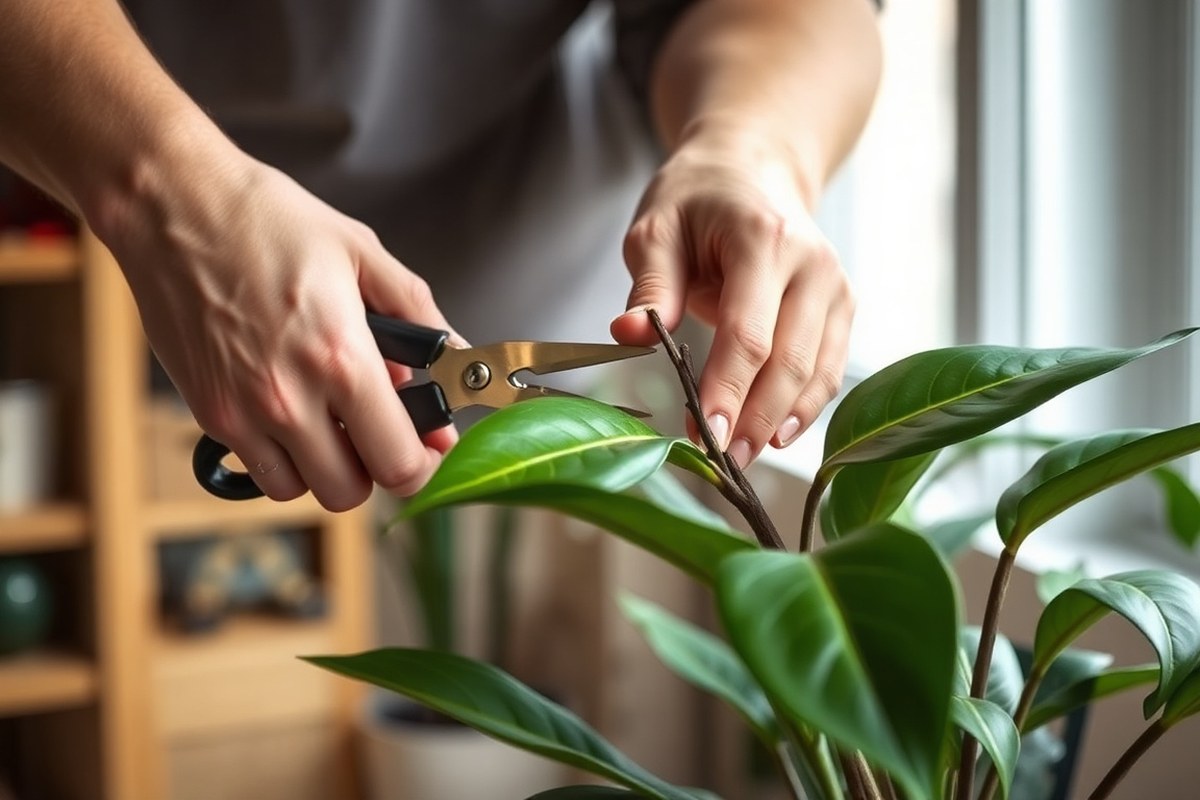
Trimming your rubber plant helps keep it healthy and looking good. It removes dead or damaged parts and shapes the plant to your space. Taking off too much at once can stress the plant, so cut carefully.
You want to cut back just 10 to 20 percent at once. Avoid removing too much in one go. This helps the plant recover quicker.
Look for leaf nodes, which are small bumps where leaves or branches grow. Always cut just above a node to encourage new growth and prevent bare stems.
- Examine the plant carefully for dead, damaged, or overly long branches. Doing this helps decide exactly where to trim first.
- Choose branches with unhealthy leaves or spots and cut them back to a healthy node. This stops disease and pest problems from spreading.
- Trim any branches that are too long or unshapely to keep your plant’s shape neat. Cut just above a growth node, not below it.
- Cut no more than 20% of the total plant at once to avoid shocking it. This helps the plant recover faster.
- Make clean, sharp cuts with good pruning scissors to avoid crushing the stems. This reduces the risk of infection.
- Check the plant’s shape and take off a few more small bits if needed for balance. Avoid heavy or uneven cuts.
- Dispose of the trimmed parts properly so no disease lingers near your plant.
Cutting above nodes often encourages your rubber plant to send out new branches near the cut. This leads to a fuller look over time.
Removing the top of a long stem can make your plant look sparse. This effect usually lasts a few weeks.
Severe cutting is riskier because your plant may take longer to regrow or look bare. Taking small, steady pruning steps means healthier regrowth and less chance of leaf drop. Your rubber plant will grow bushier where you trimmed.
Over time, it keeps a strong, balanced shape. This helps the plant look fuller and healthier.
When Is the Best Time to Prune Your Rubber Plant?
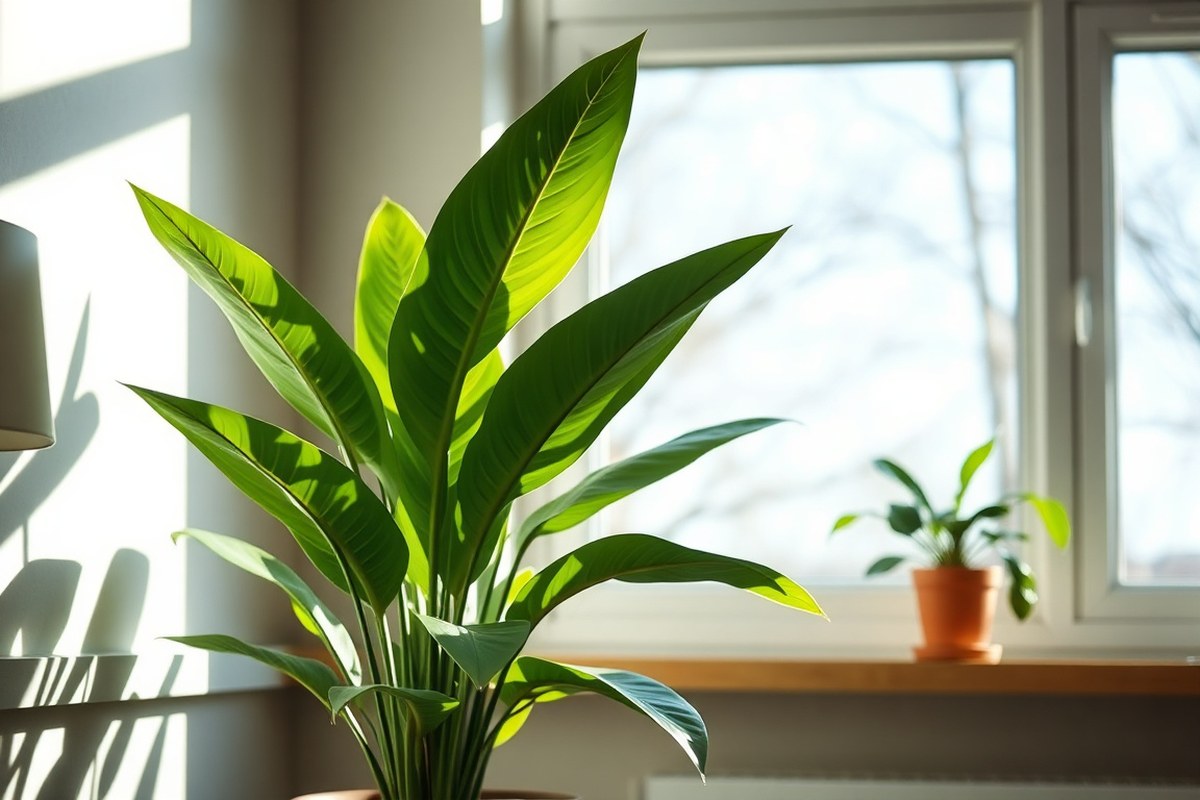
Prune your rubber plant in spring and summer for best results. This period supports quick healing after bigger cuts. You get strong branches and healthy leaves by pruning now.
You can trim off dead or unhealthy leaves anytime. But shaping the plant for growth or size works best in the warmer seasons.
In winter, the plant grows slowly and won’t recover or produce new growth as quickly. Cutting during dormancy may stress the plant and leave bare spots longer.
Pick a warm, dry day to prune your rubber plant. Make sure the leaves are fully awake. That helps the plant recover faster.
Water the plant a day or two before pruning to keep it hydrated and reduce stress. Prune during active growth to help your plant use energy wisely.
It sends energy to new shoots near the cut. This gives you fresh growth faster.
Cut leggy stems in early spring for best effect. You’ll see fresh growth in just a few weeks. This timing helps the plant bounce back well.
Waiting until late summer may slow down how soon new leaves appear. That timing affects whether your plant looks full or sparse through the year.
Don’t prune heavily in cold months; your rubber plant struggles to recover then.
Tools and Safety: Handling Rubber Plant Sap and Preparing Equipment
Trimming your rubber plant needs a few specific tools and safety steps. You’ll want clean, sharp pruning shears and gloves to protect from sticky sap. Properly cleaning your tools before and after prevents spreading germs.
Essential Pruning Tools
Sharp pruning shears are the main tool you need. They make clean cuts without crushing stems, which helps the plant heal faster. Avoid dull or rusty blades, as they can damage branches and invite infections.
Keep a small pair of scissors handy for trimming fine tips or small leaves. You might want a small brush for sap on your tools. A cloth also works well for wiping sap during pruning.
Keep your tools clean for best results. A plastic or metal tray can hold clippings as you work.
Protective Gear for Sap Exposure
Rubber plant sap is white and sticky, and it can irritate your skin. Wearing gloves made of nitrile or latex helps protect your hands.
Some people get rashes if they touch the sap barehanded. So gloves are the best guard.
Cover your arms with long sleeves to avoid sap drips. Keep a damp cloth or paper towels nearby to wipe sap off your skin right away. Avoid touching your face or eyes until you wash your hands thoroughly.
Tool Cleaning and Sterilizing
Cleaning your pruning shears before trimming stops diseases from spreading. Use warm water and mild soap to wash off dirt and sap. Dry tools fully before sterilizing for best results.
Sterilize blades by wiping with rubbing alcohol. Another way is using one part bleach with nine parts water. This helps stop infection spread.
Let the blades air dry or wipe with a clean cloth. Clean and sterilize your tools again after pruning to keep them ready for the next session.
Follow these steps to clean your tools safely:
- Rinse pruning shears under warm running water to remove sap and debris.
- Scrub blades gently with soap and a soft brush or cloth.
- Rinse soap off completely and dry tools with a clean towel.
- Apply rubbing alcohol or diluted bleach solution to blades using a cloth.
- Allow tools to air dry or wipe dry with a sterile cloth.
- Store tools in a dry, clean place to prevent rust and contamination.
Pruning Methods: Shaping Tall vs Bushy Rubber Plants
Different pruning methods suit tall, tree-like rubber plants and bushy, spreading ones. Tall plants usually need cutting back the main stem.
This helps encourage side shoots, making the plant fuller and less leggy. For bushy types, trimming some outer branches and leaf tips controls size and keeps shape tidy.
Pruning a leggy or overgrown rubber plant is possible but needs care. Cut about one-third of the tallest stems down to a healthy node.
This helps the plant grow new branches from lower points. Avoid removing more than half the plant at once, which can stress it.
| Feature | Tall (Tree-like) Rubber Plants | Bushy (Spreading) Rubber Plants |
|---|---|---|
| Pruning Goal | Encourage branching, reduce height | Maintain size, shape, and fullness |
| Cut Placement | Just above a node on main stem | Trim outer branches and leaf tips |
| Amount to Cut | Up to one-third of stem length | Prune selectively, avoid heavy cuts |
| Best Time for Pruning | Spring to early summer (active growth) | Spring to early summer or light trim anytime |
| Tools Needed | Sharp pruning shears for clean cuts | Sharp pruning shears or scissors |
| Results | Thicker, fuller plant with balanced branches | Neat shape, controlled spread, healthy growth |
To reshape an overgrown rubber plant, start by removing dead or damaged leaves first. Next, prune tall stems near nodes to boost branching.
For bushy plants, thin crowded branches carefully to improve airflow. Prune in the growing season for faster recovery.
Use clean, sharp pruning shears. Make smooth cuts angled just above nodes or leaf joints. This prevents damage and disease.
After pruning, the rubber plant can look sparse. It will grow back fuller in a few weeks.
New leaves will fill in the empty spots soon. A light fertilizer can support recovery.
Encouraging Bushier Growth Through Pruning Cuts
Prune your rubber plant just above growth nodes. Pick places where leaves are sparse. This helps encourage bushier growth.
This stops upward growth and triggers lateral shoots, filling in gaps with new branches. Target the right spots for cuts and avoid pruning too severely unless necessary.
Identifying Growth Nodes
Growth nodes are small bumps or rings on the stem where leaves or branches emerge. These also house dormant buds that will sprout new shoots after pruning. Locating these points is key; cuts just above nodes stimulate branching near those spots.
Find nodes where leaves attach to the stem. Check old branches that have no leaves. Those spots show where you can prune.
Aim your pruning shears slightly above these bumps to prompt new growth below the cut. Avoid cutting too far above a node, or the plant won’t respond well.
Choosing Lateral Cut Sites
Focus on areas where leaves or branches are thin to encourage fuller growth. Make cuts just above nodes on side stems. Avoid cutting the main upright stem.
This helps the plant grow a bushier shape. This directs energy to growing outward rather than taller.
Cut unwanted stems at their base. Snip the petiole where it joins the main trunk. This removes the stem cleanly.
This removes dead or damaged growth and helps redirect the plant’s resources to healthy parts. Avoid cutting at random spots; targeted pruning provides better results.
Follow these steps for strategic lateral pruning:
- Look for sparse areas with few leaves on side branches.
- Identify nodes near those spots by finding small bumps or leaf scars.
- Place your pruning shears slightly above a node.
- Cut cleanly and avoid crushing the stem.
- Remove any weak or damaged leaves at the same time.
- Repeat on other sparse branches to balance growth.
- Dispose of cuttings properly to prevent pests.
Pruning above the node prevents the plant from growing taller and encourages side shoots.
Balancing Severity of Pruning
Severe pruning reshapes a rubber plant fast. But cutting all at once can shock it. Do heavy pruning in stages if possible.
For bushier growth, moderate cuts focused on lateral branches usually work best. Cut back no more than one-third of the plant at a time.
When a rubber plant becomes leggy, heavier pruning can encourage multiple stems and thicker foliage. However, give the plant several weeks to recover and water it well after cutting. Avoid pruning during cold months or dormancy, as growth slows then.
Light pruning every few months keeps your plant tidy and bushy without stress. Reserve harsher cuts for early spring or summer when active growth supports recovery better. This strategy maintains fullness while minimizing risks.
Aftercare: Supporting Your Rubber Plant’s Recovery
After you trim your rubber plant, give it proper care to help new growth start. Too much water right after pruning can cause root problems. Let the soil dry a bit between waterings to keep roots healthy.
Place your plant where it gets bright but indirect sunlight. Bright light helps the plant make food and heal. Avoid moving the plant to a dark spot, which can slow recovery.
Use a balanced houseplant fertilizer once a month during the growing season. Feeding supports strong, fresh leaves and stems. Skip fertilizing if your plant looks weak or you just repotted it.
- Check soil moisture every few days, water only when dry 1-2 inches down
- Keep the plant in bright, indirect light for 4-6 weeks after pruning
- Apply a balanced liquid fertilizer diluted to half strength every 4 weeks while growing
- Watch for drooping leaves, reduce watering slightly and avoid drafts
- Remove any yellow or dead leaves to encourage healthy growth
- Keep temperatures steady around 65-75°F to prevent stress
- Check for pests, which can get worse if the plant is weak
New shoots may show in 3 to 6 weeks depending on conditions. If the plant droops or loses leaves, check if you overwatered. Less water and stable light often fix those problems.
Sometimes rubber plants look tired after pruning. That’s normal if you give them time and steady care. Avoid moving or repotting until you see fresh growth start again.
Propagation Tips Using Rubber Plant Cuttings
You can start new rubber plants from healthy cuttings taken while pruning. The best time is during the plant’s active growth phase in spring or early summer. Provide proper care and rooting conditions to help cuttings develop roots well.
Choosing Healthy Cuttings
Select stems that are firm and free from pests or damage. Choose branches that are at least 4 to 6 inches long with a few leaves attached. Cuttings should come from healthy growth, not woody or old stems.
Make your cut just below a leaf node, where roots are most likely to form. Avoid using branches that are too thin or yellowing. Cutting healthy sections increases your chance of successful propagation.
Rooting Methods: Water vs Soil
Rooting cuttings in water lets you watch roots appear and reduces failure risk. Change the water every few days to keep it fresh and clear of bacteria. Roots usually start forming in 2 to 4 weeks.
Planting directly in soil works too. But requires well-draining potting mix and careful moisture control.
Keep the soil moist but never soggy to avoid rot. You’ll know roots form when new growth begins on the cutting.
For faster rooting, you can dip the cut end in rooting hormone powder before planting. This helps stimulate root production but is not absolutely necessary.
Timing and Care for Cuttings
Take cuttings during spring or early summer when the rubber plant grows actively. This timing helps the cutting adapt and root faster. Avoid taking cuttings in winter or very hot months.
Keep your new cuttings in warm, indirect light; around 65°F to 75°F is ideal. Mist the leaves every day to keep humidity high. Use a plastic cover over the pot.
This helps keep moisture in the soil longer. Remove the cover occasionally to prevent mold.
Wait about 4 to 6 weeks before transplanting rooted cuttings into larger pots. Handle young plants gently until they build strong roots and leaves.
- Choose a healthy branch, 4 to 6 inches long with leaves.
- Cut right below a leaf node with clean, sharp scissors.
- Remove leaves from the lower half of the cutting.
- Dip the cut end in rooting hormone powder (optional).
- Place cutting in a glass of water or moist, well-draining soil.
- Keep cutting in indirect light and maintain 65°F to 75°F temperature.
- Change water every few days or keep soil moist but not soggy.
- Transplant once roots reach 1 to 2 inches long, usually after 4 to 6 weeks.
Common Pruning Mistakes and How to Avoid Them
Cutting too much at once can shock your rubber plant and slow its growth. Aim to remove no more than 20-30% of the foliage in a single session. This keeps the plant healthy and lets it recover without losing too many leaves or stems.
Not pruning your rubber plant at all lets it grow tall and leggy, with crowded branches. That leads to poor air circulation and uneven light reaching leaves. The plant looks untidy and may drop older leaves or develop weak stems.
Pruning at the wrong time, such as winter, can stress the plant and invite disease. The best moments are spring and early summer when the plant actively grows. This helps cuts heal faster and reduces sap leakage.
Another common mistake is cutting too close to the main stem or leaving jagged cuts. Use sharp tools to make clean cuts about a quarter inch above a leaf node. This encourages new growth and lowers infection risk.
Ignoring damaged or diseased branches lets problems spread and saps the plant’s energy. Always remove brown, dry, or spotted stems promptly. Dispose of cuttings away from healthy plants to avoid spreading pests or pathogens.
Some trim branches unevenly, ruining the plant’s shape. Plan your cuts before snipping to keep a balanced, attractive structure. Step back often and check symmetry from different angles.
The thick, sticky sap can be tricky to handle. Wipe it away quickly with rubbing alcohol or soapy water on your tools and skin. This prevents irritation or damage to your equipment.
Too much cutting at once can hurt your rubber plant more than help it recover. Take it slow and steady.
Step-by-Step Action Plan for Trimming Your Rubber Plant
Follow these steps to prune your rubber plant safely and help it grow well.
- Before You Start: Gather clean, sharp pruning shears and gloves. Make sure to protect your skin from the sap.
- Early Spring: Choose the main stems to trim. Cut just above a leaf node to shape the plant and encourage growth.
- Right After Pruning: Wipe the cut areas with a damp cloth to remove sap. This reduces stickiness and risk of pests.
- Within a Week: Place your plant in bright, indirect light. This supports healing and new growth after cutting.
- Two Weeks Later: Check for new shoots near your cuts. Healthy growth means your trimming worked.
- Monthly After: Remove dead or yellow leaves and snip small branches to keep the shape.
- When Ready to Propagate: Use 4- to 6-inch healthy cuttings from last pruning. Place them in water or soil to root.
- During Winter: Avoid heavy pruning to prevent stressing the plant in cooler months.
Frequently Asked Questions
Can You Prune Rubber Plants More Than Once a Year?
Yes, you can prune rubber plants multiple times annually as needed. Just avoid heavy pruning during dormant seasons to prevent stress and damage to your plant.
Do Rubber Plants Grow Back Faster After Pruning?
Rubber plants may grow back faster if pruned during the growing season. Pruning encourages new shoots, but growth speed varies by light and care conditions.
Should You Remove Yellow Leaves When Trimming a Rubber Plant?
Yes, remove yellow leaves to keep your rubber plant healthy and tidy. Yellow leaves often signal stress, disease, or old growth that needs clearing away.
How Close to the Soil Can You Trim a Rubber Plant Safely?
You can trim close to the base but leave some leaves near the soil. Cutting too low may shock the plant or slow its recovery.
Does Pruning a Rubber Plant Affect Its Sap Production?
Yes, pruning can increase sap flow temporarily from fresh cuts. Be cautious as the sap irritates skin and can cause rashes for some people.
Is It Better to Prune Rubber Plants Indoors or Outdoors?
Prune rubber plants indoors for better control over light and temperature. Outdoors pruning risks extra stress from weather or pests.
Before You Go
Trimming your rubber plant keeps it healthy and attractive. Start your next pruning session by choosing clean tools and bright light. Watch your plant’s new growth to know when to prune again.