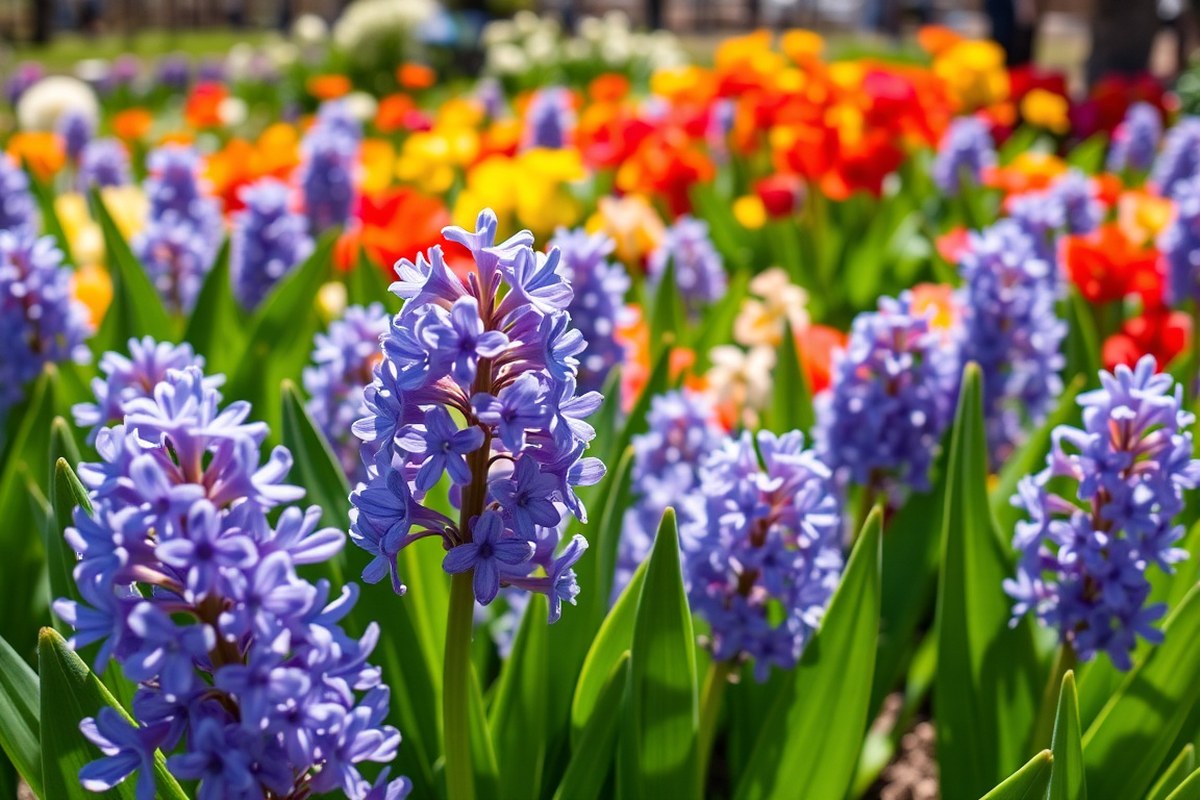
Do Hyacinths Come Back Every Year? Simple Care Tips for Reliable Blooms
Yes, hyacinths are perennials that come back every spring. They can brighten your garden season after season without replanting. Planting bulbs at the right depth helps them survive winter and bloom again.
Hyacinths grow best in cooler climates and need a winter chill to flower. Their bulbs require several weeks of cold to trigger spring blooming. They thrive in USDA Zones 4 to 8, where winters stay cold enough to keep bulbs healthy.
Plant bulbs 4 to 6 inches deep and space them 5 to 6 inches apart. Make sure the soil drains well since hyacinths dislike soggy roots. Proper planting depth and good drainage help bulbs return strong each year.
Key Takeaways
- Hyacinths are hardy perennials that return year after year in suitable climates.
- Plant bulbs 4 to 6 inches deep with the pointed end facing up.
- Space bulbs 5 to 6 inches apart to avoid overcrowding and support growth.
- Hyacinths need cold winter temperatures, ideally 10 to 14 weeks at 35°F to 48°F.
- Use well-draining soil to prevent bulb rot during wet seasons.
- They perform best in USDA Zones 4 through 8, where winters are cold enough.
Do Hyacinths Come Back Every Year in the Garden?
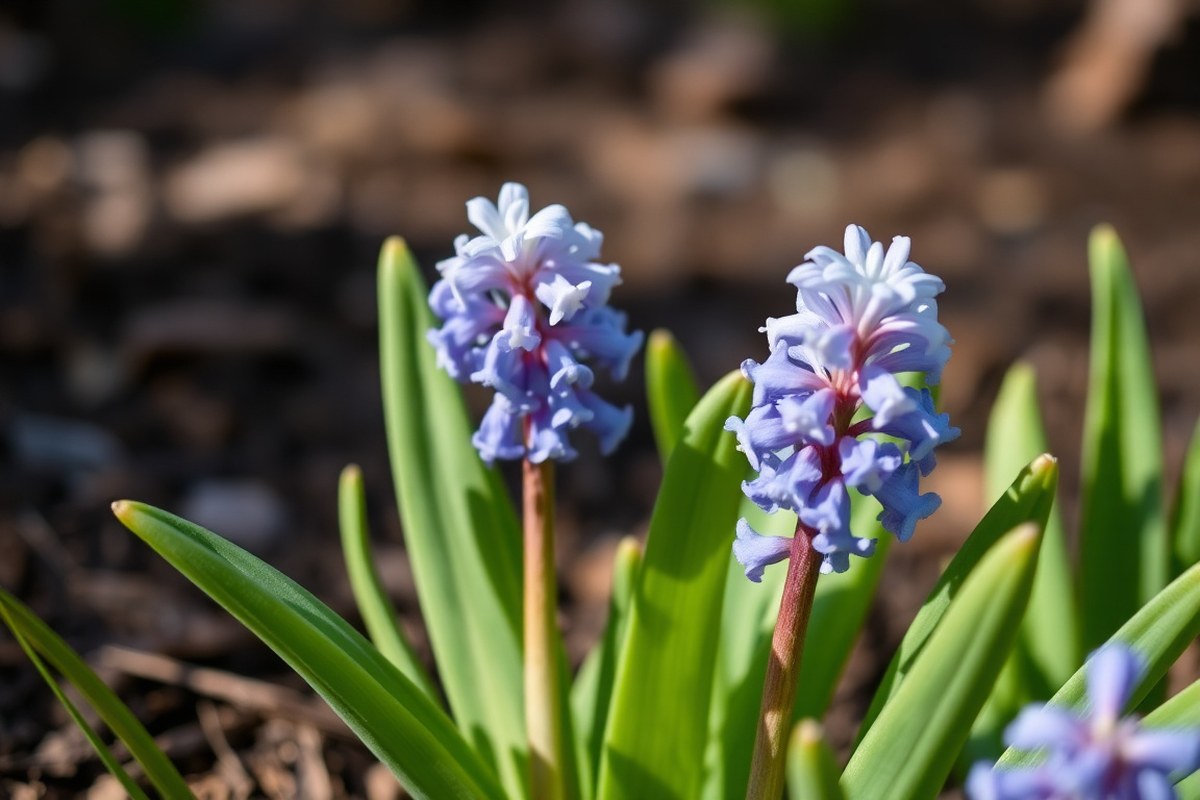
Hyacinths are perennial bulbs, meaning they do come back every year. Their bulbs survive underground through winter and sprout new flowers in spring. Typically, one flower spike grows from each bulb annually, offering a bright and fragrant display.
Under good care, a hyacinth bulb can flower for three to five years. Some bulbs last seven years or more in an ideal garden. However, their blooms often become less vibrant and fewer over time without proper attention.
Their perennial growth depends on the bulb’s natural cycle. After blooming, the plant stores energy in the bulb through its leaves.
This stored energy supports next year’s flowers. But the bulb needs enough nutrients, water, and sunlight to rebuild.
How Climate Zones and Temperature Affect Hyacinth Perennial Success
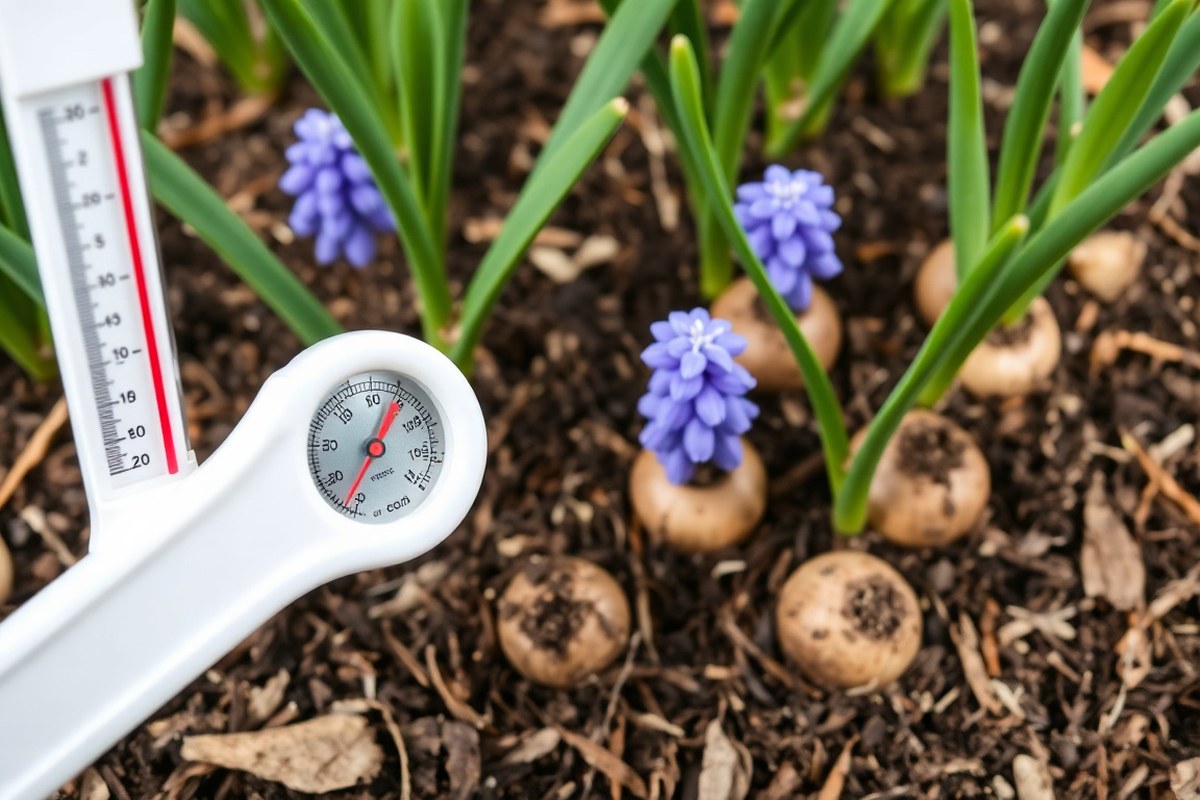
Hyacinths bloom reliably in USDA zones 4 through 8, where winters get cold enough. They need 10 to 14 weeks of chilling.
Keep temperatures between 35°F and 48°F. This warmth triggers flower buds. Without this cold period, the bulbs may sprout leaves but fail to bloom the next spring.
Winters can be too warm in zone 8 and above. Bulbs may not get enough chill there. Gardeners there lift bulbs from soil.
Then store bulbs in a fridge for 12 to 14 weeks. After chilling, they replant the bulbs.
Too cold is less of an issue for true hyacinths. They can survive underground temperatures down to 5°F. This makes cold weather safer than warm weather.
Mulching helps keep soil temperatures steady and protects bulbs during very cold spells. Good drainage also prevents summer waterlogging, which can kill dormant bulbs and stop them from returning. Bulbs gather energy below ground each year to bloom stronger the next season.
| USDA Zone | Cold Chilling (Weeks at 35°F, 48°F) | Annual Bloom Reliability | Special Care Required |
|---|---|---|---|
| 4, 7 | 10, 14 | High | Mulch for winter protection |
| 8 | Often insufficient | Moderate | Lift bulbs and chill in fridge over winter |
| 9 and above | Usually insufficient | Low | Annual bulb lifting and artificial chilling essential |
Bulbs in colder areas come out strong each spring without extra help. Warm climates need more attention to mimic natural chilling.
Chill bulbs in a fridge at about 40°F. Do this for 12 to 14 weeks after flowering ends. This helps bulbs get ready to bloom.
Cut back foliage only after it completely yellows so bulbs store enough energy for next year.
Planting Depth, Spacing, and Soil Conditions for Lasting Hyacinth Bulbs
Hyacinth bulbs grow best when planted 4 to 6 inches deep with the pointed end up. Spacing bulbs 5 to 6 inches apart helps avoid overcrowding and supports healthy clumps. Well-drained soil with a neutral to slightly acidic pH creates the right environment for lasting growth.
Preparing Soil and Adjusting pH
Hyacinths prefer soil that drains well to prevent bulb rot. Sandy loam or soil amended with compost works well for good drainage. The ideal pH should be between 6.0 and 7.0 to keep nutrients available for the bulbs.
Check soil pH with a test kit before planting. Add garden lime if the soil is too acidic.
Use sulfur if the soil tests too alkaline. But apply it carefully and only as needed.
Correct Planting Depth and Orientation
Dig holes 4 to 6 inches deep for each bulb. This depth helps protect bulbs from cold and heat. It keeps them safe in winter and summer seasons.
Plant bulbs with the pointed end facing upward so shoots can break through the soil. Planting too shallow may expose bulbs to temperature swings.
Planting bulbs deeper than 6 inches might delay or prevent growth. Use a trowel or bulb planter for uniform depth. Cover the bulbs lightly with soil and press gently.
Spacing Recommendations for Clumping Bulbs
Space bulbs about 5 to 6 inches apart. This gives them enough room to grow well. They can form healthy clusters with this spacing.
Crowded bulbs compete for water and nutrients and can reduce bloom size. Widely spaced bulbs allow air circulation, reducing disease risk.
Every 4 to 5 years, lift crowded clumps after leaves fade. Then divide them to keep blooms strong.
This prevents overcrowding in your garden. Dig carefully to avoid damaging bulbs, then replant at the proper depth with correct spacing.
Follow these steps to plant hyacinth bulbs correctly and promote good growth:
- Test soil pH and adjust with lime or sulfur if needed.
- Amend soil with compost or sand to improve drainage.
- Dig holes 4 to 6 inches deep using a bulb planter or trowel.
- Place bulbs pointed end up inside each hole.
- Space bulbs 5 to 6 inches apart for healthy clumps.
- Cover bulbs with soil and press gently to remove air pockets.
- Water bulbs well after planting to settle soil around them.
- Mark the planting area to avoid disturbing bulbs until growth starts.
Post-Bloom Care: How to Help Hyacinths Return Strong Next Year
To help hyacinths come back strong, care for the foliage well. Water the plants smartly. Feed the bulbs correctly for best results.
Keep the leaves until they turn yellow and die back. Cut back foliage two weeks after blooming ends.
Water regularly while the plant grows. Use balanced fertilizer during growth, not dormancy.
Timing for Cutting Back Foliage
Green leaves keep photosynthesizing after blooming, creating food for the bulb. Cutting leaves too soon reduces stored energy and weakens next year’s blooms. Wait until the leaves naturally yellow and die back before trimming.
Cutting two weeks after blooms fade keeps the area tidy. It also lets bulbs recover energy. About 30 to 40 percent of energy is saved.
Premature leaf removal causes many hyacinths to fail coming back strong. Once leaves are dry and brown, trim them near soil level.
Watering Schedule During Dormancy and Growth
Water hyacinths regularly during growth to support strong leaves and bulbs. Aim for deep watering once or twice a week when soil feels dry an inch down. Avoid waterlogging because bulbs can rot in soggy soil.
Once leaves die back, reduce watering gradually to allow bulbs to enter dormancy. During summer dormancy, water very little or not at all.
Only water if the soil gets extremely dry. Overwatering at this stage wastes energy and increases disease risk.
Fertilizer Types and Timing for Bulb Health
Use a balanced fertilizer with equal parts nitrogen, phosphorus, and potassium. Feed your hyacinths every three to four weeks during active growth from early spring to bloom. This encourages leaf health and builds up the bulb’s nutrient reserves.
Do not fertilize once foliage fades or during summer dormancy. Fertilizer won’t help during dormancy. It may harm bulbs by causing tender growth.
Bulbs need rest, not feeding, in this time. A slow-release bulb fertilizer costs about $10 to $15 per small bag. It works well for home gardeners.
Follow these steps for post-bloom care:
- Let leaves remain green and healthy after bloom fades.
- Cut back foliage about two weeks post-bloom when yellowing begins.
- Water deeply once or twice weekly while leaves are growing.
- Reduce watering gradually as leaves die back and stop once dormant.
- Apply balanced fertilizer every three to four weeks during active growth.
- Avoid fertilizing during dormancy in summer.
- Trim dried leaves near the base once fully brown.
Why Do Some Hyacinths Fail to Bloom After the First Year?
Hyacinths may fail to bloom after the first year because of a few common mistakes. Removing the leaves too soon can weaken the bulb. Leaves gather sunlight and store energy in the bulb for next year’s bloom.
Another problem is poor chilling. Hyacinths need cold temperatures around 35 to 48 °F. This cold phase should last about 12 to 14 weeks. It helps the bulbs prepare for blooming.
Bulbs won’t develop flowers without this cold period. This is especially true in warm zones above 9. The cold helps trigger flower growth for the next season.
Waterlogging in summer also harms dormant bulbs. Excess water causes bulbs to rot or weaken. Good drainage is key since wet soil kills bulbs faster than drought.
- Wait to cut back leaves until they turn yellow and dry naturally
- Provide 12 to 14 weeks of cold temperatures if your area is warm
- Plant hyacinths in well-draining soil to avoid waterlogging
- Use a low-nitrogen, high-potassium fertilizer after bloom finishes
- Replant or divide bulbs every 3 to 4 years as blooms fade
- Watch for signs of bulb rot, such as soft or discolored bulbs
- Adjust watering schedules to keep the soil moist but not soggy
Prematurely cutting leaves steals the bulb’s energy. The bulb can’t store enough nutrients without leaves for upkeep and flower growth. It might bloom poorly or skip flowering altogether the next year.
Overwatering in summer gives bulbs a soggy environment. This sogginess invites fungal diseases and bulb softening. When hyacinths rot, they won’t survive to bloom again.
Delay trimming leaves until they fully yellow to boost blooms next season.
For winter chill, you can refrigerate bulbs if your climate is warmer. Keep bulbs dry and away from fruit to avoid ethylene gas damage. Cooling bulbs for 12 to 14 weeks before planting ensures good flower development.
Following these steps takes some patience but helps hyacinths bloom reliably. Healthy leaves, proper chilling, and well-drained soil give bulbs the power to return strong every year.
Dividing and Lifting Hyacinth Bulbs to Maintain Flowering Vigor
You need to lift and divide hyacinth bulbs every 4 to 5 years. This keeps the clumps healthy and encourages strong flowers. Proper timing, handling, and storage are key to success.
Timing Bulb Lifting Right After Foliage Dies Back
Lift hyacinth bulbs after the leaves turn yellow and start to drop. The foliage feeds the bulbs for next year’s flowers.
So wait until it fully dies back. Usually, this happens late spring or early summer, depending on your climate zone.
In warmer zones, digging after the foliage yellows avoids cutting nutrients short. This helps bulbs build strength for storage and future blooms. Avoid lifting them while still green or alive, or bulb health suffers.
Separating and Handling Bulbs Carefully
Use a garden fork or trowel to gently lift clumps of bulbs out of the soil. Shake off excess dirt but don’t wash them.
Carefully separate bulbs by hand, avoiding bruises or damage. Damaged bulbs store poorly and may rot.
Look for smaller offset bulbs still attached to the main one. Remove these for planting in new spots.
Dividing prevents overcrowding, which can reduce flowering strength. Handle bulbs gently to keep roots and scales intact.
Proper Curing, Storage Temperature, and Humidity
Dry bulbs in a warm, airy spot out of direct sun for 2 to 3 weeks. This curing hardens the bulb outer layers and reduces rot risk. After curing, store bulbs in a cool, dark place with good air circulation.
Store bulbs in cool spots between 35°F and 50°F with 60% humidity. For zones 8 and warmer, keep bulbs in the fridge at 37°F to 48°F for 10 to 14 weeks. This cold period mimics winter and sets off dormancy correctly.
Follow these steps to divide and store hyacinth bulbs correctly:
- Wait until hyacinth foliage is completely yellow and dry.
- Loosen soil gently around the clump using a garden fork or trowel.
- Lift bulbs carefully, keeping dirt intact but not wet.
- Brush excess soil off without washing the bulbs.
- Separate bulbs by hand, removing smaller offsets for replanting.
- Lay bulbs out in a shady, airy spot to dry for 2, 3 weeks.
- Store bulbs in a cool, dark area with good air flow and 35, 50°F temperatures.
- Put bulbs in the fridge for 10 to 14 weeks before planting. This is needed in warm zones. Make sure to chill them well before fall planting.
Container Care: Do Hyacinths Return Yearly in Pots?
Hyacinths in containers don’t always come back reliably each year. Without special care, they usually fade after one or two seasons.
You can get them to return. But it takes extra attention compared to garden-planted bulbs.
Containers need good drainage to avoid soggy soil that rots the bulbs. Pick pots with drainage holes and use loose soil mixed with sand or perlite.
A bigger pot, at least 8 inches wide and deep, helps bulbs grow strong without crowding. Small pots dry out fast and limit root space, which weakens future blooms.
After blooming, cut the flower stalk but keep the leaves for about six weeks. Leaves feed the bulb to build energy for next year’s flowers. Move pots to a cool, bright spot from late spring through summer.
Let the soil dry a bit between waterings. But don’t let it go bone dry. Avoid dumping containers outside in hot sun or freezing spots without protection.
- Choose pots with drainage holes and use well-draining soil mixes
- Keep leaves after flowering for 6 weeks to feed bulbs
- Use containers at least 8 inches wide and deep for bulb health
- Move pots to bright, cool spots during the summer dormancy
- Water moderately and let soil dry between waterings
- Protect bulbs from extreme heat or cold during dormancy
- Replace or refresh soil every 1, 2 years since nutrients get used up
In containers, hyacinths often grow back to 85 to 90 percent height. They keep a similar flower density in their second year. This makes them good for reusing in pots.
They might not bloom as fully but still look nice. They usually struggle because of poor drainage or wrong watering.
Another reason could be the bulb used all its nutrients. Sometimes swapping bulbs every few years or lifting and chilling bulbs outside helps keep blooms coming.
Common Pests, Diseases, and Protection Measures for Lasting Hyacinths
Hyacinths face threats from pests like bulb mites and aphids. Bulb mites burrow into bulbs, causing rot and poor growth. Aphids suck sap and spread diseases, weakening the plants during their growth cycle.
Diseases are usually worse in wet or poorly drained soil. Fungal infections like bulb rot thrive when soil stays soggy. This rotting prevents bulbs from sprouting again and kills nearby plants.
Protecting hyacinths from frost is important once shoots emerge. Late frost can spot and damage delicate foliage, harming growth. Cover plants with frost cloths, blankets, or upside-down containers during cold nights.
- Keep soil well-drained to avoid bulb rot and frost damage.
- Use raised beds or add sand to heavy soil for better drainage.
- Inspect bulbs before planting and discard any soft or damaged ones.
- Spray aphids away with insecticidal soap or strong water jets early in spring.
- Apply neem oil or miticides for bulb mite control as advised by product labels.
- Cover hyacinth shoots during unexpected cold snaps with frost cloths.
- Avoid excessive watering, especially in fall and winter.
Giving hyacinths about 6 to 8 hours of sunlight daily reduces stress. Sunlight helps keep foliage dry, lowering disease risk. In very cold zones, improving drainage helps more than frost covers.
Always check soil moisture before watering to prevent rot. Soggy soil is worse than dry for bulbs.
Step-by-Step Action Plan to Keep Hyacinths Coming Back Every Year
Follow these clear steps to help your hyacinths bloom again next spring. Each phase checks how your bulbs are doing and guides your care.
- After Blooming: Cut off flower heads but keep leaves green. Healthy leaves help bulbs store food for next year.
- Late Summer: Stop watering when leaves yellow and die back. Dry leaves mean bulbs are resting.
- Early Fall: Check soil for bulb firmness. Firm, plump bulbs are ready for next season.
- Before First Frost: Apply a 2-inch layer of mulch. Mulch protects bulbs from harsh freezes.
- Early Spring: Remove mulch slowly as shoots appear. This warms soil and promotes growth.
- Planting Day: Plant bulbs 4-6 inches deep with 3-4 inches spacing. Proper depth and spacing prevent rot and overcrowding.
- After Planting: Water well the first week. Moist soil encourages roots to grow.
- Spring Bloom Time: Watch for pests and remove spotted or damaged leaves. Keeping plants clean supports healthy blooms.
Frequently Asked Questions
How Long Do Hyacinths Typically Bloom Each Spring?
Hyacinth blooms last about two weeks in spring. Cooler temperatures can stretch their blooming time slightly.
Can Hyacinths Naturalize in a Garden Without Replanting?
Yes, hyacinths can naturalize by spreading bulbs slowly over years. They form clusters that spread if the soil suits them well.
What Is the Best Time to Plant Hyacinth Bulbs for Perennial Growth?
Plant hyacinth bulbs in the fall, about six weeks before frost. This timing helps roots develop before winter sets in.
Are There Specific Fertilizers That Improve Hyacinth Bulb Longevity?
A balanced fertilizer in fall helps bulbs store energy for next year. Avoid too much nitrogen, which can weaken flower production.
Do Deer or Rabbits Affect Hyacinth’s Ability to Return Yearly?
Deer and rabbits generally avoid hyacinths because of their smell. However, protecting bulbs from rodents is still a good idea.
Does Mulch Affect Hyacinth Bulb Survival Through Winter?
Mulching helps protect bulbs from temperature swings during winter. Use a thin layer to keep soil moist but avoid rot risk.
Before You Go
Hyacinths can come back every year if you care for their bulbs well. Watch their leaf health and soil conditions closely. Now’s the time to check your bulbs and plan for fall care to get blooms next spring.