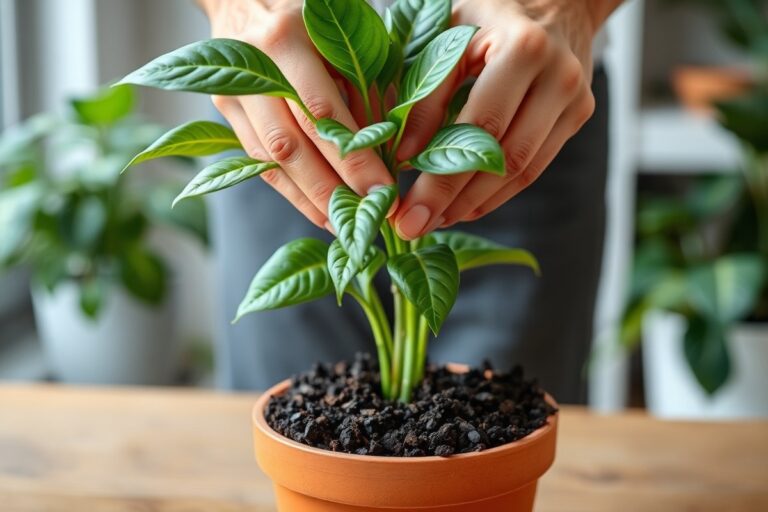
How Do You Care for Coleus Plants a Complete Guide with Proven Tips
How do you care for coleus plants? The key is giving them bright, indirect light and keeping their soil moist but not soggy.
These plants thrive in temperatures between 65 and 75 degrees Fahrenheit and prefer a humid environment. Avoid placing them in spots with cold drafts or sudden temperature changes, as they do not handle stress well.
Start by planting coleus in well-drained soil that stays consistently damp. Avoid direct afternoon sun, which can scorch their colorful leaves.
A few hours of morning or late afternoon sun are best. Using a light mulch can help maintain soil moisture and keep roots cool.
Space multiple plants about 12 inches apart to allow good air circulation and reduce disease risk. Regularly pinch back stems to encourage bushier growth and prevent legginess. With proper care, coleus can grow up to three feet tall, especially in large containers where roots have room.
Key Takeaways
- Keep soil consistently moist but avoid waterlogged conditions to prevent root rot.
- Place coleus plants in bright, indirect light with 3-6 hours of morning sun.
- Maintain temperatures between 65°F and 75°F for healthy growth and color.
- Space plants at least 12 inches apart for better airflow and less disease.
- Use well-drained, moist soil to support coleus roots and prevent fungus.
- Increase humidity around indoor coleus to 50%-70% for best leaf health.
Essential Growing Conditions for Healthy Coleus

Coleus plants thrive best with bright, indirect light indoors and partial shade outdoors. Too much direct sun can cause leaf scorch, dulling their vibrant colors.
In shadier spots, colors stay bold but growth may slow. So choose a spot with filtered light for the best balance.
Warm temperatures between 60 and 75 degrees Fahrenheit suit coleus well. They do not tolerate frost or cold drafts and can suffer damage below 50 degrees.
When outdoor temps drop below 60°F at night, move plants inside. Or cover garden beds to keep them warm.
Humidity should be moderate to high for coleus plants. Aim for 50% to 70% humidity indoors. Mist leaves or use a pebble tray.
Place the tray with water under the pot. Outdoors, 40% to 50% humidity is generally enough. But dry air may cause leaf edges to brown.
Soil needs to be rich, loose, and well-draining to avoid soggy roots. A potting mix with organic matter like compost works great. Planting outside?
Mix garden soil with peat moss or leaf mold. This improves drainage and fertility.
Checking soil temperature before planting outdoors helps. It must stay above 60°F for roots to establish. In cooler seasons, you can start coleus indoors in pots where you control warmth and light.
Adjust care with the seasons. In summer, partial shade and regular misting support vibrant colors and healthy leaves.
In winter, keep indoor coleus away from cold windows. Raise humidity to stop leaves from dropping.
Watering Coleus Plants: How Much and When to Water

Water coleus plants to keep their soil evenly moist but not soggy. Indoor plants usually need watering once or twice a week. Outdoor coleus in containers need daily watering in hot weather.
This helps prevent drought stress. It also lowers the risk of root rot.
How Often to Water Indoor Coleus
Indoor coleus plants need water when the top 1 inch of soil feels dry. Check soil moisture twice a week. Water thoroughly until water drains from the pot’s bottom.
Because indoor air can be dry, coleus may need water more often in summer. Adjust based on humidity and room temperature. Avoid sitting pots in water to prevent root rot.
Watering Outdoor and Container Coleus
Outdoor coleus plants need more water in warm, sunny weather. Check soil daily, especially in containers. Pots dry out faster, so water once or twice daily on hot days.
Use pots with drainage holes to stop water from pooling. Larger pots hold moisture longer, so water less often. Smaller pots dry quickly and will need frequent watering.
Signs of Overwatering and Underwatering
Yellow, wilted leaves that feel soft often mean too much water. Soil that stays wet for days invites root rot. Cut back watering and improve drainage.
Wilted, dry leaves or crisp edges show underwatering. Dry soil pulls away from pot sides. Increase watering frequency but avoid soaking soil.
Adjusting Watering by Pot Size and Weather
Small pots can dry out in a few hours under the sun, so water more often. Large pots hold water longer, so water only when soil surface feels dry.
During hot, dry weather, increase watering for both indoor and outdoor coleus. Rain or cooler weather means watering less. Observe soil moisture rather than sticking to a schedule.
Proper Watering Steps for Coleus
Follow these steps to water coleus plants properly. Adjust as needed for pot size and weather conditions.
- Check soil moisture by touching the top 1 inch of soil.
- Water only if soil feels dry, not wet or damp.
- Use room-temperature water for better absorption.
- Water slowly until drainage holes release excess water.
- Empty saucers under pots to avoid standing water.
- Repeat soil moisture checks frequently, increasing in hot weather.
- Reduce watering during cooler or rainy days.
Tip: Water early in the day to allow leaves to dry and prevent fungal issues.
Propagating Coleus: Step-by-Step from Cuttings and Seeds
Propagating coleus is easy by using stem cuttings or starting seeds indoors. Cuttings start rooting in water in 2 to 3 weeks. This method helps you grow more plants fast.
It’s a simple way to multiply coleus plants. Start seeds indoors about two months before the last frost.
This gives them a strong head start. It helps seedlings grow well before outdoor planting.
How to Take Stem Cuttings for Propagation
Choose healthy coleus stems free of pests and disease. Take cuttings 3 or 4 inches long for best results.
Include at least one leaf node for roots to develop. Roots will grow from this node.
Follow these steps to get your cuttings ready for rooting:
- Cut a stem just below a leaf node using clean scissors.
- Remove the lower leaves, leaving a few on top.
- Place the cutting in a glass of clean water.
- Set the glass in bright, indirect light away from direct sun.
- Change the water every few days to prevent rot or algae buildup.
- Wait 2 to 3 weeks for roots about 1 to 2 inches long to develop.
- Transfer roots to moist potting soil once established.
Taking cuttings before the first frost gives roots time to develop. Warm indoor temperatures between 60 and 85°F help roots grow fast. Avoid letting water sit too long to prevent stem rot.
Starting Coleus from Seed Indoors
Start coleus seeds indoors around 8 weeks before your last expected frost date. Seeds are small and germinate best in warm, moist conditions. Here is how to start coleus seeds:
- Fill a seed tray or small pots with a seed-starting mix.
- Scatter seeds evenly over the surface; don’t cover them with soil.
- Lightly mist the soil to moisten without soaking it.
- Keep the tray or pots in a warm spot, ideally 70 to 75°F.
- Maintain consistent moisture by misting or covering with plastic wrap.
- Expect germination within 7 to 14 days.
- Remove plastic after seedlings emerge to avoid mold.
- Thin seedlings to one strong plant per pot once they have their first true leaves.
Slow germination most often comes from cool soil or dry conditions. Warmth and steady moisture speed up sprouting. Once seedlings appear, don’t let soil stay soggy to prevent rot.
Caring for Newly Rooted and Seeded Plants
New coleus plants from cuttings or seed need gentle care to thrive. Keep them in bright, indirect light with warm temperatures. These tips help young plants grow strong:
- Only water when the top inch of soil is dry. Avoid keeping soil too wet or soggy to protect roots. This prevents root rot and keeps plants healthy.
- Pinch off stem tips on young plants to encourage bushier growth.
- Allow good air circulation around plants to prevent stem or root rot.
- Transplant seedlings or rooted cuttings into larger pots as they grow.
Roots look healthy when white and firm. Dark, mushy roots signal rot from too much water. Avoid direct hot sun on seedlings to prevent leaf burn and slow growth.
Planting and Spacing Coleus Outdoors and in Containers
Plant coleus outdoors only after nighttime temperatures stay above 60 degrees F. This usually happens a couple of weeks after your last frost date. Planting too early risks cold damage that can stunt or kill the coleus.
Space your coleus about 12 to 18 inches apart. This gives each one enough air circulation to prevent diseases and allows room to grow. Crowded plants often have wilting leaves or fungal problems.
Prepare soil by loosening it and mixing in organic matter like compost. Coleus prefers fertile, well-draining soil to avoid soggy roots. Good soil helps roots spread and builds stronger plants that resist pests better.
For container coleus, pick pots with drainage holes to prevent waterlogging. Use a light potting mix designed for containers. A mix with peat and perlite works well to hold moisture but drain excess water.
Using the ‘thriller, filler, spiller’ method helps make container displays pop. Let coleus be your upright thriller in the center. Surround it with filler plants for ground cover and add trailing spillers over the pot edges.
Gently loosen coleus roots before planting. Keep the top of roots even with the soil. Planting too deep leads to rot and slow growth.
Water your newly planted coleus well to settle the soil around roots. Keep soil moist but not soaked. Let the soil dry some between watering.
This prevents root rot. It’s especially important for container plants that drain quickly.
Pruning and Pinching to improve Coleus Growth and Color
Pinching and pruning coleus plants regularly keeps them bushy and full. Removing flower spikes helps the plant use energy to grow colorful leaves instead of blooms.
The best time for pruning is during spring and summer when the plant grows actively. But you can prune anytime if needed.
Pinching means pinching off the stem tips just above a leaf node. This encourages the plant to branch.
Pruning involves cutting back leggy or overgrown stems to maintain shape and vigor. Aim to prune every few weeks during the growing season for the best results.
Follow these steps to prune and pinch your coleus properly:
- Inspect the plant and identify leggy or weak stems.
- Pinch stem tips just above a leaf pair. Use your thumb and finger. This helps make new branches grow.
- Use clean scissors or pruners to cut tall stems. Cut back scraggly growth. This keeps plants looking neat.
- Remove any flower spikes as soon as you see them to redirect energy to leaf growth.
- Trim back about one-third of the plant’s height to keep its shape and compact form.
- Dispose of pruned material to prevent pests and diseases.
- Repeat pinching every 2 to 3 weeks during the growing season for bushier results.
Pinch flower spikes early; leaving them wastes energy you want for bright, fuller leaves.
Pinching often creates fuller plants with more intense leaf colors by promoting new leaf growth. Pruning prevents the plant from looking leggy or bare. Waiting too long to prune can make the plant tall.
It may lose its nice shape. Prune regularly to avoid this. You can do light pruning anytime, but heavy cuts suit spring and summer best.
Indoor coleus or plants in low light need gentle pruning. Do it more often to keep them compact. Pruning helps maintain a full shape.
Outdoor plants in rich soil grow quickly and may need pruning more frequently. Proper pruning and pinching let your coleus maintain its vivid colors and shape all season long.
Identifying and Managing Coleus Pests and Diseases
Coleus plants usually resist pests well but watch out for a few common ones. Aphids, spider mites, mealybugs, and whiteflies sometimes appear. You spot these by checking for tiny insects on the leaves or webbing between stems.
Fungal and bacterial diseases are rarer but still possible. Powdery mildew and root rot can affect coleus if conditions get too damp or crowded. Keeping soil well-drained and not overwatering helps stop these problems before they start.
Use organic methods first to control pests if possible. Spray soapy water or neem oil every few days to reduce insects. If pests stick around, chemical insecticides made for ornamental plants can help but use carefully and follow label instructions.
| Pest/Disease | Symptoms | Treatments |
|---|---|---|
| Aphids | Sticky leaves, clusters of small green or black bugs | Spray with insecticidal soap; prune badly affected areas |
| Spider Mites | Fine webbing, speckled yellowing leaves | Use neem oil or miticide; increase humidity around plant |
| Mealybugs | White fuzzy patches on stems or leaf joints | Wipe with alcohol-soaked cotton; apply insecticidal soap |
| Powdery Mildew | White powdery spots on leaves; leaf distortion | Improve airflow; apply fungicide; remove affected leaves |
| Root Rot | Wilting despite watering; soft, black roots | Reduce watering; repot in fresh well-draining soil |
Keep your coleus healthy by pruning infected parts fast. Isolate sick plants so pests don’t spread. Regularly check plants, especially under leaves and near new growth.
Integrated pest management works well here. Start with good watering and ventilation. Use physical removal like pruning, then move to organic sprays.
Only try chemicals if those fail. Avoid overuse to protect beneficial insects and your plant’s health.
Overwintering Coleus Indoors and Extending Their Lifespan
Bring your coleus indoors before temperatures drop below 45 degrees Fahrenheit. Move coleus plants indoors a few weeks before the first frost. This timing protects them from cold weather.
It helps keep your plants safe. Waiting too long risks cold damage, which can kill the leaves and weaken the plant.
Choose a bright spot indoors with indirect sunlight. Coleus needs plenty of light but should avoid harsh direct rays that can scorch leaves. Keep indoor temperatures steady at about 60 degrees Fahrenheit or warmer.
This helps your coleus thrive through winter. Avoid letting the room get too cold.
Keep humidity levels moderate. Use a small humidifier to keep leaves from drying out. You can also place a tray of water near the plant.
This adds moisture to the air. Water coleus when the soil feels dry to the touch. This usually happens every 5 to 7 days indoors.
Check soil often to avoid overwatering. But adjust depending on your home’s dryness.
You can keep coleus plants in the same pots they grew in outdoors. Just bring the pots inside before cold weather arrives.
This makes the transition easier and lowers stress on the plant. Avoid repotting right before bringing them inside, unless the plant is root-bound.
Overwintering coleus indoors means they’ll grow slower or go semi-dormant. You’ll notice less vibrant leaf color and slower new growth.
That’s normal. Avoid heavy fertilizing during winter; wait until spring to start feeding again.
Once spring hits and nights stay above 60 degrees, start moving your coleus outside gradually. Let them adjust by spending a few hours outdoors each day over one to two weeks. This process, called re-hardening, helps prevent shock from outdoor sun and wind.
After winter, prune back any leggy or damaged stems before placing your coleus in the garden. This encourages bushier growth and fresh leaves. Proper indoor care helps your coleus survive the cold months.
They will brighten your garden again once it warms up. Keep caring for them well.
Popular Coleus Varieties and Their Unique Care Needs
Coleus varieties differ widely in leaf color, size, and sun needs. Some thrive in full sun while others prefer shade. Knowing these differences helps you pick the right one for your garden spot.
Black Dragon and Dark Foliage Varieties
Black Dragon coleus has striking burgundy leaves with a fishnet pattern. Its ruffled edges add texture that’s rare in other varieties. This type prefers bright shade to avoid leaf scorch from direct sun.
Dark foliage coleus generally needs protection from harsh sunlight. Too much sun can fade its rich colors and damage leaves. Plant these in spots with dappled light or morning sun only.
Bright and Sun-Tolerant Sun Coleus Types
Newer coleus cultivars like Red Hot Rio and Yellow Ruffles can handle full sun. Their vibrant colors actually brighten under direct light. These are great choices for sunny containers or garden beds.
Plant sun-tolerant varieties where they get at least 6 hours of sun daily. Morning sun with afternoon shade also works well to keep colors vivid. Watch older, shade-loving types for leaf burns if placed in such spots.
Compact and Container-Friendly Cultivars
Compact varieties grow about 12 to 18 inches tall, fitting well in containers. They often have bushy habits and colorful foliage for small garden spaces. Regular pinching encourages full, dense growth.
Compact coleus suits you if you need portable plants. They thrive in partial shade and require smaller spaces than tall types. Water containers often to keep soil damp but avoid overwatering.
Here’s a quick comparison of popular coleus varieties and their main features:
| Variety | Foliage Color | Size (Height) | Sun Tolerance | Best Placement |
|---|---|---|---|---|
| Black Dragon | Burgundy with fishnet pattern | About 2 feet | Bright shade only | Dappled shade, morning sun |
| Red Hot Rio | Bright red and green | 1.5 to 2 feet | Full sun tolerant | Sunny spots or containers |
| Yellow Ruffles | Bright yellow with ruffled edges | 1.5 feet | Full sun tolerant | Full sun or part sun |
| Wizard Series | Multiple vibrant colors | 12 to 18 inches | Full sun tolerant | Sunny containers, beds |
| Giant Leaf Coleus | Striking contrasts, large leaves | About 2 feet | Bright shade preferred | Shaded borders, partial sun |
Pick varieties for your garden based on how much sun your space gets. Shady areas suit dark-leaf types like Black Dragon. Sunny spots are perfect for Red Hot Rio and similar sun lovers.
Container growers can mix compact and sun-tolerant types on sunny patios. Adjust placement as needed: too much sun will fade shade coleus. You’ll get the boldest colors where light matches the variety’s need.
Watch out for coleus in full sun if it’s not labeled sun-tolerant. Leaves might wilt or burn quickly.
Step-by-Step Action Plan for Thriving Coleus Plants
Follow these steps to start growing coleus successfully and keep it healthy.
- Day 1: Choose a spot with bright indirect light or light shade. You’ll know it works when the leaves stay bright and vibrant without burning.
- Day 2: Plant coleus in well-draining soil or a good-quality potting mix. Check that water drains quickly after watering.
- Week 1: Water the plant thoroughly when the top inch of soil feels dry. Leaves should look fresh, not wilted or soggy.
- Week 2: Pinch or prune the top shoots to encourage bushier growth. New side stems will start growing within days.
- Week 3 to 4: Look for pests like aphids or diseases. Remove any damaged leaves and treat with natural insecticidal soap if needed.
- After 1 month: Repot coleus if roots crowd the pot. Choose a container one size bigger with drainage holes.
- Every 4 to 6 weeks: Use a balanced liquid fertilizer. Dilute it to half strength. This keeps the colors rich.
- Before cold weather: Move outdoor coleus inside. Or take cuttings to keep. Restart growth next season.
Frequently Asked Questions
How Often Should I Fertilize Coleus Plants?
Fertilize coleus plants every 4 to 6 weeks during growing season. Use a balanced, water-soluble fertilizer to support vibrant foliage and steady growth. Avoid over-fertilizing, as it can weaken the plant and reduce leaf color.
Can Coleus Grow in Full Sun, or Do They Need Shade?
Coleus plants can tolerate some sunlight but do best in partial shade. Too much direct sun may cause leaf scorch. Aim for bright, indirect light to keep colors vivid and leaves healthy.
Why Are My Coleus Leaves Turning Brown at the Edges?
Brown leaf edges usually mean your coleus is underwatered or exposed to dry air. Check soil moisture regularly and increase humidity if indoor air is dry. Avoid letting the soil dry out completely between waterings.
Can Coleus Plants Be Grown as Ground Cover?
Yes, coleus can act as colorful ground cover when spaced properly. Plant them 12 inches apart to allow for growth and airflow. This spacing prevents crowding and fungal problems.
What Does It Mean If Coleus Leaves Are Losing Their Color?
Faded leaves often show light stress or lack of nutrients. Make sure your plant gets enough light but not harsh sun. Also, feed with a mild fertilizer to boost leaf brightness.
How Do I Prevent My Coleus from Flowering Too Early?
Pinch off flower buds as soon as they appear to keep coleus foliage lush. Early flowering can divert the plant’s energy away from leaves and reduce vibrant colors. Regular pruning helps maintain the plant’s shape and health.
Key Points to Remember
Caring for coleus plants means watching their light, water, and pruning needs closely. Well-loved coleus brings vibrant colors and fullness to your garden or home. Check your plant today and give it the care it needs to thrive.