Can Def Be Used as Fertilizer a Complete Guide with Safe Mixing and Application Tips
Yes, DEF can be used as fertilizer. It contains 32.5% urea, a common nitrogen source for plants. This makes it a useful way to feed nitrogen-loving lawns and garden plants.
The urea in DEF helps plants grow green and strong. When diluted in water, it won’t burn roots if mixed properly. DEF often costs less than many commercial fertilizers, saving you money.
Test your soil first to know which nutrients it needs most. DEF mainly provides nitrogen.
So you might still need other fertilizers for phosphorus or potassium. Use the right dilution and timing to avoid overfeeding and damage.
Always mix DEF well with water for even spreading. Apply it during the growing season when plants absorb nitrogen best. This helps boost your lawn’s health and growth without extra costs.
Key Takeaways
- DEF contains 32.5% urea, which provides essential nitrogen for plants.
- Mix DEF with water properly to prevent root burn or damage.
- Apply DEF every 4 to 6 weeks during the growing season.
- DEF is often cheaper than commercial urea fertilizers but lacks extra nutrients.
- Test soil before application to match nutrient supply with plant needs.
- Use a sprayer to apply diluted DEF. Mix 24 oz in 2 gallons of water. This covers about 2,000 sq ft.
Can Diesel Exhaust Fluid (DEF) Be Used as Fertilizer?
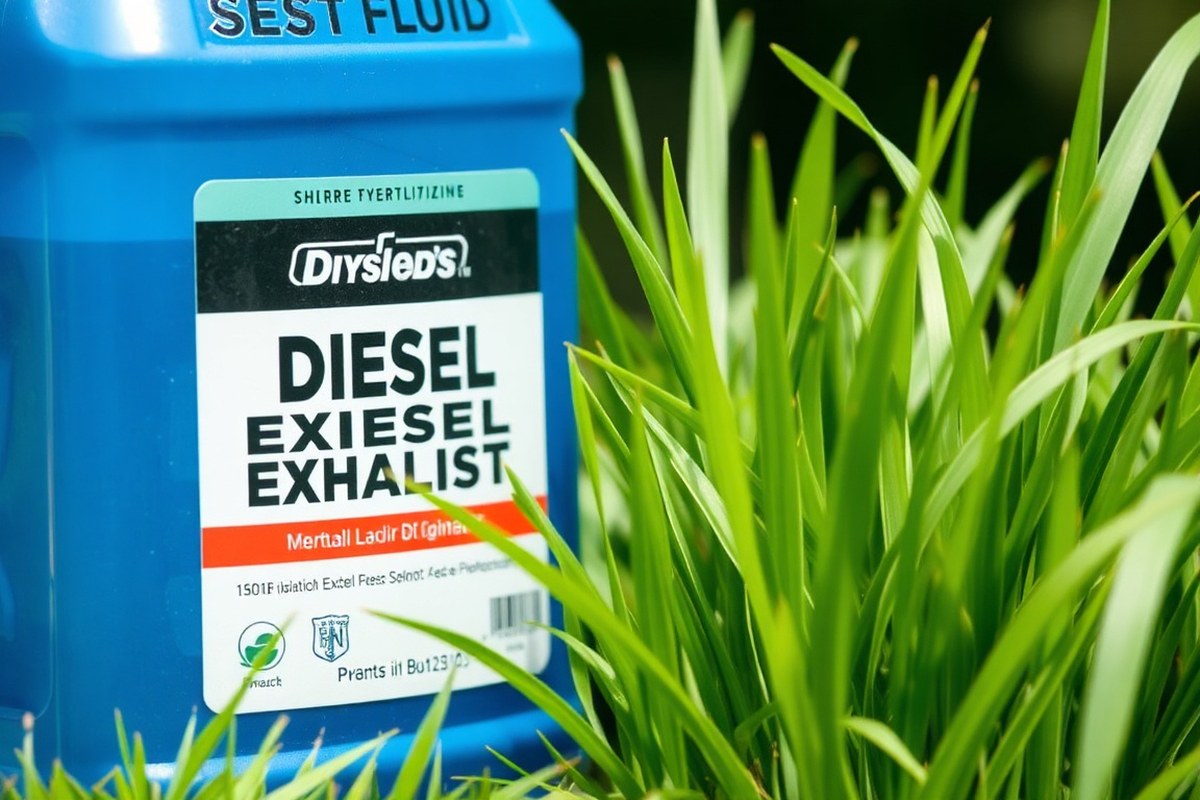
Diesel Exhaust Fluid (DEF) consists mainly of 32.5% pure urea and 67.5% deionized water. Urea is a common nitrogen source in fertilizers, essential for healthy plant growth. Because of this, DEF can provide nitrogen to plants much like regular urea fertilizers do.
DEF is highly pure, automotive-grade urea made for reducing diesel emissions, not for farming. It contains only urea and purified water. It has no additives that protect plants or soil.
Commercial fertilizers usually include those additives. This purity means it has no harmful chemicals.
It is generally safe for plants when used right. Proper application is very important.
Using DEF as fertilizer gives a cheap nitrogen source. Urea makes up about one-third of DEF’s volume. This makes DEF affordable for nitrogen needs.
However, DEF contains no phosphorus or potassium, which are important for balanced plant nutrition. For this reason, you should only use DEF alongside other fertilizers that supply those nutrients.
You need large volumes of DEF for enough nitrogen. It has less nitrogen than many commercial fertilizers. This means more product is required.
Typical urea-based fertilizers often have 46% or more nitrogen. DEF’s nitrogen content is lower by dilution. This means applying DEF might take more effort and water to avoid over-saturating soil.
DEF is safe but not tested for crops or gardens. It isn’t approved specifically for fertilizing plants. Caution is advised when using it.
Using it without care risks harming plants if you apply too much or limit needed nutrients. Always mix DEF well with water before using.
Start with small amounts to test your garden. Watch how plants react to it.
How Diesel Exhaust Fluid Provides Nutrients to Plants

Urea, the main ingredient in Diesel Exhaust Fluid (DEF), delivers nitrogen that plants need to grow. It breaks down in the soil into ammonium and nitrate, two forms plants absorb easily. This nitrogen helps plants build proteins and grow green leaves faster.
DEF contains about 32.5% urea, which means it can provide a strong nitrogen boost. However, DEF is mostly water, which lowers the effective nutrient strength compared to solid urea fertilizers. DEF also has additives like corrosion inhibitors and antifoam agents.
These protect diesel engines but do not help plants. They provide no benefits for gardening use.
These additives and DEF’s alkaline pH of 9 to 10 can harm plants. High acidity or alkalinity can stress or kill plants. Using strong DEF mixes risks damage.
DEF has no phosphorus, potassium, or other nutrients plants require. So it isn’t complete fertilizer. Using it alone can cause nutrient imbalances and soil issues over time.
Always dilute DEF heavily before using it on plants. Don’t use DEF as your only fertilizer because it misses key nutrients. Too much DEF can harm your plants.
Recommended Mixing Ratios and Application Methods for Using DEF on Lawns
Mix Diesel Exhaust Fluid (DEF) with water carefully before applying it on your lawn. The common mix ratio for foliar application is 1 part DEF to 20 parts water. Use gentler mixes for soil drenching or potted plants to avoid damage.
Choosing the Right Mixing Ratio
Mixing rates vary based on how you plan to apply the DEF. Foliar sprays need a much weaker mix than soil drenches because leaves absorb nutrients faster. Using too strong a mix can cause leaf burn or stress to the plants.
The typical dilution for foliar spraying is 1 part DEF to 20 parts water. For heavier feeding plants, dilute with more water. Use 1 part DEF to 10 parts water.
This suits soil drenching well. Container plants and sensitive species need a gentler mix.
Use 1 part DEF to 30 parts water. This keeps them safe.
Preparing the DEF Mixture Safely
Always test your mixture on a small plant or area. Wait 48 hours to watch for leaf damage like brown spots or wilting. This patch test helps avoid harming your entire lawn or garden.
Water your plants well before applying DEF. This method lowers the chance of root or leaf burn. It helps plants take in nutrients safely.
Use gentle blends. Use clean water before mixing DEF.
Put it directly into the sprayer tank. This ensures even spread.
- Wear gloves to protect skin during mixing and application.
- Measure the DEF carefully following the proper ratio (e.g., 1:20 for foliar spray).
- Add DEF to the sprayer tank filled with the correct amount of water.
- Mix or stir gently to blend the solution evenly.
- Apply the mixture to a small test area on one plant or lawn section.
- Wait 48 hours to check for any adverse reaction or damage.
- Proceed with full application once you see no damage. Continue as you planned without changes.
Applying DEF Evenly on Lawns
Use a sprayer with a wide nozzle for foliar applications over your lawn. Mixing 1 part DEF to 20 parts water covers about 1,000 square feet.
One gallon of solution lasts that far. Spray evenly without over-saturating any spot.
For example, in a 2-gallon sprayer, mix 3.2 ounces (about 6 tablespoons) of DEF with 2 gallons of water. This covers roughly 2,000 square feet of lawn.
Avoid applying in hot weather to reduce burning risk. Treat your lawn after watering or in the early morning or late afternoon.
Apply DEF to soil using a weaker mix than spray. Use 1 part DEF to 10 parts water in solution.
Spread 1/4 to 1/3 gallon per 100 square feet. This drenching feeds roots deeply but demands careful attention to avoid overuse or runoff.
Optimal Timing and Frequency for Applying DEF Fertilizer
Apply DEF fertilizer early in the season. Use it when soil temperature hits 45 °F (7 °C) or higher.
This soil warmth helps plants absorb nitrogen efficiently. Avoid applying DEF during heavy rain to prevent it from washing away and causing runoff.
Repeat DEF applications every 4 to 6 weeks throughout the growing season. This schedule maintains steady nitrogen levels for your lawn or garden. For smaller lawns, a 2.5-gallon jug of DEF usually covers the whole season at these intervals.
Choose mild weather days for applying DEF, preferably after mowing your lawn. Dry but moist soil conditions help the fertilizer soak in without washing away.
Keep an eye on soil moisture. Applying during drought or overly wet soil reduces effectiveness.
Comparing DEF Fertilizer to Commercial Urea and Other Nitrogen Sources
DEF fluid contains about 32.5% urea, providing nitrogen in a diluted liquid form. Urea granules, commonly sold as 46-0-0 fertilizer, offer 46% nitrogen in a solid form. This difference affects both how you apply and how well it works.
DEF holds less nitrogen per volume. It also has no phosphorus or potassium.
DEF often costs less than solid urea fertilizers per gallon. You can spread it easily when diluted in water.
However, because it has less nitrogen concentration, you must apply larger amounts to match urea granules. This might raise labor or water use for larger areas.
| Ingredient | DEF Fluid | Urea Granules (46-0-0) |
|---|---|---|
| Nitrogen Content | 32.5% (urea dissolved) | 46% (solid form) |
| Form | Liquid solution (urea + deionized water) | Dry granules |
| Other Nutrients | None | None (pure nitrogen) |
| Typical Cost | Lower per gallon; variable by location | Higher per pound; widely available |
| Ease of Application | Easy to mix and spray; risk of root burn if too concentrated | Requires spreading equipment; risk of clumping in wet weather |
| Effectiveness | Less concentrated; must apply more volume for same nitrogen | Highly concentrated; control over dosing |
DEF’s diluted nature means it’s less potent, ideal for smaller or controlled areas. Use care to avoid burning plants with DEF.
Garden soils often can’t handle much undiluted nitrogen. Urea granules let you dose exactly and tend to release nitrogen more predictably over time.
Use a nitrogen meter or soil test to avoid over-applying DEF and damaging roots.
For many garden uses, urea granules offer better nutrient control and stronger results. Still, DEF can be cost-effective for those who prefer liquid application and lower upfront costs. Always monitor plant response when using DEF to adjust rates and prevent nutrient imbalances.
Risks, Common Mistakes, and How to Avoid Plant Damage Using DEF
Using DEF as fertilizer can cause plant damage such as fertilizer burn. This shows as brown, brittle leaf edges or yellowing leaves from nitrogen overload.
Roots can suffer from high concentration, causing stunted growth. This can lead to the plant dying eventually.
Fertilizer burn happens when the urea and salts in DEF concentrate too much on plant roots. These chemicals draw moisture away and stress plants, similar to a sunburn.
Salt buildup dries out soil and makes it crusty. This stops water from soaking in properly.
Improper mixing and over-application are the main mistakes gardeners make with DEF. Using too strong or uneven dilution causes burnt grass patches.
It also leads to uneven growth across your lawn. Soil pH can shift too, locking out nutrients and reducing plant health over time.
- Measure DEF and water carefully; follow recommended dilution ratios exactly.
- Mix DEF thoroughly with water before applying to avoid hot spots.
- Apply in cool, calm weather to reduce rapid evaporation and concentration.
- Limit use to plants known to tolerate urea well, like some grasses.
- Monitor soil pH regularly and add lime or sulfur as needed.
- Water lawn lightly after applying DEF to dilute salts in soil.
- Store DEF between 32 °F and 120 °F to keep its quality stable.
Pay close attention to these steps to avoid burning plants with DEF. Applying too much or too often raises the salt level, harming soil structure long term. Keeping the soil balanced will help DEF safely feed your grass without damaging it.
Gardeners can prevent nutrient lockout by checking soil pH often. Plants won’t absorb DEF’s nitrogen well when soil is too acidic or alkaline. Fixing the pH with appropriate soil amendments can make a big difference for plant health.
Choosing Suitable Plants and Soil Conditions for DEF Fertilizing
You can use DEF fertilizer on some plants, but not all. Leafy greens and lawns respond well, while root crops may suffer. Soil type also matters, and DEF can cause damage if misused.
Lawns and Grasses
Lawns and grasses benefit a lot from DEF because it encourages dense, green growth. Applying a diluted DEF spray helps create a thick carpet-like turf quickly. DEF additives can hurt delicate grass.
Use them sparingly. Avoid applying too often.
For a safe approach, dilute DEF to at least 1 part DEF to 20 parts water. Test on a small lawn patch first. Avoid applying before heavy rain because runoff reduces effectiveness and can harm nearby plants.
Leafy Greens and Vegetables
Leafy greens like spinach, kale, and lettuce grow faster and greener with DEF. The urea in DEF feeds nitrogen to these plants, increasing leaf size. Using DEF on these crops can give a quick boost when you want rapid growth.
Root vegetables such as carrots and potatoes do not do well with DEF. The plants may produce large leaves but small, poor-quality roots. Avoid DEF on root crops to prevent stunting the edible part of the plant.
Flowering and Fruit-Bearing Plants
Flowering and fruit-bearing plants can use DEF carefully during their early vegetative stages. It helps promote healthy leaf and stem growth before blooms develop. Too much DEF later can reduce flowering and fruit set.
Reduce or stop DEF applications once flowers start visible buds. Fruit trees and flowering shrubs respond better to balanced fertilizers made for their needs. Excess DEF chemicals might stress these plants and harm fruit quality.
Soil Types and pH Considerations
Soils that drain well and are close to neutral pH are better for applying DEF. Heavy clay soils can hold onto DEF chemicals longer, risking buildup and plant stress. Sandy soils may leach DEF quickly, reducing nutrient use efficiency.
Check soil pH before DEF use; neutral (6.0, 7.0) encourages nutrient uptake. Soils that are too acidic or alkaline may limit nitrogen benefits from DEF. Using DEF on poor or imbalanced soils can worsen plant health rather than help it.
The following table shows which crop types benefit most or least from DEF fertilizer applications:
| Crop Category | Suitability | Effect of DEF Application |
|---|---|---|
| Leafy Greens (Spinach, Kale, Lettuce) | High | Promotes rapid growth and larger, greener leaves. |
| Lawns & Grasses | High | Creates a thick, carpet-like appearance. |
| Root Vegetables (Carrots, Potatoes) | Low | Using too much might make leaves big but roots small. This makes the plant less stable. Small roots mean weaker grass. |
| Flowering Plants | Moderate | DEF helps grass grow fast at first. Too much stops flowers from growing well. Use the right amount to balance growth and blooms. |
| Fruit-Bearing Trees | Moderate | Useful during vegetative stages; reduce use as fruit sets. |
Use leftover DEF only on crops with high or moderate suitability shown here. Avoid regular DEF use on big yards or edible plants. The additives can be harmful.
Plus, it gets costly over time. Stick to quality fertilizers made for gardening for long-term soil and plant health.
Safety, Storage, and Environmental Considerations for Using DEF in Gardens
Storing and using DEF safely in your garden needs care to avoid damage and pollution. It must stay within proper temperatures and follow transport rules. Environmental effects and legal limits also shape how you can repurpose it.
Proper Storage Conditions for DEF
DEF should be stored above 32 °F to prevent freezing and quality loss. Keep containers in shaded, cool areas to avoid direct sunlight, which can degrade the fluid. Check for rust or corrosion on containers regularly and replace damaged ones immediately.
Label containers clearly with UN numbers and safety signs if labels fade or get lost. Avoid keeping DEF near food or drinking water sources.
Use secondary containment to catch leaks. These steps help keep the fluid usable and safe around your plants and soil.
Handling and Transport Considerations
DEF is classified as hazardous for transport. So carrying it requires following strict DOT and EPA rules.
Use approved materials and keep containers upright and secure during moves. Always wear protective gloves and eyewear when handling the fluid to prevent skin or eye contact.
Transport only the amount needed for gardening tasks to reduce risk. Avoid storing large quantities in areas with temperature swings or near incompatible materials. These precautions limit accidents and keep the surrounding space safe.
Environmental Impact and Runoff Prevention
DEF contains nitrogen, which can harm water systems if runoff occurs. Avoid applying it near streams, ponds, or drains to limit pollution. Always dilute properly before applying fertilizer.
Use only the recommended amounts. This helps avoid overfertilizing and buildup of chemicals in the soil.
Setting up barriers or using mulches can reduce runoff and protect nearby water sources. Regularly test soil and local water quality to catch any contamination early. Following these tips can keep your garden greener without causing harm beyond your property.
Regulatory and Safety Tips
DEF is not approved by regulatory agencies for agricultural use, making any gardening application legally risky. Check local laws before using it to avoid fines or violations. Regulations also cover application rates, materials, and protection measures for the environment.
Always consult official guidelines or professionals before repurposing DEF as fertilizer. Being aware and cautious prevents damage, legal troubles, and supports safer gardening. Never exceed recommended doses to protect your plants and soil health.
Never store DEF below freezing or expose it to sunlight. Both damage its quality and safety.
Step-by-Step Action Plan for Using DEF as Fertilizer
Follow this plan to safely try DEF fertilizer on your lawn or garden. Watch for changes and adjust as needed.
- Before you start: Test your soil’s nitrogen levels with a kit. Healthy nitrogen means less risk of overfeeding.
- Day 1: Dilute DEF with water at a 1:10 ratio. Spray a small lawn section and observe plant reaction for 3 days.
- Week 1: Check plants for signs of stress like browning or wilting. No damage means you can proceed.
- Week 2: Apply a second diluted DEF spray on a larger area. Water the area lightly afterward to help absorption.
- Week 3: Compare treated and untreated lawn sections. Greener, healthier growth shows DEF is effective.
- Week 4: Monitor soil moisture to avoid overwatering. Adjust watering only if plants look soggy or stressed.
- Week 6: Repeat DEF application if plants show nitrogen deficiency symptoms. Stop use if any leaf damage appears.
- Ongoing: Store DEF in a cool, dry place away from direct sunlight. Always wear gloves when handling DEF.
Frequently Asked Questions
What Is the Mix Ratio for DEF as Fertilizer?
Mix DEF with water in a 1 to 3 ratio for safety. This dilutes the urea and reduces potential plant damage risks.
What Is Poor Man’s Fertilizer?
Poor man’s fertilizer often means cheap, homemade fertilizer alternatives like compost. DEF itself is sometimes called that because it’s cheaper than commercial options.
Can I Fertilize My Yard with DEF?
Yes, you can, but only if diluted properly to avoid plant damage. DEF provides nitrogen but lacks phosphorus and potassium, so use other fertilizers too.
What Do Amish Use for Fertilizer?
Amish farmers mainly use natural manure and compost as fertilizers. They rely on these organic materials for soil nutrients over synthetic products like DEF.
Does DEF Contain Harmful Additives for Plants?
Yes, DEF includes additives that protect engines but can harm plants. These may cause soil issues or damage if used frequently or in high amounts.
Is DEF Approved by Agricultural Regulatory Agencies?
No, DEF is not approved as a fertilizer by agricultural regulators. It’s designed for vehicles, so using it for plants carries risks.
Key Points to Remember
DEF can be used carefully as a fertilizer but always dilute it well. Test it on a small area before full use. Start small, watch plants closely, and adjust based on their response.