What Is NPK Fertilizer? A Complete Guide to Choosing and Using It Right
What is NPK fertilizer? It’s a type of fertilizer showing the amounts of nitrogen, phosphorus, and potassium.
These three nutrients are key for healthy plant growth. NPK numbers on a package tell you what percentage of each nutrient is inside.
For example, a 10-5-5 fertilizer has 10% nitrogen, 5% phosphorus, and 5% potassium. Nitrogen helps leaves grow, phosphorus supports roots, and potassium boosts overall plant health. Knowing these numbers helps you pick the right fertilizer for your plants.
Start by checking your plants’ needs and soil condition before choosing an NPK ratio. Apply fertilizer carefully to avoid burning plants or wasting nutrients. Using the right type and amount of NPK fertilizer can really help your garden thrive.
Key Takeaways
- NPK fertilizer numbers represent nitrogen, phosphorus, and potassium percentages.
- Nitrogen promotes leaf growth while phosphorus strengthens roots.
- Potassium supports overall plant health and stress resistance.
- Choose fertilizer ratios based on specific plant needs and soil tests.
- Apply fertilizer evenly to avoid damaging plants or soil.
- Use balanced fertilizers like 10-10-10 for most vegetables.
What Is NPK Fertilizer and What Do Its Numbers Mean?
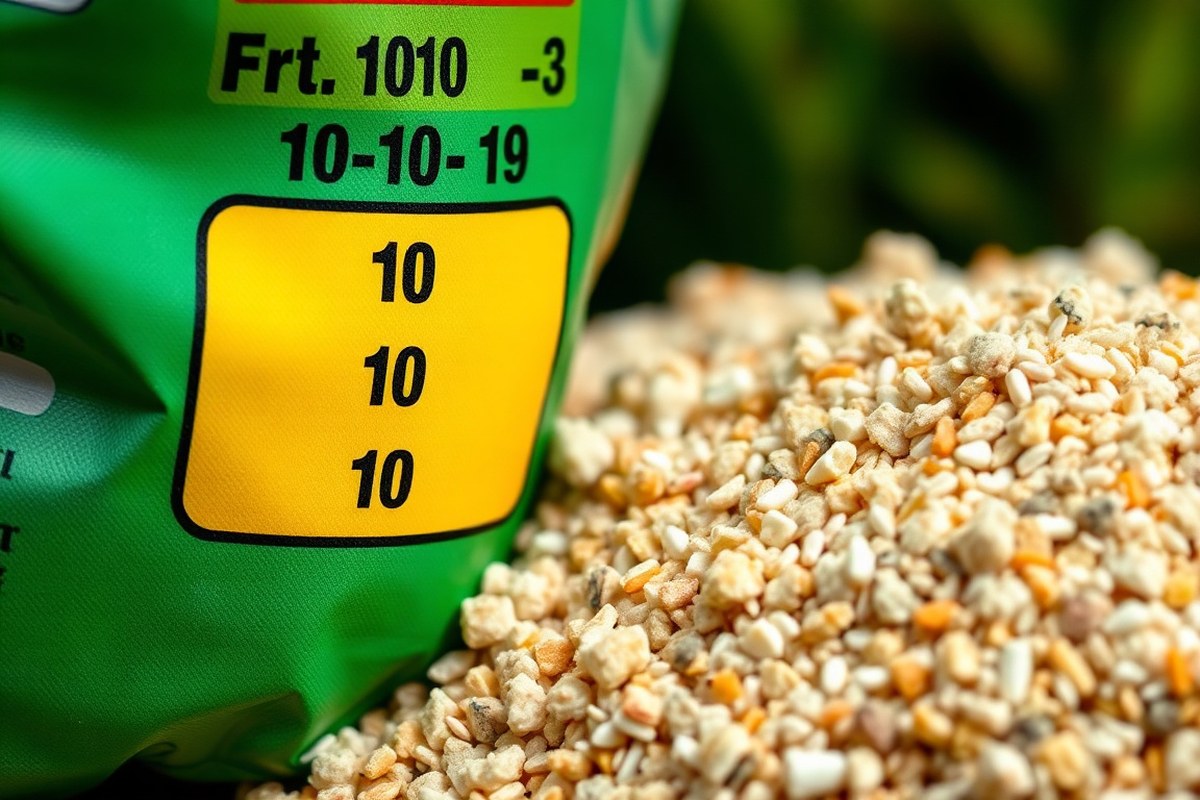
NPK fertilizer has three key nutrients: nitrogen, phosphorus, and potassium. These support different parts of the plant’s growth and health. Their letters come from the chemical symbols N, P, and K.
The numbers on NPK fertilizer show nutrient percentages by weight. For example, 10-5-5 means 10% nitrogen and 5% phosphorus and potassium. So, nitrogen is twice as much as each of the other two nutrients.
Nitrogen helps plants grow leaves and stems. Phosphorus supports root and flower growth. Potassium improves overall plant health and strength.
The mix you choose depends on what your plants need most. The label numbers make it easy to pick the right nutrient ratio.
To read your fertilizer label, look for three numbers separated by dashes, like 20-10-10. The first number is nitrogen percentage. The second is phosphorus.
The third is potassium. A balanced fertilizer, like 10-10-10, contains equal parts of all three nutrients.
For example, a 32-0-5 fertilizer contains 32% nitrogen, no phosphorus, and 5% potassium. This fits lawn care needs where nitrogen supports green growth, but phosphorus isn’t required. Always check the numbers to match your soil and plant requirements before buying.
How Nitrogen, Phosphorus, and Potassium Affect Plant Growth

Nitrogen fuels the rapid growth of green leaves. It makes plants grow fast and stay vibrant. For leafy vegetables like spinach or kale, prioritize nitrogen to boost leaf size and color.
Phosphorus supports strong root systems and helps plants develop flowers and fruits. It’s important for seedlings establishing roots and for fruiting crops like tomatoes and peppers. Use more phosphorus during early growth and flowering to improve yield and health.
Potassium strengthens a plant’s overall health and its ability to handle stress. This nutrient helps plants resist heat, cold, and disease. Higher potassium benefits fruiting plants, making stems stronger and improving fruit quality.
For plants focused on leaf growth, like lawns, a fertilizer high in nitrogen is key. Root crops like carrots need more phosphorus and potassium to develop well-formed roots. Flowering crops need less nitrogen to avoid too much leaf growth.
Use more phosphorus and potassium to help flowers bloom well. This balance supports healthy plants with plenty of blossoms.
Don’t overload plants with nitrogen during flowering; it can reduce fruit and flower production.
Balancing these nutrients depends on your plants’ growth stage and type. Nitrogen comes first for leaf growth.
Shift to phosphorus and potassium during root or flower development. Following this helps your plants grow healthy and strong throughout their life cycle.
Common NPK Ratios and Which Plants They Best Support
Common NPK ratios vary by plant type and growth stage. High nitrogen formulas suit leafy greens and lawns.
Balanced or higher phosphorus ratios fit flowers and fruits. Choosing the right ratio helps your plants grow well and avoid nutrient waste.
NPK Ratios for Vegetables and Fruits
Vegetables often need more nitrogen early on to build leaves and stems. Fertilizers with ratios like 20-10-10 or 24-8-16 support fast green growth. Balanced formulas like 10-10-10 work well for most fruits and vegetables once they start fruiting.
Apply a high nitrogen fertilizer during early vegetative growth. Shift to balanced or higher phosphorus fertilizers when fruits and roots start developing.
For example, a tomato plant needs more nitrogen to grow leaves. It needs more phosphorus to help set fruit.
NPK Ratios for Lawns and Turfgrass
Lawns need lots of nitrogen for lush, green blades. Fertilizers with a high nitrogen percentage, such as 30-0-4 or similar, encourage healthy growth. Using a slow-release formula helps feed grass steadily over six to twelve weeks, reducing burn risk.
Apply these fertilizers early in the growing season to boost shoot growth. Avoid high phosphorus or potassium unless your soil test shows a deficiency. Overuse can harm the grass or cause runoff problems.
NPK Ratios for Flowers and Houseplants
Flowers often need more phosphorus to support blooming. Fertilizers with ratios like 15-30-15 or 5-10-5 promote strong root and flower development. Balanced options like 10-10-10 fit many houseplants, helping even leaf and root growth.
For houseplants, slower feeding formulas with balanced ratios provide steady nutrients. Use these to maintain healthy foliage and support blooms without overwhelming the plant. Adjust the ratio if blooming slows or leaves get weak.
Here’s a quick reference table with common NPK ratios and their best uses:
| NPK Ratio | Best Use | Plant Example |
|---|---|---|
| 20-10-10 | High nitrogen for vegetative growth | Leafy vegetables like lettuce |
| 10-10-10 | Balanced fertilizer for general use | Most vegetables and fruits |
| 15-30-15 | Higher phosphorus for flowers | Blooming flowers and houseplants |
| 30-0-4 | High nitrogen for lawns | Grass and turfgrass |
| 4-4-4 | Balanced slow-release for all-round use | Indoor plants, kale, mixed greens |
Choose fertilizer based on your soil test results. Also, think about what your plants need now. Too much nitrogen can cause weak stems.
Too little phosphorus can mean poor blooms. Match the ratio to your plant’s stage for the best results.
How to Calculate and Apply the Right Amount of NPK Fertilizer
To use the right amount of NPK fertilizer, first know your garden’s needs. Find out how many pounds of nitrogen, phosphorus, and potassium your plants require. This helps avoid using too much or too little fertilizer.
Use the fertilizer label’s nutrient percentages to calculate the right quantity. Then, choose an application method that fits your garden’s size and plant types.
Calculating Required Fertilizer Amount
Fertilizer labels show the percentage of nitrogen (N), phosphorus (P), and potassium (K) by weight. For example, a 10-10-10 fertilizer has 10% of each nutrient. To provide 1 pound of nitrogen, divide 1 by 0.10 (10%), giving 10 pounds of fertilizer.
Here’s how to calculate what you need:
- Decide how many pounds of each nutrient your soil or plants require.
- Look at the fertilizer label to find the percentage of each nutrient.
- Convert the percentage to a decimal (divide by 100).
- Divide the target pounds of nutrient by the decimal percentage to get fertilizer weight.
- Repeat for nitrogen, phosphorus, and potassium separately.
- Use the highest fertilizer weight from these calculations as your total application rate.
For example, you need 2 pounds of nitrogen for your garden. Your fertilizer says 15-10-10, which means 15% nitrogen.
Divide 2 by 0.15 to find how much fertilizer to apply.15. The result is about 13.3 pounds of fertilizer.
Application Methods: Granular and Foliar Feeding
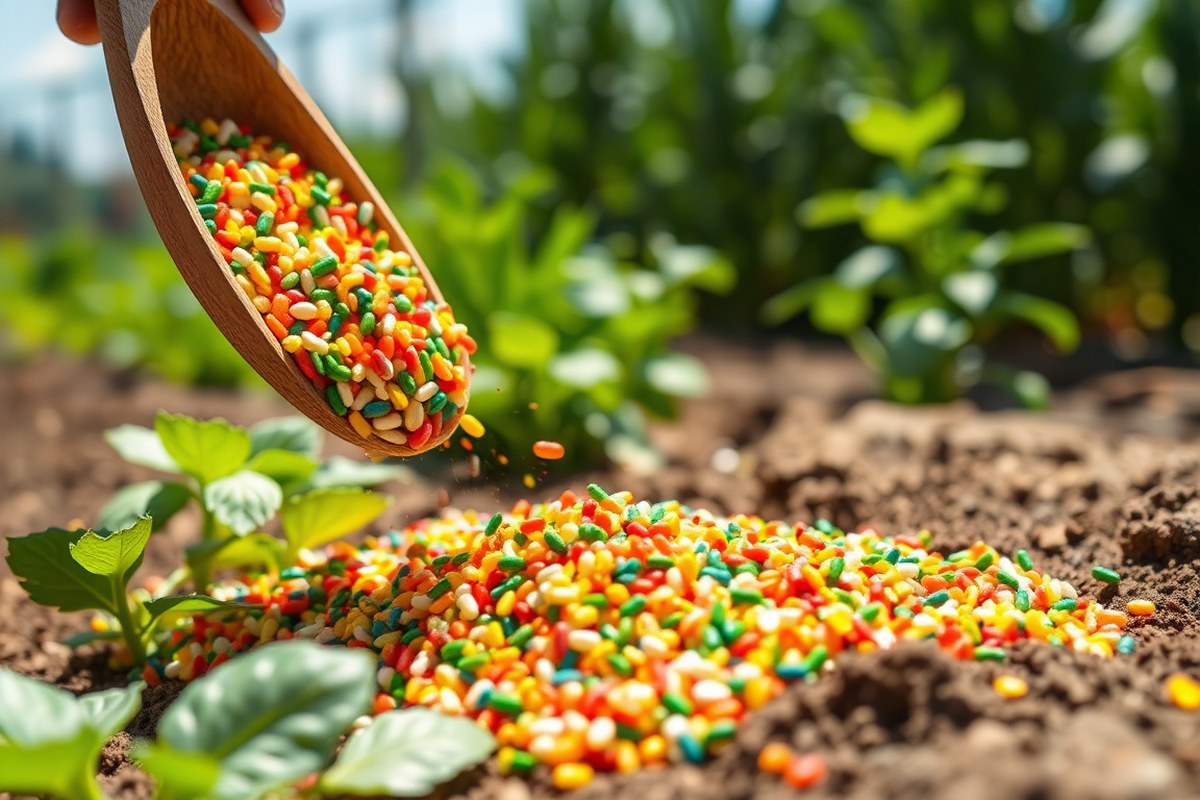
Granular fertilizers can be spread around plants and lightly worked into the soil. This method slowly releases nutrients and is good for general feeding. Spread evenly to avoid burning plants.
Foliar feeding uses liquid fertilizer sprayed directly on leaves. It provides quick nutrient absorption, especially to fix deficiencies. Dilute as directed on the label and apply during cooler parts of the day.
Slow-release fertilizers reduce how often you need to apply. Water-soluble types require weekly or bi-weekly applications. Slow-release products only need 2, 3 applications per season.
Best Times to Apply for Different Plants
Apply fertilizer before planting or during soil preparation for best results. This helps plants get a healthy start. For heavy feeders like tomatoes or corn, side-dress mid-season when plants start to grow fruit.
Foliar feeding is best for quick corrections and growth boosts during active seasons. Avoid fertilizing in extreme heat to prevent leaf burn and nutrient loss. Remember, phosphorus remains in soil for years, so adding extra often isn’t needed.
Differences Between Organic and Synthetic NPK Fertilizers
Organic and synthetic NPK fertilizers supply nitrogen, phosphorus, and potassium in different ways. Organic options like compost or bone meal release nutrients slowly as soil microbes break them down. Synthetic fertilizers, such as 10-10-10 granules, offer nutrients immediately, giving plants a quick boost.
Using organic fertilizer helps improve the soil’s structure and supports soil life over time. This means your soil stays fertile and better at holding water and nutrients. Synthetic fertilizers give plants nutrients fast during growing seasons.
They don’t build soil health in the long run. You’ll need other methods for lasting soil care.
Organic fertilizers usually have lower N-P-K numbers, around 3-2-2. So you might need to apply more to meet plant needs. Synthetic types often come with higher numbers like 18-24-6 and are more concentrated.
Pick the right fertilizer based on your soil test results. Also, consider what plants you want to grow. Think about how quickly you need nutrients, too.
For long-term garden health, use organic fertilizers to build up your soil’s nutrient-holding capacity. Switch to synthetic fertilizers only for fast fixes in nutrient shortages. Use them if your plants need quick growth support.
Otherwise, try other options first. You can combine organic and synthetic fertilizers for best results.
Feed your soil slowly with organic matter. Use synthetic fertilizers to add specific nutrients quickly.
Spread synthetic fertilizer evenly and avoid over-application to prevent burning plants.
Cost-wise, organic fertilizers can be cheaper if you make your own compost. But commercial organic products may cost more. Synthetic fertilizers usually cost less per pound of nutrients but don’t last as long.
Use the right fertilizer amount based on garden size and soil test. This saves you money and avoids stressing your plants. Check your soil before applying.
Why Soil Testing Is important Before Applying Fertilizer
Testing your soil before using NPK fertilizer helps you know exactly what your plants need. Soil tests reveal current nutrient levels like nitrogen, phosphorus, and potassium. They also show the soil’s pH, which affects nutrient availability.
This info helps you pick the right fertilizer mix. It also guides you on the right amount. This way, you avoid wasting money and harming plants.
You can buy a soil test kit for $10 to $20. Another option is sending samples to a local extension office. They give you a detailed report.
The test process usually takes a few days to a week. Collect soil from several spots in your garden. Mix the samples well before testing.
Then test or send a few tablespoons for analysis. Keep records of these results to track your soil over time and adjust fertilizing as needed.
Since soil changes, testing every 2 to 3 years makes sense. Some gardeners test annually in vegetable beds or new garden areas. Your soil test results will list nutrient levels, pH, and organic matter content.
Nitrogen is low but potassium is high in your soil. Choose a fertilizer with more nitrogen than potassium.
This will balance your soil nutrients. When pH is outside 6.0 to 7.0, you may need lime or sulfur to balance it before adding fertilizer.
Without soil tests, guessing fertilizer needs can lead to burning plants or nutrient waste. It often causes yellowing leaves or slow growth, symptoms of too little or too much nutrients. Many fertilizer bags list NPK content.
But that doesn’t tell you if your soil needs that exact balance. Consulting your soil test and local experts improves your chances of growing healthy plants.
Some online fertilizer calculators take your soil results along with garden size and crops. They suggest the best NPK ratio and pounds to apply. This step-by-step helps avoid errors with over-fertilizing or under-applying nutrients.
Knowing your soil’s status before fertilizing saves money. It also protects your plants from harm. This helps your garden grow better.
How to Avoid Common Mistakes with NPK Fertilizer
One common mistake is using the wrong NPK ratio for your plants. For example, using a high-nitrogen fertilizer on blooming flowers can stunt their blooms. Check plant needs and pick ratios like 4-8-5 for flowers or 10-5-5 for vegetables.
Over-fertilizing is another frequent problem. It wastes money and can burn roots or pollute waterways.
Apply no more than the recommended 5.Use 5 pounds per 1,000 square feet for lawns. Adjust amounts for garden beds according to soil tests.
Timing also matters. Applying fertilizer at the wrong time reduces its effectiveness or harms plants.
Fertilize early in the growing season for most crops. But avoid heavy feeding during stressful hot or dry spells.
- Read and follow label instructions precisely on dosage and timing.
- Test your soil before buying fertilizer to know what nutrients you need.
- Look for yellowing leaves which can mean nitrogen deficiency or overdose.
- Watch for leaf burn or wilting that signal too much fertilizer.
- Apply fertilizer evenly using a spreader to avoid hot spots.
- Water plants after fertilizing unless the label says otherwise.
Signs of NPK issues include weak growth, dull foliage, or poor fruit development. Fix problems by adjusting fertilizer type or dosage next time.
Keep notes on what you apply and how plants grow. This helps improve results every season.
How Different NPK Fertilizer Types Work and When to Use Them
Slow-release and water-soluble NPK fertilizers differ in how quickly they supply nutrients to plants. Slow-release fertilizers feed plants over weeks or months, while water-soluble ones provide nutrients immediately. You might mix both types to meet fast needs and long-term feeding at once.
Slow-Release NPK Fertilizers Explained
Slow-release fertilizers come as granules that break down gradually in soil moisture. This means nutrients like nitrogen, phosphorus, and potassium feed your plants steadily over time. They work well for lawns and garden beds where you want fewer applications.
You usually apply slow-release fertilizer once every 6 to 8 weeks during the growing season. This cuts work and lowers the risk of burning plants with too much fertilizer at once. The steady nutrient supply also supports strong root growth and healthy leaves.
Water-Soluble Fertilizers and Foliar Feeding
Water-soluble NPK fertilizers dissolve fully in water, so plants get nutrients right away. You mix them into watering cans or sprayers. This gives quick nutrient boosts.
Leaves absorb nutrients directly through foliar feeding. This method suits seedlings, hydroponic setups, or plants showing deficiency signs.
Apply water-soluble fertilizer every 7 to 14 days, depending on the plant’s growth stage. Use it more often during active growing times. Avoid using too much.
Overuse can damage roots or leaves. Foliar feeding delivers a fast fix, especially when soil uptake slows due to cold or dryness.
Choosing the Best Fertilizer Type by Situation
Use slow-release fertilizer when you want steady nutrients without frequent feeding. It’s best for established plants, lawns, and large garden areas. Water-soluble fertilizers suit quick fixes, young plants, or when you want to adjust nutrients fast.
Mixing both types is an option in spring or early growth stages. Add a small amount of water-soluble fertilizer first. It provides immediate nutrients.
Then add slow-release granules for longer feeding. Adjust frequency based on your plant type and soil tests.
Never apply fertilizer right before freezing weather to avoid nutrient runoff and plant damage.
Step-by-Step Action Plan for Using NPK Fertilizer
Follow these easy steps to choose and apply NPK fertilizer the right way. Watch your garden grow healthier as you go.
- Before planting: Test your soil to see its nutrient levels. This tells you what kind of NPK ratio you need.
- Planting day: Mix in the recommended NPK fertilizer based on your soil test and plant type. This helps young plants get the nutrients they need.
- Two weeks after planting: Check your plants’ leaves and growth. If leaves look pale or growth slows, adjust fertilizer amounts.
- Monthly: Apply a balanced NPK fertilizer suitable for your plants’ growth stage. Use soil test results as your guide.
- Mid-season: Avoid over-fertilizing by sticking to the soil test recommendations and label directions. Overuse can harm plants and soil.
- Before watering: Water your plants deeply after applying fertilizer. This helps nutrients soak into the soil and reach roots.
- End of season: Consider an organic NPK fertilizer to improve soil health for next year.
Frequently Asked Questions
What Does the NPK Ratio on Fertilizer Labels Mean?
The NPK ratio tells you how much nitrogen, phosphorus, and potassium are in your fertilizer. It helps you understand which nutrients your plants will receive and their quantities.
How Do Nitrogen, Phosphorus, and Potassium Support Plant Growth?
Nitrogen helps leaves grow green and lush. Phosphorus supports root and flower development.
Potassium makes plants strong and disease-resistant. Together, they cover key needs for healthy plants.
Can I Use the Same NPK Fertilizer for All My Garden Plants?
No, plants have different nutrient needs. For example, veggies do well with balanced 10-10-10 fertilizer.
Lawns usually prefer lower phosphorus formulas like 3-1-2. Choose fertilizer based on plant type.
Why Should I Test My Soil Before Applying NPK Fertilizer?
Soil testing reveals the existing nutrient levels and pH. This helps you pick fertilizer that fills the right gaps, avoiding waste or nutrient overload. It also keeps your soil and plants healthy.
What Are the Main Differences Between Organic and Synthetic NPK Fertilizers?
Organic fertilizers release nutrients slowly and improve soil life. Synthetic fertilizers act faster and give precise nutrient doses. Your choice depends on your gardening style and how quickly your plants need nutrients.
How Can I Avoid Over-Fertilizing with NPK Products?
Over-fertilizing can burn plants and harm the soil. Always follow label instructions carefully for application rates and timings. Testing your soil first also helps prevent nutrient overload.
Key Points to Remember
NPK fertilizer gives your plants the exact nutrients they need. Start by testing your soil to choose the right mix. Apply fertilizer carefully and watch your garden thrive.