How Big Do Pomegranate Trees Get? A Complete Size and Growth Guide
How big do pomegranate trees get? Most pomegranate trees grow between 8 and 15 feet tall. They usually spread 6 to 12 feet wide, depending on variety and care.
Some types, like the ‘Parfianka’, stay smaller, around 10 feet tall. Others, when left unpruned, can reach up to 20 feet or more. The tree’s size also depends on soil quality and climate conditions where it grows.
Regular watering and proper fertilizing play a role in how large your tree becomes. In drier climates, trees might grow slower and stay smaller due to water stress. Cooler areas may also limit height compared to warmer regions.
Pruning helps you keep your tree at a manageable size. It also encourages better fruit production by opening the canopy to sunlight. Removing older branches lets new growth develop, which bears more fruit over time.
Key Takeaways
- Pomegranate trees grow about 1 to 2 feet each year on average.
- Choose dwarf varieties like ‘Parfianka’ for a smaller tree.
- Regular pruning keeps trees between 8 and 12 feet tall and wide.
- Plant trees at least 10 to 15 feet apart to avoid crowding.
- Full-size varieties may exceed 20 feet if unpruned and trained as trees.
- Provide at least 8 hours of direct sun daily for best growth.
Typical Height and Spread of Pomegranate Trees
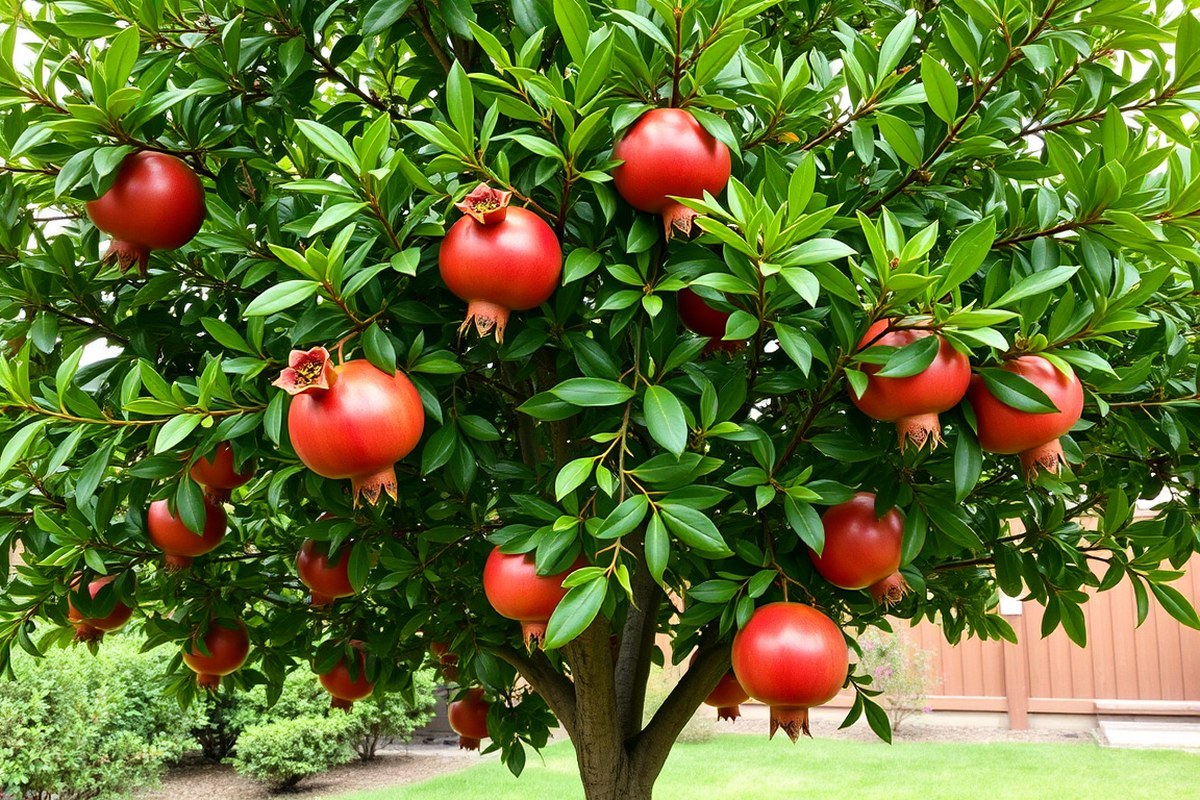
Pomegranate trees usually reach between 12 and 20 feet tall when mature. Their spread often matches their height, giving them a wide, rounded shape. Most standard trees grow as tall as a one-story house.
Some can reach the height of a two-story house. They get fairly tall for garden space.
Typical garden pomegranates tend to be medium-sized, standing around 8 to 15 feet tall. Their spread often falls between 6 and 12 feet. They look like small trees or large shrubs.
These trees take up a lot of garden space. Plan enough room when planting them.
Dwarf varieties stay much smaller in size. They usually grow 3 to 10 feet tall. Their spread ranges from 4 to 6 feet wide.
These fit better into smaller yards or container gardens. Size depends a lot on pruning and how you train the tree. So regular trimming helps keep trees compact.
Growth Rate and Maturity Timeline of Pomegranate Trees
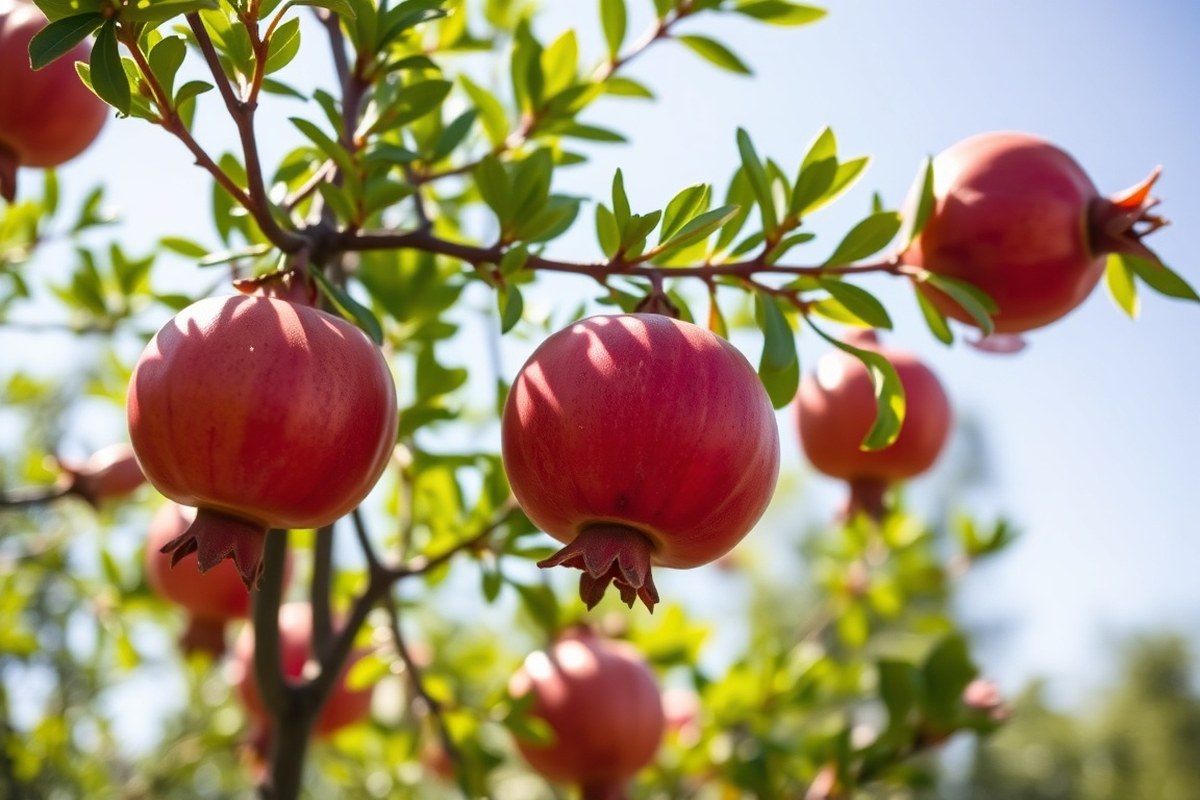
Pomegranate trees grow about 1 to 2 feet each year under good conditions. These trees usually start bearing fruit after 2 or 3 years.
This happens especially with nursery-grown trees or those from cuttings. Seed-grown pomegranates take longer to fruit because they need time to mature from seedling stage.
It takes 5 to 7 years for a pomegranate tree to reach mature height. Common garden types grow about 8 to 10 feet tall.
After that, growth slows down but may continue at a very slow pace for many years. This timeline can shift based on your climate, how well you water, and soil nutrients.
Give your tree full sun to help it grow faster. Water it about 1 inch each week during the growing season. This helps fruiting start sooner.
Pruning also helps keep the tree healthy and may boost fruit production. Trees in pots or poor soil grow slower than those in good soil. They might never reach their full size.
Keep young pomegranate trees well-watered but avoid soggy soil to prevent root problems that stunt growth.
How Different Varieties Affect Tree Size
Pomegranate tree size changes a lot with the variety you choose. Some get quite tall, while others stay small for patios or containers. Picking the right type fits your space and keeps the tree manageable.
Standard Pomegranate Varieties Size Range
Regular pomegranate trees often grow 12 to 20 feet tall and wide. These full-size types work well in large yards or orchard settings. They usually need 7 to 8 meters between rows and 5 to 6 meters between trees.
Common varieties like ‘Wonderful’ typically reach 8 to 12 feet tall and wide. Some cold-hardy types stay slightly smaller but still need moderate space. These sizes allow good fruit production but take more room.
| Variety / Type | Typical Height | Typical Spread | Notes / Source |
|---|---|---|---|
| Standard (Clemson) | 12, 20 ft | 12, 20 ft | Clemson Extension |
| ‘Wonderful’ Variety | 8, 12 ft | 8, 12 ft | Common commercial variety |
| Cold-Hardy Red | 8, 10 ft | 6, 8 ft | Cold-tolerant variety |
The bigger types give a good canopy for shade and fruit. They need enough space to avoid crowding and keep air circulation healthy.
Dwarf and Compact Cultivars Explained
Dwarf and semi-dwarf pomegranates usually top out at 6 to 8 feet tall. These stay much smaller than standard trees and have a spread of 1.5 to 3 meters. You can grow them in containers or small gardens.
A popular dwarf type is ‘Nana,’ which grows only 2 to 5 feet tall. Its compact size makes it ideal for patios or patios with little ground space. Smaller trees need less pruning but still produce attractive fruit.
Space trees 3 to 4 meters apart within rows. Rows should be 2 to 3 meters apart.
Maintain these distances for these types of trees. This helps fit more plants in smaller areas or closer rows in commercial setups.
Choosing the Right Variety for Your Garden
Think about how much room you have before picking a variety. Measure your space and check the mature height and spread of each type. Use this to pick a tree size that won’t crowd your garden or block sunlight.
Table below matches garden goals to tree types and their sizes to help you decide:
| Garden Goal | Recommended Form | Expected Size Range |
|---|---|---|
| Edible Landscaping / Focal Point | Trained Single-Trunk Tree | 12, 20 ft tall |
| Container Patio / Small Space | Dwarf Shrub (e.g., ‘Nana’) | 2, 4 ft tall |
| Privacy Hedge / Screening | Multi-Stemmed Shrub | 6, 12 ft tall |
Follow this decision rule: pick dwarfs for small patios, standard for big yards. For screening, look for bushy or multi-stemmed forms. This keeps your tree size fitting your spot while growing healthy.
Environmental Factors Influencing Pomegranate Tree Size
Pomegranate trees need at least six to eight hours of direct sunlight daily. Full sun exposure helps the tree grow strong and produce more fruit. Plant your tree in a spot without shade from buildings or other plants.
Soil quality has a big impact on how large your tree can grow. Rich, well-drained soil encourages healthy roots and sturdy branches.
Poor or dry soil stunts growth. So add organic compost or use high-quality potting mix when planting.
How often you water impacts the tree’s growth and health. About 1 inch of water per week suits the growing season. Let the soil’s top inch dry before watering deeply to avoid root trouble.
Growing pomegranate trees in pots requires more care with soil and watering. Use a large container of at least 15 to 20 gallons.
This prevents root restriction, which slows growth and reduces fruit size. A heavy ceramic or terracotta pot adds stability for top-heavy trees.
Your soil might dry fast. So, use drip irrigation or stick to a strict watering schedule. Frequent watering can leach nutrients from the soil.
So apply slow-release fertilizer to keep the tree nourished. Every 2 to 3 years, root pruning and repotting refresh the soil and maintain health.
Cold or overly wet climates slow growth and keep trees smaller. A warm, dry climate supports better development over time. Your pomegranate tree grows best with good sun, soil, and water.
All three need to be balanced for full growth. This mix helps the tree reach its full size.
Pruning and Training Methods to Control Tree Size
Controlling the size of your pomegranate tree is mostly about pruning and shaping. Prune regularly to keep the tree shorter and with a balanced spread. Training young trees early shapes growth and makes managing size easier.
Pruning Timing and Frequency
Pruning works best in late summer after fruit harvest. Removing the tallest shoots then keeps height in check without hurting fruit production. Light maintenance pruning is useful in early spring before new growth starts.
Regular pruning every year is key to long-term control. Once the tree reaches a mature shape, prune it regularly. Do this every 6 to 12 months to keep it healthy.
Regular pruning also helps keep the tree easy to manage. Don’t over-prune or you might lose fruit yield.
Watch for suckers at the base and remove unwanted ones any time they appear. This helps focus energy into the main tree structure.
Techniques for Height and Spread Control
To keep the height under 10 feet, cut back the tallest vertical branches annually. Remove crossing branches and thin crowded areas to improve air flow. This keeps the canopy open and balanced.
Shape the spread by selectively trimming outer branches to maintain 3 to 6 feet of width. Avoid heavy cuts in one spot to prevent stunted growth or bare areas.
Prune slowly over several seasons if your tree is too large. Heavy cuts can reduce fruit.
These simple steps help keep the tree compact and fruitful:
- Cut tallest shoots back to a strong lateral branch
- Remove weak, crossing or inward-growing branches
- Thin interior branch clusters to open the canopy
- Remove suckers and water sprouts regularly
- Keep main scaffold branches spaced evenly
- Trim outer branches to control spread width
- Maintain a balanced shape for sunlight and airflow
Training Young Trees for Shape
Start shaping young pomegranate trees in their first 2 to 3 years. Choose 3 to 5 main branches to form the tree’s scaffold. Cut back competing shoots to direct growth outward and upward.
Training includes tipping cuttings to encourage bushier growth. This limits height but encourages fruiting wood. Regularly remove suckers to keep the base clear and focused.
Use gentle pruning each season to maintain a friendly shape that fits your space. Training early means less drastic pruning later and a healthier tree overall.
Spacing and Growing Conditions for Optimal Tree Size
Give your pomegranate trees enough room to grow without crowding. Space them between 3 and 4 meters apart in home garden rows. Keep the rows 4 to 5 meters apart for the best air circulation and sunlight.
Proper spacing helps your trees grow healthy and produce a good crop. Crowded trees can struggle with disease and may not get enough light. This makes the trees smaller and less productive over time.
| Use | Tree Spacing (meters) | Row Spacing (meters) |
|---|---|---|
| Commercial orchards | 4, 6 | 5, 7 |
| Home gardens | 3, 4 | 4, 5 |
| Standard trees for large yards | 7, 9 (25, 30 feet) | 7, 9 (25, 30 feet) |
| Dwarf varieties in containers | Not applicable | Not applicable |
Full sun and well-draining soil are key for your pomegranate to develop well. It needs at least 6 hours of direct sunlight daily. Water deeply but only once or twice a week, especially during dry spells.
Too much nitrogen fertilizer causes lots of leaves but fewer flowers. Feed the tree annually with a balanced fertilizer to avoid this problem. These steps help the tree stay strong and bear fruit.
Container-grown dwarf pomegranates take up less space and suit patios or small yards. Containers limit root space, so the tree stays smaller naturally. Water container plants more often because pots dry out faster than ground soil.
Common Growth Challenges and How They Affect Tree Size
Pests like aphids, scale insects, and whiteflies can stunt pomegranate growth. They suck sap from leaves and stems, weakening the tree. Look for sticky residue, curled leaves, and slowed growth as signs of infestation.
Diseases such as fungal leaf spots and root rot can also reduce tree size. These cause leaf drop and poor root health, limiting water and nutrient uptake. Treat fungal infections with fungicides and improve drainage to stop root rot.
Poor soil quality limits nutrient uptake and stunts growth. Pomegranates need well-drained soil with a pH of 6.0 to 7.0. Test soil pH and add lime to raise or sulfur to lower it within this range.
Water issues often stunt growth too. Trees with dry soil below two inches frequently show droopy or yellow leaves. Check soil moisture weekly and water deeply when dry, especially in hot weather or during fruiting.
Compacted soil reduces air and water flow to roots, hurting growth. Loosen soil around the tree base annually with a garden fork without damaging roots. Mulch helps retain moisture and control temperature.
Signs of nutrient deficiency include pale, small leaves or poor fruit set. Feed trees with balanced fertilizer high in nitrogen, phosphorus, and potassium. Apply according to package instructions, usually two to three times per growing season.
Quickly spot and remove dead or diseased branches to help the tree focus on healthy growth. Use clean, sharp tools to make cuts and avoid spread of disease. Prune lightly if growth is slow to encourage stronger shoots.
Routine checkups help catch problems early. Inspect leaves, stems, and soil moisture weekly during growing months. Early treatment prevents stunted size and supports strong, healthy pomegranate trees over time.
Long-Term Size Expectations and Tree Lifespan
Pomegranate trees can reach 10 to 30 feet tall over many years. They often live and produce fruit for 30 to 40 years. Size and fruit yield usually grow with age before slowing down.
Maximum Size in Ideal Conditions
In warm, sunny climates, pomegranate trees can reach their maximum height of 20 to 30 feet. Colder zones usually keep trees shorter, under 20 feet tall.
A vigorous standard variety grows taller in ideal soil and sun. It will reach this taller size with time.
Width often matches height. So a fully grown tree spreads about 20 to 30 feet wide.
These large trees provide lots of shade and space for fruit to develop on woody branches. Shrub-like dwarf or patio varieties usually stay under 6 feet tall.
Typical Fruit Production Lifespan
Pomegranate trees often begin bearing fruit around 2 to 3 years after planting. They keep producing well from 5 to 20 years old with steady fruit yields. After 20 years, productivity can decline but still remain valuable for 10 to 20 more years.
The total fruit production lifespan averages 30 to 40 years. This longevity depends on climate, care, and pruning practices. Older trees might need more pruning to maintain fruit quality and vigor.
Age-Related Changes in Tree Size
A young pomegranate tree starts small but grows quickly for the first 5 to 10 years. After reaching peak height and spread, growth slows around 15 years old. Trees may still thicken and develop more woody branches over the next decades.
Older trees can get leggy or dense if not pruned regularly. Fruit production usually peaks between 8 and 15 years of age, then slowly drops. Regular thinning helps maintain both size control and good harvests as the tree ages.
Prune older trees annually to stop crowding and support healthy fruit growth.
Step-by-Step Action Plan for Managing Pomegranate Tree Size
Follow these steps to control your pomegranate tree’s growth and keep it healthy. Each step helps you track progress and adjust your care.
- Before planting: Choose a variety suited for your space to avoid overly large trees. Check seed catalogs or nursery tags for mature size info.
- Month 1: Plant with enough space, at least 12 feet apart, to allow room for growth. You’ll see good root establishment after the first month.
- Month 2 to 6: Water young trees regularly but avoid waterlogging. Healthy leaves and steady height increase show you’re on track.
- Month 6: Start light pruning to shape the tree and remove weak branches. Notice new growth directing where you want the tree to expand.
- Year 1: Apply balanced fertilizer in early spring to encourage steady growth without overexpanding. Look for fuller foliage and sturdy branches as signs it worked.
- Year 2: Prune thicker branches annually after fruit harvest to control height and spread. The tree should maintain a manageable size and stay productive.
- Ongoing: Monitor for pests and diseases that stunt growth and treat promptly. A vibrant tree with regular fruiting means good health.
Frequently Asked Questions
How Large Do Pomegranate Trees Get in Confined Spaces?
Pomegranate trees can be kept small in pots or containers, usually under 6 feet. They need regular pruning and good drainage to thrive in small spaces without outgrowing their containers.
Does Fertilizer Affect the Ultimate Size of Pomegranate Trees?
Fertilizer helps pomegranate trees grow healthier and faster but won’t drastically change max size. Proper nutrition supports good fruit yield and strong growth but pruning still controls the final height.
Are Pomegranate Trees Likely to Outgrow a Small Backyard?
Most pomegranate trees grow 8 to 15 feet tall, which fits well in small yards. Regular pruning keeps size manageable while still producing fruit. Larger full-size varieties might need more space.
Can Pomegranate Tree Roots Damage Foundations or Pipes?
Pomegranate tree roots are relatively shallow and not aggressive compared to some trees. They generally don’t damage foundations or pipes if planted away from structures. Keep trees at least 10 feet from buildings.
Do Pomegranate Trees Grow Taller Indoors with Supplemental Light?
Indoor pomegranate trees usually stay smaller, often under 6 feet, even with good light. Less space and pot size limit growth, which can be an advantage in home gardens.
How Does Drought Affect Pomegranate Tree Size?
Drought stresses pomegranate trees, stunting growth and reducing fruit size. They tolerate dry spells but need periodic deep watering to maintain healthy size and yield.
Key Points to Remember
Pomegranate trees usually grow between 12 and 20 feet tall, depending on care. You can keep them smaller with pruning and choosing the right variety. Start pruning yearly and watch your tree stay healthy and the right size for your garden.