How Much Does a Brass Sprinkler Head Weigh? A Complete Guide with Examples
Wondering how much a brass sprinkler head weighs? Most brass sprinkler heads weigh between 0.5 and 2 pounds.
This depends on the model and size. But the density of brass usually keeps their weight in that range.
Brass is heavier than plastic or zinc sprinkler heads because of its metal composition. That extra weight adds durability but can affect how you handle installation or replacement. Keep weight in mind when planning your irrigation work.
Start by checking the specs for your exact sprinkler head model to get a precise weight. Knowing the weight helps you guess shipping costs.
It also shows how easy the heads are to install. You can plan maintenance better with this info.
Key Takeaways
- Brass sprinkler heads usually weigh between 0.5 and 2 pounds.
- Heavier brass heads are tougher but harder to carry and install.
- Check the product specs to find specific weight details before buying.
- Brass weighs more because its density is about 0.308 pounds per cubic inch.
- Plastic and zinc sprinkler heads weigh less, affecting durability and cost.
- Weight influences shipping costs, so order in bulk to save money.
Typical Weight Ranges of Brass Sprinkler Heads
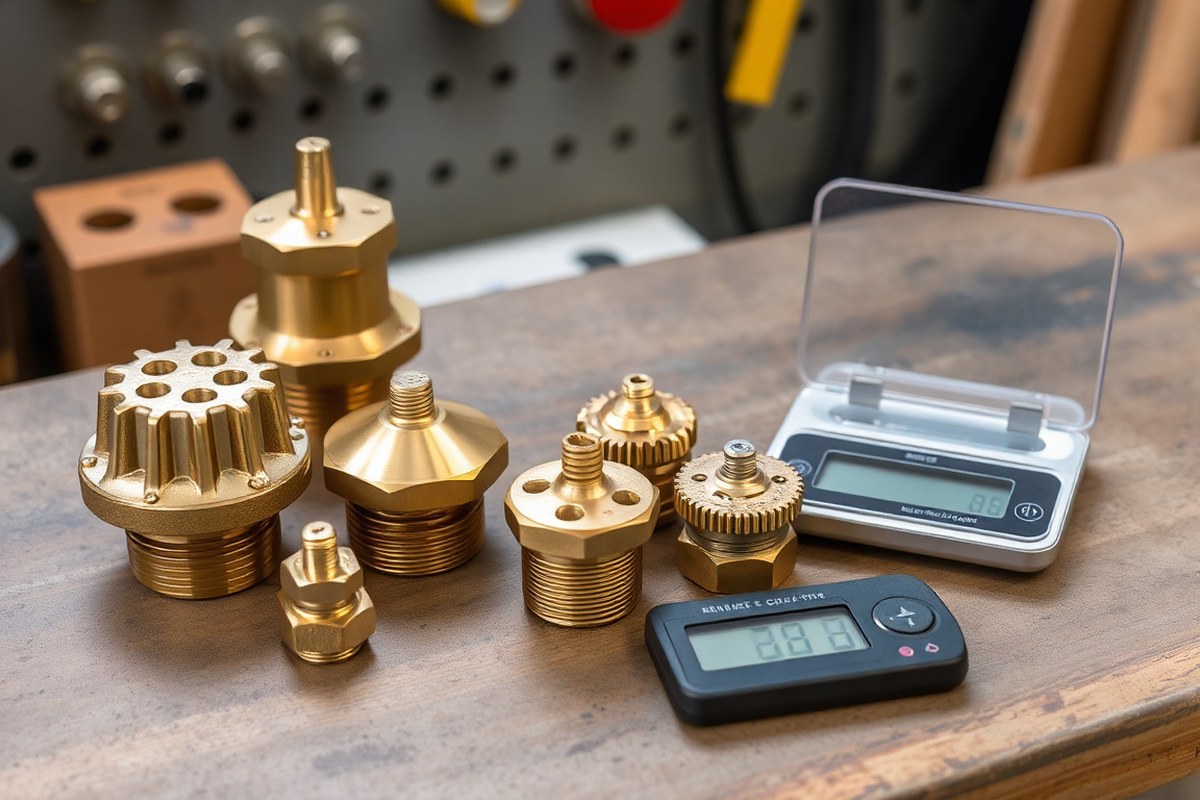
Brass sprinkler heads vary quite a bit in weight depending on their type and use. Residential models tend to be lighter, usually weighing between 2 and 6 ounces. Commercial heads weigh between 8 and 15 ounces.
They are heavier to last longer. These work well for parks and office yards.
Industrial brass sprinkler heads are made for tough environments like agriculture and industrial sites. They weigh much more, often between 20 ounces and over 3 pounds. This extra weight helps them handle high water pressure and longer operating hours.
| Sprinkler Type | Typical Use Case | Estimated Weight Range | Durability Level |
|---|---|---|---|
| Residential | Home gardens, small lawns | 2, 6 oz | Moderate |
| Commercial | Parks, office landscapes | 8, 15 oz | High |
| Industrial | Agriculture, industrial sites | 20 oz, 3+ lbs | Extreme |
Impact sprinklers like the RK-30HD are quite heavy. They fall in the industrial weight range. This is because their build is heavy-duty.
Brass pop-up heads from Orbit’s 54070 series vary in weight. They usually fit in the residential to commercial range.
This makes them versatile. Their lower weight still provides good durability for typical lawn care.
The weight you get also reflects the sprinkler’s ability to resist corrosion and pressure. Brass heads weigh more than plastic or zinc alternatives but last longer. Heavy brass heads are typical for industrial sites.
They resist damage if hit or buried. Their weight helps them stay protected in rough soil.
How Sprinkler Head Size and Material Composition Affect Weight

Brass sprinkler head weight depends mainly on its size and the brass alloy used. Larger heads with thicker walls weigh more because they need more material. The internal valve design also adds to the total weight by including extra components inside.
Head Diameter and Weight Relationship
Larger diameter sprinkler heads use more brass, increasing their weight noticeably. For example, heads with diameters of 2 to 4 inches weigh less. Heads 6 inches or larger are much heavier.
The size difference affects their weight significantly. Thick wall construction needed for durability further adds to the weight.
The length of threaded connections also matters. Longer threads require more metal, making the head heavier, especially on industrial-grade models.
Small heads with 1/2-inch diameters stay lightweight under 1 pound. Bigger ones with full-size connections can weigh multiple pounds.
Brass Alloy Types and Their Weight Impact
Brass alloys vary in density from about 0.304 to 0.315 pounds per cubic inch, affecting sprinkler head weight. Common irrigation brass alloys fall around 0.308 lbs/in³.
But small differences change the overall mass. Choosing a denser alloy adds durability but also increases the weight.
Here’s a comparison of common brass alloys used in sprinkler heads. It shows their average density. It also lists estimated weight for a 3-inch head.25-inch wall.
| Alloy Type | Density (lbs/in³) | Estimated Weight for 3″ Head (lbs) |
|---|---|---|
| Standard Brass (C260) | 0.308 | 2.1 |
| Naval Brass (C444) | 0.310 | 2.12 |
| Lead-Free Brass | 0.304 | 2.08 |
Choosing lead-free brass reduces weight slightly, which can matter for large systems. The right alloy balances weight with corrosion resistance and durability.
Influence of Internal Valve Components
Internal valves add weight through additional metal parts like springs and pins. Stainless steel springs and brass nuts inside improve performance but increase the total head mass. Compact designs weigh less but may sacrifice durability.
Valve complexity also matters. Impact style sprinkler heads include heavier drive arms and springs versus simpler pop-up valves. These parts can add up to 20% extra weight on a brass body.
Check for buildup or corrosion that can add unexpected weight and impair valve action.
Comparing Brass Sprinkler Heads to Plastic and Zinc Alternatives
Brass sprinkler heads are heavier than plastic but sometimes similar to zinc die-cast models. The added weight usually means better durability and resistance to corrosion. Choosing brass depends on whether you prioritize lifespan and toughness over lighter weight.
Weight Differences Among Common Materials
Brass sprinkler heads feel solid and heavy in your hand compared to plastic or zinc. Zinc is denser than plastic but less dense than solid brass. Plastic heads are very light, making them easier to handle but less substantial.
The table below compares the key material traits affecting sprinkler head weight and feel:
| Material | Relative Weight | Durability | Corrosion Resistance | Common Feel |
|---|---|---|---|---|
| Brass | Heavy | Very High | Excellent | Solid & Premium |
| Zinc Die-Cast | Medium-Heavy | Moderate | Moderate | Dense but brittle |
| Plastic (ABS/PVC) | Very Light | Low-Moderate | High | Lightweight/Hollow |
Plastic’s low weight makes it easy to install in large numbers without much strain. Zinc is heavier than plastic but can feel brittle compared to brass. Brass feels expensive and sturdy, supporting longer use.
Durability and Corrosion Resistance Comparisons
Brass sprinkler heads usually last longer than those made from plastic or zinc. Their corrosion resistance is excellent, especially if copper content is higher. This helps prevent rust and deterioration in salty or acidic soil.
Zinc die-cast heads resist corrosion less effectively, which may cause cracks or wear over time. Plastic heads resist corrosion well but are less strong and more prone to damage from impact. Brass combines durability with corrosion resistance better than other materials.
When to Choose Brass over Other Materials
Choose brass if you want sprinkler heads that last many years with minimal maintenance. Their heavier weight means better resistance to damage from lawn equipment or foot traffic. Brass suits areas with tough soil conditions or where frequent replacement would be costly.
Opt for plastic heads when weight and cost are bigger concerns than lifespan. Hybrid models, mixing plastic bodies with brass nozzles, bring some durability while staying lighter. Zinc might work if you want a midweight option but expect more maintenance and less durability.
Methods to Accurately Measure Brass Sprinkler Head Weight
You want to weigh a brass sprinkler head carefully. This helps you pick the right replacement or place an order. Precise weight matters for sprinkler heads.
Using the right scale and method avoids guesswork and ensures fit and function. A digital kitchen scale or postal scale usually works well since they handle small weights accurately.
Before you weigh, clean the sprinkler head to remove dirt or water. Water or mud adds weight and skews the result. Make sure your scale is calibrated or set to zero to avoid errors from previous measurements.
- Place the scale on a flat, stable surface to keep it steady during weighing.
- Turn on and zero out the scale to reset the display to 0.0.
- Dry off your brass sprinkler head completely using a towel or cloth.
- Set the sprinkler head gently on the scale, avoiding any bumps or tilts.
- Wait for the scale’s reading to stabilize before writing down the weight.
- Repeat the measurement two more times to check for consistency.
- Average the three numbers to get a precise weight measurement.
Keep in mind that some sprinkler heads weigh just a few ounces. A scale with 0.1 ounce or 1 gram accuracy offers the best results. Avoid bathroom scales, since they rarely show small weight differences well.
For heavier or attached sprinkler heads, remove parts if safe to do so. Weigh each part separately, then add the weights together. This approach helps if your scale has a low weight limit around 5 or 10 pounds.
Estimating Sprinkler Head Weight Using Dimensions and Formulas
You can figure out how much a brass sprinkler head weighs. Use its shape and size in a simple formula. This helps you estimate the weight quickly.
These calculations use the dimensions you measure and the density of brass. Knowing the weight helps with shipping estimates and choosing proper supports during installation.
Common Formulas for Brass Weight Calculation
The basic formula for weight is volume times density. Brass density averages about 8.5 grams per cubic centimeter or 0.31 pounds per cubic inch. For simple shapes, you can calculate volume using formulas for cylinders or tubes.
A solid round bar’s volume equals π times radius squared times length. For hollow tubes, subtract the volume of the inner cylinder from the outer cylinder’s volume. Convert the volume units to cubic inches for pounds or cubic centimeters for grams.
Choosing the Right Formula by Sprinkler Head Shape
Many brass sprinkler heads look like short cylinders or tubes. Use the solid cylinder formula for heads that are mostly metal without hollow parts. For heads with a hollow body, apply the hollow tube formula.
Sometimes heads have smaller sections you can measure separately. Calculate each part’s weight and add them together to get the total. This method avoids overestimating by excluding spaces filled by other materials.
Worked Calculation Example for a Pop-Up Head
A brass pop-up sprinkler head has a solid brass base. It’s shaped like a cylinder, 2 inches tall. The base diameter is 1 inch.
Radius is half the diameter, 0.5 inches. Calculate volume: π × 0.5² × 2 ≈ 1.57 in³.
Multiply by brass density: 1.57 in³ × 0.31 lb/in³ ≈ 0.49 pounds. Next, the hollow tube riser is 3 inches tall, 0.5-inch outer diameter and 0.4-inch inner diameter. Calculate outer volume: π × 0.25² × 3 ≈ 0.59 in³.
Inner volume: π × 0.2² × 3 ≈ 0.38 in³. Tube volume: 0.59 – 0.38 = 0.21 in³.
Weight for the tube part is 0.21 in³ × 0.31 lb/in³ ≈ 0.065 pounds. The total approximate weight is 0.49 + 0.065 = 0.555 pounds. This estimate helps you plan handling and load support.
Always double-check your measurements and units to avoid big errors in weight estimates.
How Weight Influences Installation, Maintenance, and Replacement
The weight of a brass sprinkler head affects how you handle it during installation or replacement. Heavier heads need more effort to move and secure. This is true in tight spaces or overhead mounts.
It can make installation harder and slower. You need to plan for a short break or two while holding the head steady.
Replacing one brass sprinkler head takes 10 to 20 minutes. You need the right tools to finish it fast. It is a simple but careful job.
Replacing more heads can lower costs per unit. Contractors sometimes save time on multiple replacements.
This often means better prices for you. For example, swapping five heads might cost about $50 each versus $130 for just one.
Brass heads last longer but still need regular checks. Heavy brass can resist damage but might loosen or corrode at the fittings.
Tightening or cleaning these parts avoids leaks and keeps the head stable. Make sure to support the head firmly while working on it.
- Use gloves for better grip and protection from sharp edges.
- Secure the water supply before removing the old head to avoid leaks.
- Hold the sprinkler head firmly with both hands during installation.
- Use a wrench sized for brass fittings to prevent slipping or rounding.
- Check for corrosion or wear on threads, clean or replace as needed.
- Test the head after installation to ensure proper spray and no leaks.
- Schedule maintenance every six months to spot early issues.
Since brass heads weigh more than plastic ones, don’t rush lifting or twisting motions. Dropping a heavy brass head can dent or damage it. Use a small step ladder if you need better positioning on tall plants or uneven ground.
Durability means you won’t replace brass heads often. But when you do, handle with care.
Make sure all parts fit snugly and don’t overtighten, which risks damaging threads. Proper support while tightening helps keep the system leak-free and reliable.
Factors Causing Weight Variation Among Brass Sprinkler Heads
Brass sprinkler heads can vary slightly in weight due to several factors. Manufacturing tolerances mean each piece can differ by up to 5%. This happens even if it’s the same model.
Metal casting and machining can add or remove tiny material amounts. These changes happen during shaping and finishing processes.
Moisture content also affects weight. Some brass heads may hold small water amounts inside threaded ports. This can happen after testing or storage.
Trapped moisture can add a few grams to the weight. This makes a head weigh more than when dry. Over time, this weight difference disappears as the water evaporates.
Design elements create weight variation too. Heads with extra parts like built-in check valves, filters, or seals weigh more than simpler models.
A brass head with a filter mesh might weigh 10% more. Extra metal and plastic parts add to the weight.
Environmental factors rarely cause big changes in brass weight but can slightly influence surface corrosion. Mild tarnish adds negligible mass.
But corrosion buildup thick enough to form crusts could add small amounts of weight. Regular maintenance prevents this from becoming an issue.
Even components that seem identical can weight differently depending on the brass alloy’s exact composition. Some batches have slightly different copper or zinc percentages, which changes density and weight. This variation is usually less than 3% but becomes noticeable when ordering large quantities.
When you compare heads side by side, small weight differences can come from finish coatings. Electroplated or anodized surfaces may add microscopic layers that increase weight slightly. These coatings protect the brass but do not significantly affect installation or performance.
Checking the exact weight requires removing any trapped water and additional parts before weighing. Using a precision scale sensitive to grams will show real difference among similar heads.
Keep in mind that acceptable variation typically ranges ±5%. So tiny weight changes are normal and don’t indicate defects.
Estimating Total System Weight and Bulk Shipping Considerations
Count how many brass sprinkler heads you plan to use. This helps you guess the total weight. Add up the number before moving on.
Multiply the number of heads by the average unit weight, usually around 150 grams (0.33 pounds) per head. Don’t forget to include packaging weight in your total.
Bulk shipments add extra unseen weight. This can change shipping costs or your load plan.
Packaging weight grows with quantity but not as fast as the unit weight. For smaller orders, packaging may add about 200 grams extra.
Larger orders require sturdier boxes and pallets, which could add several kilograms to the shipment. Always check with your supplier for exact packaging weight if you plan freight or storage space.
| Quantity | Avg. Unit Weight (Brass) | Net Weight | Estimated Packaging | Total Gross Weight |
|---|---|---|---|---|
| 10 Units | 150 g | 1.5 kg | 200 g | 1.7 kg |
| 100 Units | 150 g | 15 kg | 1.2 kg | 16.2 kg |
| 500 Units | 150 g | 75 kg | 5.0 kg | 80.0 kg |
This example table shows how total gross weight rises for bulk orders. Packaging is a bigger fraction of total weight for smaller shipments.
Ordering 10 sprinkler heads adds about 13% extra weight from packaging. For 500 heads, packaging adds only 6.6% but still 5 kg more to handle.
When ordering brass sprinkler heads in bulk, ask the supplier about packaging types. They might use boxes, pallets, or foam inserts that change total shipping weight. Use the supplier’s gross weight figure for freight quotes to avoid unexpected fees.
Add 10% or more above the unit weight total when you calculate. This covers the packaging weight safely.
Check weights with your supplier and shipping company first. This prevents surprises with freight costs. It also helps with safe handling during shipping.
Step-by-Step Action Plan for Handling Brass Sprinkler Head Weight
Use this plan to choose, handle, and install your brass sprinkler heads without stress.
- Before purchasing: Check the weight specs for each brass sprinkler head model. Confirm they fit your system’s weight limits to avoid stress on pipes.
- Day of delivery: Weigh the boxes using a scale. Compare with your order’s estimated weight to spot any mistakes or missing parts.
- Before installation: Inspect each sprinkler head for damage and confirm the weight matches its label. This prevents surprises during setup.
- During installation: Handle heads carefully to avoid bending or dropping. Use lifts or supports if heads are heavy to reduce injury risk.
- After installation: Check that all heads are seated firmly with no pipe stress. Test spray patterns to ensure they function well under added weight.
- One month later: Re-examine the system for signs of sagging or leaks caused by weight. Tighten any loose connections promptly.
- Before replacement: Measure the current heads’ weight and condition. Choose new heads weighing similar or lighter to ease future maintenance.
Frequently Asked Questions
How Much Does a Standard Brass Sprinkler Head Weigh?
A typical brass sprinkler head weighs between 0.5 and 2 pounds. Weight varies based on size and design, so check the product details before purchase.
Do Heavier Brass Sprinkler Heads Improve Irrigation System Durability?
Heavier brass heads generally last longer due to stronger metal. However, extra weight may complicate installation and require sturdier mounting.
Can the Weight of a Brass Sprinkler Head Affect Water Pressure?
Yes, heavier heads sometimes influence water flow due to design, not weight alone. Proper sizing is key for your system’s pressure.
How Does Temperature Affect the Weight of a Brass Sprinkler Head?
Temperature has a negligible effect on brass weight. Expansion might change dimensions slightly but won’t impact the overall weight.
Is the Brass Sprinkler Head Weight Important for Shipping Costs?
Yes, heavier heads increase shipping costs based on total package weight. Buy in bulk to save on handling and delivery fees.
Are There Weight Limits for Handheld Sprinkler Heads Made of Brass?
Most handheld brass sprinklers weigh under 2 pounds for easy use. Heavier models may tire your arm in long watering sessions.
Key Points to Remember
Brass sprinkler heads typically weigh between one and three pounds, depending on size and design. Knowing these weights helps you select and install the right heads for your system. Weigh your heads today to avoid issues tomorrow.