How to Grow a Flower Bed: Expert Steps for Beautiful, Long-Lasting Results
Pick a sunny spot to grow a thriving flower bed. Most flowers need six hours or more of direct sunlight daily. Without enough sun, flowers won’t bloom well or survive.
Prepare your soil by digging at least 12 inches deep. Mix in two to three inches of compost to feed and loosen the soil. Well-drained soil helps prevent root rot and keeps plants healthy.
Choose plants that fit your local climate and soil type. Group flowers with similar water needs together to make watering easier. Mulch with organic material to retain moisture and reduce weeds.
Keep your flower bed three to four feet wide for easy access. Avoid stepping inside the bed to stop soil compaction. This protects the flowers’ roots and keeps them strong.
Key Takeaways
- Choose a spot with at least six hours of direct sunlight daily.
- Dig soil at least 12 inches deep to loosen it for strong roots.
- Mix 2 to 3 inches of compost into the soil for nutrients.
- Keep your flower bed 3 to 4 feet wide for easy maintenance.
- Remove all grass and roots before planting to avoid competition.
- Stand inside the bed, dig angled cuts to separate grass edges.
What You Need to Know to Grow a Thriving Flower Bed

A flower bed is a garden spot set aside for various flowers. It has clear edges separating it from grass or other areas. This helps you concentrate on growing a colorful and lively garden patch.
Flower beds bring several benefits to your garden and home. They add curb appeal by brightening outdoor spaces with color and texture.
Flower beds also attract pollinators like bees and butterflies, which help your garden thrive. Plus, they offer relaxation spots, inviting you to enjoy nature right outside your door.
Several things influence how well your flower bed grows. Most flowers need at least 6 hours of direct sunlight each day. Easy water access is helpful, so put your bed near a hose or faucet.
Good soil and preparation matter for healthy plants. Weeding and mulching regularly also support strong growth.
Starting a flower bed involves planning where and how. You’ll want to roughly outline the bed’s shape using a garden hose or string.
The size depends on your available space and the types of plants you want to grow. Creating a bed at least 12 inches deep helps roots spread and plants establish well.
Once planted, steady care across seasons keeps flowers healthy and blooming. This means watering on dry days, pulling weeds promptly, and adjusting to the plants’ growth needs. Using perennials in your flower bed means less replanting.
They come back every year without extra work. This saves time and keeps your garden looking good longer. Following these steps helps you avoid the frustration of plants that wilt or fail to bloom.
How to Choose the Perfect Location for Your Flower Bed

Walk around your yard during the day to find spots with good sunlight. Most flowers need at least 6 hours of direct sunlight. Check if trees or buildings cast shadows on potential bed locations at different times of day.
Test the soil where you want to plant. Use a simple soil test kit from a garden center to measure pH and nutrient levels.
Good flower bed soil drains well and stays crumbly, not soggy or hard-packed. Avoid areas with clay-like soil that holds water.
Make sure you have enough space. Pick a spot big enough for the flowers you want, with room to grow.
Crowded plants compete for light and water, which slows their growth. Also, stay clear of spots where you often walk to avoid compacting the soil.
- Look for 6+ hours of direct sunlight daily
- Avoid areas shaded by buildings or large trees
- Soil drains water well and feels loose, not dense
- Check soil pH is near neutral (6.0 to 7.0)
- Space large enough for mature plant size
- Pick a spot away from heavy foot traffic
- Access to water source for easy irrigation
Loose soil with a little organic matter makes planting easier and roots grow strong. Spread 2 to 3 inches of compost over the soil.
Mix it in well before planting. Choose a flat or gently sloped area so water pools less and drains naturally.
Picking a shaded spot for sun-loving flowers causes poor blooms and leggy growth.
Some flowers prefer partial shade, so noting the exact hours of sun can help. Morning sun with afternoon shade suits many flowers and stops wilting in hot weather.
Your yard has little open space. Consider building raised beds to improve soil and sun exposure.
Preparing the Soil and Bed Area for Planting
Preparing the Soil and Bed Area for Planting
You should dig about 8 to 12 inches deep before planting your flower bed. Remove all grass and weeds by digging out roots thoroughly.
Add organic material like compost to improve soil health. Test the soil to know what nutrients it needs.
Step 1: Mark and Clear the Bed Area
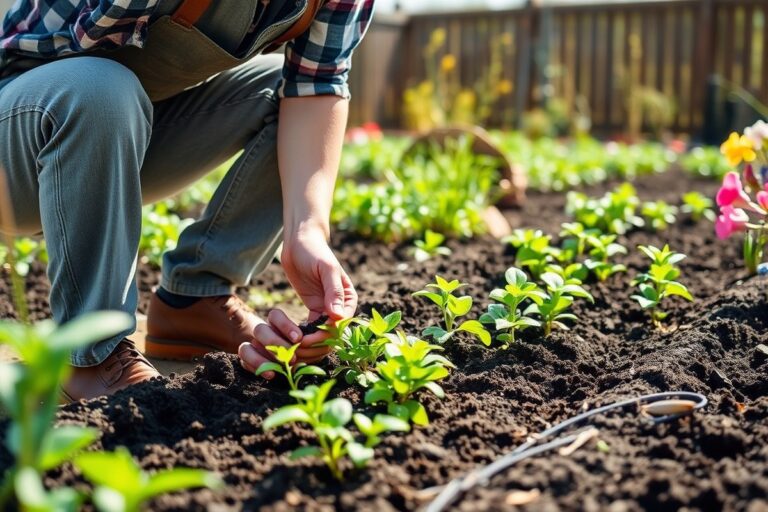
First, decide where your flower bed will go and mark the edges. Remove all surface debris like rocks and sticks. Clear the area of existing grass and weeds to give your plants room to grow.
Follow these steps to clear your bed area:
- Check for any underground utility lines before digging.
- Mark the flower bed boundaries with stakes or string.
- Cut or pull up any tall grass inside the area.
- Rake away rocks, sticks, and surface debris.
Step 2: Dig and Remove Existing Vegetation
Use a spade or shovel to dig 8 to 12 inches deep while removing roots carefully. Grass roots can regrow if left behind, so be thorough. Loosen the soil to prepare it for adding amendments.
Here’s how you dig and clear roots properly:
- Dig a trench around your flower bed perimeter to stop grass from creeping in.
- Shovel into the soil and lift out grass and weeds with roots intact.
- Use a garden fork or tiller to loosen soil down 8 to 12 inches.
- Remove any leftover roots or debris as you work.
Step 3: Amend and Test the Soil
Adding organic matter like compost improves soil texture and fertility. Spread 2 to 4 inches of compost on top before mixing it into the soil. Soil testing helps you pick the best amendments based on nutrient needs.
Try these simple steps to amend and test your soil:
- Collect soil samples from different parts of the bed, mixing them in a clean container.
- Send the samples to a local extension office or use a home test kit.
- Follow recommendations to add amendments like compost, peat moss, or lime.
- Mix the amendments evenly into the top 8 inches of soil.
| Soil Amendment | Purpose | Amount to Use |
|---|---|---|
| Compost | Improves fertility and drainage | 2-4 inches worked into soil |
| Peat moss | Increases moisture retention | 1-2 inches mixed in |
| Lime | Raises soil pH (reduce acidity) | Follow soil test results |
| Gypsum | Improves soil structure (heavy clay) | As recommended by soil test |
Selecting the Right Plants for Your Flower Bed
Pick flowers that match your flower bed’s sunlight and soil depth. Most flowers need 6 to 8 hours of direct sun. Shade plants will wilt or fail in full sun.
Test your soil’s pH to hit 6.0 to 7.0 for most flowers. Annuals grow fast, bloom all season, but die yearly. Perennials grow slower, last years, and need deeper soil.
Choose bloom times to spread color through spring, summer, and fall. Mix flower colors and shapes to make your bed lively. Taller plants go in back or center.
Shorter ones stay at edges for step-down layers. Plant spacing matters: cramming plants causes poor growth and disease.
The table below helps sort plants by sunlight, soil needs, and bloom type. Use it to zero in on flowers that suit your site and style:
| Plant Type | Sunlight Needed | Soil Depth (inches) | Bloom Time | Maintenance |
|---|---|---|---|---|
| Annuals | Full sun (6-8 hrs) | 6-8 | Spring to fall | High (frequent watering) |
| Perennials | Sun to part shade | 12-18 | Varied, multiple seasons | Medium (occasional pruning) |
| Shade plants | Less than 6 hrs (north facing) | 12-18 (deeper for roots) | Spring to summer | Medium (mulching helps) |
Spacing is usually 6-12 inches apart for annuals and 12-24 inches for perennials. Stick to the plant’s mature size on labels. Plant bulbs or seedlings at the depth they grew in pots.
Overcrowded beds trap moisture and pests, making flowers weak. Mulch flowers but keep it away from stems to avoid rot.
Use annuals if you want quick, bright blooms all season. But plan to replant yearly. Perennials suit gardeners wanting less yearly work and long-lasting gardens.
Combining both gives you continuous flower changes through the seasons. Pick a mix of bloom shapes and colors for visual interest and longer display.
How to Design and Layer a Visually Appealing Flower Bed
Designing a flower bed means arranging plants by height, color, and bloom time. Start by picking the bed shape and size that suits your space.
Then layer plants from tallest to shortest and mix bloom times for year-round appeal. Finally, combine colors so they look balanced and eye-catching.
Choosing Bed Shapes and Dimensions
Flower beds come in many shapes: rectangles, circles, kidney shapes, and freeform curves. Choose one that fits your yard’s layout and your style.
Smaller yards work well with rounded or kidney-shaped beds. Long rectangles suit borders along paths or fences.
Size depends on how much time you want to spend gardening and the space you have. Beds between 4 and 8 feet wide let you reach plants without stepping inside. Length varies a lot.
It’s usually from 6 feet to 15 feet or more. The size depends on how much space you have available.
Here are common shapes and size tips to consider:
- Rectangular beds fit along walkways or walls
- Curved beds soften edges and add flow
- Kidney shapes create informal, natural looks
- Circular beds work well for focal points
- Keep widths between 4 and 8 feet for easy care
- Match length to your garden space and design goals
Layering Plants by Height and Bloom Time
Place tallest plants at the back or center if the bed is circular. Medium-height plants go in the middle, with shortest in front.
This arrangement creates depth and shows every plant clearly. For example, plant sunflowers behind coneflowers and marigolds up front.
Plan bloom times to overlap so your bed looks lively through the seasons. Add early bloomers like crocus or daffodils, mid-season favorites like daylilies, and late bloomers like asters. This way, something is always flowering.
Layering example:
- Tall: Hollyhocks, sunflowers, or foxgloves
- Medium: Coneflowers, salvia, or daylilies
- Short: Marigolds, petunias, or pansies
Place tallest plants where they won’t block sunlight from shorter ones.
Color Combinations and Seasonal Interest
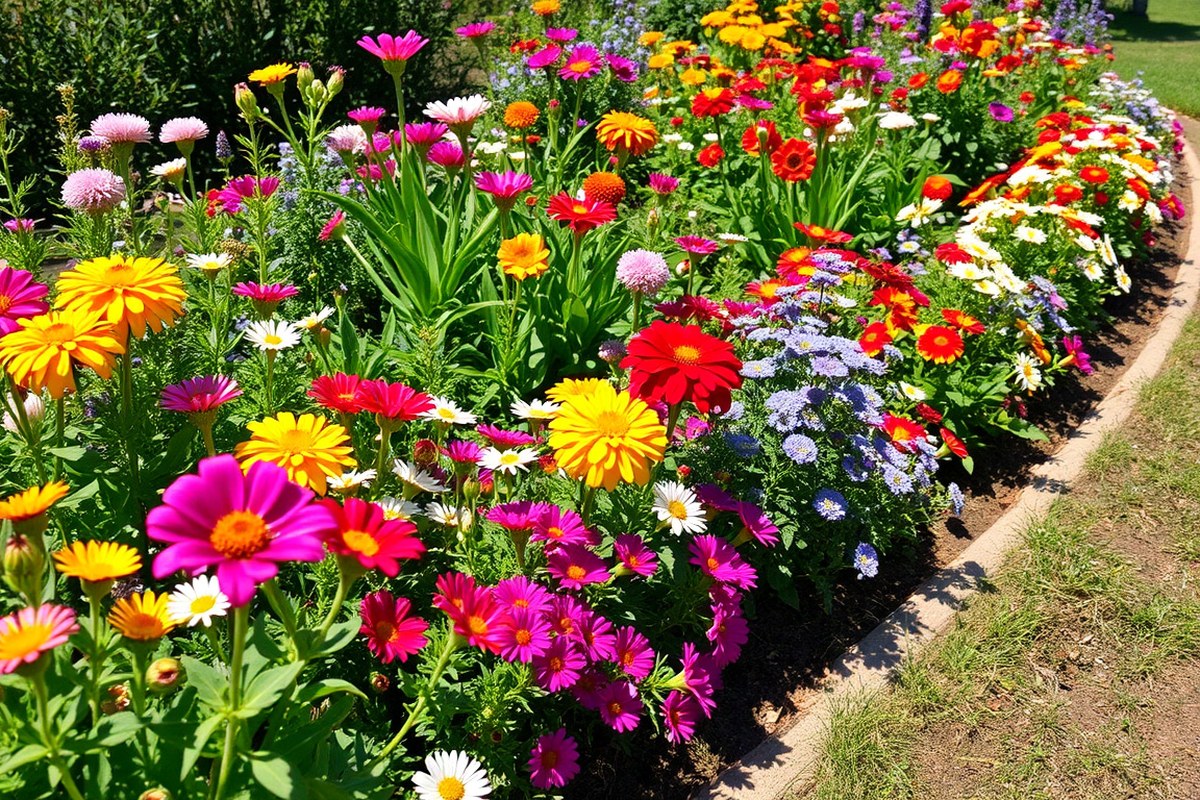
Choose a limited color palette to keep your flower bed looking harmonious. Pick three to five colors that complement or contrast well. Try pairing purple, yellow, and white for a balanced look.
Or mix red and orange for a bold impact. Both options add color to your garden.
Arrange colors in swaths or groups instead of scattering them randomly. This makes the bed look neat and planned. Try lining colors according to plant height to help the eye move smoothly across the bed.
For seasonal interest, include plants with different bloom periods and some with attractive foliage. Some shrubs or grasses add texture even when flowers aren’t blooming. Combine bright petals with greens or silvers to highlight colors.
Planting, Mulching, and Watering Techniques for Success
Plant flowers in early spring or fall when temperatures are cooler. Mulch with 2 to 3 inches around plants, avoiding the stems. Water deeply and consistently, especially during dry weather, to keep plants healthy.
Planting Flowers Correctly
Start planting when the soil is workable and not frozen. This timing helps roots grow strong before hot or cold extremes. Choose a day with mild weather to avoid stressing the plants.
Follow these steps to get your flowers in the ground properly:
- Dig holes twice as wide as each plant’s root ball.
- Loosen roots gently to encourage outward growth.
- Set each plant’s root ball so its top matches the soil level.
- Fill around roots with soil, firm it lightly to remove air pockets.
- Water plants thoroughly right after planting to settle soil and hydrate roots.
- Space plants based on their mature size for good air flow and growth.
- Add a thin layer of compost around each plant for extra nutrients.
- Mulch the bed the same day, keeping mulch 1 inch away from stems.
Mulching for Moisture and Weed Control
Apply 2 to 3 inches of organic mulch like shredded bark on your flower bed surface. This thickness keeps the soil moist and prevents weed seeds from sprouting. Avoid piling mulch against plant stems to prevent rot.
Apply your mulch soon after planting, ideally the same day. Mulch stops moisture loss and keeps soil temperatures steady. It also reduces your weeding work over the growing season.
Watering: Timing and Techniques
Water your flower bed deeply once or twice a week, targeting 1 to 1.5 inches of water total. This encourages strong roots that grow deeper and resist drought better. Morning watering reduces disease risk compared to evening.
IDry spells call for more frequent watering to keep plants healthy. Use a gentle sprinkler or a soaker hose for even soil moisture without washing mulch away. Plant flowers near a water source to make watering less of a chore.
Maintaining Your Flower Bed Throughout the Year
Start your flower bed care in spring by removing winter mulch and debris. Pull weeds early to stop them from taking over.
Feed plants with well-rotted compost or organic fertilizers like chicken manure pellets. Spread about 10 to 20 pounds per 100 square feet to boost growth and flowering.
Throughout summer, water your flower bed deeply once or twice a week, depending on rainfall. Deadhead spent flowers regularly to encourage new blooms and keep the bed tidy.
Watch for pests and diseases. Treat problems quickly with safe methods or insecticidal soap if needed.
As the growing season ends, focus on pruning and cutting back perennials. Trim dead or weak stems to make room for fresh growth next year. Start preparing the bed for cold weather by adding mulch.
Use a 2- to 3-inch layer to protect roots from freezing. This helps your plants survive through the winter.
- Spring: Remove mulch, weed, and fertilize with compost or organic pellets.
- Summer: Water deeply, deadhead flowers, and check for pests regularly.
- Late summer/early fall: Prune perennials and clear dead growth.
- Fall: Add mulch to insulate roots and improve soil moisture retention.
- Winter: Protect tender plants with frost cloth or bring potted plants indoors.
In fall, replenish organic matter by spreading compost or manure to prepare for next season. Protect tender plants by covering them with frost cloth when temperatures drop below 32°F. Bring container plants indoors or place them in a sheltered spot if frost threatens. Evergreen herbs like sage can stay outside if your winters are mild.
Regular upkeep means your flower bed stays healthy and vibrant year-round. Taking time to feed, prune, and protect plants will keep pests and diseases under control. Your flower bed should look fuller with each season.
Plants will bloom better as they grow stronger. This happens because the roots get well established.
Troubleshooting Common Flower Bed Problems and Mistakes
Poor soil drainage makes plants wilt and turn yellow. To check drainage, dig a hole about 12 inches deep. Fill it with water and watch how long it takes to drain.
It should drain in under 2 hours. Soil drains poorly when water takes longer than normal to soak.
Improving drainage takes digging up soil and mixing in materials like sand or compost. This helps water soak in faster.
Another easy fix is building a raised bed, which lifts plants above wet soil. This works well if your spot has clay soil or sits in a low area.
| Problem | Description | How to Fix |
|---|---|---|
| Poor Drainage | Water sits on soil over 2 hours after filling a 12-inch hole | Mix sand or compost into soil; consider raised beds |
| Aphids | Tiny green or black bugs on young leaves and buds | Spray with soapy water or neem oil |
| Spider Mites | Small dots under leaves; webs may form | Rinse plants with water daily; apply insecticidal soap |
| Slugs | Circular bite marks on leaves; slime trails visible | Use iron phosphate pellets or handpick at night |
| Uneven Growth | Some plants taller or larger, others stunted | Space plants evenly; match plants by sunlight and water needs |
| Planting Too Deep or Shallow | Roots may rot or dry out, killing plants | Plant at same depth as in pots; avoid burying stems |
Common pests like aphids, spider mites, and slugs thrive in flower beds. Aphids cluster on new growth, sucking plant juices. Wash them off with soapy water.
Apply neem oil every 5 to 7 days. Keep doing this until they disappear.
Spider mites leave fine webs and tiny spots on leaves. Rinse leaves with water daily to reduce mites and use insecticidal soap when needed.
Slugs chew holes mostly at night and leave slime trails behind. Iron phosphate pellets cost about $10 for a 1-pound bag and are safe for pets. Handpick slugs at dusk if you don’t want to use pellets.
Spacing your plants according to their adult size prevents crowded, uneven growth.
Uneven growth often happens when plants don’t get equal sunlight or water. Taller plants can shade smaller ones, starving them. Place taller plants in back and shorter ones in front for even light.
Dig your flower bed soil to 1-2 feet deep and remove large rocks or roots. Plant each flower at the same depth it grew in the nursery pot.
Too deep or too shallow planting makes roots rot or dry out, causing plant failure. Avoid overcrowding to keep good airflow, which helps fight pests and diseases.
Step-by-Step Action Plan to Start Your Flower Bed
Follow this plan to get your flower bed thriving in a few weeks. Each step helps you move closer to a healthy, colorful garden.
- Before you start: Choose a sunny spot with well-drained soil. Check soil moisture after watering; it should drain in 30 minutes.
- Day 1: Clear the area of grass and weeds. The soil surface should be smooth and free of roots.
- Day 2: Amend the soil with compost and loosen it to about 12 inches deep. Soil becomes dark and crumbly, making planting easy.
- Day 3: Arrange your selected plants on the soil without planting. Check spacing; plants shouldn’t crowd each other.
- Day 4: Plant the flowers carefully, keeping roots covered and firming soil around them. Plants should stand upright without wobbling.
- Day 4 (After planting): Apply a 2-inch layer of mulch around plants, leaving space around stems. Mulch stays in place and keeps soil moist.
- Days 5 to 7: Water deeply every other day in the morning. Soil should feel damp 6 inches down but not soggy.
- Week 2: Check for pests or wilted leaves daily. Remove any damaged parts to keep plants healthy.
Frequently Asked Questions
How Deep Should I Dig the Soil Before Planting Flowers?
Dig at least 12 inches deep to loosen soil and remove roots. This helps roots grow better and avoids plant stress.
Can I Plant Annuals and Perennials Together in One Flower Bed?
Yes, mixing annuals and perennials adds color and structure. Perennials come back every year, while annuals fill gaps and offer seasonal variety.
What Mulch Type Is Best for Flower Beds to Prevent Weeds?
Organic mulch like shredded bark or wood chips works well. It holds moisture, controls weeds, and slowly adds nutrients to the soil.
How Often Should I Water a Newly Planted Flower Bed?
Water deeply twice a week for the first month. This encourages strong root growth and prevents plants from drying out.
Is It Okay to Use Lawn Soil to Build a Flower Bed?
No, lawn soil often contains grass roots and is packed. Use garden soil or amend lawn soil heavily to improve drainage and nutrients.
Should I Prune Flowers in My Flower Bed Regularly?
Prune dead or faded blooms to encourage more flowers and healthy growth. Avoid cutting new shoots to keep plants strong.
Final Thoughts
Growing a flower bed takes attention, but the results bring beauty to your home. Start with good soil and the right plants for your space. Water and watch your flowers bloom over the weeks ahead.