How to Grow Marigold Plant – a Complete Guide for Strong, Blooming Flowers
Knowing how to grow marigold plant means starting with good seeds or seedlings. You want them to get enough warmth and moisture right away for strong roots. Plant your seeds indoors six to eight weeks before the last frost.
This gives the plants a head start. It helps them grow strong before moving outside.
Pick a sunny spot because marigolds love sunlight and well-draining soil. Space French marigolds 6 to 9 inches apart. African varieties need 12 to 18 inches between plants.
This proper spacing helps them grow well. Proper spacing means healthier growth and fewer diseases.
Keep soil moist and temperatures around 70 degrees Fahrenheit. When the plants reach about 5 inches tall, pinch the tops to encourage branching. This helps them grow bushier and bloom more flowers.
Key Takeaways
- Start marigold seeds indoors 6, 8 weeks before your last frost date.
- Choose a sunny spot with soil that drains well and warms quickly.
- Space French marigolds 6, 9 inches and African marigolds 12, 18 inches apart.
- Keep soil moist but not waterlogged to prevent root rot.
- Pinch the tops of young plants at 5 inches to promote branching.
- Maintain soil temperatures near 70°F for best seed germination.
How to Grow Marigold Plants from Seeds or Seedlings

Marigolds grow easily from seeds or seedlings. Starting from seed indoors helps you control temperature and timing. Seeds need light soil coverage and warmth to germinate well.
You can also plant seedlings bought from nurseries, which save time and give quick blooms. Whether starting indoors or sowing outdoors, keep seeds moist and soil warm at 65-75°F. After frost risk ends, you can sow seeds directly outdoors or transplant hardened seedlings.
- Prepare seed trays or pots with seed compost. Use specific seed compost for nutrients and good drainage.
- Sow seeds ¼ inch deep. Cover lightly with soil, allowing some light through for best germination.
- Space seeds about 2 to 3 inches apart. This gives young plants room to grow without overcrowding.
- Keep the soil moist but not soggy. Use a spray bottle to avoid washing seeds away.
- Place trays in a warm location, ideally between 65 and 75°F. This warmth speeds up germination, usually in 5 to 7 days.
- Thin seedlings or transplant them when 2 to 3 inches tall. Make sure they have at least two true leaves before moving.
- Harden off seedlings before planting outside. Gradually expose them to outdoor conditions for 7 to 10 days.
- Transplant seedlings outdoors 4 to 6 weeks before the last frost date. Space plants 6 to 12 inches apart, depending on the variety.
For outdoor sowing, wait until after the last frost. Plant seeds directly in well-draining soil with full sun exposure. When planting seedlings, choose healthy ones and avoid any with yellow leaves or wilting.
Starting marigolds indoors gives you a jump on the season. Seedlings planted at the right time mature faster and bloom sooner. Keeping soil warm and moist but not wet during germination keeps seeds healthy and strong.
Choosing the Best Location and Soil for Marigolds

Marigolds grow best in locations that get at least six hours of direct sunlight daily. Choose a spot in your garden that is open and bright for the healthiest plants. Too little sun leads to weak stems and fewer blooms.
Good soil matters a lot for marigolds. They prefer loamy, well-drained soil with a neutral pH. The soil should feel loose and crumbly, not packed hard or soggy.
When your soil is heavy clay or sandy, add compost or peat moss. This helps improve texture and drainage for better growth.
Loosen the soil 6 to 8 inches deep with a garden fork. You can also use a trowel for this job. This helps roots grow easily.
Remove any weeds or debris before planting. Add a balanced, slow-release fertilizer to help marigolds grow.
Avoid too much nitrogen because it makes more leaves than flowers. Spread it evenly in the soil.
Marigolds also do well in containers if you don’t have garden space. Use pots at least 8 to 10 inches wide and deep to give roots enough room. Choose a pot with drainage holes and fill it with quality potting mix made for flowers.
Using containers lets you move marigolds to get more sun. You can also protect them from wind and heavy rain this way. Containers give flexible growing spots.
Larger pots suit taller marigold varieties better to avoid tipping. Just remember that container plants need watering more often since soil dries quickly.
Don’t plant marigolds where water pools after rain, they dislike soggy roots.
For garden planting, avoid shaded spots near buildings or tall trees. Surrounding marigolds around vegetable beds acts as a natural pest buffer because of their scent. This helps protect other plants without chemicals.
Adjust soil prep to your location and time of year. In cooler climates, start soil warming in spring with raised beds or plastic mulch. Warmer soil encourages faster seed germination and stronger seedlings.
Understanding Different Types of Marigold Plants
Marigolds come in three popular types: French, African, and Signet. Each differs in size, flower form, and space needs. Picking the right one depends on your garden’s size and style.
French Marigolds
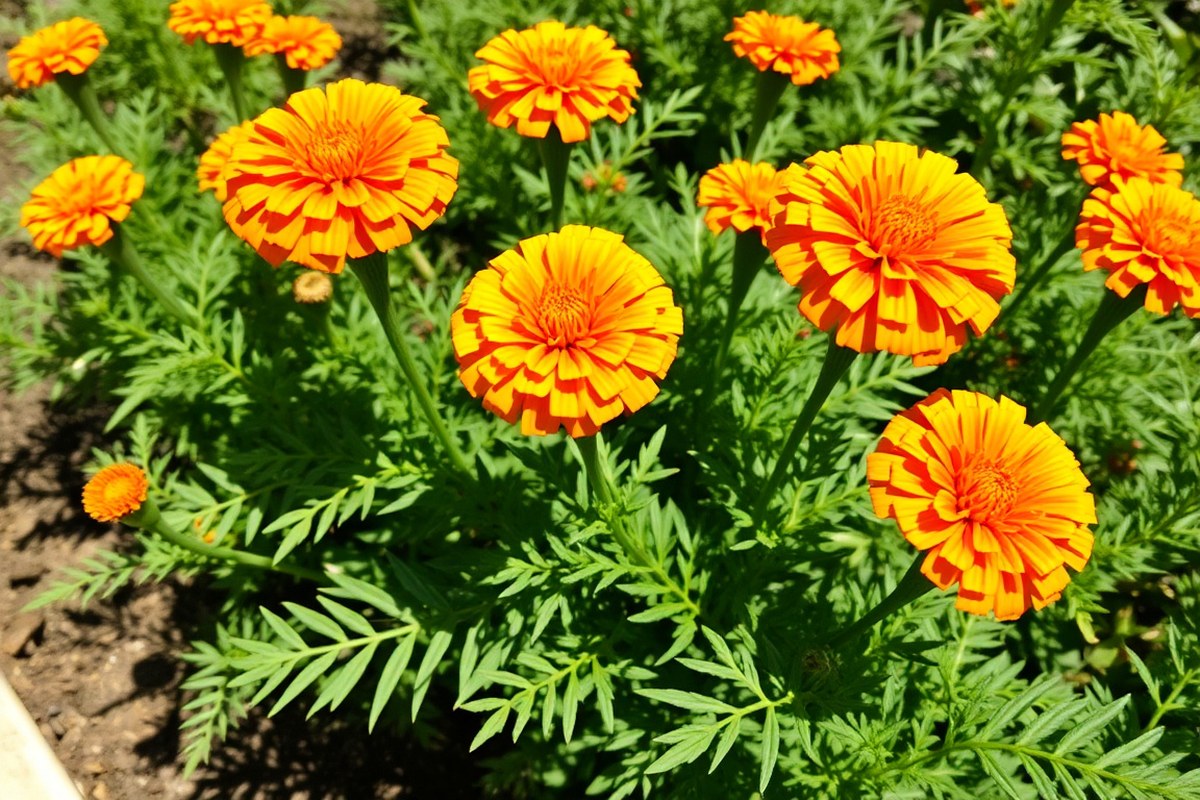
French marigolds are compact plants growing 6 to 12 inches tall. They produce many small, often bi-colored blooms that reach about 5 cm across. These marigolds work well in borders and containers because they don’t take much space.
Their bushy form and bright colors add interest near walkways or flower beds. Plant French marigolds 6 to 8 inches apart to let them spread without crowding. Pinch the top of your marigold when it reaches 5 inches.
This helps the plant grow fuller. It also encourages more flowers to bloom.
African Marigolds
African marigolds grow taller than French varieties, ranging from 12 to 36 inches. Marigolds have large flowers. They may be single or double blooms.
Each flower is as wide as 10 cm. These bright flowers stand out in any garden. These marigolds suit larger beds or big pots where they have room.
Plant African marigolds at least 12 inches apart. You can space them up to 18 inches for best growth. Crowding leads to smaller flowers and weak plants.
Some varieties like Crackerjack Blend can grow over 30 inches with huge flowers. Pinch tops early to promote branching and fuller plants.
Signet Marigolds
Signet marigolds grow between 8 and 12 inches tall. They produce small, delicate flower clusters.
Their leaves and flowers are finer than other marigolds. These plants suit borders and natural flower groups.
You can space Signet marigolds 6 to 8 inches apart for best air flow and growth. Signet marigolds do well in pots and garden beds.
They add leafiness and unique flowers to your marigold mix. This variety brightens your garden with different shapes.
Here is a table to compare marigold types. It shows important features side by side. This helps you pick the best marigold for your garden.
| Marigold Type | Height | Bloom Size | Spacing | Best Use |
|---|---|---|---|---|
| French | 6, 12 inches | Up to 5 cm, small, often bi-colored | 6, 8 inches apart | Borders, containers, edging |
| African | 12, 36 inches | Up to 10 cm, large single or double | 12, 18 inches apart | Focal points, large beds, big pots |
| Signet | 8, 12 inches | Smaller clusters | 6, 8 inches apart | Edging, naturalistic planting |
Choosing the right spacing avoids crowded plants and weak blossoms. Smaller marigolds suit pots and tight spaces. Taller African types fill bigger beds and make a strong visual impact.
Watering, Feeding, and Maintaining Marigold Plants
Water marigold plants deeply at the soil base once or twice a week. More frequent watering helps during hot, dry spells, but avoid wetting the leaves. Keeping the soil moist near 70°F encourages steady growth and blooms.
Do not overwater, as marigolds dislike “wet feet.” Avoid planting in low spots where water collects. Too much water causes root rot and fungal issues, making leaves yellow or stems mushy.
Feed marigolds every 4 to 6 weeks with a balanced, water-soluble fertilizer. A 10-10-10 or 20-20-20 formula works well. Mixing fertilizer at half strength helps prevent nutrient burn and keeps plants flowering longer.
- Water at the base early in the day to reduce fungus risk
- Check soil moisture with your finger before watering again
- Use fertilizer sparingly and follow label instructions
- Watch for root girdling to prevent plant decline
- Plant marigolds in groups for better heat and moisture retention
Pinch back marigold seedlings when they reach 4 to 6 inches to encourage bushier growth. Deadhead spent blooms regularly to promote new flowers. Remove faded flowers by snapping them off at the stem base.
Keep an eye on nighttime temperatures, as dips below 55°F stunt marigold growth. Water and feed your marigolds properly to keep them healthy.
Deadhead the flowers often to encourage more blooms. This will give you 4 to 5 months of bright blooms.
Propagation and Seed Saving Techniques for Marigolds
Marigolds grow best from seeds, which you can collect from mature dried flowers. Saving seeds lets you reuse them next spring and save money. Growing marigolds by cuttings is uncommon, so seeds are your go-to method.
Collecting Mature Seeds
Pick marigold flower heads after they dry on the plant but before they fall apart. Wait until the petals feel crisp and brown to ensure full maturity. Clip the dried heads into a paper bag to keep seeds contained and dry.
Handle the flower heads gently to avoid scatter. Seeds grow at the flower’s base. You’ll see small dark brown or black ones there.
Rub the seeds gently with your fingers inside the bag. This separates them from flower debris. Be careful while doing this.
- Check flower heads daily for dryness and browning.
- Cut the dried flower heads using scissors or garden shears.
- Place cut flower heads inside a clean, dry paper bag.
- Rub flower heads inside the bag to release the seeds.
- Remove the debris, keeping only viable marigold seeds.
- Inspect seeds for size and color; discard shriveled ones.
- Label seeds with the marigold type and collection date.
Gather seeds on a dry day to prevent mold during storage.
Storing Seeds Properly
Make sure marigold seeds are fully dry before storage to avoid rotting. Store them in paper envelopes or breathable containers to keep moisture out. Keep seeds in a cool, dry spot like a cupboard or basement.
Labeled storage helps track the seed type and collection year. Use seeds within one year for the best germination rates. Too much humidity or heat will reduce seed life and sprouting chances.
- Spread seeds on a paper towel to air dry for a few days.
- Transfer dried seeds into a labeled paper envelope or small bag.
- Place the envelope into a sealed jar or container with silica gel packs.
- Store the container in a cool place, below 70°F (21°C).
- Check seeds occasionally for signs of mold or moisture.
- Use seeds the following spring for planting.
Avoid plastic bags alone; they trap moisture and cause seed rot.
Other Propagation Methods
Marigolds can grow from cuttings, but this method takes more time and skill. Cuttings must root properly in moist conditions before planting outdoors. Most gardeners prefer seeds for easier, faster marigold starts.
Seeds produce reliable results and retain plant traits well. Cutting propagation may cause changes in flower traits or growth habits. Stick to saving seeds unless you want a challenge in propagating.
Preventing and Managing Marigold Pests and Diseases
Marigolds often attract pests like aphids, whiteflies, and spider mites. These bugs suck sap from the leaves and stems, causing yellow spots and stunted growth. Nematodes can also harm roots, especially in vegetable gardens.
Fungal diseases show up as white powder or black spots on leaves. These include powdery mildew and leaf spot. They can harm the plant’s health and growth.
Bacterial infections cause wilting or sticky residues on plant parts. Early identification helps stop spread and keeps plants healthy.
- Check leaves and stems weekly for small insects or sticky residues.
- Look for wilting, yellowing, or spots signaling disease.
- Apply neem oil spray every 7 to 10 days to control pests organically.
- Use insecticidal soap to remove aphids and whiteflies quickly.
- Spread a 2 to 3-inch thick layer of organic mulch near your plants. Leave space of a few inches so it doesn’t touch stems. This mulch layer guards plants and retains soil moisture.
- Space plants 8 to 12 inches apart to improve air flow and dry foliage.
- Remove and compost diseased or heavily infested plants promptly.
Applying neem oil costs about $10 to $15 per bottle and lasts for several sprays. Spray early morning or late evening to avoid burning leaves. Insecticidal soap is cheaper and works fast but needs repeating every few days.
Good airflow reduces fungal growth by drying moisture on leaves. Avoid overhead watering and stick to watering soil directly. Remove damaged blooms and leaves to prevent attracting pests or disease.
Severe infections or infestations may require pulling out affected marigold plants. Replace them with healthy seedlings and improve site conditions. This decision protects other plants and prevents pests from moving on.
How to Grow Marigolds in Containers Successfully
Use containers at least 8 inches wide and deep for marigolds. Dwarf or container marigold types work best since they stay compact. Make sure pots have drainage holes to avoid soggy roots.
Choose a high-quality potting mix that drains well. Avoid garden soil alone, which can hold too much moisture and cause root rot. A commercial mix with peat moss, perlite, or vermiculite keeps the soil light.
- Pick pots with drainage holes to prevent water buildup.
- Use potting mix labeled for container plants, not garden soil.
- Water when the top inch of soil feels dry to the touch.
- Water more during hot, dry summer days to keep soil moist.
- Avoid letting containers sit on saucers filled with water.
- Place containers where marigolds get full sun for at least 6 hours.
- Fertilize lightly every 4 to 6 weeks with a balanced, water-soluble fertilizer.
Container-grown marigolds dry out faster than those in garden beds. Check soil moisture every day during hot weather.
Water deeply but let excess drain out to prevent soggy roots. Overwatering can cause yellow leaves and poor growth.
Containers warm up and cool down quicker than garden soil. This affects how often you water and fertilize.
Plants may need more frequent care but can thrive in small spaces or urban settings. Using quality soil and proper watering schedules helps keep marigolds healthy and blooming.
Companion Plants and Garden Benefits of Marigolds
Marigolds grow well with many vegetables, herbs, and flowers. They repel pests and make soil healthier. This helps plants grow better.
Their strong aroma deters insects like nematodes and whiteflies, protecting nearby plants. Planting marigolds strategically boosts the health and yield of your garden.
Vegetables Compatible with Marigolds
Plant marigolds next to tomatoes, peppers, and cucumbers to keep whiteflies and root-knot nematodes away. They help prevent pests that damage roots and leaves. This companion planting supports vegetables by reducing pest damage without chemicals.
- Tomatoes benefit most due to nematode repelling.
- Peppers gain protection from leaf-eating insects.
- Cucumbers stay safer from whiteflies.
- Squash and other gourds also enjoy pest reduction.
- Plant them about 12 inches apart for best effect.
Place marigolds around vegetable beds’ edges or between plants. Their aroma spreads well in close quarters, creating a pest barrier. Keep soil well-drained to avoid marigold root rot.
Flower and Herb Neighbors
Basil, nasturtiums, and petunias thrive near marigolds because pests avoid the scent. These flowers and herbs also attract beneficial insects, improving overall garden health. Marigolds add color while protecting their neighbors.
- Basil improves insect diversity when paired with marigolds.
- Nasturtiums act as a trap crop for aphids.
- Petunias benefit from less whitefly pressure.
- Plant marigolds near herbs for natural pest control.
Space companion flowers about 10 to 15 inches from marigolds for effective protection. The mix attracts pollinators, which help fruit and vegetable production. Watch for overcrowding that can reduce air flow.
Soil Health and Pest Control
Marigold roots release compounds that reduce harmful soil pathogens and root nematodes. These substances improve soil health, making plants stronger and less prone to disease. Marigolds also attract beneficial insects like ladybugs and pollinators.
- Reduces root-knot nematode populations in vegetable beds.
- Promotes beneficial insect visits for pest balance.
- Improves soil microbes, improving plant growth.
- Works best in well-drained soil; avoid sogginess.
- Needs no extra fertilizer in average soil.
Plant marigolds at the edges or within crop rows for pest and soil benefits. Their drought tolerance lowers watering needs, but avoid waterlogged soil to protect roots. Marigolds may reduce some pests, but severe infestations might still require treatment.
Always give marigolds enough space to prevent root rot from soggy soil.
Step-by-Step Action Plan for Growing Marigold Plants
Follow this easy plan to start, care for, and enjoy healthy marigold blooms.
- Before you plant: Choose a sunny spot with well-drained soil. Test the soil to make sure it’s loose and drains well.
- Day 1: Sow seeds about ¼ inch deep or plant seedlings. Cover lightly with soil and water gently to moisten.
- Week 1: Water marigolds every 2 to 3 days if no rain falls. Soil should feel damp but not soggy.
- Week 2 to 4: Feed with a balanced, water-soluble fertilizer every two weeks. Watch for steady, healthy leaf growth.
- One month after planting: Thin seedlings if crowded. Space marigolds 6 to 12 inches apart to help airflow and growth.
- After 6 to 8 weeks: Pinch back taller plants to encourage bushier growth. You’ll see fuller foliage and more buds.
- Throughout the season: Monitor for pests like aphids or spider mites. Use insecticidal soap if you see damage.
- End of season: Save seeds from the largest marigold blooms to plant next year. Let seed heads dry fully before collecting.
Frequently Asked Questions
How Long Do Marigold Plants Typically Bloom?
Marigold plants usually bloom for 8 to 10 weeks. You can extend flowering by regularly deadheading spent blooms.
Can Marigolds Survive a Light Frost?
Most marigolds cannot survive frost and will die in cold. Protect young plants or wait until after frost to plant outside.
How Often Should I Prune Marigold Plants?
Pruning marigolds is not necessary but trimming dead flowers helps promote new blooms. Cut back if the plant looks leggy.
Do Marigolds Attract Beneficial Insects?
Yes, marigolds attract pollinators like bees and can lure predatory insects. This helps natural pest control in your garden.
What Is Root Circling in Marigold Plants?
Root circling happens when roots grow in a tight circle inside pots. It can stunt plant growth or cause death if unchanged.
Can Marigolds Grow in Shade or Low Light?
Marigolds need full sun to thrive and bloom well. Shade or low light results in weak or no flowers.
Wrapping Up
Growing marigolds is simple when you give them the right start and steady care. They brighten your garden with colorful blooms and help repel some pests. Start collecting seeds to enjoy marigolds year after year.