What Is Comfortable Humidity Level Outdoors? Expert Insights on Ideal Ranges and Effects
What is comfortable humidity level outdoors? Most people feel best when the relative humidity stays between 30% and 50%. This range keeps the air fresh without feeling too wet or too dry.
Humidity affects how hot or cold you actually feel outside. High humidity can make warm weather feel hotter and more oppressive. Low humidity may make cold days feel cooler and sometimes cause dry skin or irritation.
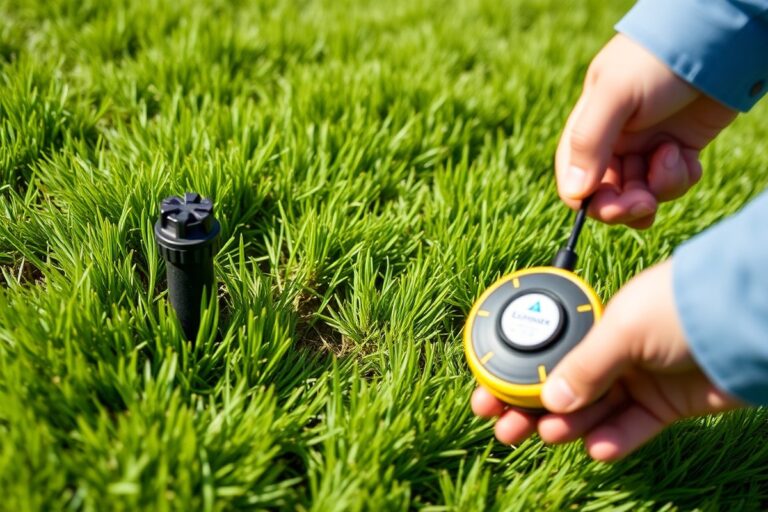
Check the moisture in the air using a reliable hygrometer for accurate outdoor readings. Watching the dew point helps you know how sticky the air feels and predicts fog or frost. This helps you plan your outdoor comfort and dress appropriately for the day.
Balance is key. When humidity rises above 60%, sweat doesn’t evaporate well, making you feel warmer.
Below 30%, the air can dry out eyes, lips, and respiratory passages. So using moisturizer or a humidifier might help.
Key Takeaways
- Outdoor comfort is usually best at 30% to 50% relative humidity.
- Humidity above 60% outdoors can start to feel uncomfortable.
- Temperatures and humidity together affect how hot or cold you feel.
- A dew point below 55°F generally means comfortable outdoor air.
- Use a digital hygrometer to measure outdoor humidity accurately.
- High humidity often indicates rain or moisture in the air.
What Is the Comfortable Outdoor Humidity Range for Most People?
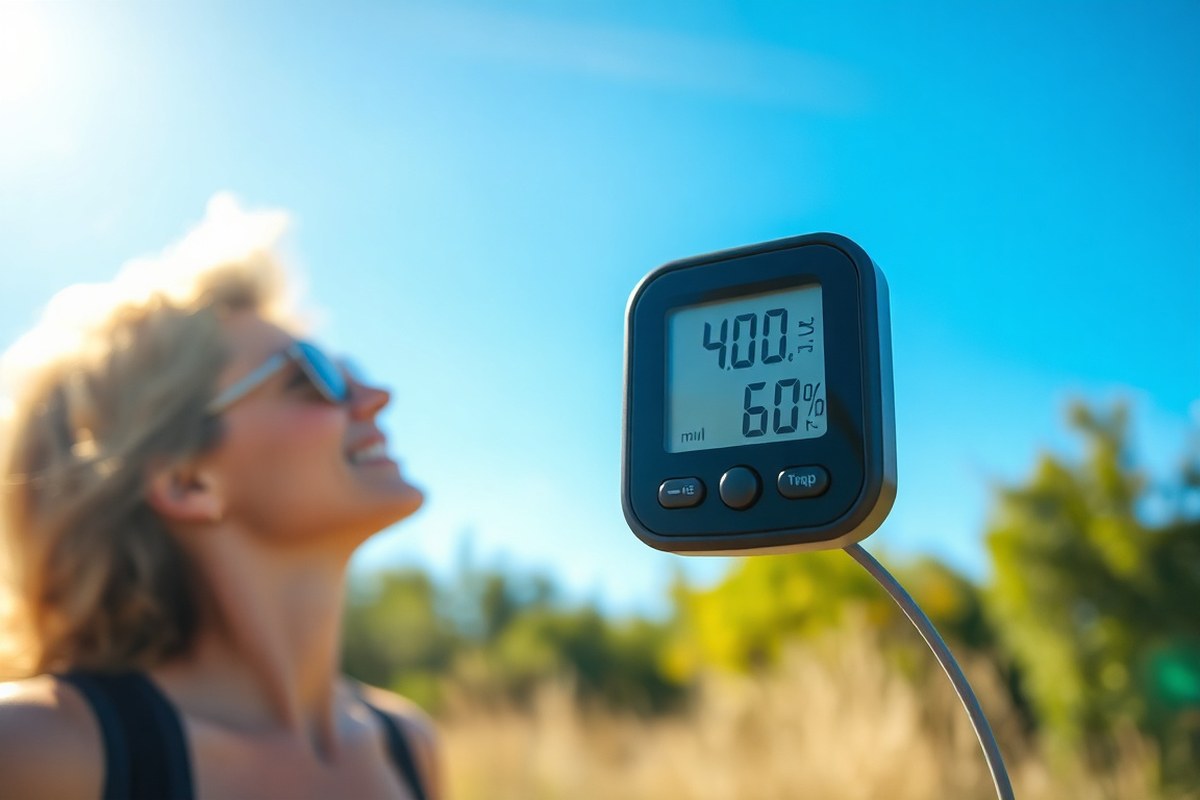
The comfortable outdoor humidity range for most people falls between 30% and 50%. At these levels, the air feels neither too dry nor too sticky, making outdoor activities pleasant. For example, 45% humidity usually feels just right.
It’s cool enough to avoid stickiness. It’s also moist enough to prevent dry skin.
Humidity below 30% often feels very dry. This dryness can cause itchy skin and static shocks. Airplanes often have humidity below 20%.
The low moisture leads to these issues. On the other hand, humidity above 50% starts to feel damp.
Around 50% to 65%, you might notice some stickiness. But it’s still usually okay for being outside.
When humidity climbs higher than 65%, the air feels heavy and sticky. Your hair may frizz, and sweat won’t evaporate easily.
Above 80% humidity feels oppressive, making outdoor comfort very low. The air feels heavy and damp, which can make you feel hotter than the actual temperature.
Here’s a simple look at humidity outside. Below 30% feels very dry. 30% to 50% is good for comfort.
50% to 65% is okay but noticeable. 65% to 80% feels sticky and uncomfortable. Above 80% feels heavy and damp.
Keep in mind that temperature changes how these levels feel. Sixty percent humidity at a cool 50°F can feel dry. The same at 90°F feels muggy.
For outdoor comfort, aim for relative humidity around 40% to 60%. This range balances moisture without making the air feel oppressive or too dry. In dry seasons, humidity near 60% helps your skin stay moist.
It also protects wood and plants outside. Higher moisture prevents dryness damage. But you’ll want lower humidity when it’s hot to avoid feeling overheated.
How Temperature Affects Outdoor Humidity Comfort
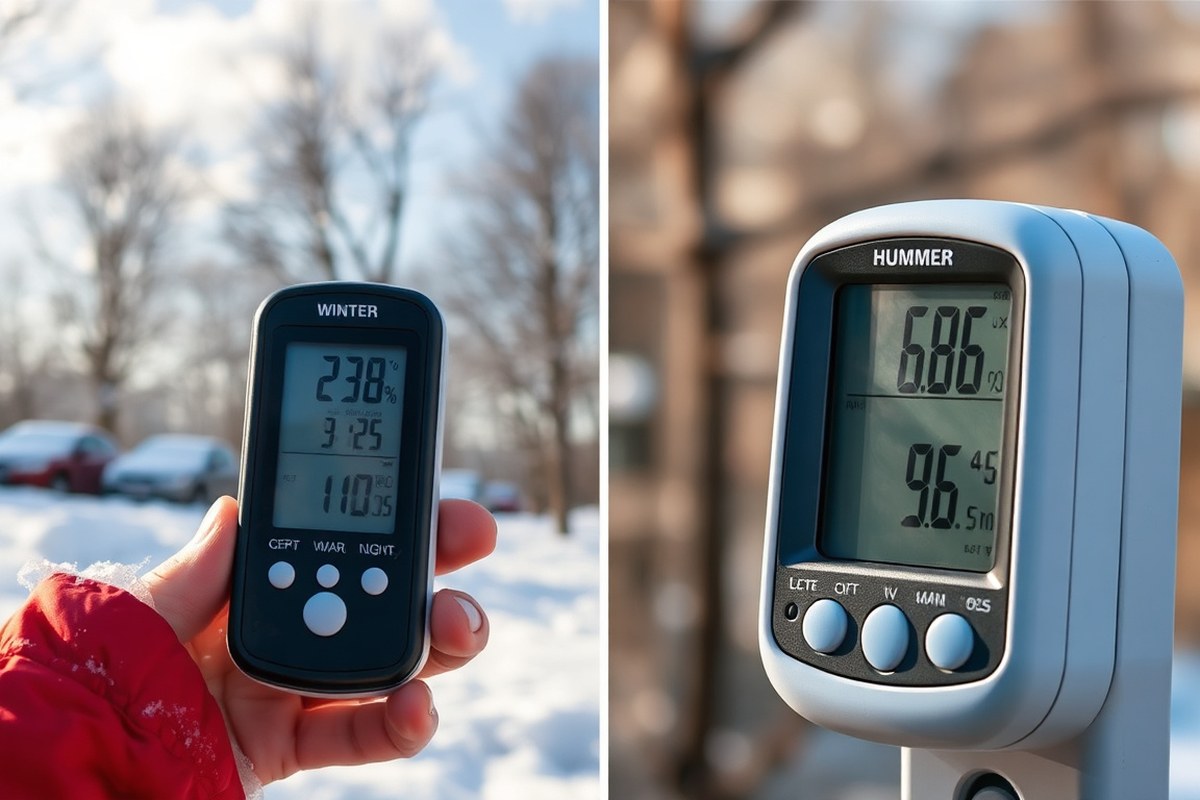
Temperature changes how you feel humidity outdoors. At 30°F, 60% humidity feels dry because cold air holds less moisture. At 90°F, the same 60% feels sticky since warm air holds much more water vapor.
Our skin cools by sweat evaporating. When it’s hot and humid, sweat won’t evaporate well.
That makes you feel hotter and uncomfortable. But cold air with the same humidity feels less damp because sweat doesn’t evaporate as much.
You can use dew point temperatures to judge comfort. Dew points below 55°F are usually comfortable.
Between 55°F and 70°F, humidity feels sticky or muggy, especially when it’s warm. Above 70°F dew point, outdoor conditions feel oppressive and hard to tolerate.
Relative humidity (RH) also shifts your comfort with temperature. Below 30% RH feels dry, which can be okay when it’s cold. From 30% to 50% RH is comfortable at moderate temperatures.
When RH goes over 60%, it feels sticky in the heat. It still feels dry or neutral when it’s cold.
Here’s a simple decision rule to estimate comfort outdoors. Keep RH below 30% when the temperature is under 50°F. At temperatures 50°F to 70°F, aim for 30% to 50% humidity.
Above 70°F, try to stay closer to 30% to 40% RH to avoid sticky air. These values balance moisture with your body’s cooling needs.
Outdoor comfort depends on both humidity and temperature. Ignoring one can make you misjudge heat or dryness.
For example, 50% humidity at 90°F is unpleasant. But feels fine at 60°F. Checking temperature-humidity combinations helps plan outdoor activities and dress accordingly.
Watch temperature and humidity before you head out. This helps avoid discomfort or heat stress.
Understanding Relative Humidity and Dew Point for Outdoor Comfort
Relative humidity and dew point both describe moisture in the air. Relative humidity shows how much water vapor is in the air. It compares this to the max the air can hold at that temperature.
Dew point shows the actual temperature where air turns saturated and feels muggy. Dew point better predicts outdoor comfort because it stays steady despite temperature changes.
What Relative Humidity Measures
Relative humidity (RH) shows how full the air is with water vapor. It compares vapor to the max at that temperature.
It’s expressed as a percentage from 0 to 100%. When RH hits 100%, the air is fully saturated and dew or fog can form.
RH changes throughout the day as temperature changes. For example, 60% RH means the air holds 60% of the max water vapor. This max depends on current temperature.
RH helps predict weather like rain or fog. But it’s less reliable for comfort. Temperature changes affect RH.
How Dew Point Predicts Comfort
Dew point is the air temperature where moisture begins to condense. It reflects the actual moisture in the air rather than a relative amount.
A dew point near 50°F (10°C) feels comfortable. Values above 65°F (18°C) start feeling sticky and muggy.
Dew point doesn’t change based on air temperature. This consistency helps you compare humidity comfort across different days or seasons. When dew points hit 70°F (21°C) or higher, the air usually feels oppressively humid.
Comparing RH and Dew Point for Outdoor Use
Relative humidity and dew point both help forecast weather. But they tell different comfort stories. RH changes with temperature shifts.
This can trick you about how humid it feels. Humidity might feel different as heat rises or falls. Dew point stays stable and better shows how muggy or dry the air truly feels.
| Measure | What It Shows | Comfort Implications |
|---|---|---|
| Relative Humidity (RH) | Water vapor as % of max at current temp | Varies with temp; above 65% feels humid but inconsistent |
| Dew Point | Temperature where air saturates and condenses | Stable; below 60°F comfortable; above 65°F muggy |
Checking local weather forecasts for both RH and dew point gives a clear comfort picture. Focus on dew point to gauge true outdoor humidity levels.
If the forecast says 55% RH but 68°F dew point, expect sticky weather. It won’t feel comfortable outdoors.
- Look for dew points below 60°F for comfortable outdoor activities.
- A dew point above 70°F signals high discomfort and heat stress risk.
- Relative humidity above 65% also warns of muggy conditions.
- Use dew point to plan outdoor exercise or gardening times.
- Check hourly dew point to avoid sudden humidity spikes in the evening.
Signs and Health Effects of Uncomfortable Outdoor Humidity
Outdoor humidity that’s too high or too low can cause noticeable discomfort and health issues. High humidity slows sweat evaporation, making your body struggle to cool down. This can raise your risk of heat exhaustion or stroke.
Risk grows when temperatures go above 80°F (27°C). High humidity over 70% also adds danger.
Low humidity dries out your skin, eyes, and nasal passages, causing irritation and discomfort. It can trigger asthma attacks or make allergies worse. Dry membranes cause more airborne allergens to stay longer.
This triggers more symptoms for some people. People with asthma or allergies usually feel better when humidity stays below 50%.
Watching for signs of discomfort helps you stay safe outdoors. Here are some symptoms to look out for based on humidity levels:
- High humidity: heavy sweating, chills, headache, dizziness
- Low humidity: dry throat, itchy eyes, nosebleeds
- Heat illness signs: nausea, muscle cramps, rapid heartbeat
- Worsening asthma symptoms: wheezing, coughing, chest tightness
- Fatigue or confusion during outdoor activities
Notice these signs? Stop and rest right away. Find a cooler place to help your body recover.
Drink water steadily to stay hydrated. Avoid hard outdoor exercise when it’s hot and humid. Watch for humidity over 70% with temperatures above 80°F (27°C).
Choose cooler times or places instead. This combination greatly raises heat stress risks.
People with lung or heart conditions should take extra care, as symptoms can worsen quickly. You might want to plan outdoor activities during morning or evening hours when humidity often dips. Using a sweat-wicking shirt and wearing a hat also helps your body manage humidity better.
Seasonal and Regional Differences in Outdoor Humidity Comfort
Outdoor humidity comfort changes with the seasons and varies by region. You’ll notice different ideal humidity ranges in winter and summer. The local climate affects how you feel and what you need to stay comfortable.
Winter Humidity Comfort Ranges
In winter, outdoor humidity often drops below 30% relative humidity (RH). Cold air holds less moisture.
So it feels dry even if the air was humid before heating. Staying comfortable means seeking a balance that stops skin and eyes from drying out.
Ideal winter outdoor humidity is usually between 30% and 40% RH. Lower than that, and you may feel itchy skin or irritated eyes. Sometimes, it helps to bring some moisture indoors using a humidifier to balance dry air.
Summer Humidity Comfort Ranges
Summer humidity often rises, sometimes reaching above 60%. Humidity this high makes the heat feel stronger than it is. Sweat won’t cool you down as well.
This can make you feel hotter and stickier. Aim for an outdoor humidity range between 40% and 60% RH during summer.
High humidity can increase discomfort, so using climate control tools outdoors helps a lot. Misting systems or evaporative coolers lower the immediate humidity and cool your skin. This way, you keep enjoying outdoor activities without feeling sticky or overheated.
How Regional Climate Affects Humidity Comfort
Different regions have varying humidity patterns that affect comfort. Coastal areas often hover in higher humidity ranges year-round. Inland and desert regions tend to have low or fluctuating humidity depending on the season.
What feels comfortable in one place may feel too dry or moist somewhere else. For example, 50% RH feels comfortable near the coast. In dry mountain areas, it might feel too humid.
The difference comes from the usual local weather. Adjust how you dress and manage time spent outdoors according to where you live.
Adjusting Expectations for Humid vs Dry Climates
Adapting to humidity depends on where you live. In humid climates, aim to spend less time outdoors during peak humidity hours, usually midday. In dry zones, use hydration and moisture-retaining skin products to combat dryness.
Here are ways to stay comfortable in different outdoor humidity conditions:
- Use misting fans or portable coolers in hot, dry summers.
- Wear breathable, moisture-wicking clothing to combat sweat in high humidity.
- Protect skin with lotions if winter air feels dry and stiff.
- Limit outdoor activities during the most humid or dry parts of the day.
- Try shade or wind breaks to reduce direct humidity effects outdoors.
- Use a portable humidifier or sprayer during dry winter outings.
Remember that too much humidity outdoors can promote mold or pollen buildup, which can worsen allergies.
Adjust your gear, timing, and hydration based on the season and regional humidity. This way, outdoor comfort feels natural, no matter where you are or what the weather brings.
How to Measure Outdoor Humidity Accurately
To measure outdoor humidity accurately, use a reliable hygrometer placed in a shaded, ventilated spot. Check readings at consistent times, ideally away from direct sun and moisture sources. This approach helps you get stable and true humidity levels outdoors.
Types of Hygrometers
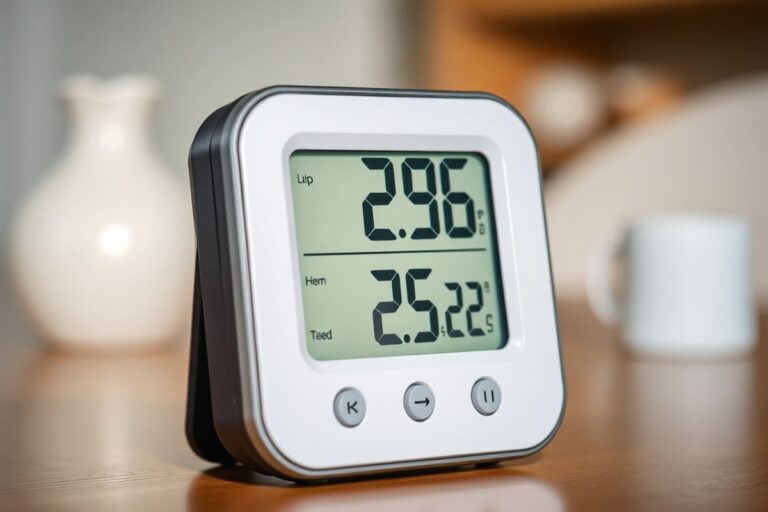
Digital hygrometers are common and usually cost around $10 to $15. They offer fast, clear readings and often have memory to track past data. Some smart thermostats also include built-in hygrometers to show humidity alongside temperature.
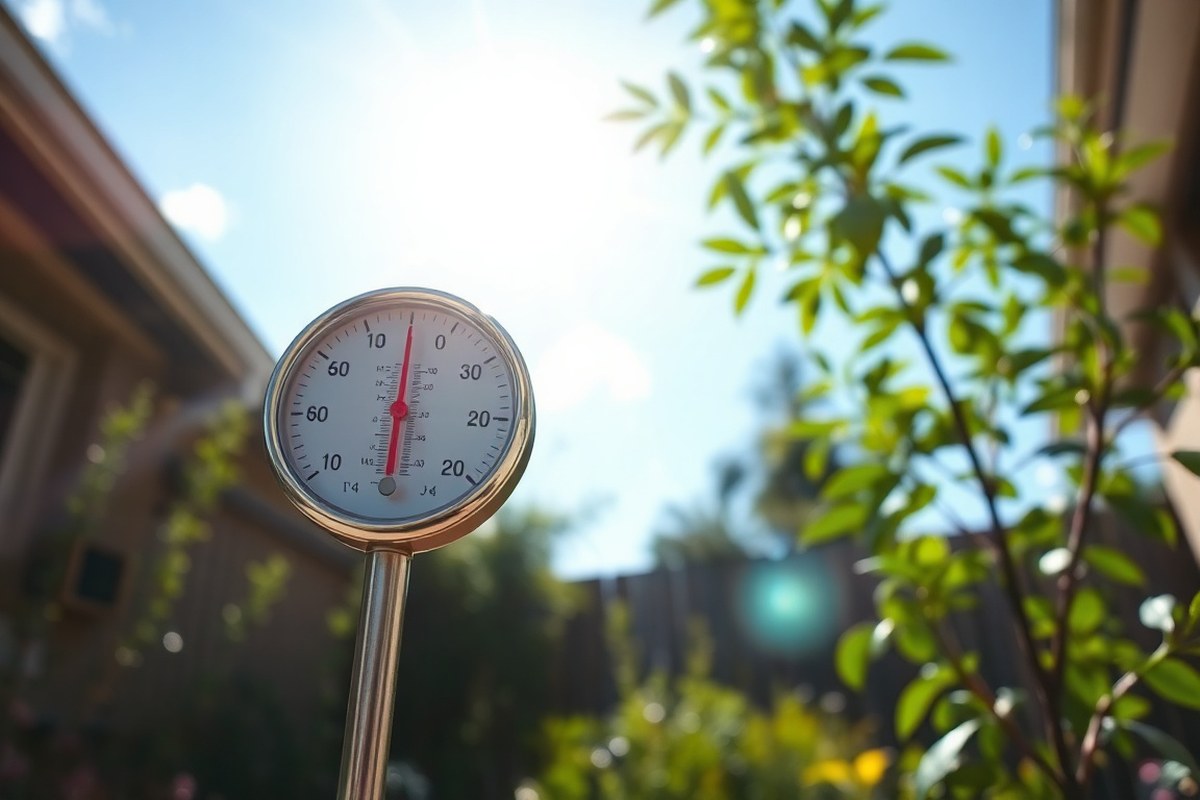
Analog hygrometers use a dial and can be less expensive but may need frequent recalibration. A digital model with a probe sensor works best outdoors. It usually gives more accurate readings.
These models are also easier to read. You can find these devices at hardware stores or online shops.
Proper Placement for Measurement
Place the hygrometer in a spot shielded from direct sunlight. Avoid locations near sprinklers or where water might splash onto the sensor. Keep the device off the ground, about 4 to 6 feet high.
That matches the height where you breathe. It also avoids moisture coming from the ground.
Pick a place with good air flow but no obstructions like walls or dense foliage. Taking measurements at the same time daily improves consistency. Morning or late afternoon are good times because humidity can shift quickly around midday.
Interpreting Humidity Readings Outdoors
Relative humidity tells how much moisture the air has. It compares this to the max it could hold. This depends on the air temperature.
Outdoor readings between 30% and 55% usually feel comfortable to most people. Readings close to 100% mean the air is saturated and rain could occur soon.
The dew point tells you when water vapor will condense into dew or fog. Higher dew point temperatures mean it feels more humid, regardless of relative humidity.
Keep in mind temperatures and humidity levels can change quickly outdoors. So check several times if conditions vary.
Follow these steps to measure outdoor humidity correctly:
- Choose a quality digital hygrometer or smart thermostat with humidity sensor.
- Place the device in a shaded, well-ventilated spot 4 to 6 feet off the ground.
- Avoid locations near water sources, direct sun, or blocked airflow.
- Turn on the device and let it stabilize for 5 minutes before reading.
- Record the humidity percentage and check the dew point if available.
- Take multiple readings at similar times over several days for accuracy.
- Compare readings to known comfort ranges (30-55% humidity preferred).
Practical Tips for Staying Comfortable in Various Outdoor Humidity Levels
Sticky humidity feels heavy because sweat doesn’t evaporate well. Moving air helps your sweat dry faster and cools you down. Standing in a breeze outdoors helps when it feels muggy.
Choosing the right clothes also matters. Wear lightweight, loose fabrics like cotton or moisture-wicking materials.
Avoid thick or tight clothing, which traps heat and humidity close to your skin. A wide-brim hat and sunglasses protect your face and eyes from sun and sweat.
- Stay hydrated with water even if you don’t feel thirsty.
- Wear light-colored, breathable clothing to reduce heat absorption.
- Use a portable fan or find shady spots to catch a breeze.
- Plan activities for cooler parts of the day, like mornings or evenings.
- Wear moisture-wicking clothes that pull sweat away from skin.
- Avoid strenuous exercise during peak heat and humidity.
- Apply sunscreen regularly, as humidity can increase sunburn risk.
Low humidity dries out your skin and can make breathing uncomfortable. In dry air, try moisturizing your skin more often and drinking plenty of fluids. For longer outdoor stays, a lip balm and nasal spray can help reduce dryness.
Breathable layers work best in dry conditions. You can add or remove clothing as needed to avoid sweating too much. Covering your skin also protects you from UV rays, which can be stronger in dry air.
How Outdoor Humidity Affects Plants, Furniture, and When to Seek Professional Help
| Material or Plant | Humidity Level (Relative %) | Impact |
|---|---|---|
| Outdoor Wood Furniture | Above 60% | Increased risk of swelling, warping, and rot |
| Outdoor Wood Furniture | Below 30% | Potential drying, cracking, and splitting |
| Hardy Plants (e.g., succulents) | Above 70% | Fungal growth, mold, and possible root rot |
| Moisture-Loving Plants (e.g., ferns) | Below 40% | Stress, browning leaf tips, and slowed growth |
| General Outdoor Area | Above 65% | Mold and mildew can develop within 24-48 hours |
Humidity plays a big role in how your outdoor wood and plants hold up. Wood furniture absorbs moisture above 60% humidity.
It swells and can warp, making it look cracked or loose over time. Humidity below 30% causes wood to dry out and crack.
Plants vary in their needs. Succulents don’t like humidity above 70%, or mold and root rot may appear. Ferns and other moisture-loving plants get hurt below 40%.
Dry leaf tips show first. Then the plants grow slower. Keep an eye on your plants to catch early signs.
Preventing mold outside means keeping humidity in check, ideally between 30 and 60%. Wipe wood surfaces often and apply water-repellent sealers yearly.
For plants, proper spacing and pruning improves air flow, which lowers mold risk. Avoid overwatering, especially during wet or humid seasons.
Mold or mildew on wood or plants means check humidity. Use a good, reliable meter to measure it. Air circulation and sunlight reduce moisture buildup.
Notice dampness, soft wood, or spreading mold despite care? You should call a professional right away. A landscaper or home exterior expert can evaluate damage and suggest treatments.
Get expert help if humidity stays above 65%. Wood stays wet or soft.
Mold spreads quick or plants rot fast. Professionals can assess structural risks and use specialized products to protect your belongings.
Check humidity levels around your outdoor items regularly. Acting before mold forms saves time and money.
Step-by-Step Action Plan to Enjoy Comfortable Outdoor Humidity
Follow these steps to check and adjust for outdoor humidity comfort. Each helps you enjoy your time outside without feeling sticky or too dry.
- Start today: Check the current outdoor humidity using a digital hygrometer or a trusted weather app. Note if the humidity is between 30% and 60%, your outdoor conditions should feel comfortable.
- Within a week: Track daily temperatures and humidity levels together. Look for times of day when humidity feels more comfortable, usually mid-morning or late afternoon.
- After two weeks: Check a dew point chart. It helps you tell if outdoor moisture feels sticky or dry. Dew points between 50°F and 60°F are usually best for most people.
- One month in: Adjust your outdoor plans to avoid periods of very high or low humidity. Plan activities during times humidity hits your comfort zone.
- Next season: Learn how your local seasons affect outdoor humidity. Prepare by choosing breathable clothes or shade for humid summers and humidifiers for dry winters.
- Regularly: Protect outdoor furniture and plants from humidity extremes. Use covers or watering schedules to avoid damage and stress on them.
- Anytime you feel off: Pay attention to discomfort signs like skin irritation or headache. Use cooling towels or move indoors if necessary, to prevent health issues.
Frequently Asked Questions
Is 50% Humidity Outside Comfortable?
Yes, 50% humidity outdoors is generally comfortable for most people. It falls within the usual comfort range of 30% to 60%.
You probably won’t feel too sticky or dry at this level. This range suits most outdoor conditions well.
Is 70-80 Humidity High?
Yes, 70-80% humidity outdoors is considered high and can feel muggy or oppressive. This level makes sweat evaporation harder.
You may feel hotter and more uncomfortable. Warm weather worsens this effect.
Is 72 Humidity Outside High?
Yes, 72% humidity outdoors is high and could feel uncomfortable. Sweat evaporation slows down at this level.
Outdoor activities might feel tougher. Wearing breathable clothes and drinking water helps.
What Does 87 Degrees with 70 Humidity Feel Like?
It feels hot and very humid, often muggy or oppressive. High humidity stops sweat from evaporating well.
Your body can’t cool down easily. Outdoor activities become harder and more tiring.
Dew Point vs Humidity: What’s the Best Measure of Comfort?
Dew point is a better measure of comfort than humidity percentage outdoors. It shows how sticky or muggy the air feels.
It measures actual moisture, not just relative moisture. This gives a true feel of humidity.
Can Low Humidity Outdoors Cause Skin Dryness?
Yes, low humidity below 20% outdoors can dry out your skin and lips. You may notice your skin feels tight or itchy, especially on windy or cold days.
Key Points to Remember
Most people feel best outdoors when humidity stays between 30% and 60%. Checking the humidity regularly helps you plan comfortable outdoor time. Start by tracking today’s humidity and see how it affects your comfort levels.